

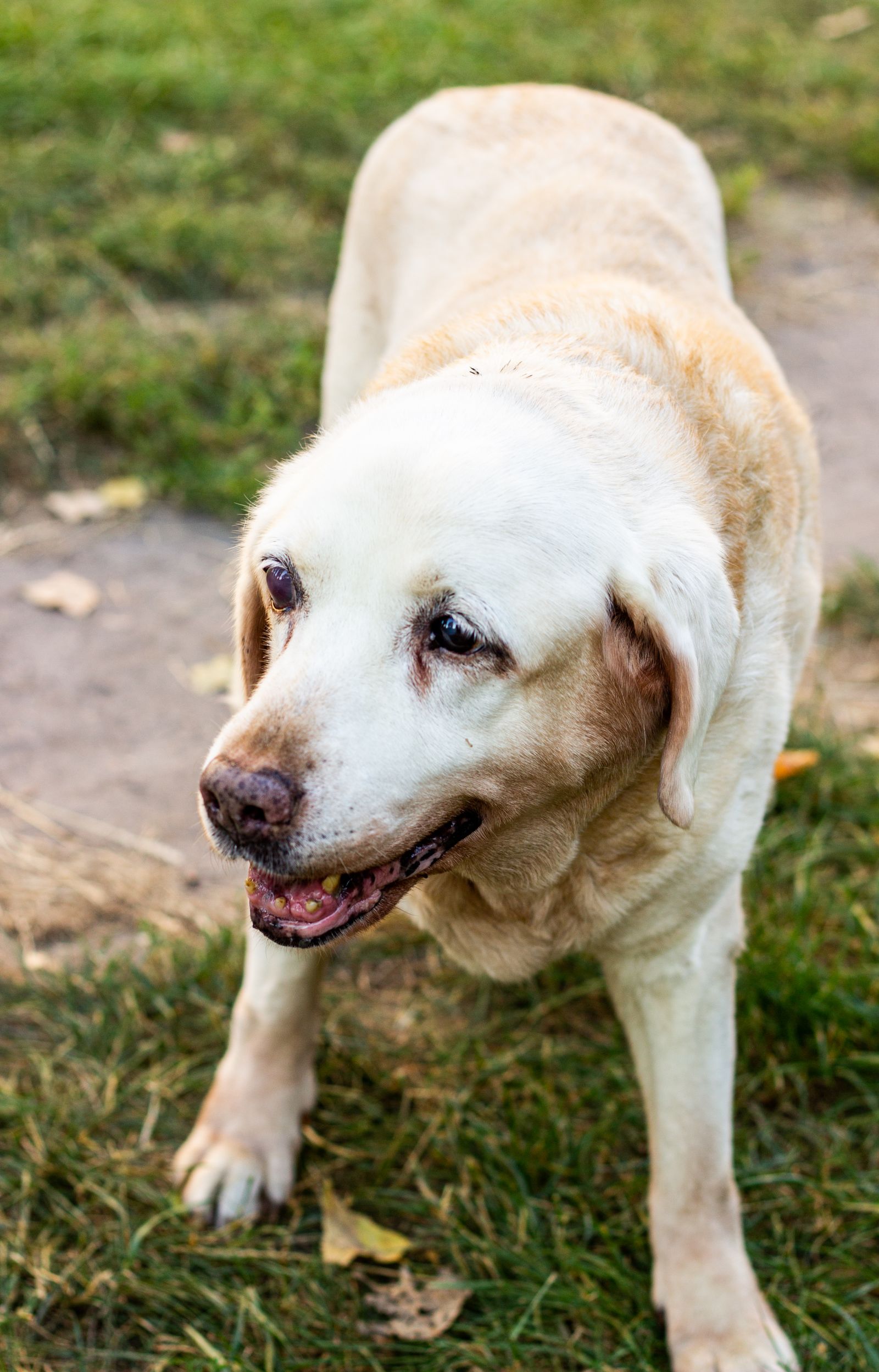
How long do dogs live? On average, a dog lives 10 to 13 years: but that single number hides an enormous range. A Chihuahua can easily see its 16th birthday, while a Great Dane is considered elderly at seven. Size, breed, weight, diet and veterinary care all shape how many years you get with your best friend.
This guide covers the average dog lifespan, how long dogs live by size and breed, how to convert dog years to human years accurately, the most common causes of death in dogs, and the science-backed steps that add healthy years to your dog’s life.
Average Dog Lifespan
Large veterinary studies put the median lifespan of pet dogs at around 12 to 12.5 years. A 2024 study of more than 580,000 dogs in the UK found that small, long-nosed breeds live longest (a median of over 13 years), while flat-faced breeds such as Bulldogs and Pugs and giant breeds live the shortest.
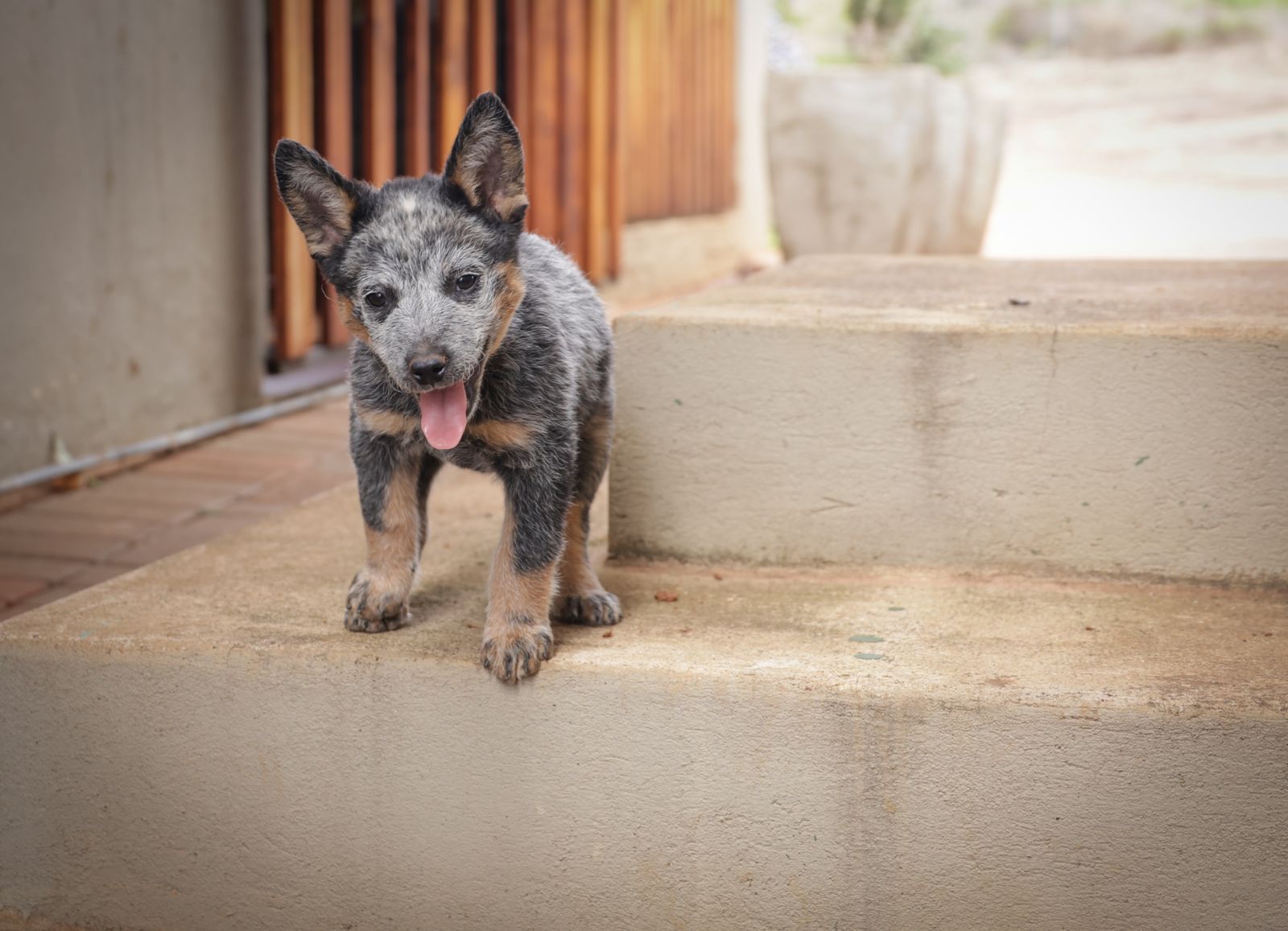
The longest-lived dog with a verified record was Bluey, an Australian Cattle Dog who reached 29 years and 5 months. Most dogs won’t get anywhere near that, but with good care a 15- or 16-year-old dog is no longer a rarity.
How Long Do Dogs Live by Size?
Size is the strongest predictor of lifespan in dogs. Unusually among mammals, the bigger the dog, the shorter its life. Large dogs grow extremely fast as puppies, and researchers believe this accelerated growth speeds up ageing and increases cancer risk.
| Size | Adult weight | Typical lifespan |
|---|---|---|
| Toy / small | Under 10 kg (22 lb) | 12 to 16 years |
| Medium | 10 to 25 kg (22 to 55 lb) | 10 to 14 years |
| Large | 25 to 45 kg (55 to 100 lb) | 9 to 12 years |
| Giant | Over 45 kg (100 lb) | 7 to 10 years |
Dog Lifespan by Breed
Breed is genuinely useful here. Lifespan and size are among the things a breed label predicts well, which is not true of everything: the largest study of dog behaviour found breed explains only about 9% of the difference in how individual dogs behave. We cover that in what breed actually predicts, and what it does not.
Longest-living dog breeds
- Chihuahua: 14 to 16 years
- Toy and Miniature Poodle: 14 to 18 years
- Dachshund: 12 to 16 years
- Jack Russell Terrier: 13 to 16 years
- Shih Tzu: 10 to 18 years
- Yorkshire Terrier: 13 to 16 years
- Lhasa Apso: 12 to 15 years
- Australian Cattle Dog: 12 to 16 years
- Border Collie: 12 to 15 years
- Beagle: 12 to 15 years
Popular medium and large breeds
- Labrador Retriever: 11 to 13 years
- Golden Retriever: 10 to 12 years
- German Shepherd: 9 to 13 years
- Boxer: 10 to 12 years
- Cocker Spaniel: 12 to 15 years
- Siberian Husky: 12 to 14 years
Breeds with the shortest lifespans
- Irish Wolfhound: 6 to 8 years
- Great Dane: 7 to 10 years
- Bernese Mountain Dog: 7 to 10 years
- Mastiff: 6 to 10 years
- Saint Bernard: 8 to 10 years
- English Bulldog: 8 to 10 years
- French Bulldog: 9 to 11 years
Mixed-breed dogs generally live slightly longer than purebreds of the same size, thanks to greater genetic diversity and a lower risk of inherited disease.
Dog Years to Human Years
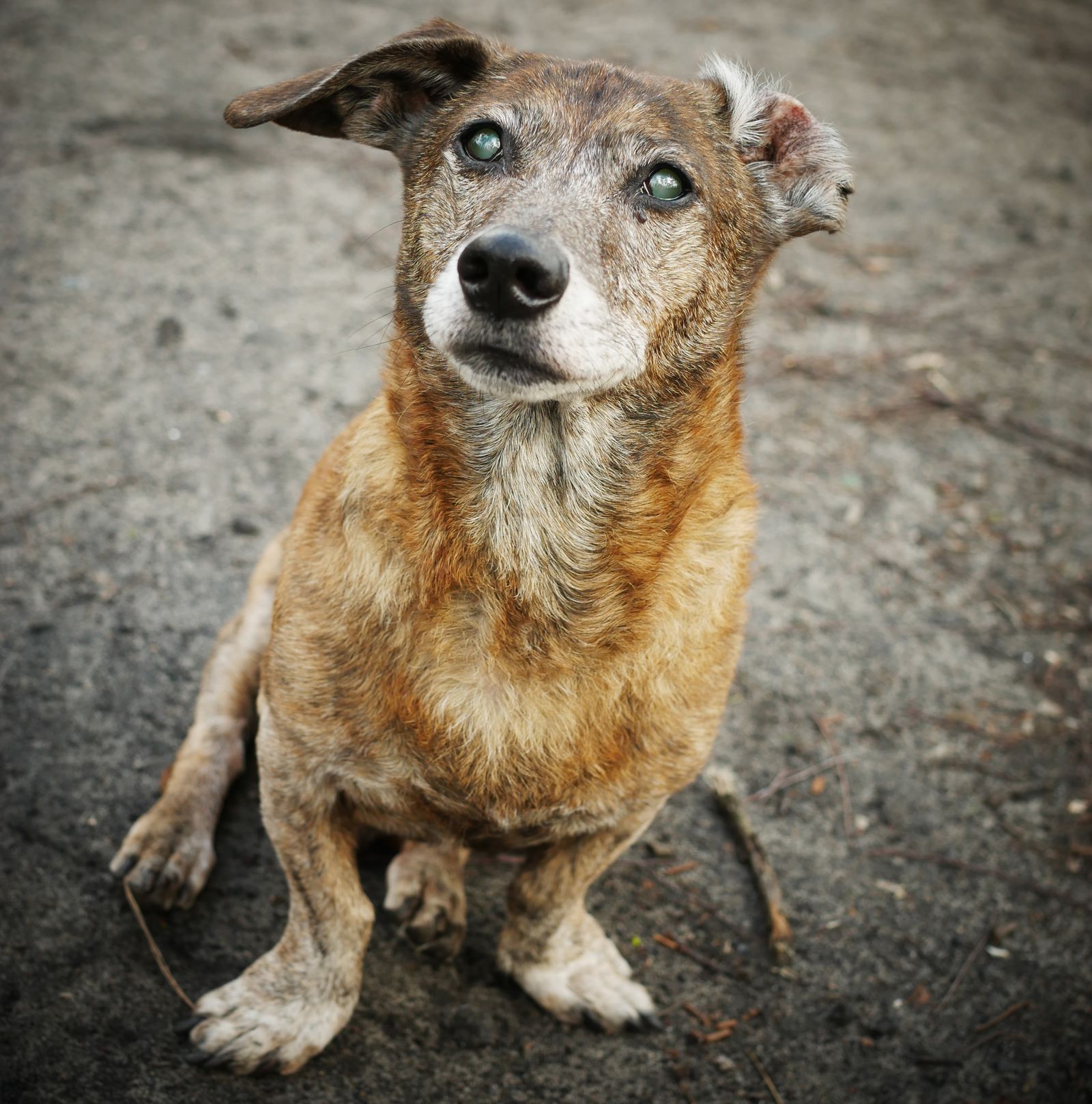
The “one dog year equals seven human years” rule is a myth. Dogs age fastest in their first two years and then slow down, and larger dogs age faster than small ones. A more accurate guide:
| Dog’s age | Small dog | Medium dog | Large dog | Giant dog |
|---|---|---|---|---|
| 1 year | 15 | 15 | 15 | 14 |
| 2 years | 24 | 24 | 24 | 22 |
| 5 years | 36 | 37 | 40 | 45 |
| 8 years | 48 | 51 | 55 | 64 |
| 10 years | 56 | 60 | 66 | 79 |
| 13 years | 68 | 74 | 82 | 100 |
| 16 years | 80 | 87 | 99 | n/a |
So a 10-year-old Chihuahua is a spry 56 in human terms, while a 10-year-old Great Dane is closer to 80.
What Do Dogs Usually Die Of?
- Cancer: the leading cause of death in dogs over 10, especially in Golden Retrievers, Boxers and Bernese Mountain Dogs.
- Heart disease: mitral valve disease in small breeds, dilated cardiomyopathy in large breeds.
- Kidney failure.
- Musculoskeletal decline: severe arthritis and loss of mobility, particularly in large dogs.
- Bloat (GDV): a life-threatening emergency most common in deep-chested breeds.
- Trauma: road accidents remain a major cause of death in younger dogs.

How to Help Your Dog Live Longer
1. Keep your dog lean
A landmark 14-year Purina study found that dogs fed to a lean body condition lived almost two years longer than their overweight littermates and developed arthritis and other chronic diseases much later. Being able to feel (but not see) your dog’s ribs is the goal.
2. Exercise every day
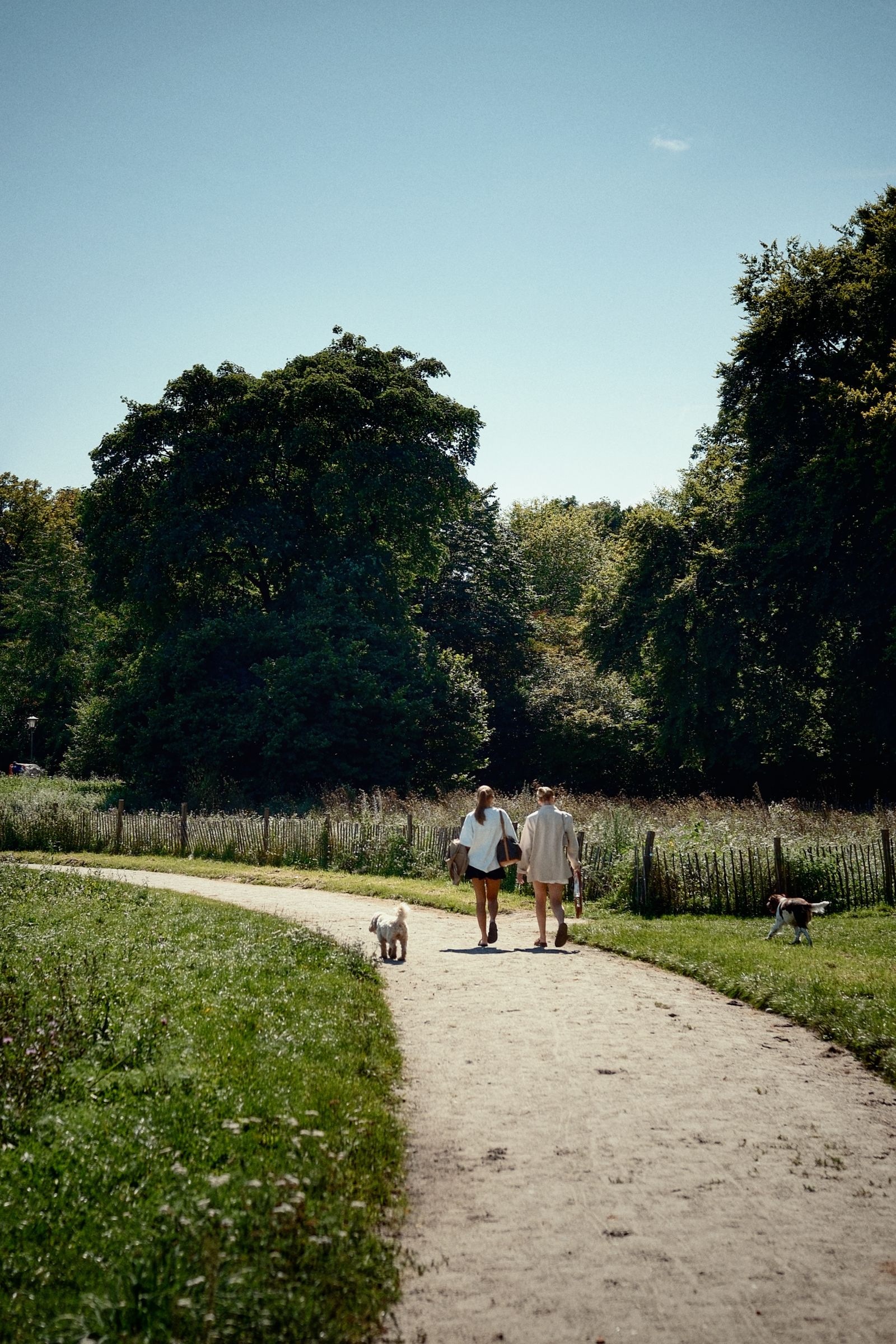
Daily walks and play keep muscles strong, joints mobile, weight under control and minds sharp. Adjust intensity to your dog’s age and breed.
3. Feed a complete, balanced diet
Choose a food that meets AAFCO or FEDIAF standards for your dog’s life stage and size. Large-breed puppies need specially formulated food to slow their growth and protect their joints.
4. Don’t neglect dental care
By age three most dogs have some dental disease. Bacteria from infected gums enter the bloodstream and damage the heart, liver and kidneys. Brush regularly and schedule professional cleanings.
5. Keep up with preventive vet care
Vaccinations, parasite control, annual check-ups and, for seniors, twice-yearly blood tests catch problems while they are still treatable.
6. Spay or neuter at the right time
Neutered dogs live longer on average, but for large breeds timing matters. Talk to your vet about waiting until growth is complete.
7. Protect against accidents
Lead walks near roads, secure fencing, and keeping toxic foods (see why dogs must never eat grapes) and medications out of reach prevent the most common avoidable deaths.
8. Keep the brain busy
Training, scent games and puzzle toys slow cognitive decline in senior dogs. The canine equivalent of dementia is very real.
Signs Your Dog Is Getting Old
A greying muzzle is the obvious one, but also watch for slower walks, stiffness after rest, cloudy eyes, hearing loss, weight change, more sleep, new lumps, bad breath, and confusion or restlessness at night. None of these should be dismissed as “just old age”. Most have treatments that improve quality of life.
Frequently Asked Questions
Can a dog live 20 years?
Rarely, but yes. A handful of small dogs, usually Chihuahuas, Dachshunds and terriers, reach 20. It requires good genetics, a lean body and excellent care.
Why do small dogs live longer than big dogs?
Large dogs grow extremely fast, which appears to accelerate cell ageing and raise cancer risk. They also carry more strain on their hearts and joints.
Do mixed-breed dogs live longer?
On average, yes, by roughly a year compared with purebred dogs of the same size, thanks to lower rates of inherited disease.
At what age is a dog considered a senior?
Small dogs at 10 to 12, medium dogs at 8 to 10, large dogs at 6 to 8 and giant breeds from around 5 to 6 years old.
Final Thoughts
How long dogs live depends mostly on size and genetics, but the factors you control add up to years, not months. Keep your dog lean, active, vaccinated and dentally healthy, and you dramatically improve the odds of many happy years together.
One condition worth knowing the signs of, because catching it early changes the outlook, is diabetes. A dog that is drinking more, weeing more and losing weight while still eating well needs a vet. Here are the early signs of diabetes in dogs and cats and what treatment involves.