


Tapeworm in dogs is treated with praziquantel, and no home remedy has ever been shown to clear it. Pumpkin seeds, garlic and diatomaceous earth have no published evidence against the flea tapeworm. What almost no page tells you is the rest of the story: praziquantel can fail, it has been documented, and there is a plan for when it does.
Most owners meet this worm the same way. Something that looks like a grain of rice, moving, stuck to the fur near the tail or left behind on the bed. Then comes a search, and the search returns two kinds of page. Big brands that say see your vet, and videos promising to clear it with something from the kitchen cupboard. Neither answers the question that actually matters, which is what to do when the proper treatment does not work.
What the rice grains actually are
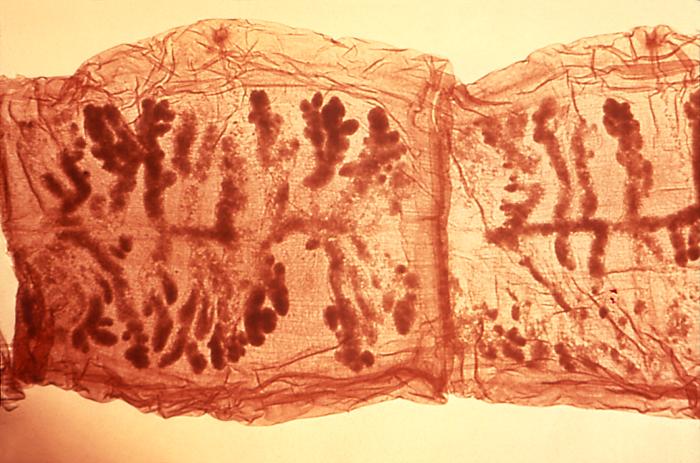
The worm is Dipylidium caninum, the flea tapeworm. It lives in the small intestine and grows a chain of segments called proglottids. When a segment matures it detaches and crawls out on its own, which is why owners describe them as moving. Each one is a sealed parcel of eggs.
Out in the air a segment dries within hours and shrinks into something that looks like a sesame seed or a grain of uncooked rice. That is the form most people find, dried and motionless, on bedding or stuck to the fur. Finding one is a diagnosis in itself. You do not need a lab to tell you what it is.
Your dog did not catch it from another dog
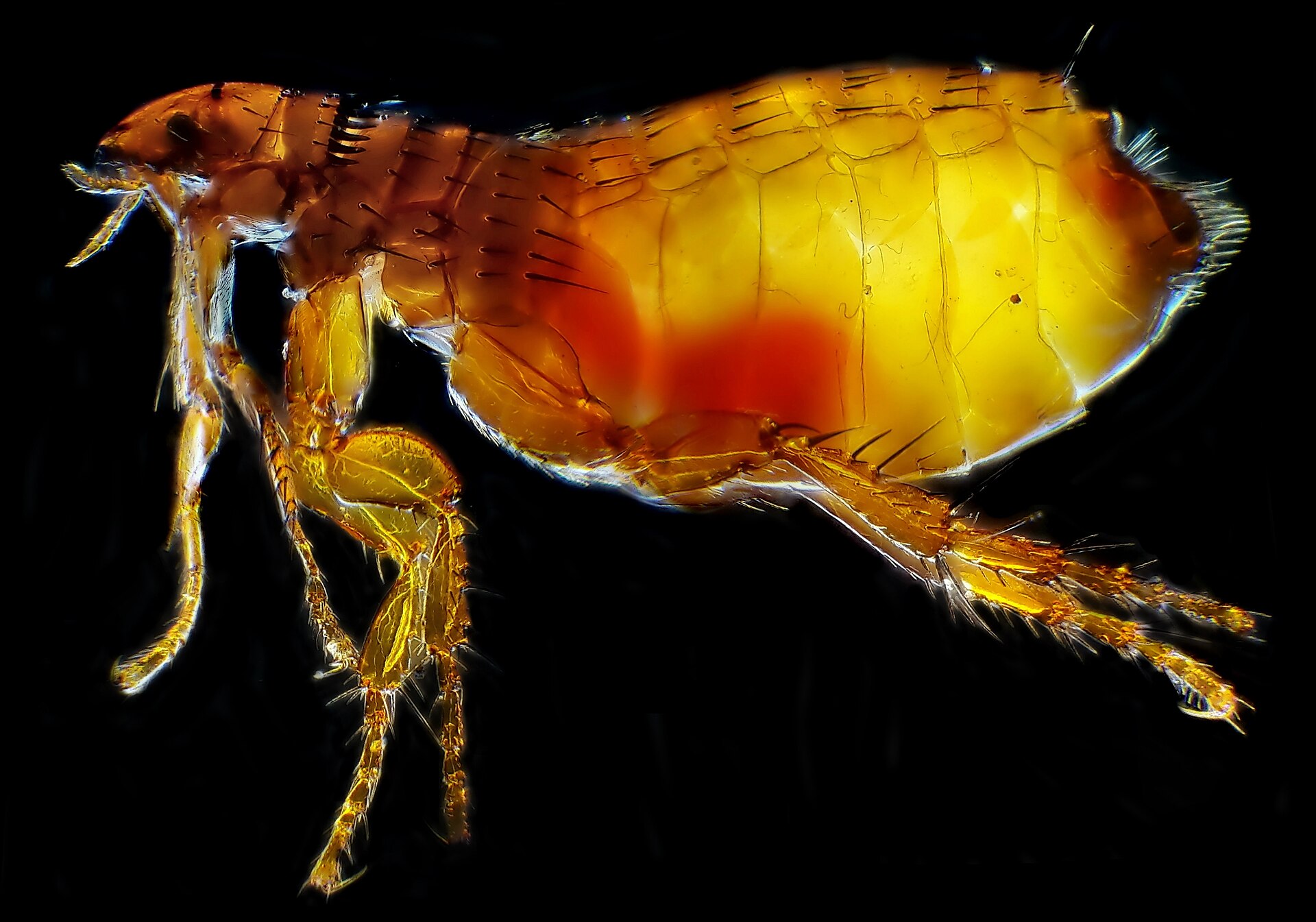
This worm cannot pass straight from pet to pet. It needs a flea, or occasionally a chewing louse, to carry it through a stage of its life. The Companion Animal Parasite Council puts it plainly in its guideline for Dipylidium caninum: the life cycle is indirect and requires fleas or lice as intermediate hosts, and dogs and cats become infected by swallowing an infected flea during normal grooming.
So a tapeworm segment is not only a worm problem. It is physical proof that your dog swallowed a flea, which means fleas have been on your dog, which means fleas are very likely in your home. Treat the worm alone and you are treating the symptom.
Grooming is the delivery system
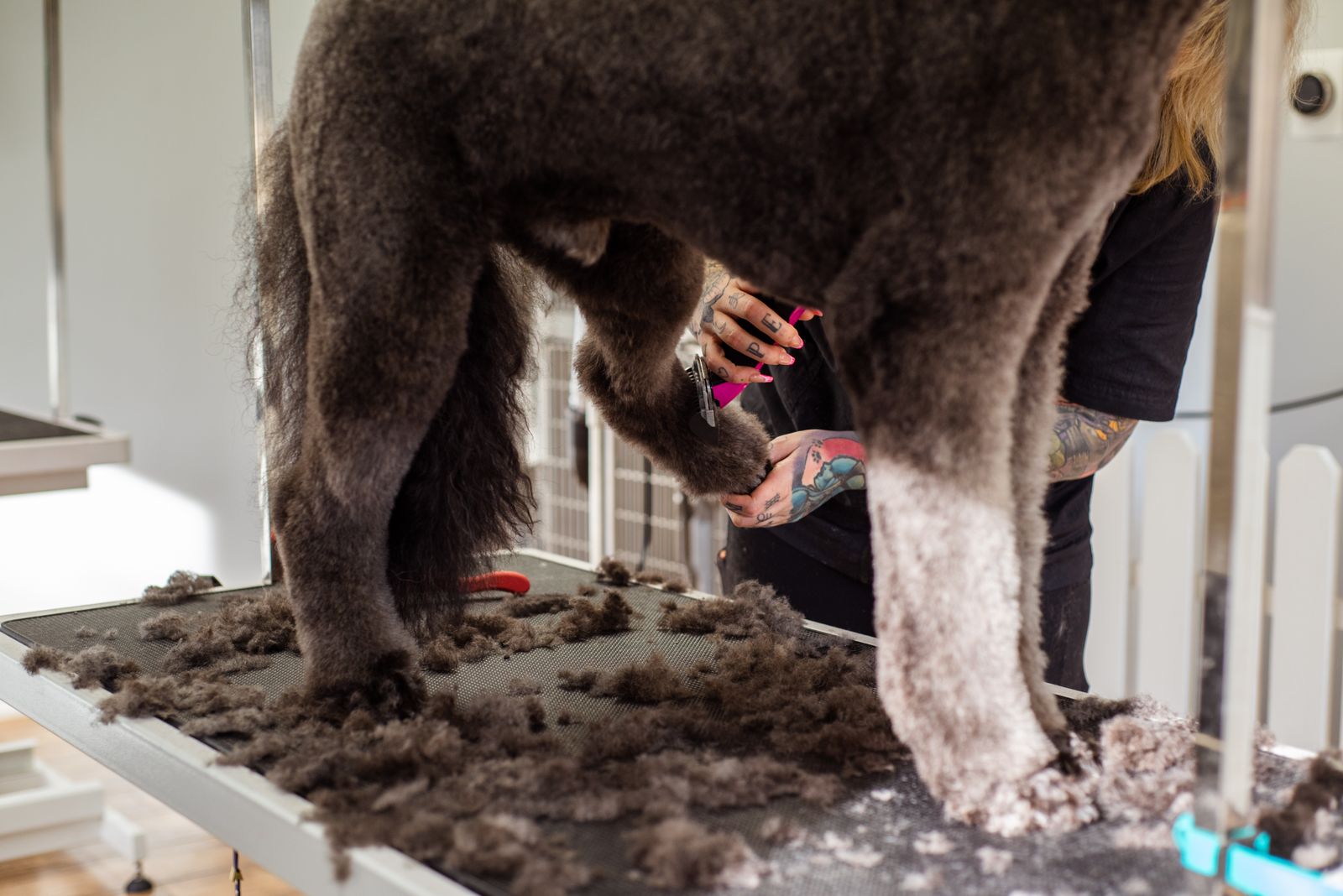
Here is the part that confuses people. The flea has to be eaten, and the most efficient way a dog eats a flea is by biting at an itch. Grooming is also how a dog removes fleas, so the evidence destroys itself. By the time you find segments, the flea that delivered them has been gone for weeks.
That is why “but I have never seen a flea” is not a reason to doubt the diagnosis. It is the normal version of this story. If the scratching came first and you are not sure fleas are behind it, our guide to why your dog is scratching so much works through the other causes. For the full picture of the worms that behave nothing like this one, see worms in dogs and cats.
Why home remedies keep getting recommended
Search for how to get rid of tapeworms at home and you land in a busy, confident corner of the internet. The most popular videos on the subject have well over a hundred thousand views each. The three remedies that come up again and again are pumpkin seeds, garlic and diatomaceous earth. Here is what is actually behind them.
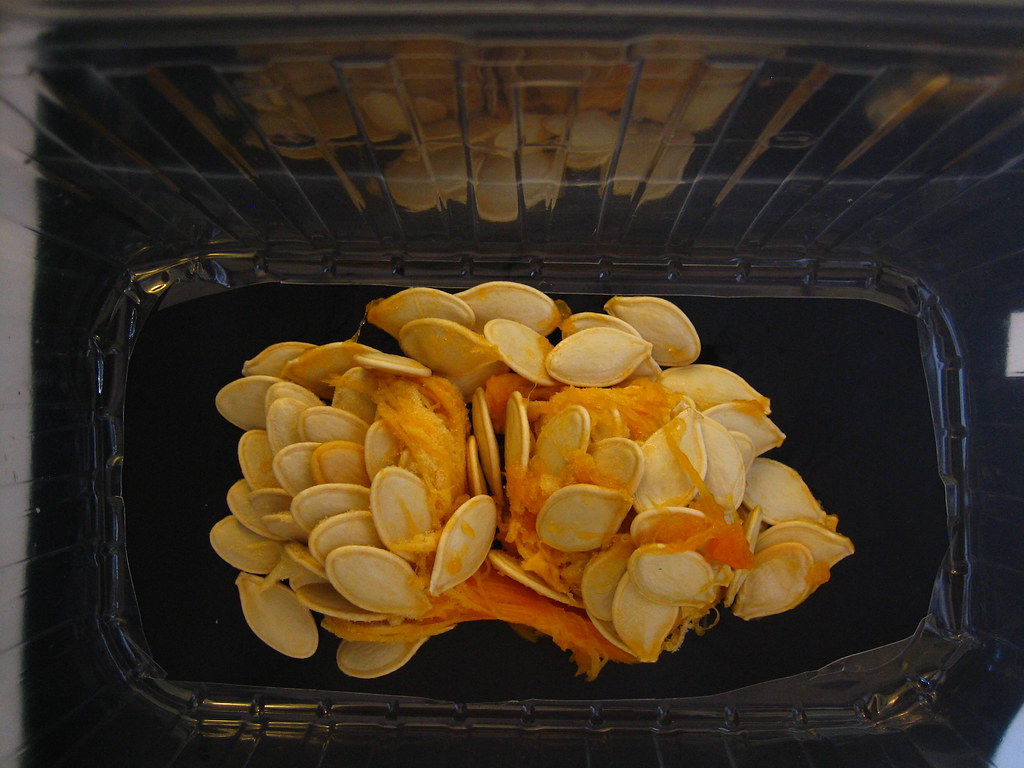
Pumpkin seeds. The claim rests on cucurbitacin, a compound in the seeds that is said to paralyse worms. There is no published trial showing it clears Dipylidium in dogs. Pumpkin seeds are not dangerous, which is part of the problem: they feel like doing something while the infection carries on.
Garlic. This one is worse than useless. Garlic belongs to the Allium family, and Allium species damage red blood cells in dogs and cats, which can cause anaemia. A remedy that can make your dog ill is not a remedy.
Diatomaceous earth. It works by abrading the waxy coating of insects, which needs dry contact with the outside of the insect. A tapeworm lives in the wet environment of the intestine, where the mechanism cannot apply. The dust is also an inhalation irritant for the pet and for you.
Notice what is missing from all three. Not one appears anywhere in the veterinary guidance for this parasite. The CAPC guideline covers drugs, flea control and lice control, and no kitchen remedy at all.
What actually clears it
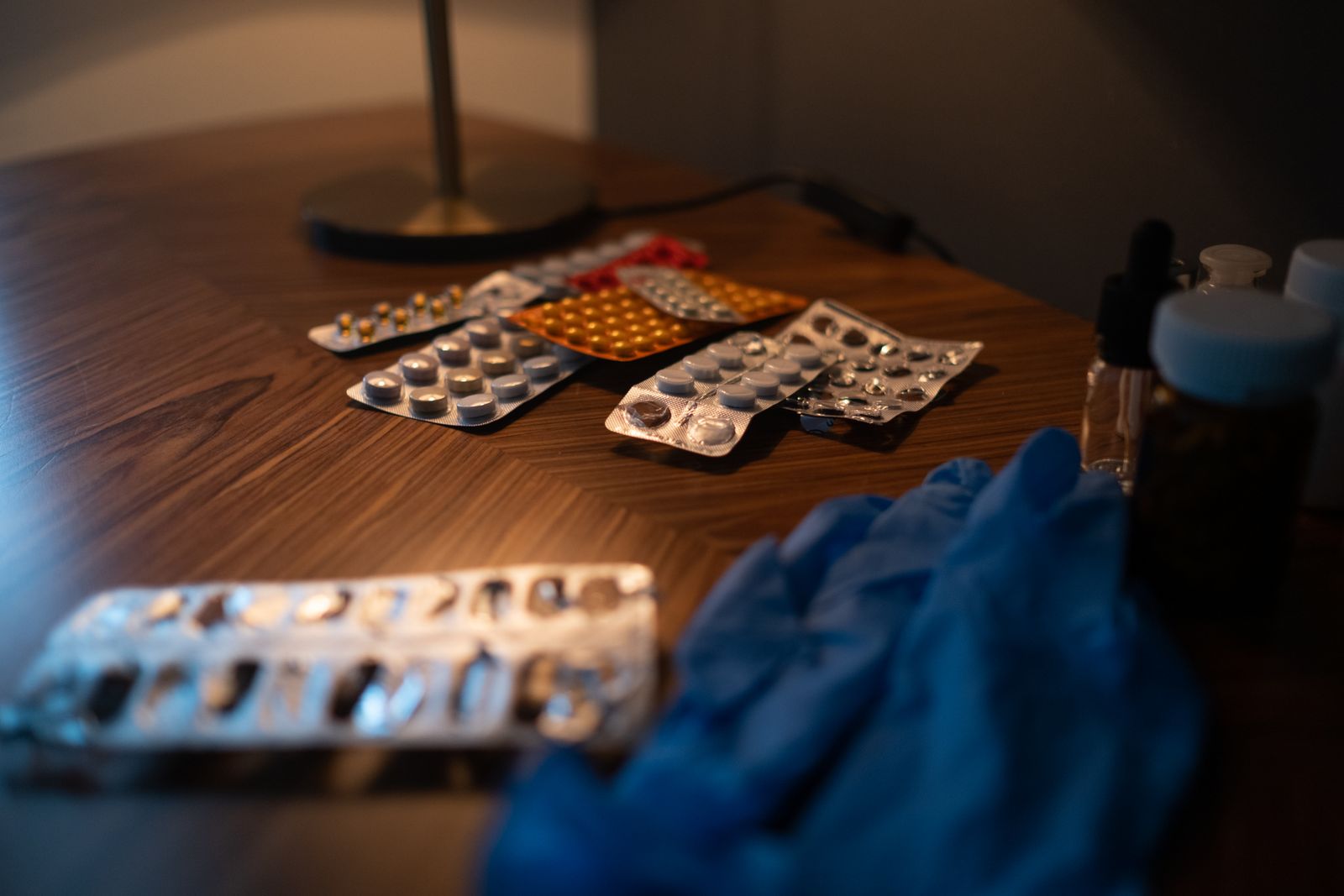
Two drugs do the job, and both are prescribed by weight. CAPC lists praziquantel at 5 mg/kg, given by mouth or by injection, and epsiprantel at 5.5 mg/kg for dogs and 2.75 mg/kg for cats. The worm is killed and then digested, so in most cases you see nothing come out. People take that silence as failure and dose again, which is the wrong move.
The non negotiable second half is flea control. CAPC is explicit that treatment must be combined with appropriate flea control, and that without it reinfection is likely. Every pet in the house needs it, not only the one shedding segments, and it needs to carry on through winter. Our guide on how to get rid of fleas on dogs goes through the household side, which is where most repeat infections come from.
The part page one leaves out: the drug can fail
Search for tapeworms in dogs and the top result is a long, careful article from a major kennel club that does not mention treatment failure once. That gap matters, because failure has been documented three separate times in the veterinary literature.
Between 2016 and 2018, researchers in the United States identified dogs whose tapeworm infections could not be eliminated despite repeated treatment. Writing in the American Journal of Tropical Medicine and Hygiene, Chelladurai and colleagues reported that the infections were clinically resistant to praziquantel and could not be resolved despite increasing the dose, the frequency and the duration. They cleared only after nitroscanate or a compounded pyrantel, praziquantel and oxantel product.
In 2022 a single case report described another probable resistant infection cleared with nitroscanate. Then in 2024 the first apparent European case appeared in the journal Parasitology. A ten month old dog imported into Switzerland from a shelter in Spain kept shedding segments through three separate praziquantel courses, all at doses above the label, then through epsiprantel, then through fenbendazole. Mebendazole at 86.2 mg/kg for five days finally stopped it, with shedding ending on the second day and the dog staying clear for ten months of follow up. Fleas had already been ruled out.
CAPC now includes the fallback in its own guidance. Refractory infections may be treated off label with nitazoxanide at 100 mg/kg or nitroscanate at 50 mg/kg, and praziquantel itself can be used off label at 20 to 25 mg/kg on two consecutive days. Cornell’s Riney Canine Health Center adds a practical note for American owners: nitroscanate is not approved in the United States and is not available there, so nitazoxanide is the realistic extra label option.
Read those doses as a reason to go back to the vet, not as instructions. They are vet decisions, several times the labelled amount, and the dog in the Swiss case got there after months of monitoring.
How to tell a failure from a reinfection
Reinfection is far more common than resistance, and the two look identical from the sofa. Segments come back, and you cannot tell whether the drug missed or a new flea arrived.
The honest test is your flea control, not the worm. If every pet in the house is on a proper flea product, the product is given on time, and the home has been treated, then segments returning within two or three weeks is worth raising directly with your vet. If any of those three is shaky, start there, because that is the answer in most households. Keep a note of the dates. A timeline is the single most useful thing you can bring to that appointment.
Can people catch it
Yes, although it is uncommon and mild. A person has to swallow an infected flea, which is why the cases that do get reported are nearly always young children. CAPC describes infection in children as occasionally reported, and the illness itself as generally mild, confined to the gut and readily treated, while still being distressing for the family.
The practical version: you cannot catch this from a segment on the carpet, and you cannot catch it from your dog licking you. You catch it from a flea. Controlling fleas protects the children in the house as much as the dog.
What to do this week
- Collect the evidence. Put a segment in a sealed bag or take a clear photo. Faecal tests miss this worm often, because the eggs travel sealed inside segments rather than loose in the stool, so what you found is better evidence than the lab result.
- Get the right dose. Praziquantel or epsiprantel, by weight, from your vet. Weigh the dog rather than guessing.
- Treat every pet in the house. Cats included, indoor cats included.
- Start flea control properly and keep it going. On every animal, all year, plus the bedding and the carpets. If your dog is outdoors in long grass, the same walk brings ticks, and removing a tick properly is worth knowing before you need it.
- Recheck at three weeks. No segments and solid flea control means you are done.
- If segments return while flea control is genuinely tight, go back and ask about resistance and the off label options. Bring your dates.
Frequently asked questions
Can I treat tapeworm in dogs without going to the vet?
Praziquantel is sold over the counter in some countries, so it is possible, and it is also how most people get the dose wrong. The drug is given by body weight, the flea side of the problem needs handling at the same time, and if the segments come back you need someone who can prescribe the alternatives. For a first, straightforward case in a healthy adult dog, an accurately dosed product works. For a puppy, a pregnant dog, a sick dog or a repeat case, see the vet.
Do pumpkin seeds get rid of tapeworms in dogs?
There is no published evidence that they do. The claim comes from cucurbitacin, a compound in the seeds, but no trial has shown it clears Dipylidium caninum in dogs, and no veterinary guideline recommends it. Pumpkin seeds are safe to feed in small amounts. They are just not a treatment.
My dog has tapeworm but I have never seen a flea. How?
That is the usual situation rather than the odd one. A dog only has to swallow one infected flea while grooming, and grooming is also how dogs remove fleas, so the flea disappears along with the evidence. Segments are reliable proof of flea exposure even when you never saw a flea.
How long after treatment do the segments stop?
Usually within a day or two. The worm is killed and digested, so you often see nothing pass at all. Segments that are still appearing after about three weeks mean either a new infection from a new flea or, much more rarely, a treatment that did not work.
Can my cat get it from my dog?
Not directly. Cats get the same worm the same way, by swallowing an infected flea, and the cat flea is the main carrier for both species. If one pet in the house has it, the others have been exposed to the same fleas, which is why everyone gets treated together.
The honest summary
Tapeworm is one of the few parasites where finding it yourself is a reliable diagnosis, the treatment is cheap and effective, and the real work is somewhere else entirely. Clear the worm with the drug that has evidence behind it, then spend your energy on fleas, because the fleas are what brought it and the fleas are what will bring it back.
And if you have done all that properly and the rice grains keep appearing, you are not imagining it and you are not failing at flea control. Resistant cases exist, they are documented, and your vet has options beyond the first tablet.
This guide is general information, not veterinary advice. Doses are included because they are published in veterinary guidance, not as instructions to follow at home. Your vet knows your dog, its weight, its other medicines and its history. Always speak to them before treating.