

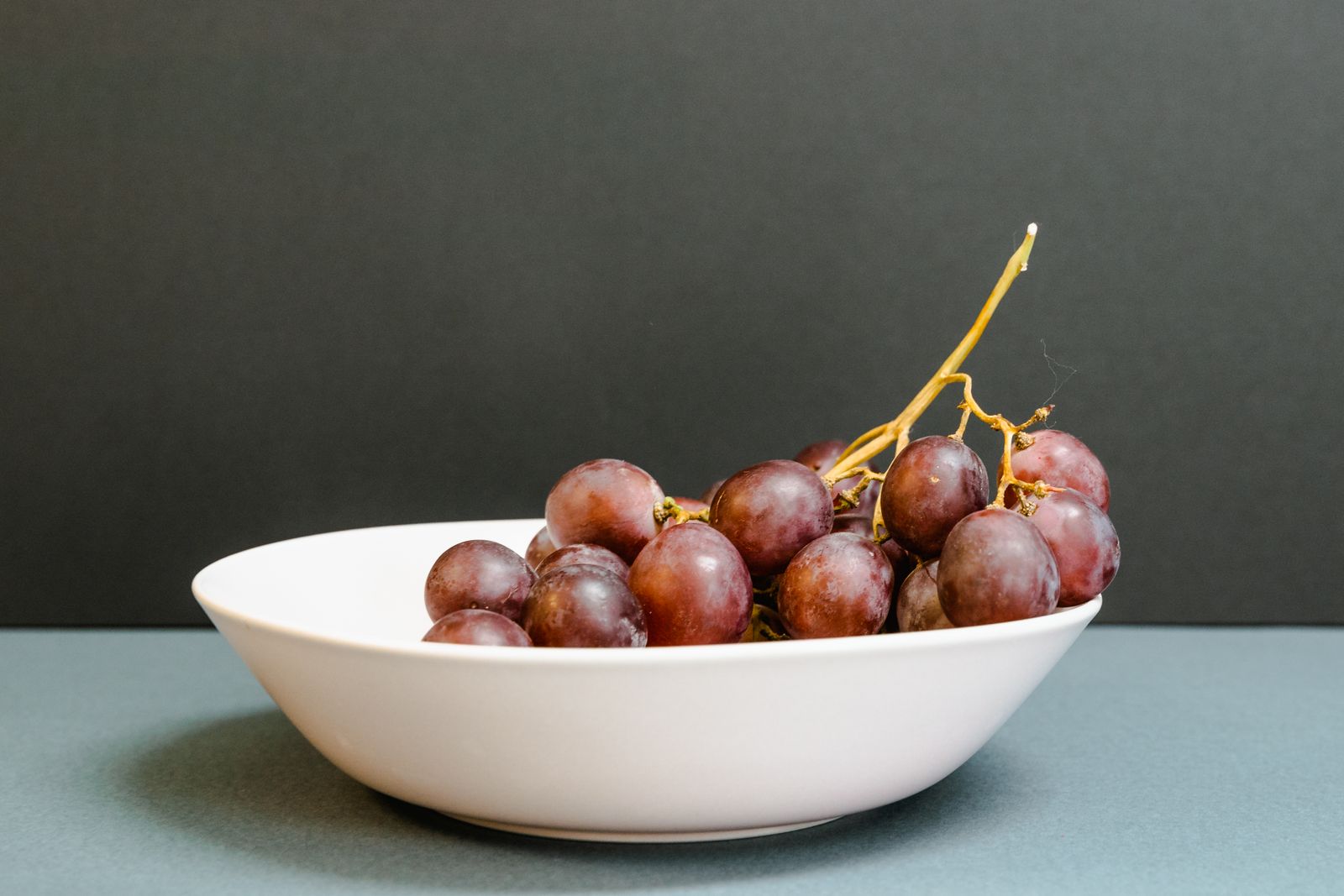
Can dogs eat grapes? No, and this is one of the few food questions where the answer is an absolute. Grapes, raisins, sultanas and currants are toxic to dogs and can cause sudden, sometimes fatal kidney failure. There is no known safe amount, the reaction is unpredictable, and a dog that shrugged off a grape last year may become seriously ill from one today.
This article explains why grapes are so dangerous, how many grapes are toxic to dogs, the symptoms of grape poisoning, exactly what to do if your dog ate grapes, and which fruits you can safely share instead.
Why Are Grapes Toxic to Dogs?
For decades vets knew grapes caused acute kidney injury in dogs without knowing why. In 2021, toxicologists at the ASPCA Animal Poison Control Center identified the likely culprit: tartaric acid (and its salt, potassium bitartrate), which occurs naturally in grapes in high and highly variable amounts. Dogs are unusually sensitive to it, and it damages the cells of the kidney tubules.
Because the amount of tartaric acid varies wildly between grape varieties, ripeness and growing conditions, one bunch may be relatively low-risk and another dangerously high. That is why there is no safe dose.
Everything made from grapes carries the same risk:
- Fresh grapes: red, green, black, seeded or seedless
- Raisins, sultanas and currants (dried grapes are more concentrated, so even more dangerous by weight)
- Grape juice and grape jelly or jam
- Foods containing raisins: fruit cake, mince pies, hot cross buns, trail mix, granola, oatmeal cookies, some cereals and bread
Wine is unlikely to be offered to a dog, but it is also grape-based and doubly dangerous because of the alcohol.

How Many Grapes Are Toxic to Dogs?
There is no established toxic dose. Cases of kidney failure have been reported after as few as 4 or 5 grapes in a 9 kg (20 lb) dog, and after a single small box of raisins. Other dogs have eaten a whole bunch with no apparent effect. Because you cannot predict which group your dog falls into, vets treat any grape or raisin ingestion as an emergency.
Smaller dogs and puppies are at greater risk simply because the dose per kilogram of body weight is higher. But large dogs are not immune. Labradors and Golden Retrievers, who eat first and think later, are frequently among the cases seen by poison control.
Symptoms of Grape Poisoning in Dogs
Signs usually appear within 6 to 12 hours of eating grapes, though vomiting can begin sooner. Watch for:
- Vomiting: often the first sign; you may see grape or raisin pieces
- Diarrhoea
- Loss of appetite
- Lethargy, weakness or unusual quietness
- Abdominal pain: hunched posture, reluctance to be touched
- Dehydration: dry gums, panting, sunken eyes
- Increased thirst and urination at first…
- …then decreased or no urination (24 to 72 hours later), the hallmark of kidney failure
- Bad breath with an ammonia smell, tremors or seizures in advanced cases
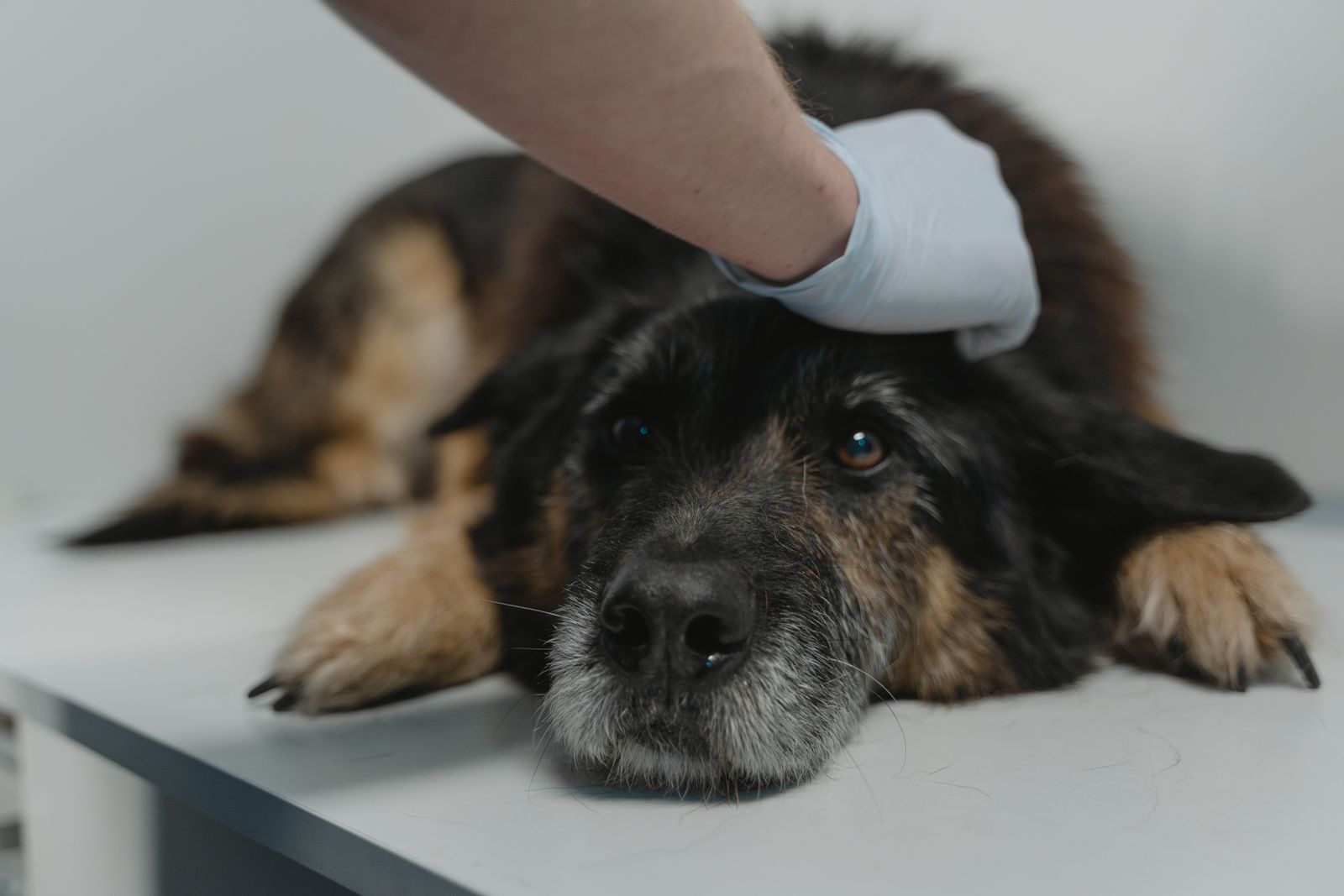
Once a dog stops producing urine, the outlook is poor. This is why early treatment, before symptoms appear, makes such a difference.
What to Do If Your Dog Ate Grapes
1. Act immediately, don’t wait for symptoms
Call your vet, an emergency animal hospital, or a pet poison helpline (in the US: ASPCA Animal Poison Control 888-426-4435 or Pet Poison Helpline 855-764-7661; in the UK: Animal PoisonLine 01202 509000). Have your dog’s weight and an estimate of how many grapes or raisins were eaten, and when, ready.
2. Do not induce vomiting at home unless a vet tells you to
Making a dog vomit incorrectly can cause aspiration pneumonia. Your vet may advise it if the grapes were eaten within the last hour or two, and will tell you exactly how.
3. Expect decontamination and fluids
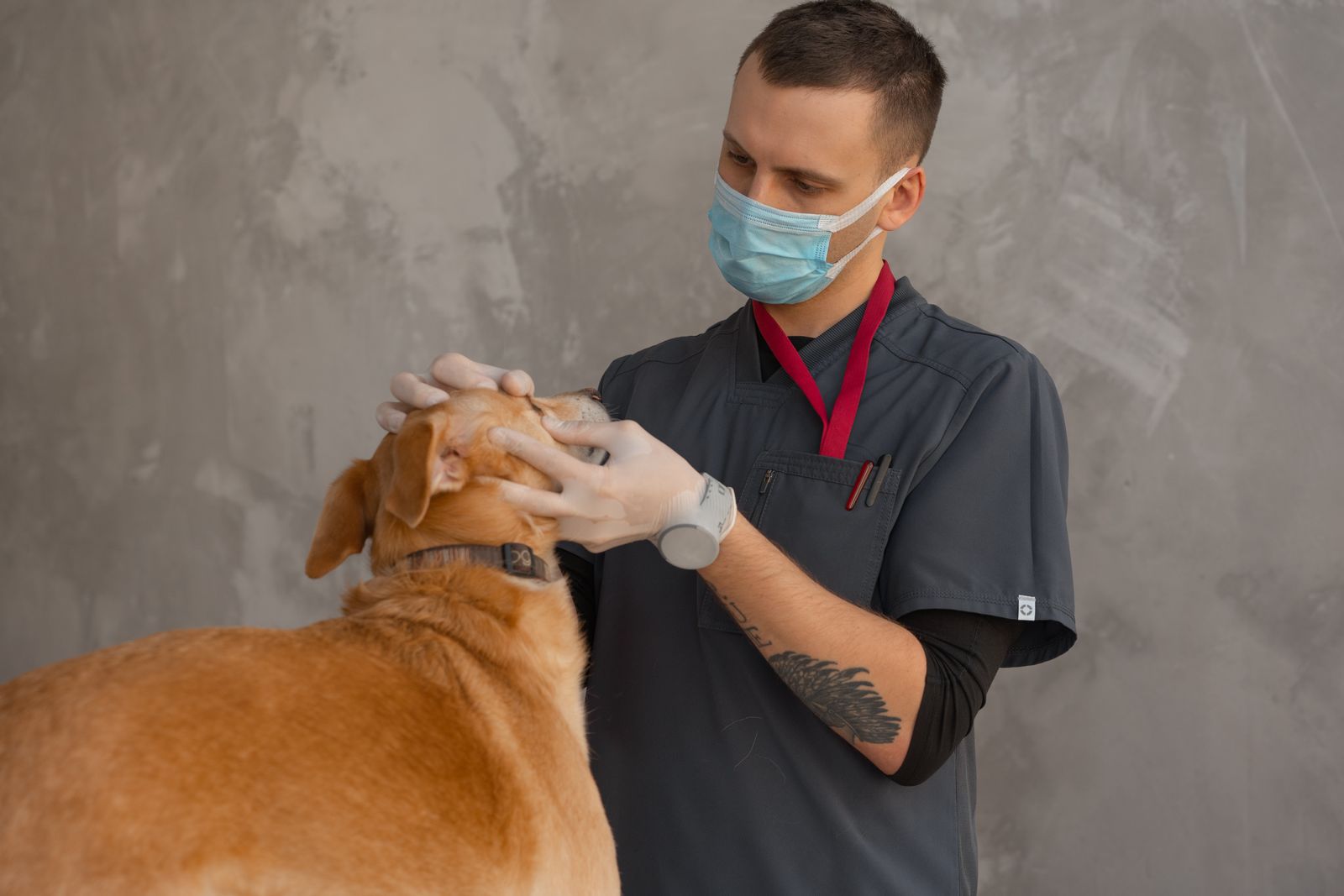
At the clinic the vet will typically induce vomiting, give activated charcoal to bind remaining toxin, and start intravenous fluids for 48 hours to flush the kidneys and keep urine flowing. Blood tests check kidney values (creatinine, BUN, phosphorus) on arrival and again over the following 2 to 3 days.
4. Follow-up matters
Kidney damage can be delayed. Even if your dog seems fine, follow the vet’s advice on repeat blood tests.
Dogs treated within a few hours of eating grapes have an excellent prognosis. Dogs that arrive after kidney failure has developed may need days of intensive care, and some do not recover.
Can Dogs Eat Raisins?
No. Raisins are dried grapes, so the toxin is concentrated, a handful of raisins is roughly equivalent to a much larger quantity of fresh grapes. Raisin poisoning peaks around Christmas and Easter thanks to fruit cake, Christmas pudding, mince pies and hot cross buns. Keep these well out of reach and warn guests not to share.
Can Dogs Eat Grape Juice or Grape Jelly?
Avoid both. Juice and jelly contain the same compounds and are often loaded with sugar. Some “grape-flavoured” products contain no real grape at all, but check the label, and remember that sugar-free versions may contain xylitol, which is also highly toxic to dogs.
Safe Fruits Dogs CAN Eat
Plenty of fruits make healthy, low-calorie treats when served in moderation (treats should be no more than 10% of daily calories):
- Blueberries: antioxidant-rich and perfectly bite-sized
- Apple slices: remove the core and seeds
- Banana: in small amounts (high in sugar)
- Watermelon: seedless, rind removed
- Strawberries: hulled and chopped
- Cantaloupe melon: rind removed
- Pear: core and seeds removed
- Pumpkin: plain, cooked; great for digestion
Other foods that are toxic to dogs
While you’re dog-proofing the kitchen, remember these are also dangerous: chocolate, xylitol (in sugar-free gum and some peanut butters), onions, garlic, chives, macadamia nuts, avocado, alcohol, caffeine, cooked bones and raw yeast dough.
Frequently Asked Questions
My dog ate one grape. Should I worry?
Yes, take it seriously. One grape is unlikely to harm a large dog, but it can affect a small dog or puppy, and there is no way to know in advance. Call your vet for advice. They may recommend inducing vomiting as a precaution.
How long after eating grapes will a dog get sick?
Vomiting often starts within a few hours; signs of kidney injury appear within 24 to 72 hours.
Can dogs eat seedless grapes?
No. The toxin is in the flesh of the grape, not the seeds, so seedless grapes are just as dangerous.
Are grapes toxic to cats too?
Grape toxicity is best documented in dogs, but there are reports in cats and ferrets. Don’t feed grapes or raisins to any pet.
Can dogs eat peeled grapes?
No. Peeling makes no difference. The toxic compounds are in the pulp.
Final Thoughts
So, can dogs eat grapes? Never. Treat grapes and raisins the way you would treat chocolate. Keep them out of reach, warn the family, and if your dog gets hold of some, call the vet straight away rather than waiting to see what happens. Quick action almost always means a full recovery. For more on keeping your dog healthy for the long term, read our guide on how long dogs live and how to extend it. The other kidney poison worth knowing about is antifreeze, which acts far faster than grapes do.