
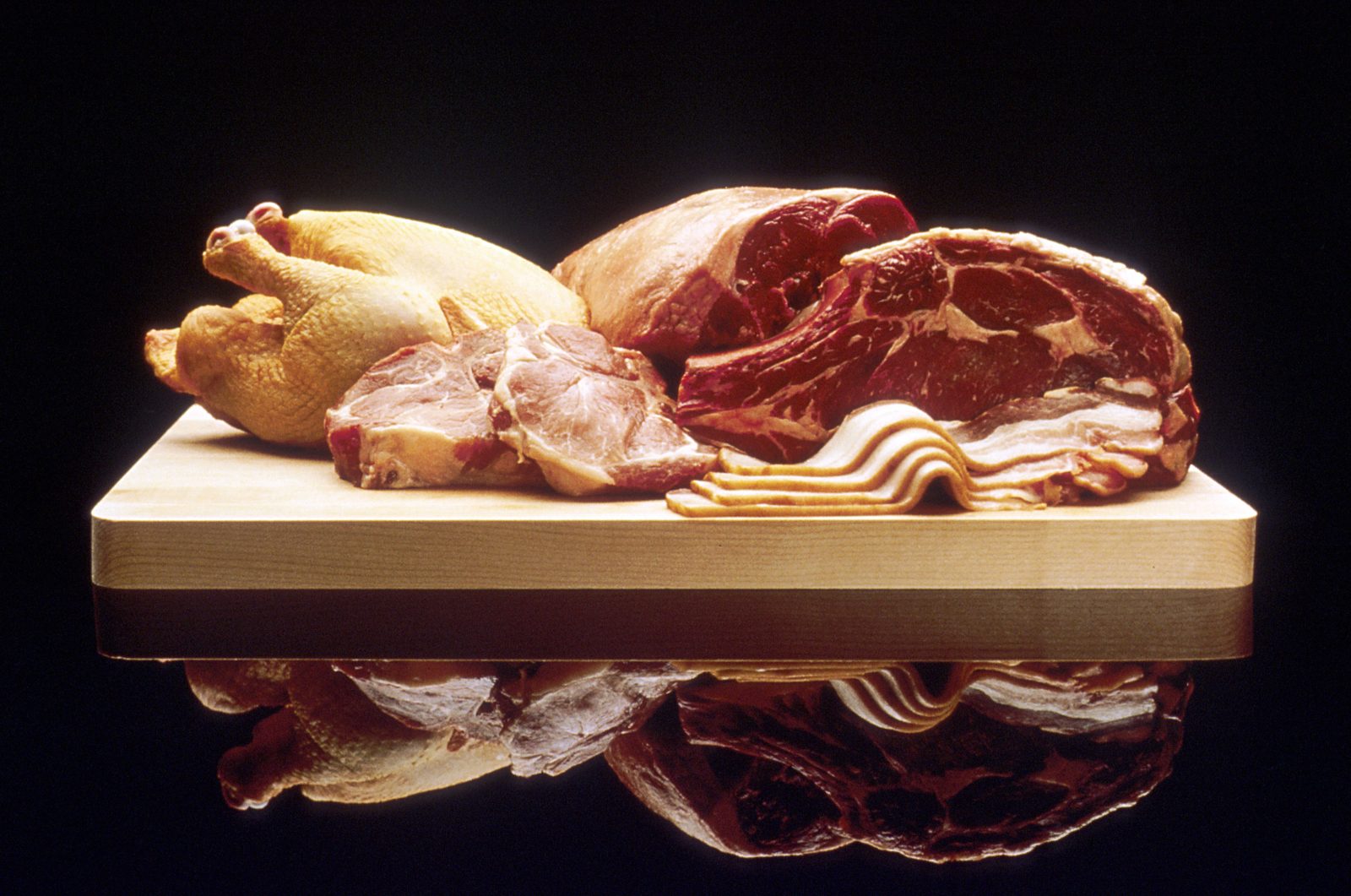
The short answer: raw pet food carries a far higher chance of carrying Salmonella or Listeria than any other kind of pet food, and the FDA has the sampling data to show it. The bigger surprise for most owners is who gets ill. The clearest documented risk is not to the pet, it is to the people in the kitchen.
What the FDA actually found when it tested
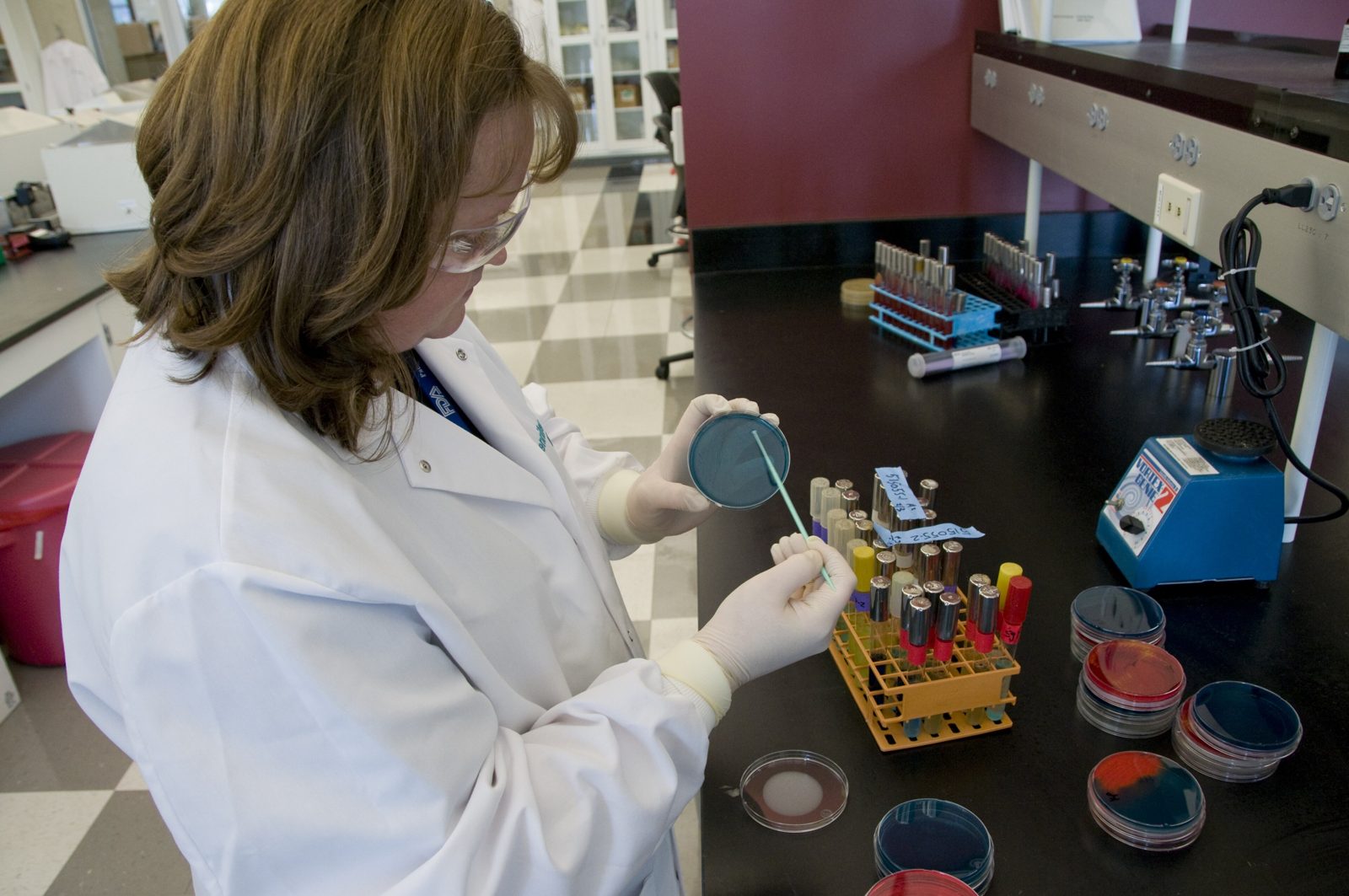
This is the part that rarely makes it into a recall notice. Between October 2010 and July 2012 the FDA’s Center for Veterinary Medicine screened over 1,000 samples of pet food. In the second year it added 196 samples of commercially available raw dog and cat food. The results are published on the FDA’s own site and the gap is not subtle.
- Raw pet food, 196 samples: 15 positive for Salmonella, 32 positive for Listeria monocytogenes
- Dry dog and cat food, 240 samples: 1 positive for Salmonella, none for Listeria
- Jerky type treats, 190 samples: none for either
- Semi moist dog and cat food, 240 samples: none for either
- Dry exotic pet food, 190 samples: none for either
Put plainly, roughly one in four raw samples carried one of the two organisms. Across nearly 900 samples of everything else, there was a single positive. That is not a rounding difference, it is a different category of product.
The risk lands on your household, not just your pet
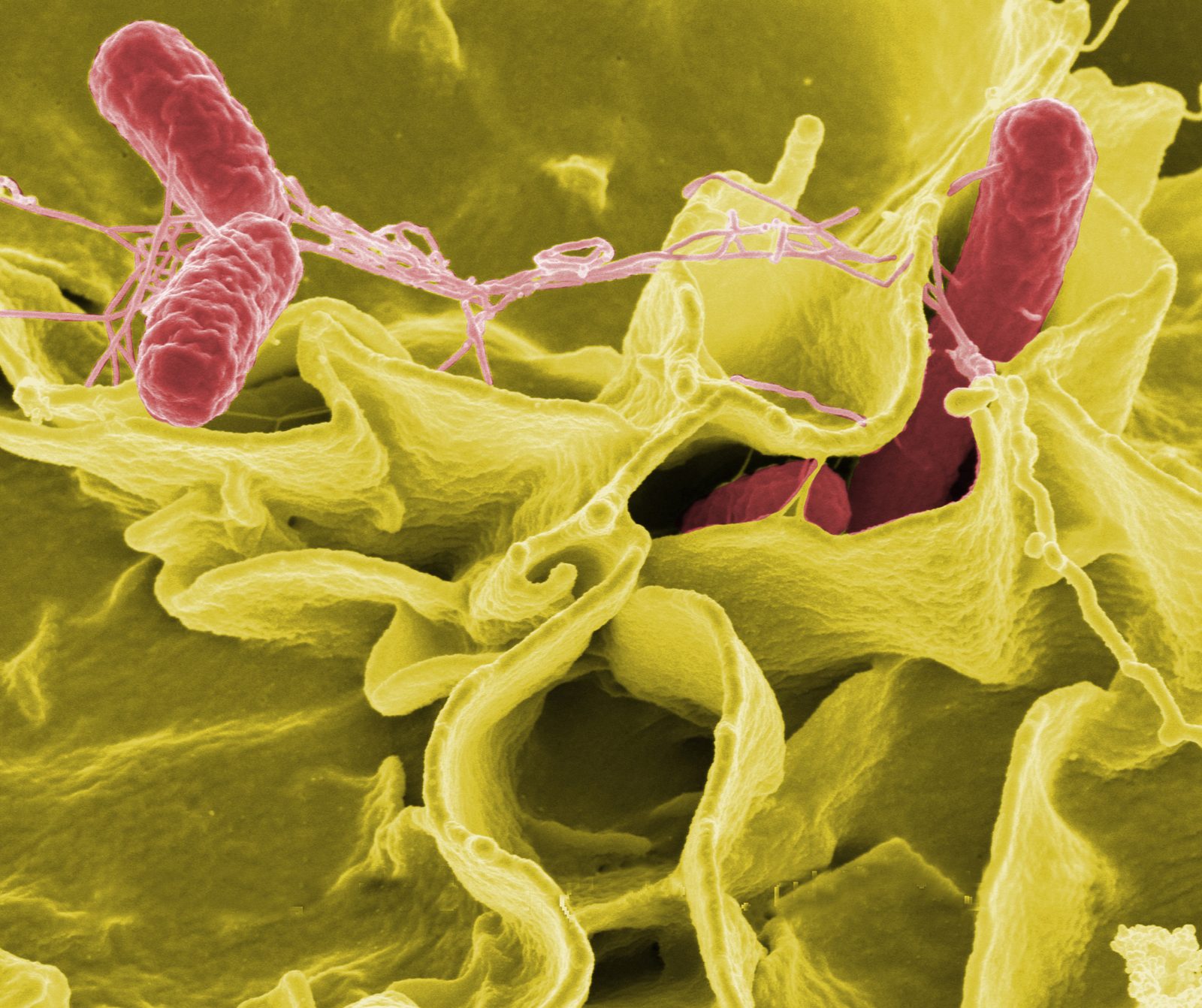
Here is the bit that genuinely surprises people. A healthy adult dog can shed Salmonella in its stool while looking completely fine. The animal is not the patient. The patient is whoever touches the bowl, the worktop, the fridge shelf, or the dog’s face afterwards.
The FDA and the CDC both make the same point: contaminated raw pet food can sicken the people handling it, through hands, surfaces, bowls and the pet itself. Young children, adults over 65, pregnant women and anyone with a weakened immune system carry the most risk.
So the honest way to think about a raw diet is not “will my dog cope with this”. It is “am I prepared to run a small raw meat processing operation in my kitchen, every day, without slipping”. If there is a baby crawling on that floor, the question answers itself.
Bird flu changed the maths for cats
Until recently this was a bacteria conversation. Then H5N1 arrived in the pet food supply.
At the end of December 2024, Los Angeles County’s public health department advised residents not to feed their pets Monarch Raw Pet Food sold at several California farmers markets. One house cat in the county was confirmed infected with H5N1 and four other cats in the same home were presumed positive. Separately, an Oregon house cat died after eating Northwest Naturals Feline Turkey Recipe, a frozen raw product that tested positive for the virus and was distributed across thirteen states and British Columbia.
Dr Michael Q. Bailey, then president elect of the American Veterinary Medical Association, put it bluntly to CBS News: raw milk and raw meat products can be and are a vector for carrying the virus.
The FDA has since told manufacturers that H5N1 counts as a known or reasonably foreseeable hazard when they use uncooked or unpasteurised material from poultry or cattle, which means it has to be written into their food safety plans. Cats are unusually susceptible, and in them the illness can move fast: fever, lethargy, heavy discharge from the eyes and nose, breathing trouble, then neurological signs.
Why the recalls keep coming
2026 has not been quiet. Northwest Naturals, Viva Raw and Raaw Energy have all pulled product over Salmonella or Listeria, and Go Raw expanded a recall to cover a lot of Steve’s Real Food freeze dried chicken over low thiamine, which is a different failure mode entirely and one we have written about before.
The pattern is structural rather than bad luck. Cooking is a kill step. Take it out and nothing downstream reliably replaces it, so the safety of the finished product depends entirely on the raw material and the handling, every single batch, forever. Freezing does not fix this. Freezing stops bacteria multiplying, it does not kill what is already there.
But cats eat raw prey, surely that settles it
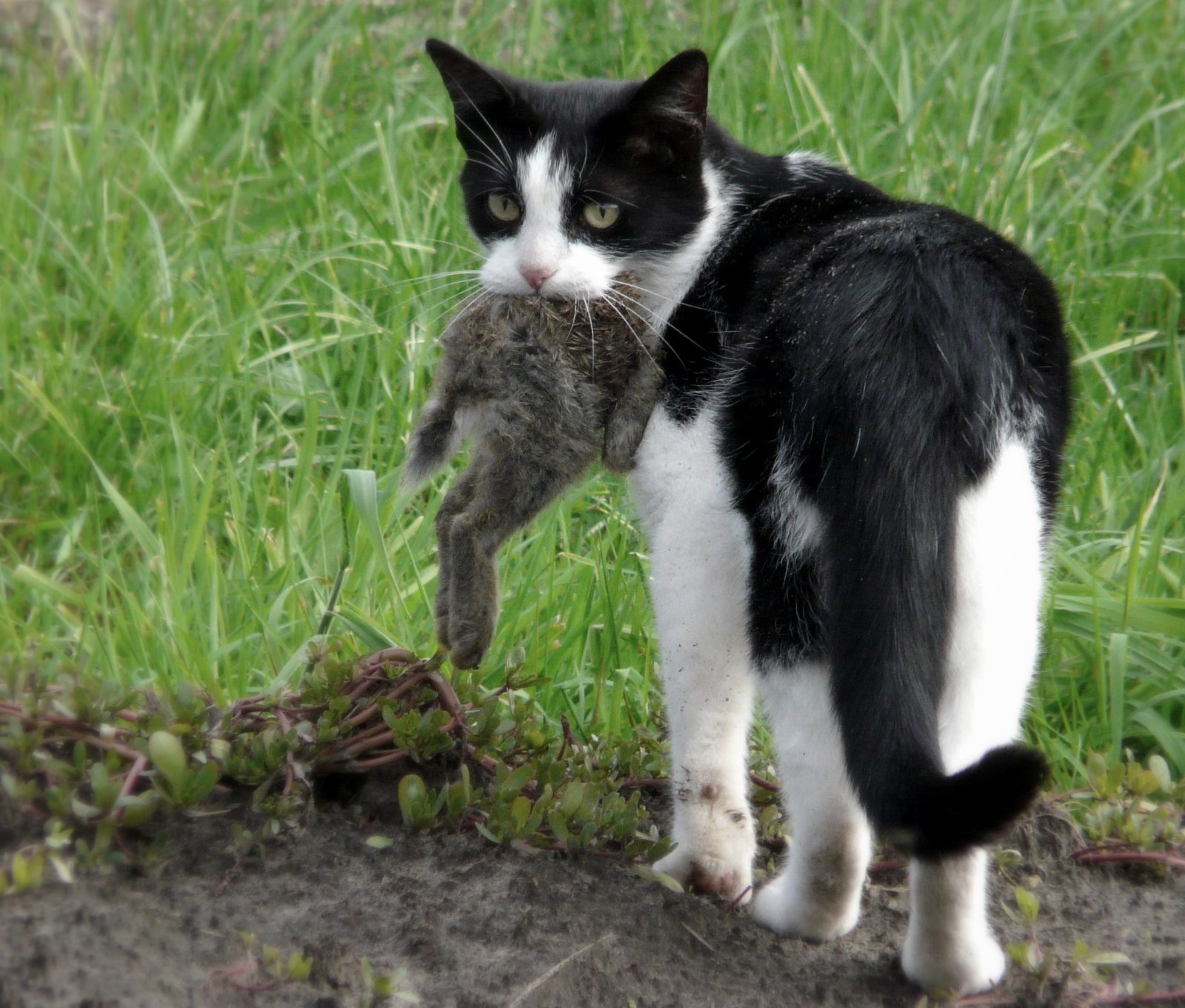
It is a fair argument and it deserves a real answer rather than an eye roll. Cats do eat raw prey, and they are built for it.
The gap is in what happens between the animal and the bowl. A rabbit caught in the garden is eaten within minutes, by one cat, outdoors. Commercial raw is slaughtered somewhere else, ground, mixed with other carcasses, packed, frozen, shipped, thawed in your kitchen and served next to where you make toast. Each of those steps is a chance for contamination to enter and spread, and grinding in particular takes anything on the surface and distributes it right through the batch.
Owners choose raw for reasons that are easy to understand: better coats, smaller stools, a sense that it is closer to what the animal evolved to eat. Some of that is real and visible. The point is not that those owners are foolish. It is that the food safety risk is measurable and documented, while the health benefits remain largely anecdotal, and that is an uncomfortable trade rather than an obvious win.
If you are going to feed raw anyway
Plenty of people will read all of the above and carry on, and that is their call to make. The FDA’s own handling guidance is worth following properly rather than approximately:
- Wash your hands for a full twenty seconds after any contact with the food, the bowl or the packaging.
- Clean and disinfect every surface it touched, hot soapy water first, then a disinfectant. Wiping is not disinfecting.
- Thaw in the fridge or the microwave, never on the worktop.
- Do not rinse raw meat. Rinsing sprays bacteria around the sink rather than removing them.
- Keep it physically separate from human food, with its own board and utensils.
- Refrigerate what the pet does not finish straight away, and do not leave a bowl down all day.
- Avoid letting a pet lick your face after a raw meal, and keep them off food preparation surfaces.
If anyone in the house is pregnant, under five, over sixty five or immunocompromised, this is the point to talk to your vet about whether a cooked or commercially sterilised alternative gets you most of what you wanted with far less exposure. Portion control matters just as much on raw as on anything else, and our guide to how much to feed a cat still applies.
Frequently asked questions
Does freezing raw pet food kill Salmonella?
No. Freezing halts bacterial growth but does not reliably kill Salmonella or Listeria. Both can survive freezing and become active again once the food thaws, which is why a frozen product can still test positive.
Can my dog get sick from raw food, or only people?
Both. Many dogs carry Salmonella without obvious illness, which is part of the problem, but dogs and cats can become genuinely unwell with vomiting, diarrhoea, fever and lethargy. Cats are also unusually vulnerable to H5N1 through raw poultry.
Is freeze dried or air dried raw any safer?
Not automatically. Drying removes moisture rather than applying a kill step, and freeze dried raw products appear in recalls alongside frozen ones. Check whether the manufacturer applies a validated pathogen treatment, and treat the answer “we test batches” as weaker than “we apply a kill step”.
What should I do if my pet ate a recalled product?
Stop feeding it, keep the packaging with the lot number, wash and disinfect anything it touched, and ring your vet for advice even if your pet seems fine. Watch for vomiting, diarrhoea, fever or lethargy, and take special care if anyone in the household is in a higher risk group.
Where can I check current recalls?
The FDA maintains a running list of pet food recalls, withdrawals and safety alerts, and it is the primary source that news coverage is drawn from. Check the lot numbers rather than the brand alone, because recalls are usually limited to specific batches.
The honest summary
Raw feeding is not a fringe choice and the people who do it are not careless. But the sampling data is what it is: roughly a quarter of raw samples positive, against one positive in nearly nine hundred samples of everything else. The hazard is real, it is mostly aimed at the humans in the house, and it does not go away with a better brand. It only gets smaller with handling discipline that has to hold every single day.
Household chemicals follow the same logic, and the one that kills fastest is antifreeze. Keeping an animal safe is mostly a series of small, boring routines that nobody notices when they work.
This article is general information, not veterinary advice. Talk to your vet about what suits your pet and your household, and contact them straight away if you think your pet is unwell.
Contamination is not only a bacterial question either. A separate 2026 analysis found heavy metals in almost every cat food it tested, and the number is far less alarming than it sounds once you look at what was measured. We went through it in heavy metals in cat food.