

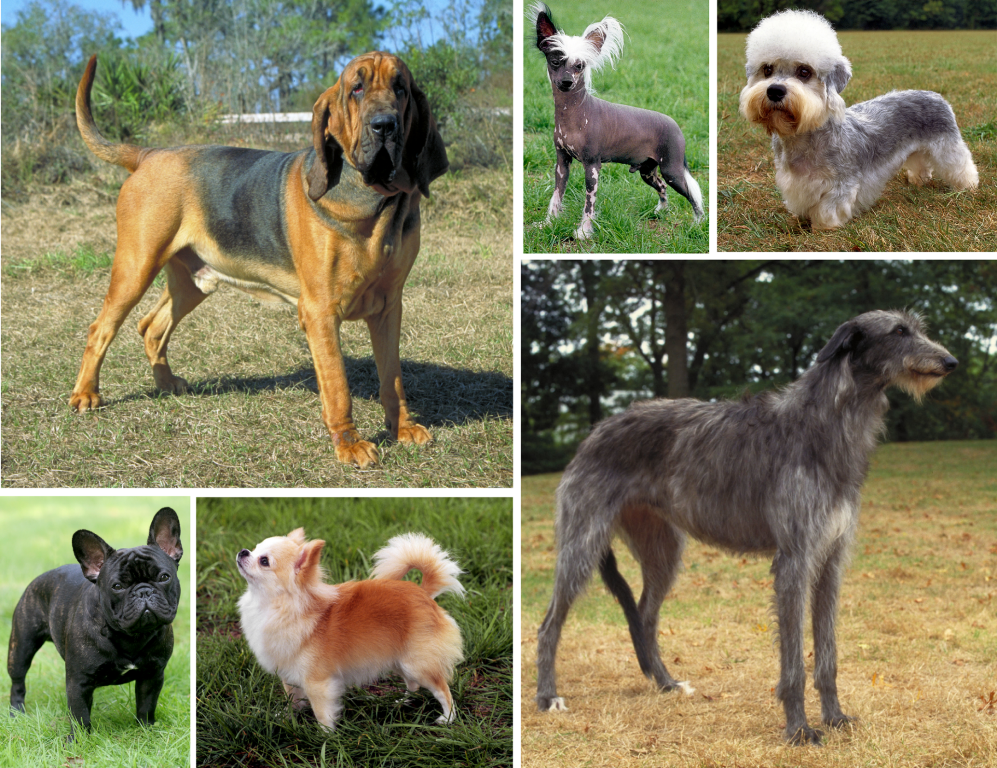
Search for the most aggressive dog breeds and you will find list after list, all confident, most of them naming the same half dozen dogs. Search for the best family breed and you get the same thing in reverse.
The largest study ever done on dog behaviour looked at this directly, and the answer it came back with is awkward for every one of those lists: breed tells you far less about an individual dog than people assume.
What the biggest study actually found
In 2022 a team published a paper in Science called “Ancestry inclusive dog genomics challenges popular breed stereotypes”. They surveyed the owners of 18,385 dogs, purebred and mixed, and genotyped 2,155 of them.
The headline number: breed accounts for roughly 9% of the behavioural variation between individual dogs.
Nine percent. Which means that if you line up a hundred dogs and ask why one is bolder, calmer or more easily startled than another, breed explains about a tenth of the answer. Everything else is the individual animal, how it was raised, what happened to it, and chance.
Worth being precise, because a lot of the coverage of this paper overstated it. The study did not find that genetics is irrelevant. Most of the behavioural traits it measured were meaningfully heritable, with heritability above 25%. Genes matter. What the study undercuts is the breed label as a shortcut for predicting an individual dog.

The part that matters for the aggression lists
The researchers broke behaviour into separate factors rather than treating it as one lump, and breed predicted some far better than others.
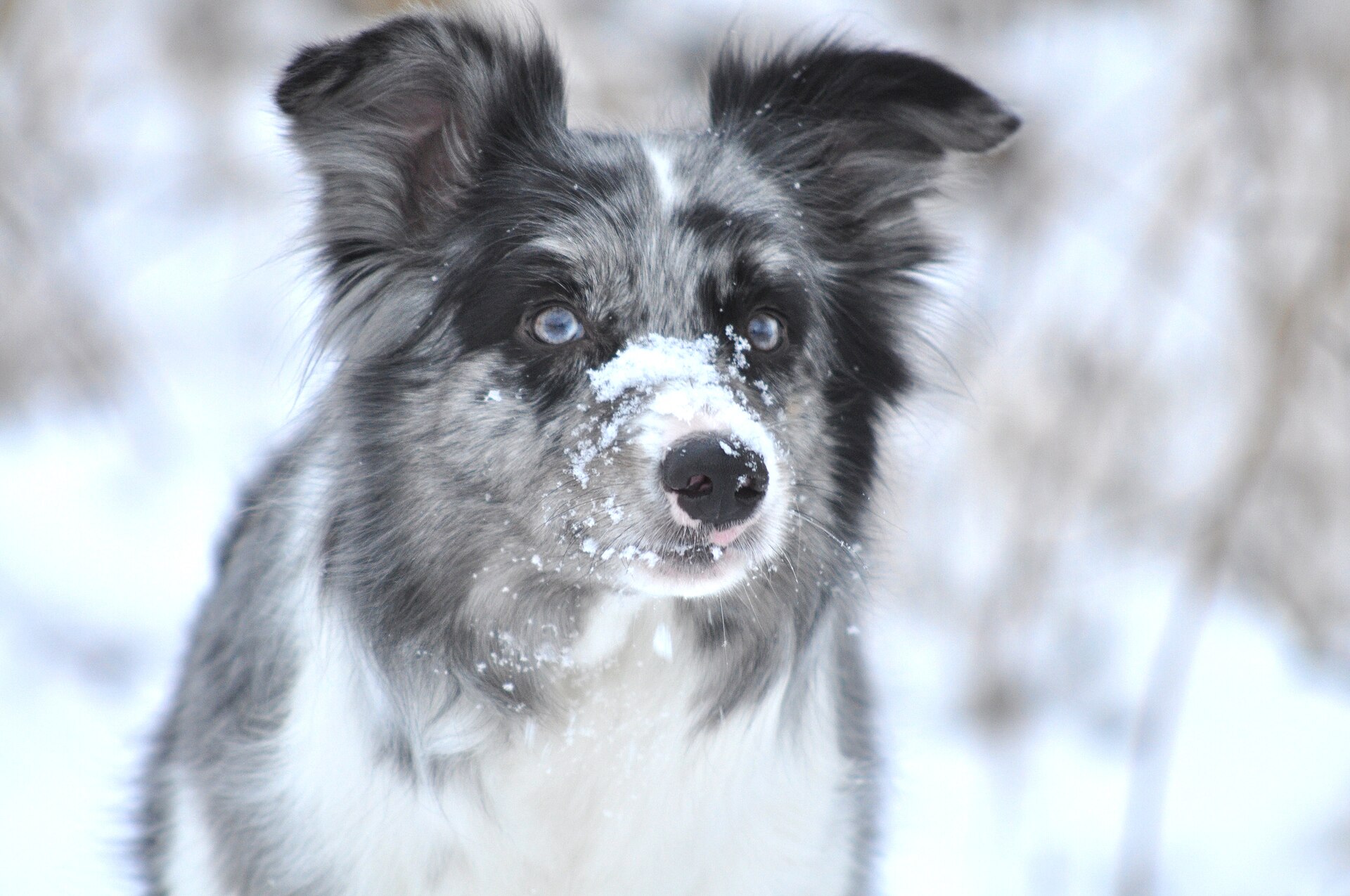
Biddability, meaning how readily a dog responds to human direction, was one of the better ones. Knowing a dog’s breed ancestry does make that somewhat more predictable, which will surprise nobody who has met a Border Collie.
And then there is agonistic threshold: how easily a dog is provoked, by a stranger, a noise, a sudden approach. This is the trait sitting underneath every aggressive breeds list ever written.
For that trait, breed was nearly uninformative.
That is the finding worth sitting with. The single behaviour those lists exist to predict is the one breed predicted worst.
Why breeds look so different but behave so similarly
It seems contradictory. A Chihuahua and a Great Dane could not look less alike, so why would their behaviour not differ just as sharply?
The authors’ answer is about timing. The behaviours we think of as doglike, the herding, the retrieving, the guarding, came from thousands of years of selection that happened before modern breeds existed. Breeds as we know them are mostly a Victorian invention, a couple of hundred years old, and what they were selected for hardest was appearance.
So we spent two centuries breeding dogs to look distinctive and comparatively little time breeding them to behave distinctively. The visible differences are dramatic and recent. The behavioural ones are older, shared, and spread across all of them.
What this does not mean
This is where it would be easy to overcorrect, so three things the study does not say.
It does not say all dogs are the same. Dogs differ enormously. It says breed is a weak guide to which dog is which.
It does not say size and strength do not matter. Breed predicts physical capability very well indeed, and that is not a behavioural question. A frightened Chihuahua and a frightened mastiff may be equally likely to bite. They are not equally capable of causing harm, and anyone choosing a dog should think honestly about that.
It does not say breed is useless. Coat type, exercise need, grooming, likely size, common health problems, these are all far more predictable from breed than temperament is. If you want to know whether a dog will need two hours of exercise a day or shed on everything you own, breed is genuinely informative.
So how should you actually choose a dog?
Use breed for the things it predicts well, and meet the individual for the things it does not.
- Use breed to predict the practical stuff. Adult size, coat and grooming, exercise needs, and the health problems that run in that line. Ask a breeder directly what the line is screened for.
- Meet the actual dog, more than once if you can. For temperament, ten minutes with the animal in front of you beats any amount of reading about its breed.
- Ask about the parents and the early weeks. Early socialisation between roughly three and sixteen weeks shapes an enormous amount, and it is already happening before you collect a puppy.
- Be honest about strength, not just temperament. Match the dog’s physical capability to who lives in your house and who will be holding the lead.
- Do not rule out a mixed breed on predictability grounds. The study’s whole point is that purebred does not buy you nearly as much behavioural certainty as the price tag implies.
A note on the limits of this research
It would be inconsistent to use one study to knock down the breed lists and then treat that study as beyond question, so here are its weaknesses.
The behavioural data came from owner surveys, not from researchers observing dogs directly. Owners are not neutral about their own dogs, and someone who bought a breed because of its reputation may unconsciously report behaviour that fits. The genotyped sample, 2,155 dogs, is large for this kind of work but small against the world’s dog population. And 9% is an average across the whole dataset, which means some traits and some breeds sit above it.
None of that overturns the finding. It does mean the honest summary is “breed is a much weaker predictor than the lists claim”, not “breed means nothing”.
Frequently asked questions
Which dog breed is the most aggressive?
The research does not support naming one. In the largest study of dog behaviour to date, agonistic threshold, the trait that captures how easily a dog is provoked, was the behaviour breed predicted worst of all. Breeds that appear on these lists tend to be common, large and strong, which affects how much damage a bite does rather than how likely a bite is.
So does breed matter at all?
Yes, for different things than people expect. Breed predicts adult size, coat, grooming, exercise needs and inherited health problems well. It predicts temperament poorly. Use it for the first list and meet the individual dog for the second.
Are mixed breed dogs less predictable than purebreds?
Less than you would think. Since breed explains only around 9% of behavioural variation between individuals, the certainty a pedigree appears to offer about temperament is mostly illusory. Mixes are less predictable in appearance and adult size.
What is the best dog breed for a family?
There is no breed answer to that, which is why every list disagrees. The useful questions are practical: how much exercise can you genuinely commit to, how much grooming and shedding will you tolerate, how big a dog can everyone in the house physically manage, and what does this particular dog seem like when you meet it.
If breed is a weak predictor, why do Border Collies all seem to herd?
Because some traits do track breed better than others. Biddability, how readily a dog takes direction from a person, was one of the better predicted traits in the study. It is the easily provoked end of behaviour where breed stops being informative.
The honest summary
Breed is a good guide to what a dog will look like, how big it will get, how much it will shed and what it might need treating for. It is a poor guide to who that dog will be.
The most aggressive breeds lists are built on the one trait the evidence says breed predicts worst. Read them accordingly, and judge the dog in front of you instead.
This article is general information and is not a substitute for veterinary or professional behavioural advice. If your dog is showing aggression, speak to your vet, who can rule out pain and refer you to a qualified behaviourist.
Source: Morrill K. and colleagues, “Ancestry inclusive dog genomics challenges popular breed stereotypes”, Science, 2022, volume 376, article eabk0639.