


You part your dog’s fur and there it is: a grey or brown lump, legs buried in the skin. The urge is to grab it and pull, or to reach for whatever the internet told you about petroleum jelly. Both instincts can make it worse.
Removing a tick properly takes about thirty seconds and one tool. The part almost nobody gets right is what happens afterwards, because the single most repeated piece of tick advice, that you are safe if you remove it within twenty four hours, is only true for one disease.
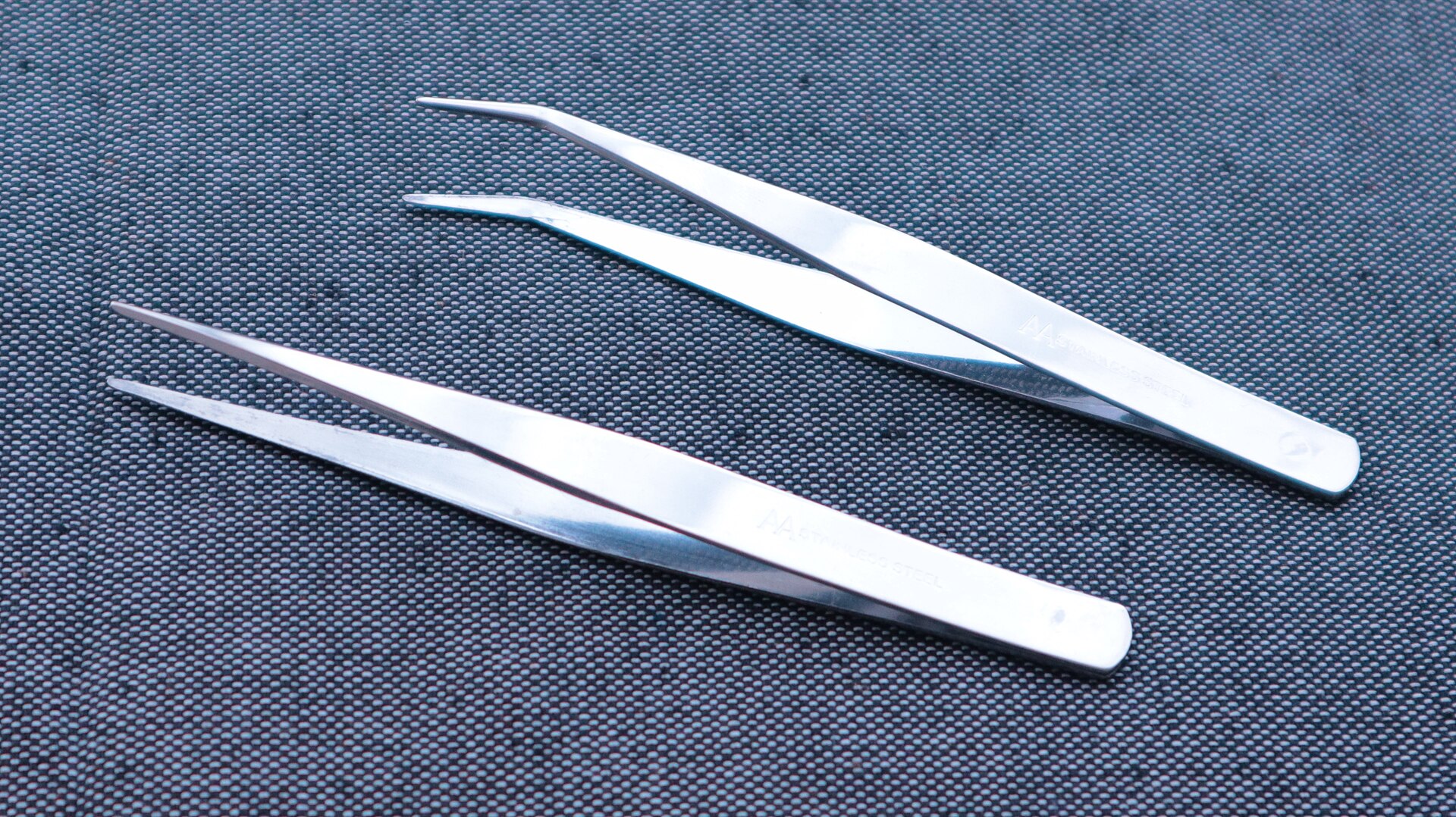
How to remove a tick from a dog
This is the method the US Centers for Disease Control and Prevention gives, and it is the same technique vets use.
- Use fine tipped tweezers. Grasp the tick as close to the skin’s surface as possible, so you are holding its head and not its body. If you have no tweezers, fingers will do, but do not squeeze the body.
- Pull straight up with steady, even pressure. Do not twist. Do not jerk. Twisting or jerking is what breaks the mouthparts off in the skin.
- Clean the bite and your hands with rubbing alcohol, or soap and water.
- Dispose of the tick without crushing it. Never crush a tick between your fingers. Put it in alcohol, seal it in a bag, wrap it in tape, or flush it.
- Write down the date. This matters more than people expect. If your dog becomes unwell weeks later, the date of a tick bite is the single most useful thing you can tell your vet.
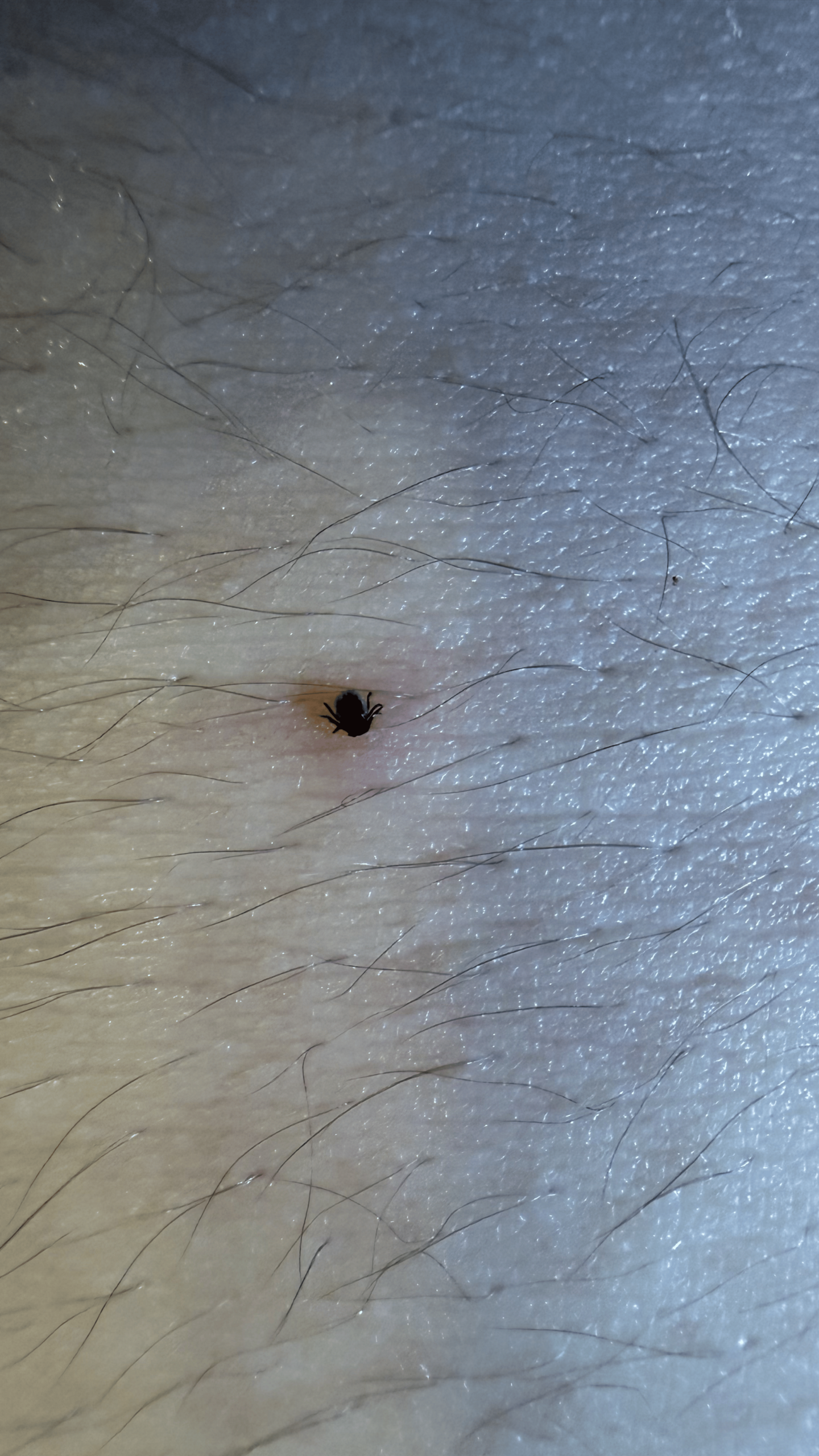
What not to do, and why it actively increases the risk
The folk remedies all share one idea: irritate the tick until it backs out on its own. The CDC warns specifically against painting the tick with nail polish or petroleum jelly, and against using heat to make it detach.
The reason is not squeamishness. A distressed tick is a dangerous tick. In the CDC’s words, these methods may agitate the tick and force infected fluid from the tick into the skin. You are asking an animal whose gut may contain bacteria to vomit into the bite it has already made.
So, the list of things not to do:
- No petroleum jelly, nail polish or soap smothering.
- No burning, no matches, no lighters, no hot needles.
- No twisting or unscrewing. Ticks do not thread into the skin, so there is nothing to unscrew. Twisting only snaps the mouthparts.
- No waiting for it to let go. The CDC is explicit that you remove it promptly rather than waiting for it to detach. Every extra hour matters, for reasons below.
- No crushing it with your fingers.
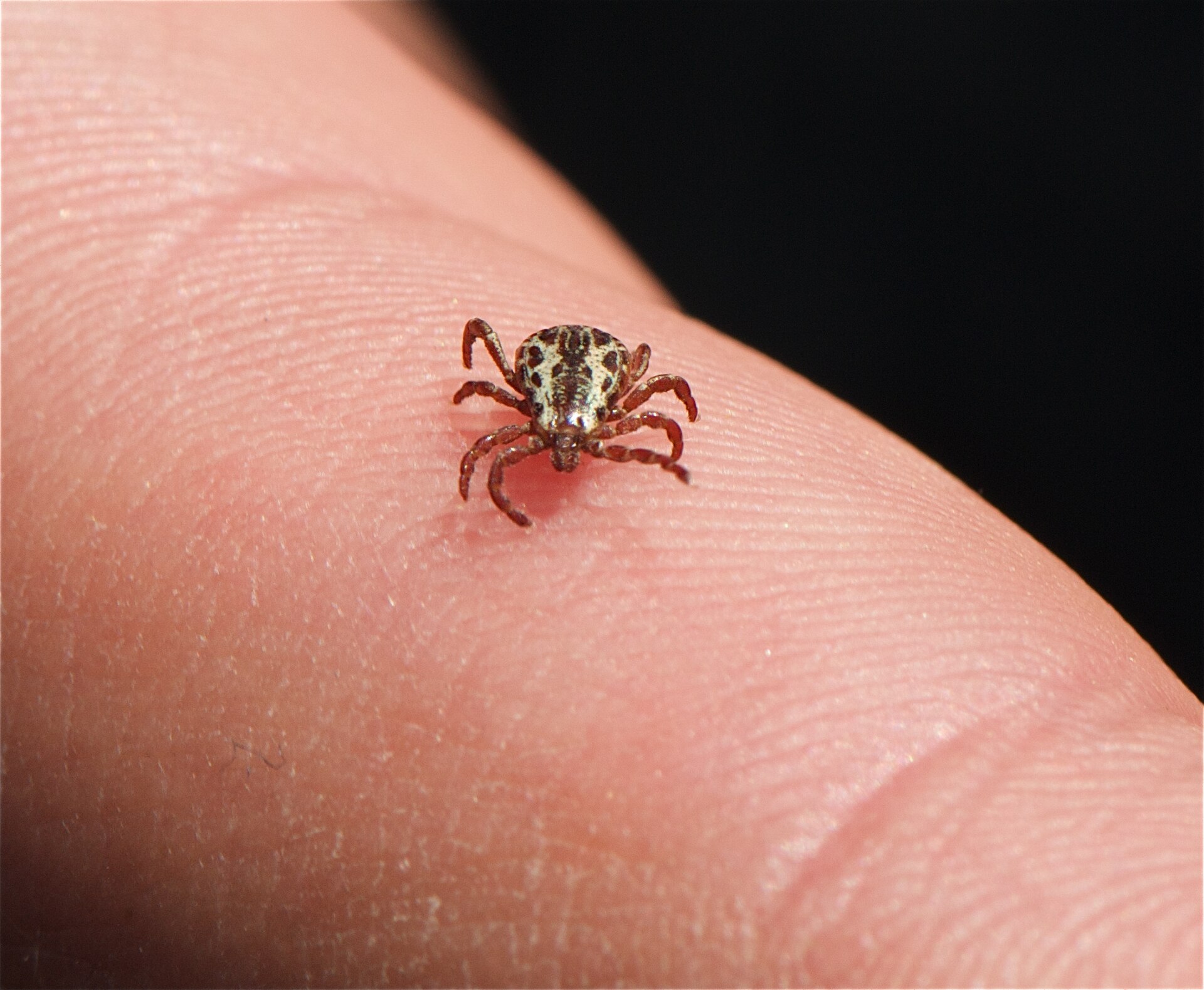
You left the head in. Is that an emergency?
No, and the worry is out of proportion to the risk.
If the mouthparts break off, the CDC’s guidance is to try to remove them with clean tweezers, and then this: if you are unable to remove the mouth easily with clean tweezers, leave it alone and let the skin heal.
Left behind mouthparts cannot transmit disease. There is no tick still feeding, because the tick is gone and what remains is an inert fragment. The body treats it like a splinter and pushes it out. Digging at it with a needle causes far more damage than leaving it, and risks a skin infection that the tick itself was never going to cause.
Watch the spot for a few days. A small bump at a bite site is normal and can persist for a week or two. Spreading redness, heat, swelling or pus is a vet visit, but that is a skin infection from the wound, not tick borne disease.
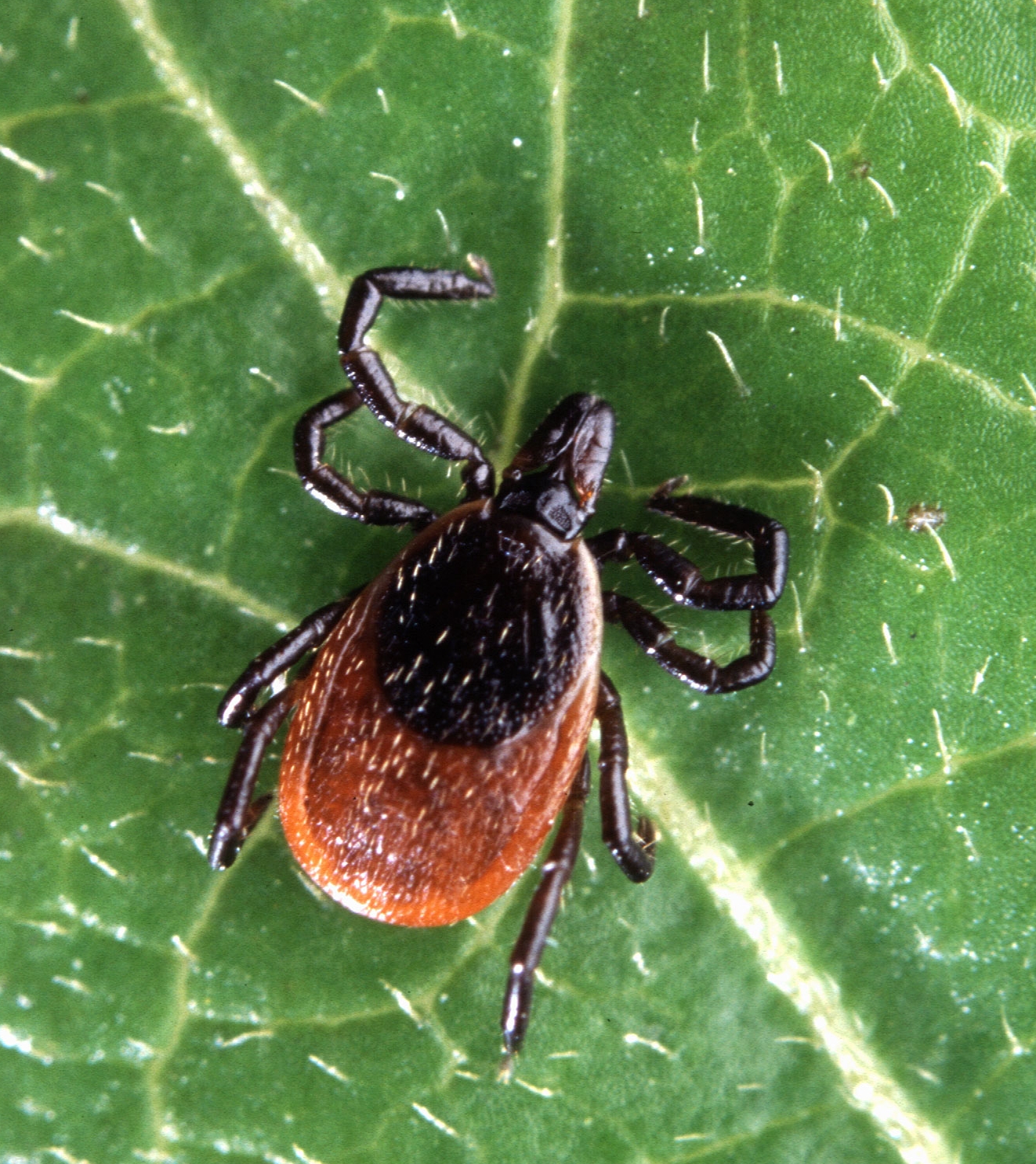
Why the twenty four hour rule is wrong
This is the part worth reading twice, because it is the opposite of what most articles tell you.
The advice that a tick must be attached for twenty four hours before it can transmit anything comes from Lyme disease, and for Lyme it is broadly right. The Merck Veterinary Manual puts transmission at a minimum of twenty four hours of attachment, usually thirty six to forty eight hours into the blood meal. The risk climbs with time rather than switching on: roughly 10% by forty eight hours from a single infected nymph, around 50% by sixty three to sixty seven hours, 70% by seventy two hours.
Lyme is not the only thing ticks carry, and the others are much faster.
- Ehrlichia, which causes ehrlichiosis in dogs, can be transmitted within three to six hours of attachment, according to the Companion Animal Parasite Council.
- Rocky Mountain spotted fever is generally thought to transmit five to twenty hours after attachment.
- Anaplasma sits somewhere in between, and the research genuinely disagrees, with some experimental transmission reported inside the first twenty four hours.
So “I found it the same day, we are fine” is false comfort. For the fastest of these, a tick attached over a single night has already had time. CAPC’s own wording is that attached ticks should be removed promptly to prevent transmission of any pathogens they may harbor. Promptly means now, not within a day.
This does not mean panic. It means two things. Remove ticks the moment you find them rather than finishing the walk first. And do not use the twenty four hour rule to decide whether a bite was harmless.
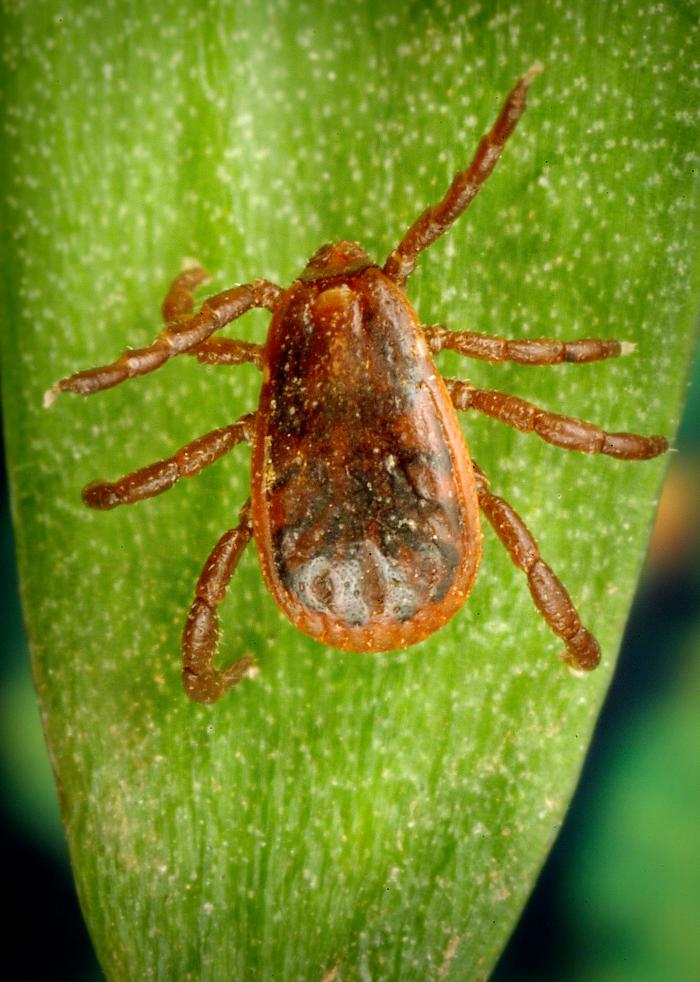
What to watch for afterwards
Most tick bites cause nothing at all. If something does develop, it is usually one to three weeks later, which is why that date you wrote down matters.
- Lethargy and a dog that is simply not themselves
- Fever, loss of appetite
- Lameness that moves from one leg to another, which is a classic Lyme sign in dogs
- Swollen joints or obvious pain on being touched
- Pale gums, bruising or nosebleeds, which can point at a platelet problem from ehrlichiosis or anaplasmosis
Dogs do not get the expanding bullseye rash that people do, so do not wait for a skin sign. Tell the vet there was a tick and when.
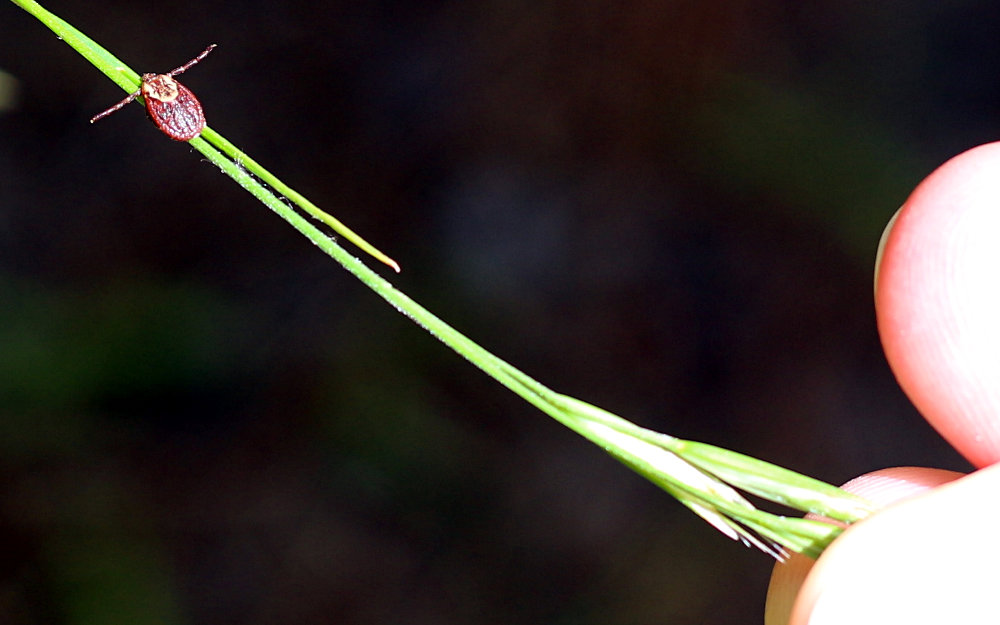
Where ticks hide on a dog
Run your hands over the whole dog after walks, and check the places ticks prefer: inside and around the ears, under the collar, in the armpits and groin, between the toes, under the tail, and around the eyelids. On a thick coated dog you will feel a tick before you see it.
Persistent scratching is not a reliable tick sign, and it has a long list of other causes, which we go through in why is my dog scratching so much.
Prevention beats removal
CAPC recommends that all dogs be kept on tick control products year round, not seasonally. Ticks are active whenever it is above freezing, and a mild winter week is enough.
Because some of these pathogens transmit within hours, the maths favours products that kill or repel ticks quickly over relying on you finding every tick in time. A product that kills a tick before it has fed for six hours is doing something your daily check cannot reliably do.
Ticks are not the only parasite worth a routine check. Fleas carry tapeworm, so the three problems travel together more often than owners expect, and our guide to worms in dogs and cats covers what a stool test can and cannot tell you.
Ticks and fleas are different problems needing different products, and a flea treatment does not necessarily cover ticks. If you are dealing with both, our step by step flea guide covers the part people miss, which is that most of the flea population is in your house rather than on your dog.
Frequently asked questions
Do I need to send the tick for testing?
Usually no. A tick testing positive does not mean your dog was infected, and a negative result does not rule it out, because your dog may have had another bite you never found. Treatment decisions are made on your dog’s symptoms and blood tests, not on the tick. Keeping the tick in a sealed container is still useful for identification if your vet wants to know the species.
Should my dog have antibiotics straight away after a tick bite?
Generally not. Most bites transmit nothing, and treating every bite would mean a great deal of unnecessary antibiotics. Vets normally watch and test rather than treat blind. That is your vet’s call, and it is a conversation worth having if you live somewhere with high tick numbers.
Can I use a tick hook or tick twister instead of tweezers?
Yes. Purpose made tick removers work well and many vets prefer them, especially on small ticks. Follow the instructions that come with the tool, and whatever you use, the principle is the same: grip at the skin, lift the tick away, do not squeeze its body.
Can my dog give me a tick borne disease?
Not directly. Your dog cannot pass Lyme or ehrlichiosis to you. What a dog can do is carry an unattached tick indoors, which then finds you. That is a real route, and it is another argument for year round tick control on the animal.
Do ticks die in winter?
No. They become inactive in hard cold and then resume whenever the temperature rises above freezing. This is why CAPC recommends year round prevention rather than a tick season.
The honest summary
Fine tipped tweezers, grip at the skin, pull straight up, do not twist. No jelly, no flame, no nail polish, because those make the tick regurgitate into the bite. A broken off mouthpart is a splinter, not an emergency.
And the twenty four hour rule is a Lyme rule. Ehrlichia needs three to six hours. Remove ticks the moment you find them, keep the dog on year round prevention, write down the date, and tell your vet about the bite if your dog goes off colour in the following weeks.
If your dog is lethargic, lame in a leg that keeps changing, or off their food in the weeks after a tick bite, that is a vet visit, not a wait and see.
This article is general information and is not a substitute for veterinary advice. If your pet is unwell, contact your vet.
Sources: US Centers for Disease Control and Prevention, tick removal and what to do after a tick bite; Companion Animal Parasite Council, Ehrlichia and Anaplasma guidelines and Rocky Mountain spotted fever guidelines; Merck Veterinary Manual, Lyme borreliosis in animals; Cornell University Riney Canine Health Center, Lyme disease.