


Your vet now works from two separate diabetes rulebooks: one for dogs, one for cats. The American Animal Hospital Association split its 2026 guidelines by species for the first time, and the reason matters to you rather than just to the clinic.
Diabetes is not really one disease. In dogs and in cats it behaves differently enough that the treatment, the monitoring and even the odds of the pet coming off medication are not the same.
The Short Answer
Watch for four things: drinking much more, weeing much more, eating well but losing weight, and new tiredness. Every diabetic dog needs insulin for life. Some cats can go into remission, and a few now qualify for a daily liquid or tablet instead of injections. Any of those four signs means a vet appointment.
The Four Signs Owners Notice First
These are the classic ones, and they turn up in that order surprisingly often.
- Drinking much more than usual. Refilling the bowl more often, or a cat suddenly drinking from taps and glasses when it never did.
- Weeing much more. Bigger or more frequent puddles, a house-trained dog asking to go out at night, a litter tray that needs changing far more often.
- Eating normally or more, while losing weight. This is the one that should really get your attention. Food is going in and the animal is still shrinking, because the sugar is not reaching the cells that need it.
- New tiredness or weakness. Less interest in walks, sleeping more, a cat that stops jumping onto the things it used to.
Individually each of these has a dozen innocent explanations. Two or three together is a pattern. If your cat is drinking more and using the tray more, it is worth ruling this out before assuming it is a litter tray or behaviour problem.
Why Dogs and Cats Now Have Separate Guidelines
AAHA published its 2026 guidelines as two documents, one canine and one feline, in recognition of what it calls the unique nature of the disease process in each species. In plain terms:
Dogs develop a form with an absolute insulin deficiency, caused by permanent loss of the beta cells that make insulin. Those cells do not come back. Every diabetic dog is insulin deficient and every diabetic dog needs insulin therapy. There is no version of this where a dog is managed on diet alone.
Cats are different. Their diabetes more often resembles the human type 2 picture, where the pancreas is still working but the body has stopped responding properly. Catch it early, get the weight and diet right, and some cats stop needing treatment altogether. That is called remission, and it is not available to dogs.
What This Means If You Have a Dog
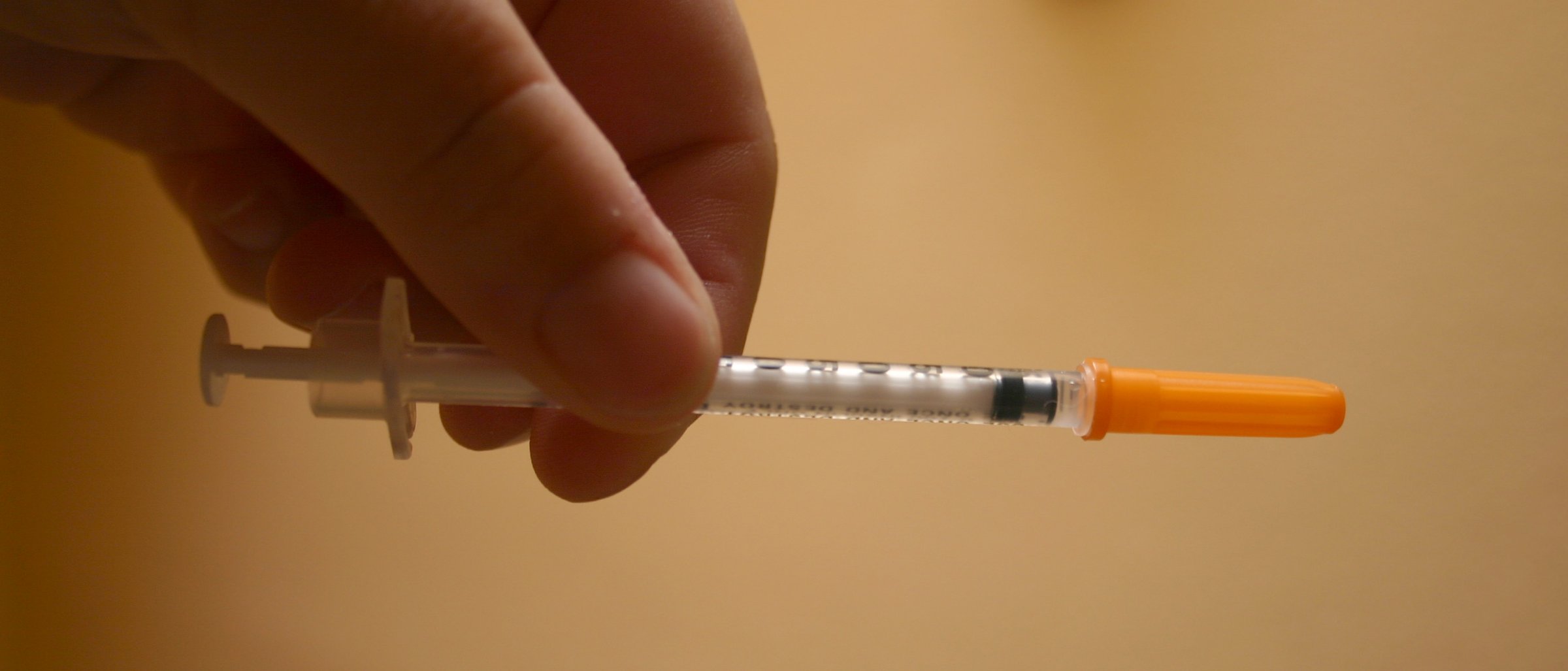
Insulin, twice a day, for life, alongside a consistent feeding schedule. That sounds daunting and it is genuinely a commitment, but AAHA’s own framing is worth quoting back to yourself on the bad days: diabetic dogs can live a good quality of life with few or no clinical signs, given attentive care, dietary and schedule adjustments, and diligent follow-up.
The practical points that make it work are routine ones. Feed at the same times. Inject at the same times. Keep the diet consistent rather than switching foods on a whim. Go to the follow-up appointments even when the dog seems fine, because seeming fine is the goal, not the finish line.
What This Means If You Have a Cat
Two things have changed, and both are good news.
First, injections are no longer the only option for every cat. The 2026 guidelines include recommendations on SGLT2 inhibitors, a class of drug given by mouth, following FDA approval of Bexacat in 2022 and Senvelgo in 2023. These are for otherwise healthy cats with diabetes that have not previously been treated with insulin. That last part matters: they are not a swap-in for a cat already stabilised on injections, and they are not suitable for a cat that is unwell at diagnosis.
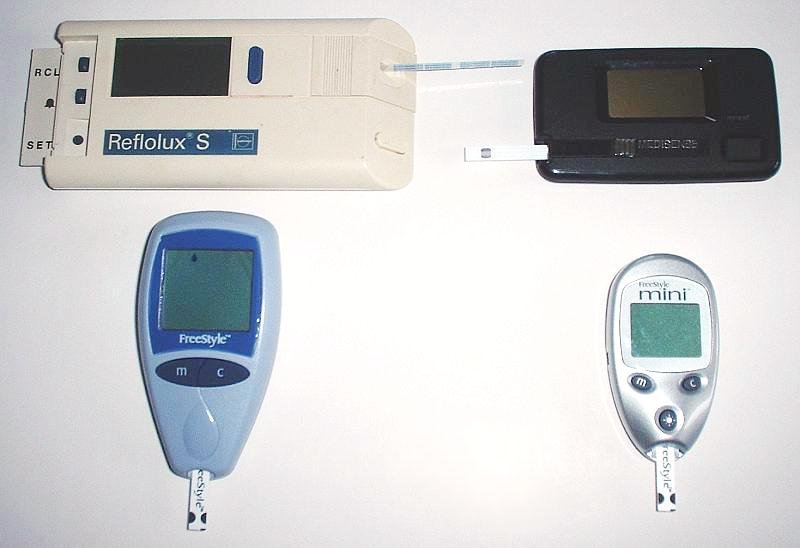
Second, the monitoring has changed. Routine in-hospital blood glucose curves are no longer recommended for cats, because stress hyperglycaemia in a hospitalised cat can distort the readings badly enough to be misleading. A frightened cat at the vet produces high sugar readings whether or not its diabetes is controlled. Feline monitoring now leans on clinical signs, continuous glucose monitoring and glucose data collected at home.
If your vet suggests a sensor on the cat’s skin rather than a day of admissions and blood draws, that is the current guidance, not a shortcut.
The Emergency Nobody Warns You About
Untreated diabetes can tip into diabetic ketoacidosis, and that is a life-threatening emergency rather than a bad day. Go straight to a vet if you see:
- Vomiting, especially with any of the four signs above
- Complete loss of appetite in an animal that was eating well
- Rapid or laboured breathing
- Sweet or acetone-smelling breath
- Collapse, severe weakness, or an animal that cannot be roused properly
This is the reason the four early signs are worth acting on rather than watching for another fortnight. Lethargy and appetite loss can look like a hundred milder things, which is also true of stress in cats and of unexplained panting in dogs. The difference is how fast this one moves once it turns.
What to Do Now
- Measure the water. Fill the bowl with a measuring jug for two days and write down how much goes in. “He seems thirsty” is hard for a vet to act on. “She is drinking a litre a day and she is a 4 kg cat” is not.
- Weigh your pet. Home scales are fine. Weight loss alongside a good appetite is the single most useful thing you can report.
- Book the appointment. Diagnosis is a blood and urine test, not a guess, and it is quick.
- Take your notes with you. Water volume, weight trend, appetite, and when you first noticed.
- Ask specifically about the 2026 guidelines if you have a cat. Whether an oral option or a glucose sensor suits your cat is a conversation worth having rather than assuming injections are the only path.
Keeping weight sensible is the one thing that genuinely reduces the risk in cats, which makes getting portions right more useful than it sounds.

Common Questions
Can diabetes in dogs be cured? No. The insulin-producing cells are permanently lost, so treatment is lifelong. It can be controlled well.
Can a cat really come off insulin? Yes, some do. Remission is most likely when it is caught early and weight and diet are addressed properly. It is not guaranteed and it can be lost again.
Is it caused by feeding sugar? No. Obesity is a genuine risk factor in cats, but a dog does not become diabetic from the odd biscuit. In dogs it is largely immune-mediated and genetic.
Which breeds are more at risk? In dogs, terriers, Samoyeds, Miniature Schnauzers and Poodles turn up disproportionately. In cats, Burmese have a known predisposition, and overweight middle-aged neutered males are the classic picture.
How much does it cost to manage? Ask your own vet, because insulin type, dose and monitoring vary widely. Ask at diagnosis rather than later, so you can plan properly.
The Bottom Line
Drinking more, weeing more, eating well while losing weight, and new tiredness. That is the list. In a dog it means insulin for life and a routine that works. In a cat it might mean remission, or a tablet instead of a needle, especially if you catch it early.
The 2026 guidelines are aimed at vets rather than owners, but the headline is worth knowing: your dog and your cat have genuinely different diseases with the same name. You can read AAHA’s own summary of the 2026 canine guidelines and the feline guidelines.
This article is general information for pet owners, not veterinary advice. If you think your dog or cat may be diabetic, contact your veterinary practice.