

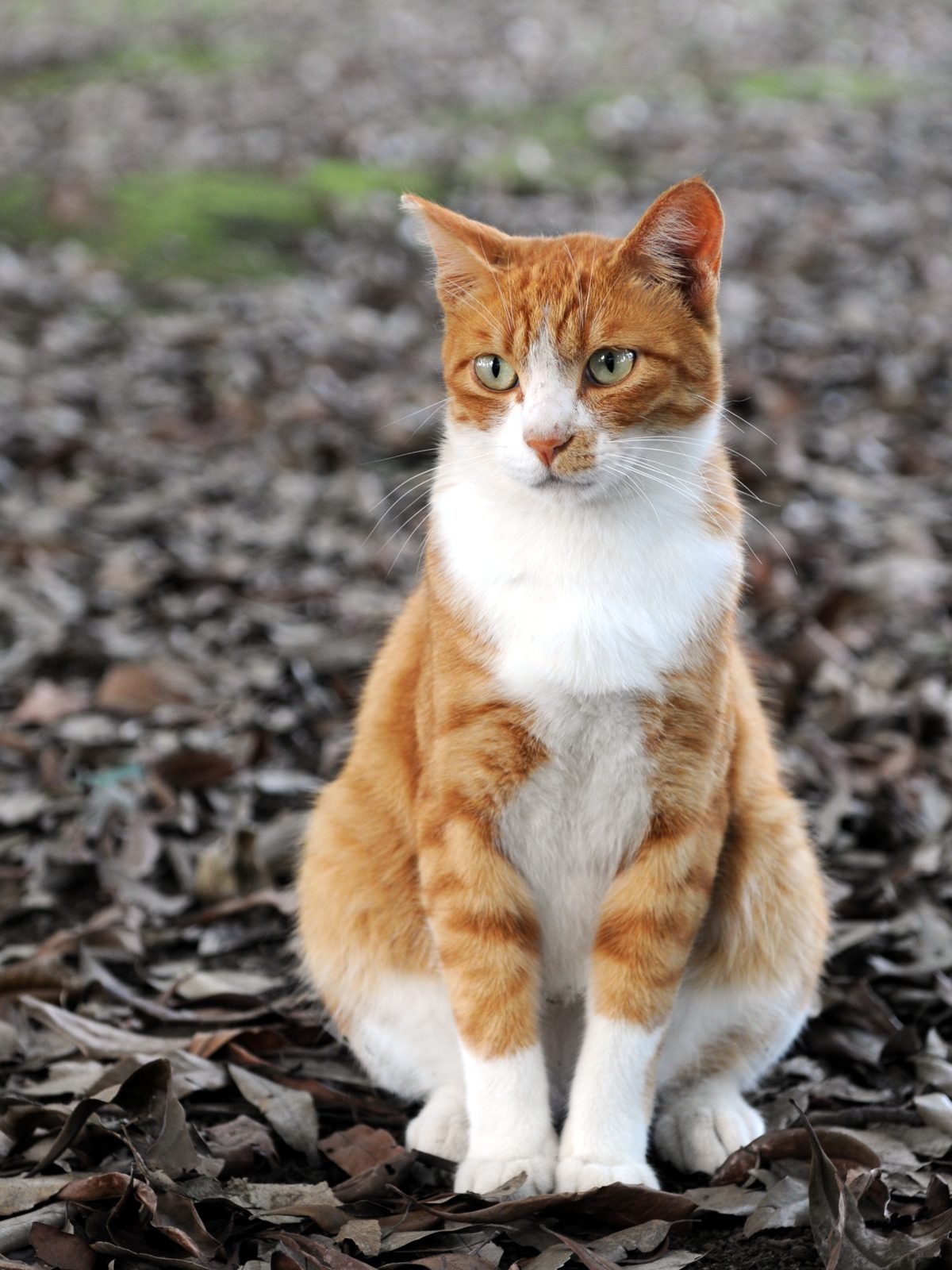
The short answer: antifreeze poisoning happens when a pet swallows ethylene glycol, a sweet tasting liquid used in engine coolant. A cat can die from about one teaspoon. Cats need veterinary treatment within roughly three hours of swallowing it, dogs within eight to twelve. Once the kidneys start failing, the odds drop sharply.
Why a pet would drink something that kills it
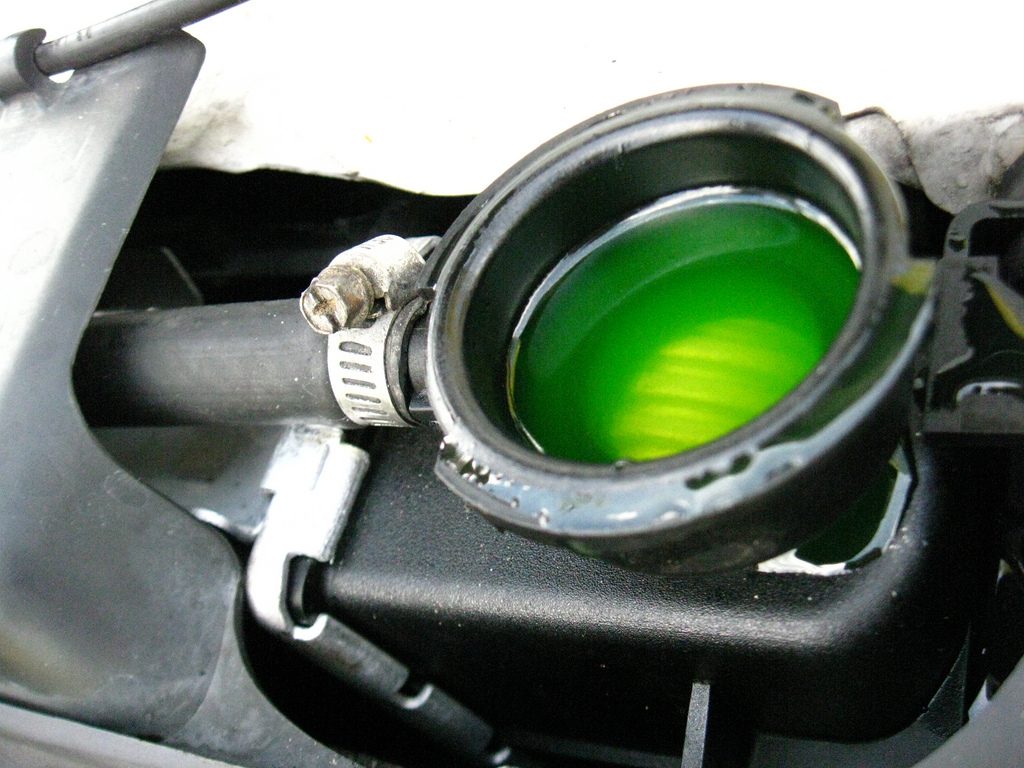
This is the part that catches owners out. Antifreeze isn’t something a cat tolerates by accident. It’s something a cat actively wants. Ethylene glycol is a sweet tasting, odourless liquid, and VCA Hospitals notes that cats may be drawn to it by both its smell and its taste.
So the usual mental model, that pets avoid things that are bad for them, just doesn’t hold here. A cat that walks past a drip under a parked car will often stop and lap it up. A dog that finds a puddle in a garage will drink it the way it drinks from any other puddle. Nothing about the experience warns them.
Manufacturers know this. Back in December 2012 the industry agreed voluntarily to add denatonium benzoate, an intensely bitter compound, to antifreeze sold in the United States, and the AVMA reported the agreement at the time. Seventeen states already required it. That’s a genuine improvement. It is not a guarantee, and vets still see cases every winter, because a bitter taste doesn’t do much to stop a thirsty animal that’s already swallowing.
How little it actually takes
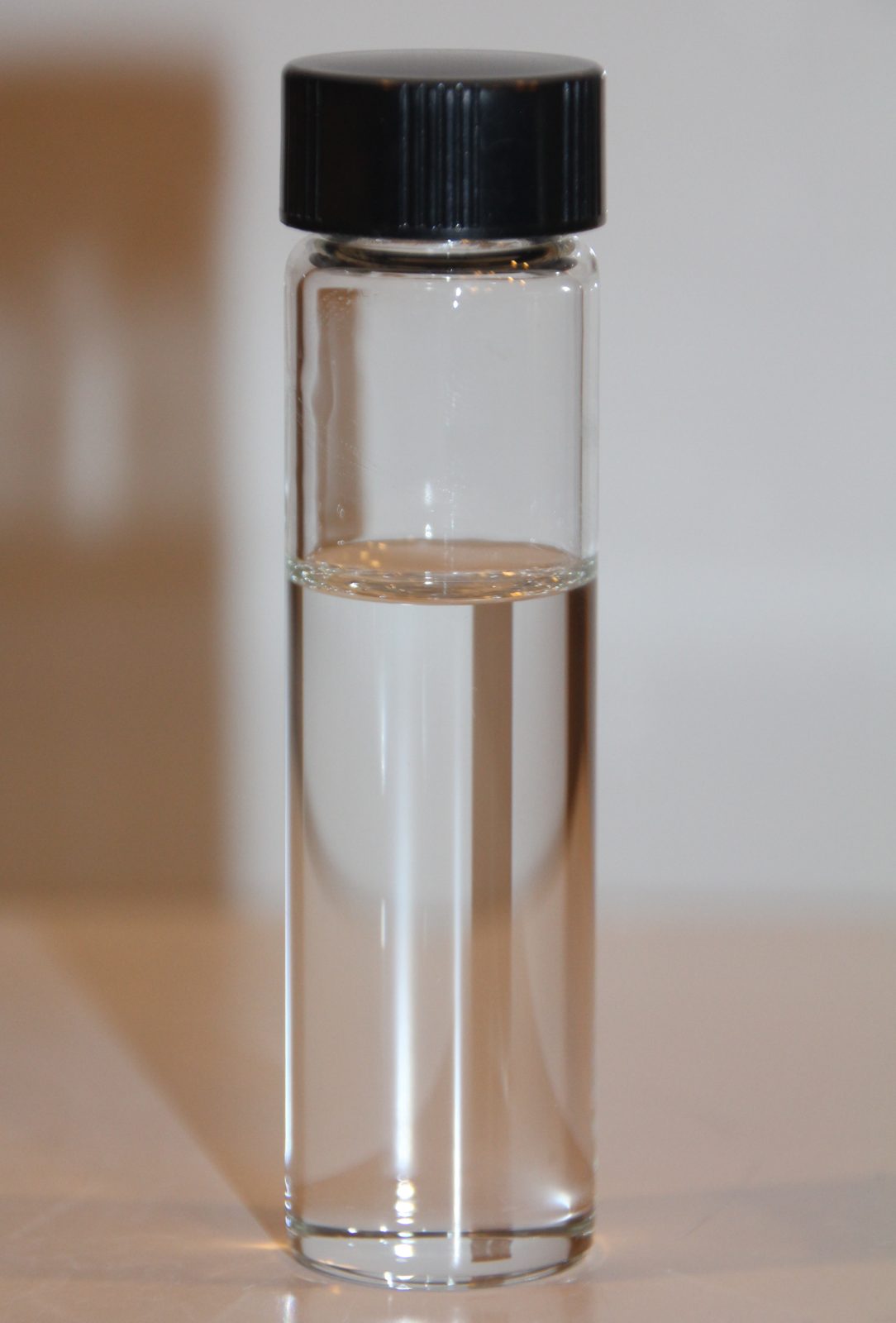
The numbers are genuinely small. The Merck Veterinary Manual puts the minimum lethal dose of undiluted ethylene glycol at 1.4 mL per kilogram of body weight in cats, and 4.4 to 6.6 mL per kilogram in dogs.
Translated into things you can picture, the Pet Poison Helpline puts it at about one teaspoon for a cat, and a tablespoon or two for a dog, depending on size. A four kilogram cat is in lethal territory after roughly a teaspoon of the neat stuff. That is less than a bottle cap.
Cats are far more sensitive than dogs, which is why the same spill can be survivable for the labrador and fatal for the cat that shares the driveway.
The clock starts the moment they swallow
Ethylene glycol is absorbed fast. Merck records peak absorption at one to four hours after ingestion, with a serum half life of about three hours. The poison itself isn’t what destroys the kidneys. The body breaks it down into metabolites, and those are what do the damage. That single fact is why timing matters so much: the antidote works by stopping that breakdown, so it only helps while there’s still unmetabolised ethylene glycol to stop.
Wait until the pet looks properly ill, and that conversion has already happened.
The Pet Poison Helpline gives the working windows as three hours for cats and eight to twelve hours for dogs. The ASPCA’s guidance for professionals is slightly more generous for cats at four hours. Either way, you’re dealing in hours, not days, and the honest advice is to stop reading and phone someone now if this is happening to you.
What the first three days look like
Merck describes three stages, and the cruel part is the gap in the middle.
Stage one, roughly 30 minutes to 12 hours. The pet looks drunk. Wobbly on its feet, dazed, vomiting, drinking and urinating far more than usual. Owners often read this as a bug, or as the cat having got into something mildly unpleasant. Around the twelve hour mark many animals appear to pick up.
Stage two, 12 to 24 hours in cats and 36 to 72 hours in dogs. The kidneys begin to fail. The kidneys swell and become painful, heart rate and breathing speed up, the animal goes off food, becomes lethargic, and may develop ulceration in the gut. Seizures and coma are possible.
Stage three. Acute kidney failure that can’t be reversed. Urine output drops and then stops.
Two of those early signs deserve a flag, because they overlap with things owners already worry about. Heavy drinking and urinating is also the classic presentation of diabetes in dogs and cats, and fast breathing is on the list when you’re working out why your dog is panting so much. Sudden onset, in an animal with access to a garage or a driveway, is what pushes antifreeze to the top of the list.
Where pets actually find it
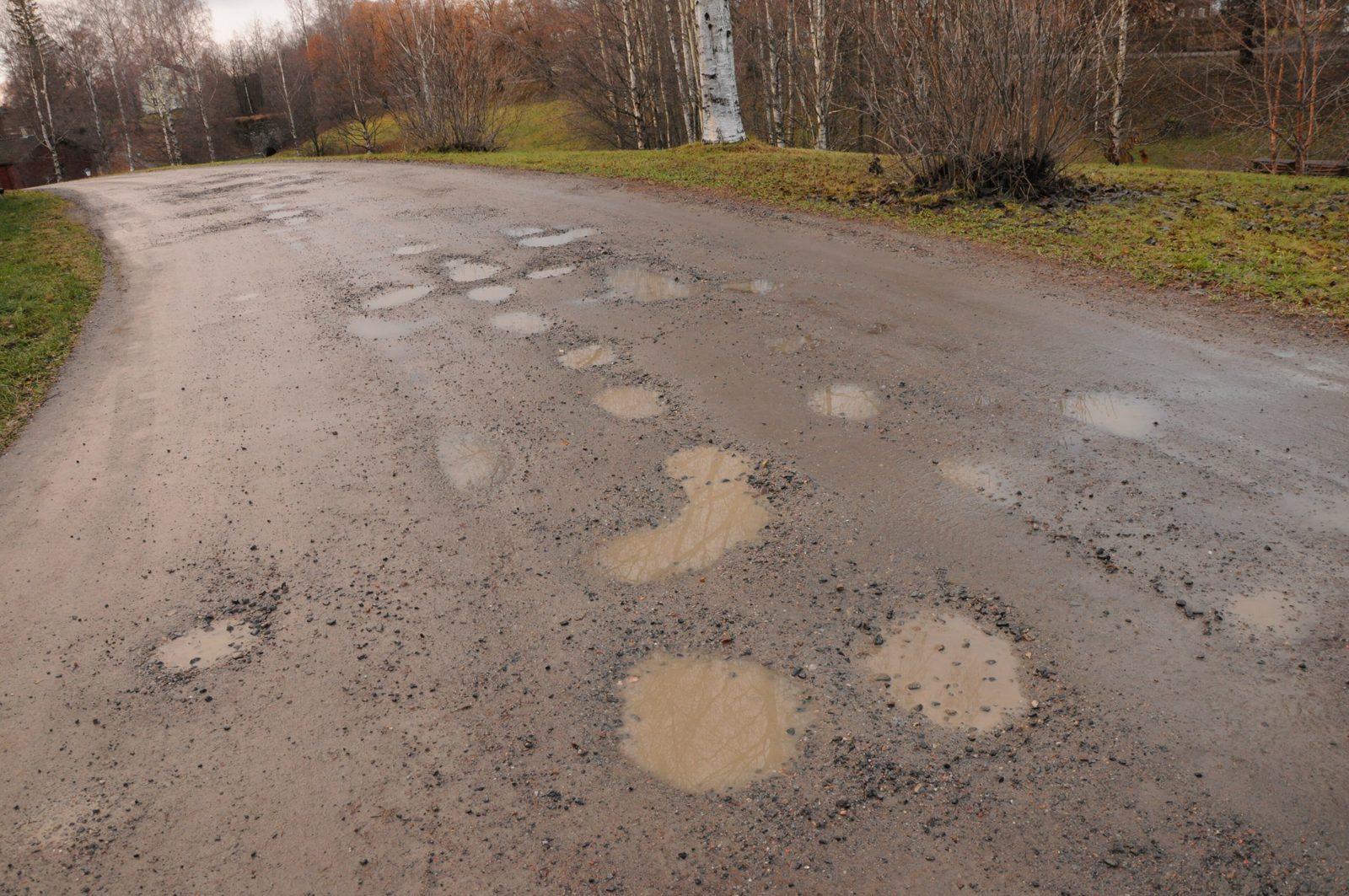
Hardly any of these cases involve a pet knocking a bottle off a shelf. The usual routes are duller and easier to miss:
- A slow leak from a car radiator or hose, pooling where the car is parked
- Spills from topping up or draining coolant, especially when the job is done outside on a cold morning
- An open or badly capped container in a garage or shed the pet can get into
- Puddles on a shared driveway or in a car park, where the leak came from someone else’s car entirely
- Older toilet antifreeze and some screenwash and brake fluid products, which can also contain ethylene glycol
Outdoor cats and cats with garage access are the highest risk group, partly because they roam and partly because it takes so little to hurt them.
What to do if you even suspect it
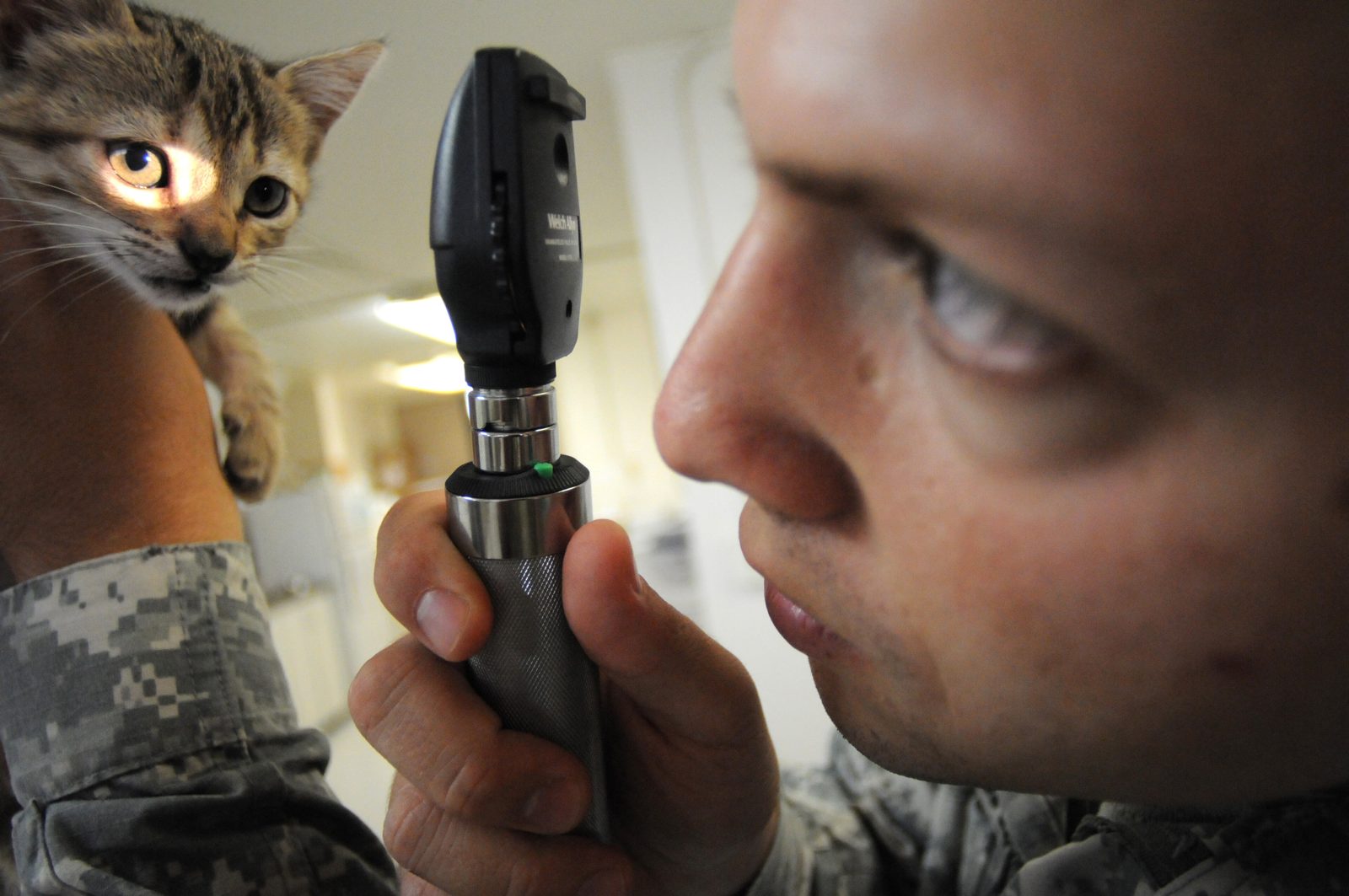
Treat suspicion as confirmation. The cost of being wrong in the other direction is too high.
- Phone a vet or a poison line immediately. In the United States, Pet Poison Helpline is on (855) 764-7661 and the ASPCA Animal Poison Control Center is on (888) 426-4435, both 24 hours. Both charge a consultation fee. Pay it.
- Say what you suspect and when. The time of exposure is the single most useful thing you can tell them, even if it’s a guess with a range.
- Take the container or a photo of it if you have one, so the product and concentration are known.
- Don’t make your pet vomit unless a vet tells you to on that call.
- Go in, even if the pet seems fine. Looking fine at hour two means nothing. Looking fine at hour twelve can be the gap between stage one and stage two.
Vets can confirm it quickly. VCA notes there’s an in house test that detects ethylene glycol in the bloodstream, alongside blood and urine work. Treatment is an antidote called fomepizole, which blocks the enzyme that turns ethylene glycol into the metabolites that wreck the kidneys. Cats need a much bigger dose than dogs, 125 mg per kilogram to start against 20 mg per kilogram, which tells you something about how differently the two species handle it.
On prognosis, VCA is blunt: it’s very poor once clinical signs have developed, and a delay of even a few hours usually kills a cat. That sounds harsh written down. It’s also the reason this article exists.
How to cut the risk at home

None of this needs to be elaborate:
- Buy propylene glycol coolant instead. It’s the standard safer substitute and it’s sold everywhere. It isn’t harmless, but it doesn’t carry anything like the same risk.
- Fix leaks rather than topping up. A drip you’ve been ignoring since summer is the classic source.
- Clean spills properly. Absorb, then wash the area down thoroughly. Don’t leave a rinsed patch that’s still sweet.
- Store containers sealed and off the floor, in something the cat can’t get behind.
- Check under your car where you park, especially through autumn and winter. Merck notes cases cluster in the colder months.
- Steer round puddles on walks near parked cars and in car parks.
It’s the same logic that applies to the other household poisons worth knowing about, from chocolate through to grapes and raisins, which also attack the kidneys in dogs. Assume the pet will find it, and put it out of reach before they do.
Frequently asked questions
How long after drinking antifreeze will a cat show symptoms?
Usually within 30 minutes to 12 hours. Early signs look like drunkenness, with wobbling, vomiting and heavy drinking and urinating. Many cats then seem to improve around the 12 hour mark, which is misleading, because that’s when the kidney damage is getting under way.
Can a dog survive antifreeze poisoning?
Yes, if treatment starts early. Dogs have a longer window than cats, generally eight to twelve hours. Survival drops steeply once kidney failure has set in, so the deciding factor is almost always how fast the animal got to a vet.
Does the bittering agent make antifreeze safe now?
No. Adding denatonium benzoate makes antifreeze less appealing, and it’s a worthwhile change, but poisonings still happen. Treat every coolant as lethal regardless of what’s on the label.
How much antifreeze is toxic to a dog?
Merck gives a minimum lethal dose of 4.4 to 6.6 mL per kilogram of undiluted ethylene glycol. For everyday purposes, a tablespoon or two can kill a dog depending on its size, and smaller dogs are at much greater risk.
Is pet safe antifreeze genuinely safe?
Propylene glycol based products are much safer than ethylene glycol ones, which is why they’re worth buying. They’re still not something you want your pet drinking, so store and clean up after them the same way.
The one thing to take away
If your pet has been near coolant and is behaving oddly, don’t wait to see how they are in the morning. With cats in particular, the morning is usually too late. Phone a vet, say what you think they’ve drunk, and go in.
This article is general information, not veterinary advice. If you think your pet has swallowed antifreeze, contact your vet or an emergency poison line straight away.