


Most owners meet worms the same way: something that looks like a grain of rice, moving, near the dog’s tail. It is a horrible moment, and the internet’s answer is usually a product link. This guide does the part that gets skipped. What the five worms actually are, what you can and cannot see, which ones can infect you, and why a clear test result does not always mean a clear dog.
Worms in dogs and cats are common, treatable, and mostly preventable. The complication is that the signs overlap with a dozen harmless things, and the most recognisable worm is the one a lab test is most likely to miss.
The five worms worth knowing
Four live in the intestine. The fifth lives in the heart and lungs and is a different problem entirely.
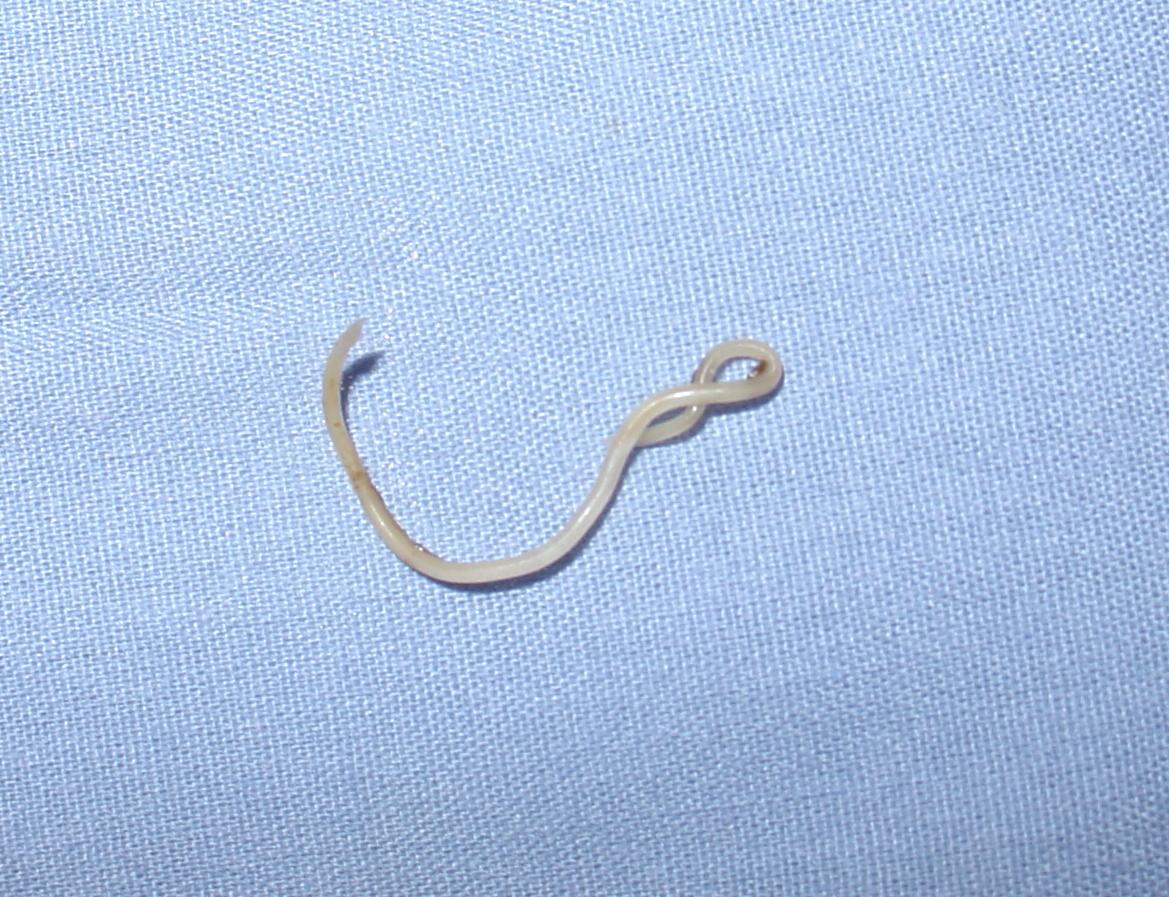
Roundworms are the ones most people picture: long, pale, spaghetti like. Pets pick up the eggs from contaminated soil or faeces. In puppies and kittens they cause the classic pot bellied look, poor growth and digestive upset.
Hookworms are small and bite into the intestinal wall to feed on blood. Larvae get in by mouth or straight through the skin, often the feet. They cause anaemia, skin irritation and, in young animals, serious illness. The Companion Animal Parasite Council calls hookworms one of the most significant intestinal parasites of dogs.
Whipworms live in the large intestine and cause chronic watery or bloody diarrhoea and weight loss. They mostly affect adults rather than puppies.
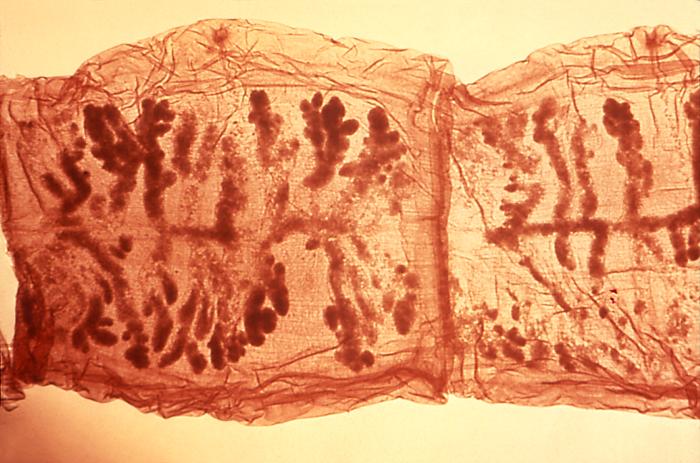
Tapeworms are flat and segmented, and they are the ones you are most likely to see with your own eyes. More on these below, because they behave differently from the rest.
Heartworm is not an intestinal worm at all. It is carried by mosquitoes, lives in the heart and pulmonary arteries, and causes coughing, exercise intolerance and eventually heart failure. Deworming tablets do nothing for it. It needs its own monthly preventive and its own blood test.
Tapeworm is a flea problem in disguise
This is the single most useful thing in this article, and it is the part that almost never gets said plainly.
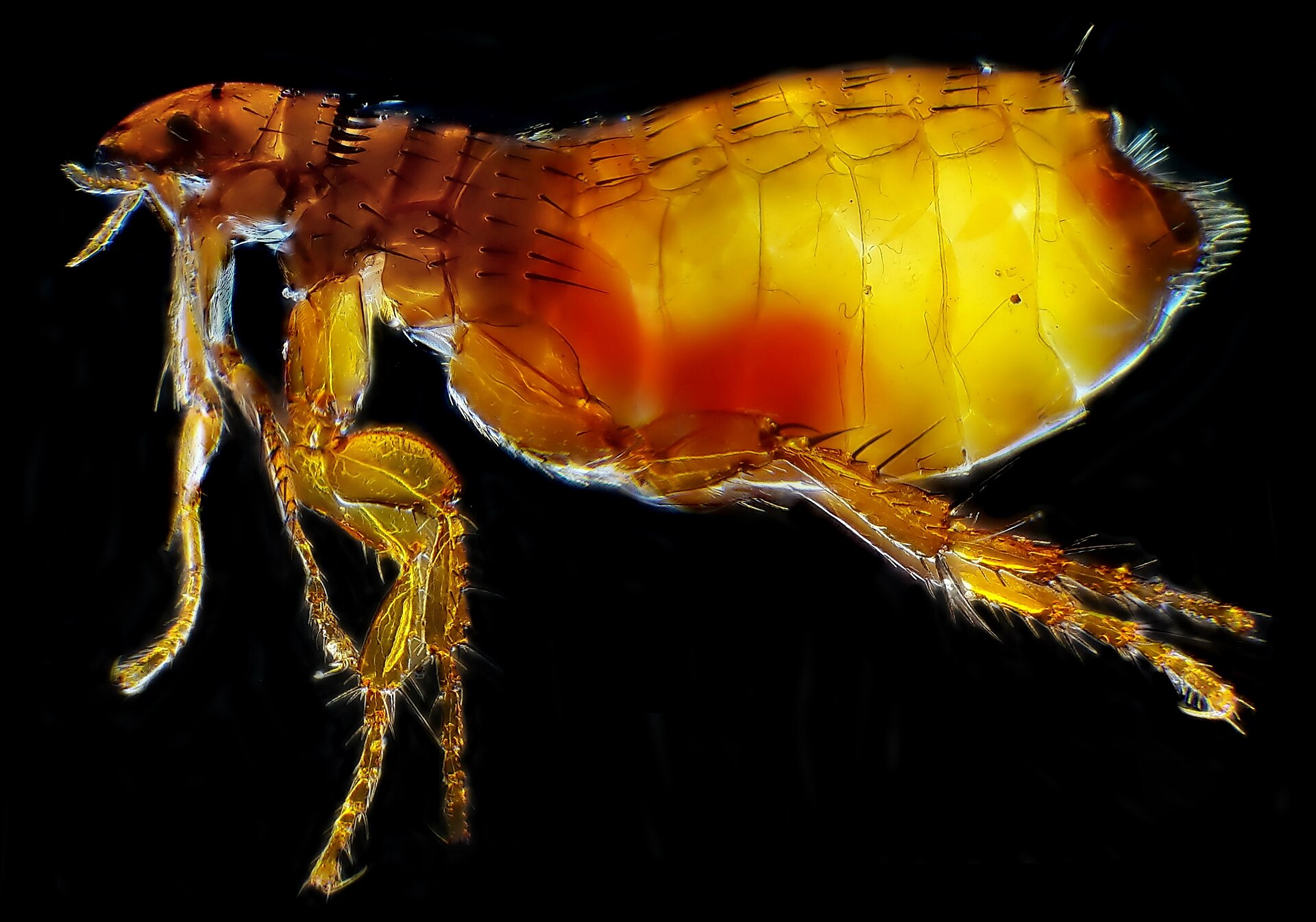
The common tapeworm of dogs and cats is Dipylidium caninum, and animals do not catch it from other animals, or from soil, or from each other. They catch it by swallowing an infected flea, usually while grooming. Cornell’s Riney Canine Health Center is explicit that reinfection happens if the source, meaning fleas or rodents, is not dealt with.
So if you find rice grain segments, you have learned two things, not one. Your pet has a tapeworm, and your pet has or recently had fleas. Treat only the worm and it comes back, because the actual supply line is untouched. Our step by step flea guide covers the part that matters, which is the 95% of the flea population living in your carpets rather than on your dog.
The second tapeworm, Taenia, comes from eating rodents. Same logic. The worm is a symptom of the hunting.
What you can actually see
Honest answer: usually very little, and almost never the worm itself.
- Rice grain segments near the anus, in the bedding, or on the stool. Fresh ones move. Dried ones look like sesame seeds. This is tapeworm, and it is the one clear visual sign.
- Scooting, dragging the rear along the floor. Often blamed on worms, and tapeworm segments genuinely do cause it, but full anal glands cause it far more often. Persistent itching and scratching has its own long list of causes, most of them not worms at all, which we go through in why is my dog scratching so much.
- A pot bellied puppy with a dull coat and poor growth, which points at roundworms.
- Chronic diarrhoea, sometimes bloody, which points at whipworms.
- Pale gums and lethargy, which can mean hookworm anaemia and needs a vet quickly in a puppy or kitten.
- Nothing at all. Plenty of infected adult animals look completely well. This is the normal case, not the exception.
Why a clear test does not always mean a clear pet
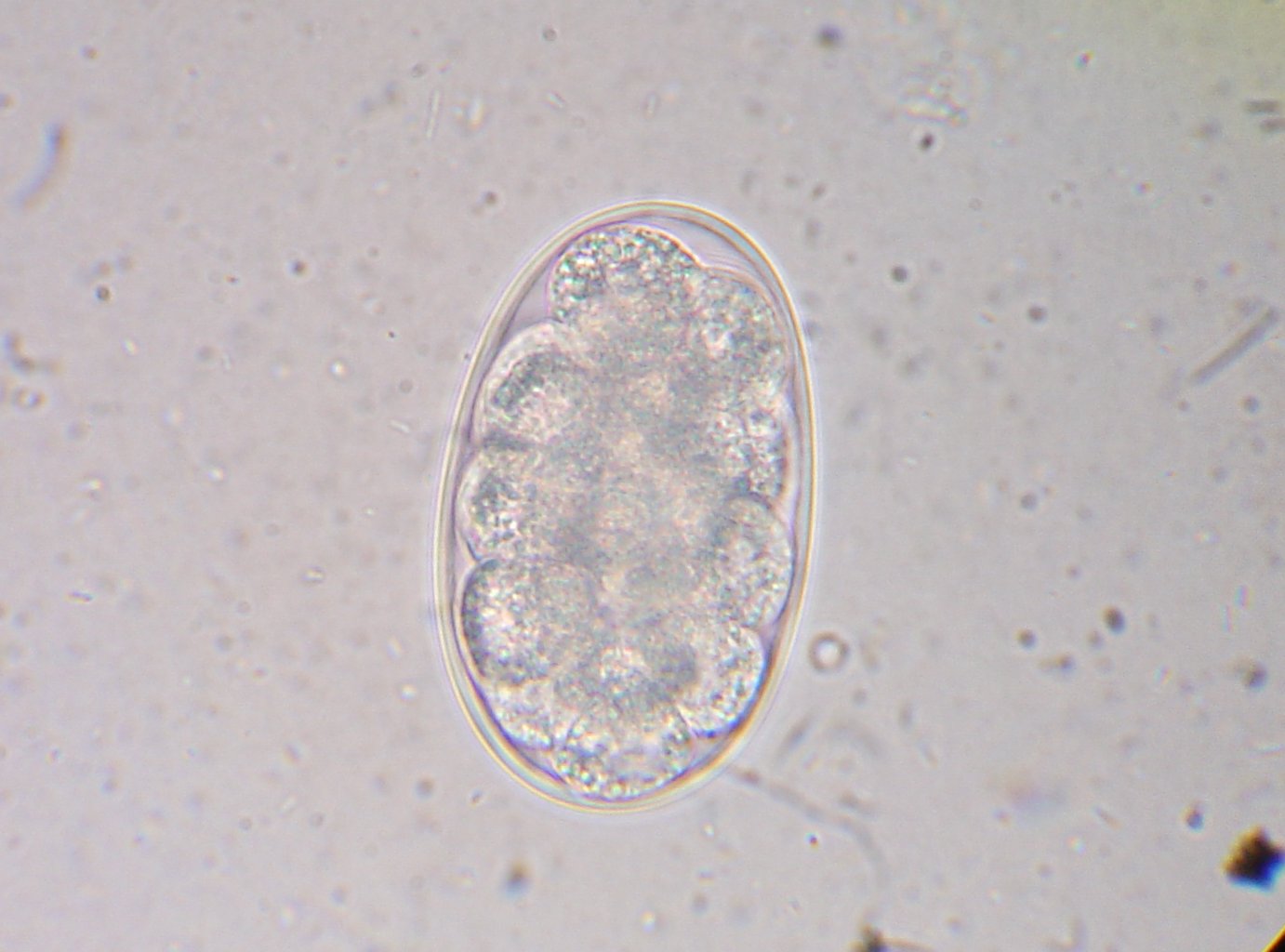
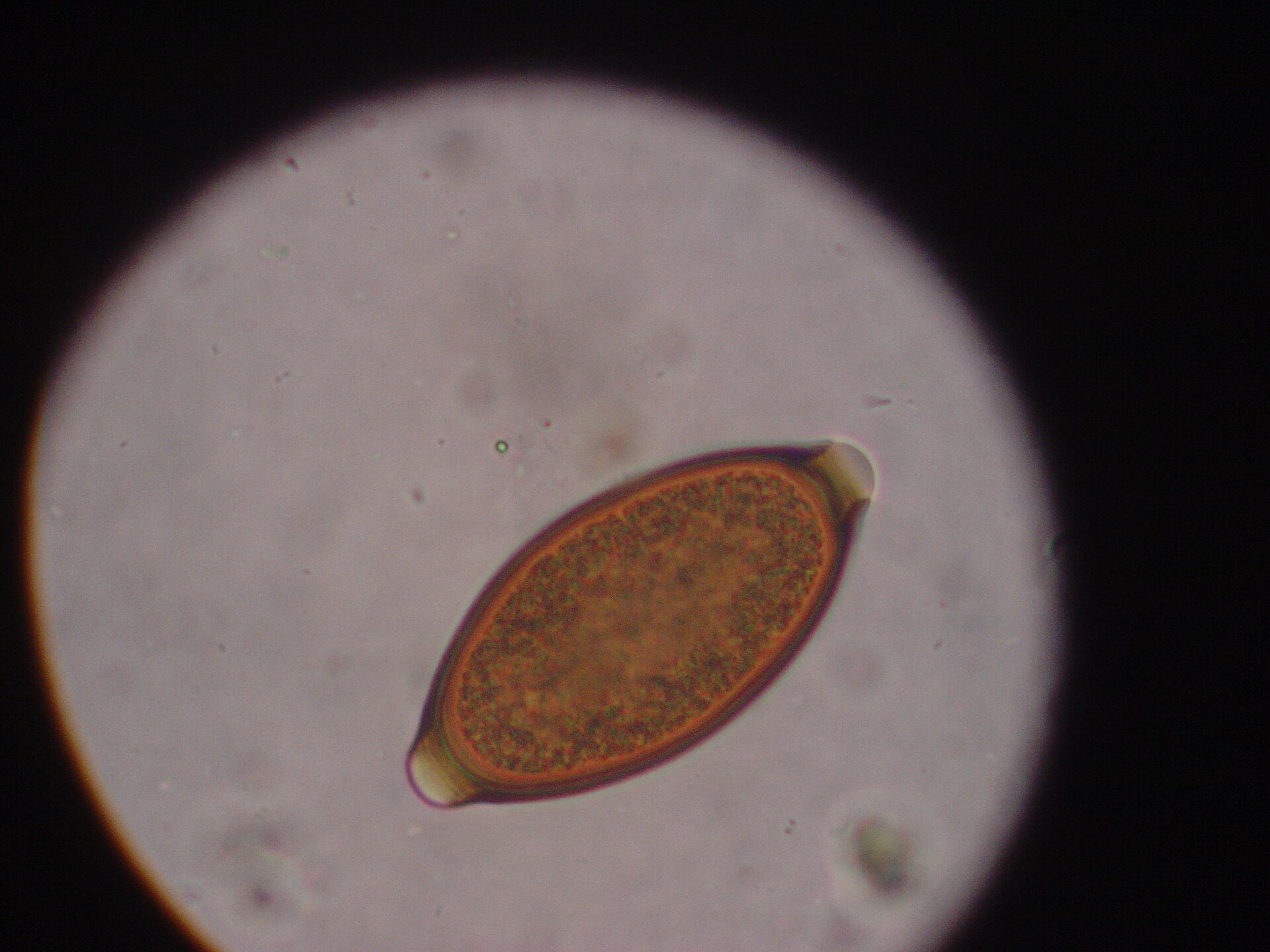
Diagnosis is usually a faecal flotation, where a stool sample is spun or floated so that any eggs rise and can be counted under a microscope. It works well for roundworm, hookworm and whipworm.
It is unreliable for tapeworm. Cornell notes that faecal testing may find tapeworm eggs but can often miss an active infection. The reason is mechanical: tapeworms shed whole segments containing egg packets rather than releasing loose eggs steadily into the stool, so a given sample may contain none at all.
The practical consequence is worth stating clearly. If you saw rice grain segments, tell your vet you saw them, even if the lab result came back negative. What you saw is better evidence than the test, and treatment is usually given on that basis.
Worms are seasonal, and not in the direction you would guess
Most people assume parasites are a summer problem. Research on US fecal data found that prevalence of both whipworm and roundworm peaked in winter, while hookworm peaked in late summer and early autumn.
Year round prevention exists for this reason. Stopping in October because the weather turned is stopping at the wrong moment for two of the four.
Can you catch worms from your pet
Yes, for some of them, and this is the part worth taking seriously without panicking about it.
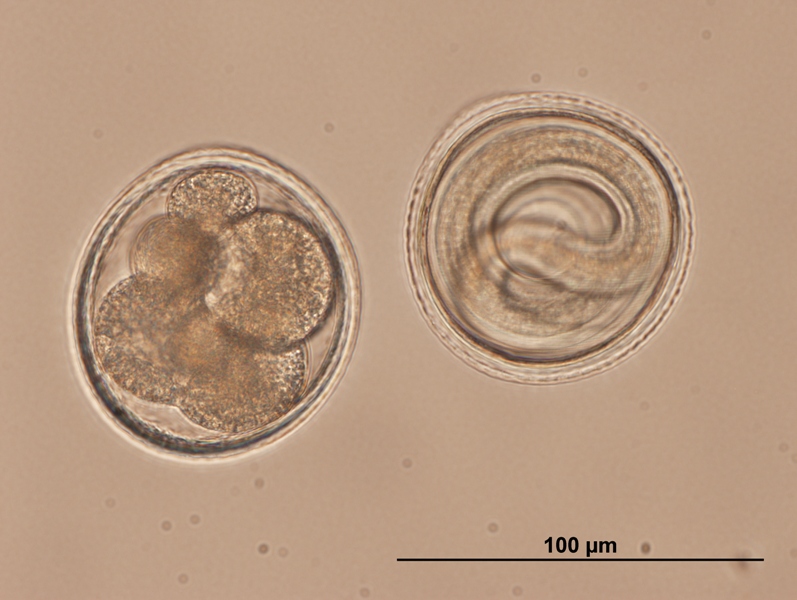
Roundworm. The CDC describes toxocariasis as an infection caught from Toxocara, spreading to people from animals, usually dogs or cats. Eggs in animal faeces reach people’s mouths through contaminated dirt or unwashed hands. It does not spread person to person. Young children are at the highest risk, particularly those playing in or eating contaminated soil. In its ocular form it can damage the retina and cost vision, usually in one eye. In its visceral form it moves into organs such as the liver or the central nervous system.
Hookworm. CAPC describes dog hookworms as the most common cause of cutaneous larva migrans in people, where larvae burrow through skin and leave intensely itchy winding tracks. Gardeners, outdoor workers and people who walk barefoot on contaminated sand or soil are the usual cases.
Tapeworm. Human infection with the flea tapeworm is rare, and it requires swallowing an infected flea, which is why the handful of reported cases are mostly in young children.
None of this is a reason to rehome a pet. It is a reason to pick up faeces promptly, wash hands after the garden, keep sandpits covered and keep the dog wormed.
What to actually do
- Do not guess the worm. Different worms need different drugs. The praziquantel that clears a tapeworm does nothing useful against whipworm, and a general wormer may not cover tapeworm at all. Identify first.
- Take a stool sample to your vet, and mention anything you saw with your own eyes.
- Expect the right drug, not the strongest one. Tapeworm is treated with praziquantel, which works quickly, often within a day.
- Deal with the source. For tapeworm that means fleas, every animal in the house, and the house itself. Skipping this guarantees a repeat.
- Keep heartworm separate in your head. It is a different parasite with a different route and a different medicine.
How often should pets be tested
CAPC recommends testing for intestinal parasites at least four times in the first year of life, and at least twice a year in adults depending on the animal’s health and lifestyle.
For puppies the schedule starts earlier than most owners expect. CAPC advises treating puppies and their mothers when the young are two, four, six and eight weeks old, then moving on to monthly preventives as soon as the product label allows. The reason is blunt: dormant larvae in the mother are so common that essentially every nursing puppy is assumed to be at risk.
What does not work
Eating grass is often read as a sign of worms too. It is not a reliable one, and the reasons dogs do it are covered in why do dogs eat grass.
Garlic, diatomaceous earth, pumpkin seeds, raw carrot and apple cider vinegar are all recommended online as natural wormers. None of them clear an established worm burden, and garlic is toxic to dogs and cats in meaningful amounts. Using them instead of a real wormer means the infection continues, and in a puppy with hookworms that delay matters.
Worming the pet but not the home is the other common miss, and it is the reason the same tapeworm appears to come back a fortnight later.
Frequently asked questions
What do worms in dog poop look like?
Roundworms look like pale spaghetti and are usually only seen after a wormer or in a heavy infection. Tapeworm segments look like moving grains of rice when fresh and sesame seeds when dried, and are more often found on the fur near the anus or in bedding than in the stool itself. Hookworms and whipworms are essentially never visible to the naked eye and are found only on a faecal test.
Can I treat worms without going to the vet?
You can buy wormers over the counter, but you need to know which worm you are treating, because the drugs differ. A product that clears roundworms may do nothing to tapeworms. If your pet is a young puppy or kitten, is losing weight, has bloody diarrhoea or pale gums, see a vet rather than guessing.
My dog has tapeworm but I have never seen a flea. How?
This is the usual situation. A dog only has to swallow one infected flea while grooming, and grooming is also how dogs remove fleas, so the evidence eats itself. Finding tapeworm segments is reliable evidence of flea exposure even when you never saw a flea.
How soon do wormers work?
Praziquantel kills tapeworms quickly, often within about a day, and the worm is digested rather than passed, so you usually see nothing. For other worms you may see dead worms in the stool for a day or two. Not seeing anything does not mean the treatment failed.
Do indoor cats get worms?
Yes. Fleas come indoors on clothing, on other pets and from shared walls in flats, and a single infected flea is enough for tapeworm. Indoor cats that hunt mice in the house can also pick up Taenia.
The honest summary
Four intestinal worms and one heartworm, each with its own route in and its own drug. Most infected animals look fine. The only worm you are likely to see is the tapeworm, and that one is really a flea problem. A negative faecal test rules out a lot, but it does not rule out what you saw with your own eyes.
If your pet is scooting, losing weight, or you have found anything that looks like rice near their back end, book the stool sample and say what you saw.
This article is general information and is not a substitute for veterinary advice. If your pet is unwell, contact your vet.
Sources: Companion Animal Parasite Council hookworm guidelines; US Centers for Disease Control and Prevention, toxocariasis; Cornell University Riney Canine Health Center, tapeworms; American Veterinary Medical Association, intestinal parasites in cats and dogs; VCA Hospitals, internal parasites in dogs.