

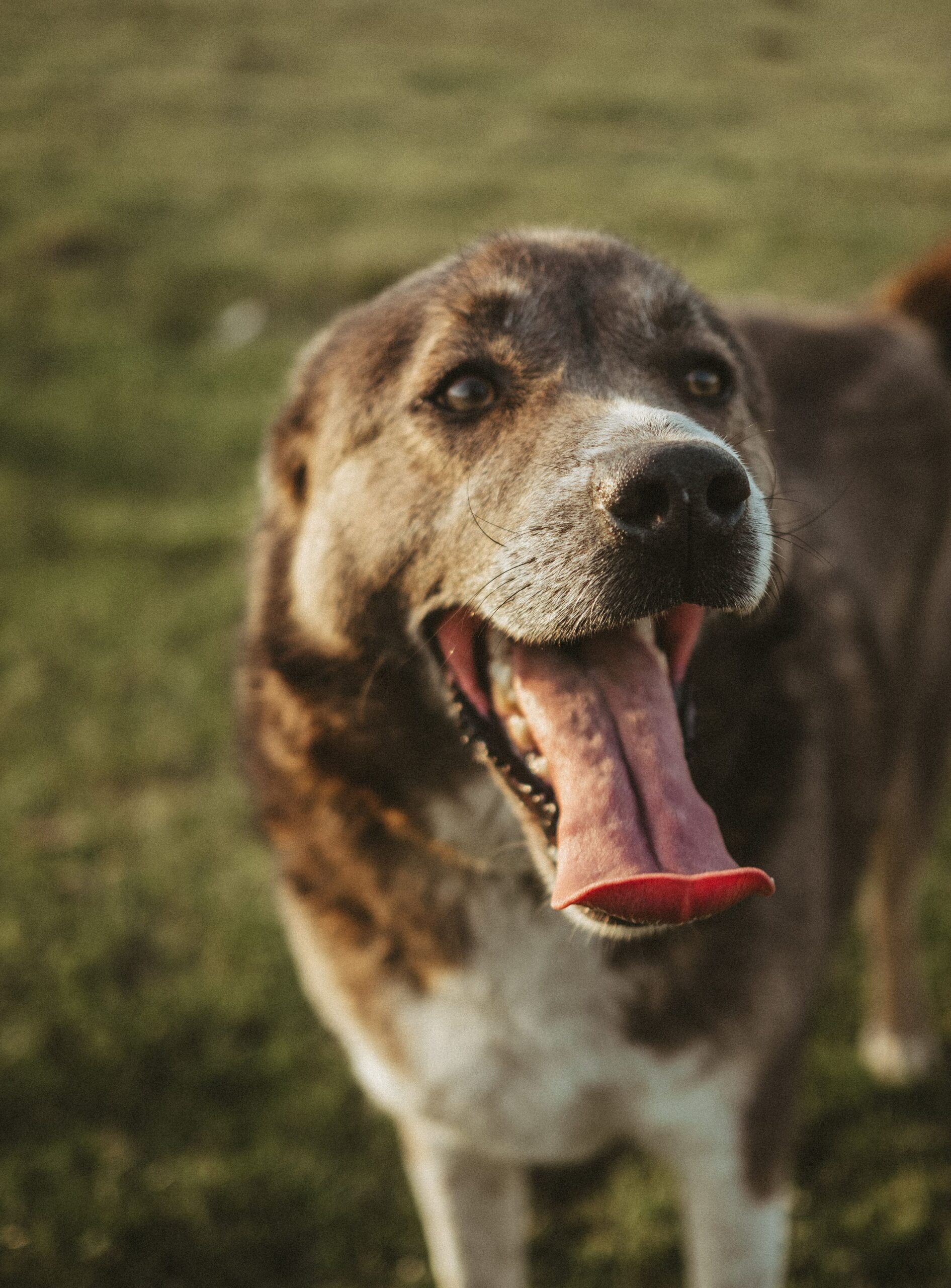
Your dog is lying on the kitchen floor, tongue out, chest going like a pair of bellows – and it hasn’t moved in an hour. Why is my dog panting so much? Panting is how dogs sweat, so most of the time it’s completely normal. But panting is also one of the first signs of heatstroke, pain, poisoning and heart trouble, and knowing which is which can genuinely save your dog’s life.
This guide explains how panting actually works, the nine reasons dogs pant, what counts as “too much”, the red flags that mean a vet now, and exactly what to do if you suspect heatstroke.
Why Dogs Pant in the First Place
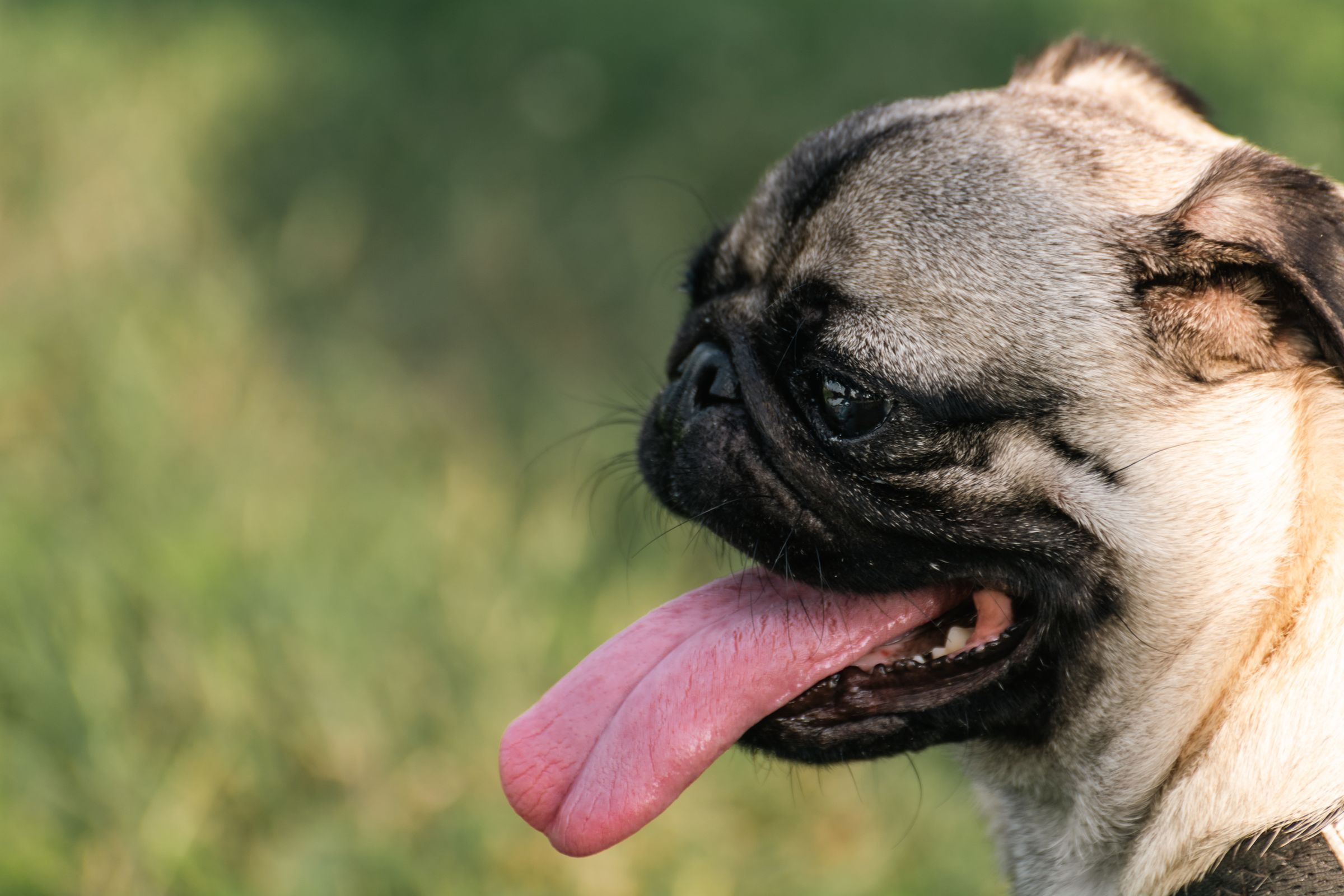
Dogs have very few sweat glands – just a handful in their paw pads and nose. They cool themselves almost entirely by panting: fast, shallow breaths that evaporate moisture from the tongue, mouth and upper airway, taking heat with it. A resting dog breathes about 15–35 times a minute. A panting dog can hit 300–400 breaths a minute, and that’s normal as long as it settles once the dog cools down or calms down.
9 Reasons Why Your Dog Is Panting
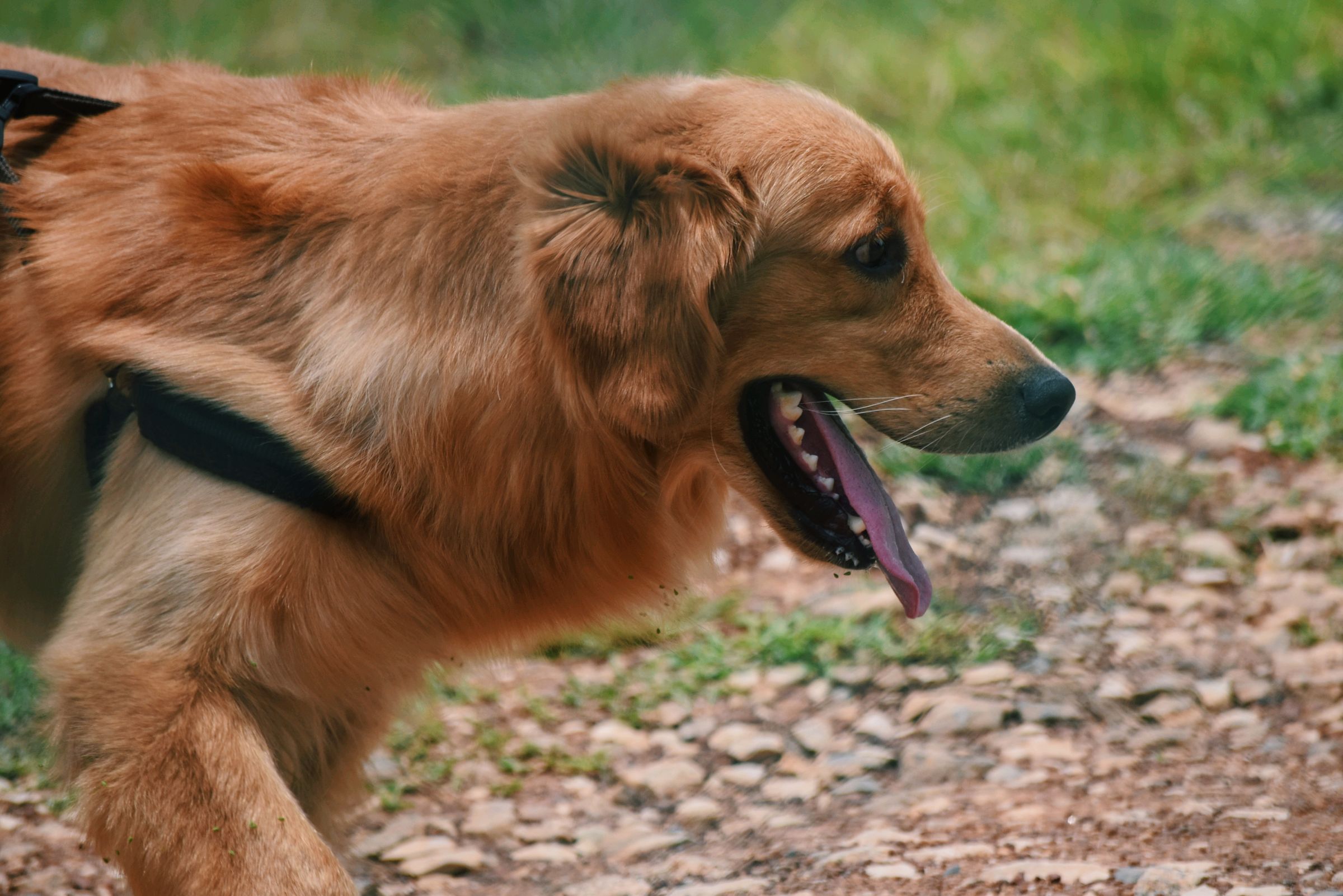
1. Heat – the everyday reason
Warm weather, a hot car, a sunny room, a thick coat. Panting is the cooling system doing its job. It should slow within 10–30 minutes once the dog is somewhere cooler with water.
2. Exercise and excitement
After a run, a game or a visitor arriving, panting is just recovery. Excited panting often comes with a loose, wiggly body and a “smiling” open mouth.
3. Stress, fear and anxiety
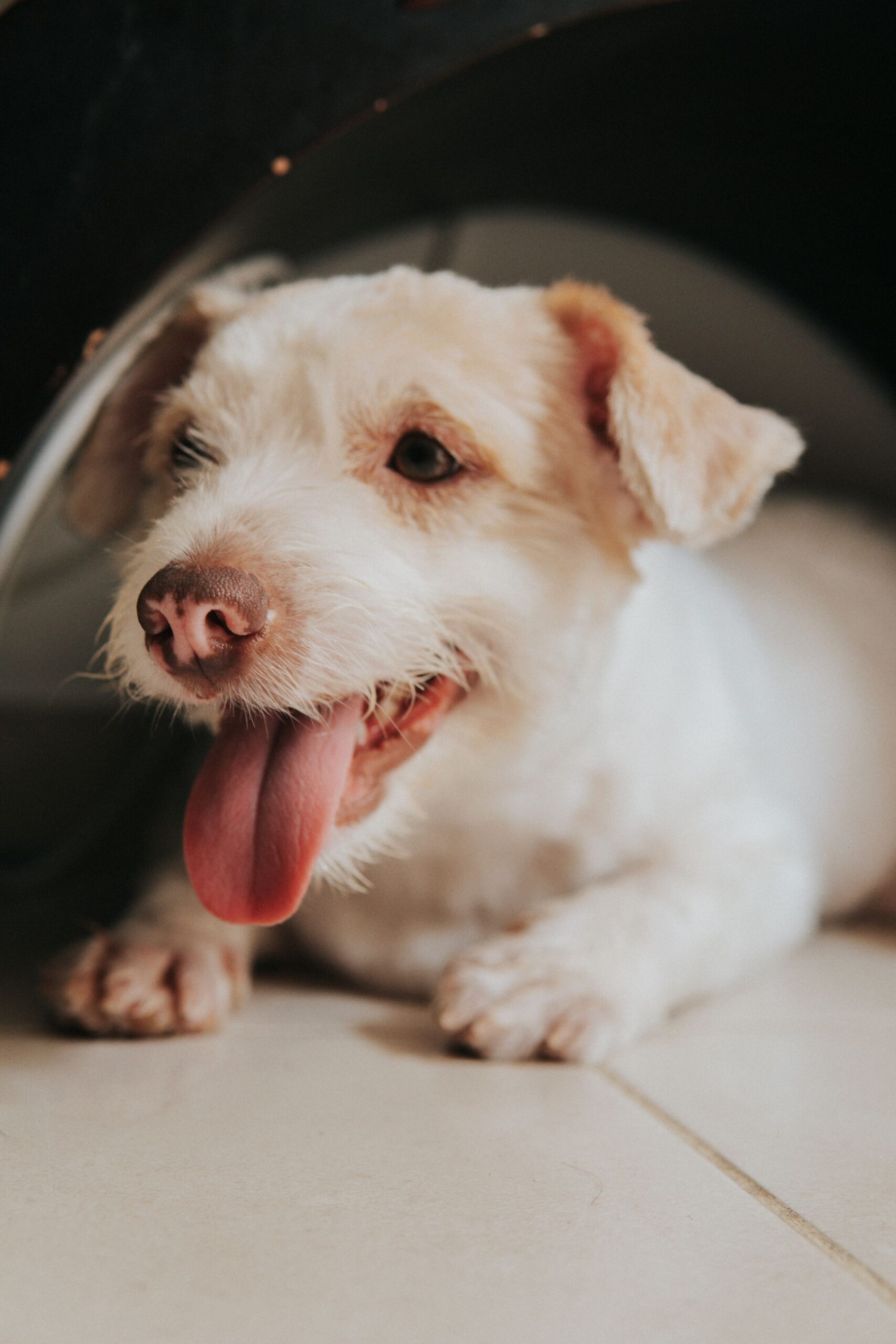
Fireworks, car journeys, the vet’s waiting room, being left alone. Stress panting usually comes with other signals: pacing, yawning, lip-licking, whale eye (whites showing), flattened ears, trembling, or refusing food. It stops when the trigger does.
4. Pain
This one catches owners out. Dogs rarely cry when hurt – they pant. Heavy panting with no heat and no exercise, especially at night or when lying down, is a classic pain signal. Look for a hunched posture, reluctance to jump or climb stairs, licking one spot, or a hard, bloated belly (see red flags below).
5. Heatstroke
The emergency. Frantic, non-stop panting that doesn’t slow in the shade, bright red or blue-tinged gums, thick drool, wobbling, vomiting or collapse. Dogs die of this every summer. Flat-faced breeds (Bulldogs, Pugs, Frenchies, Boxers), overweight dogs, thick-coated breeds, puppies and seniors are at highest risk – and it doesn’t need to be a heatwave. A warm car reaches lethal temperatures in minutes.
6. Breathing and airway problems
Brachycephalic (flat-faced) dogs pant more because their airways are narrower – but noisy, snorting, constant panting isn’t “just how the breed is” and often needs veterinary assessment. Laryngeal paralysis, common in older Labradors, causes a raspy, honking pant. Kennel cough, pneumonia and collapsing trachea also show up as laboured panting.
7. Heart disease and anaemia
If the heart can’t circulate blood properly, or there aren’t enough red cells to carry oxygen, dogs pant to compensate. Look for panting plus coughing (especially at night), tiring quickly on walks, a swollen belly, or pale gums.
8. Medication and Cushing’s disease
Steroids (prednisolone) cause noticeably heavier panting and thirst. So does Cushing’s disease, which is one of the most commonly missed causes of excessive panting in middle-aged and older dogs – the giveaway combination is panting, drinking and weeing a lot more, a pot-bellied look, thinning coat and increased appetite.
9. Age and cognitive decline
Older dogs pant more: less efficient temperature control, arthritis pain, and in some, canine cognitive dysfunction causing night-time restlessness and panting.
How Much Panting Is Too Much?
Ask yourself these four questions:
- Is there a reason? Heat, exercise or excitement explains it. Nothing at all doesn’t.
- Does it stop? Normal panting eases within 10–30 minutes of rest, shade and water.
- Has it changed? Panting that’s new, heavier or happening at rest and overnight matters more than panting that’s always been there.
- What else is going on? Panting plus any other symptom moves it up the urgency scale.
Red Flags: Call the Vet Immediately
Treat any of these as an emergency:
- Gums that are bright red, brick red, pale, white, blue or purple (healthy gums are bubblegum pink and moist)
- Panting that won’t slow down even in a cool room
- Noisy, raspy or honking breathing; stretching the neck out to breathe; elbows held away from the body
- Drooling thick, ropey saliva; vomiting or diarrhoea in the heat
- Wobbling, confusion, collapse or seizures
- A hard, swollen or bloated belly with unproductive retching (possible bloat/GDV – life-threatening within hours)
- Panting after possible poisoning (chocolate, xylitol, antifreeze, slug pellets, some plants) – see our guide on chocolate toxicity in dogs
- Any panting in a dog that also has a known heart condition
Suspected Heatstroke: What to Do Right Now
- Move the dog somewhere cool and shaded with moving air (a fan, an open window, air conditioning).
- Pour or spray cool – not ice-cold – water over the whole body, especially the neck, belly, armpits and groin. Recent research supports cool water immersion as the fastest safe cooling method for healthy dogs.
- Keep the air moving over the wet coat. Evaporation is what actually cools.
- Offer small amounts of cool water to drink if the dog is alert. Never force water into an unconscious dog.
- Do not use ice, ice baths or wet towels left lying on the dog – they trap heat and can cause shock.
- Ring the vet and go, even if the dog seems to recover. Heatstroke damages organs internally and dogs often crash hours later.
Prevention is simpler: walk early morning or late evening, never leave a dog in a parked car, test the pavement with the back of your hand for seven seconds, always carry water, and be extra careful with flat-faced, elderly, overweight or dark-coated dogs.
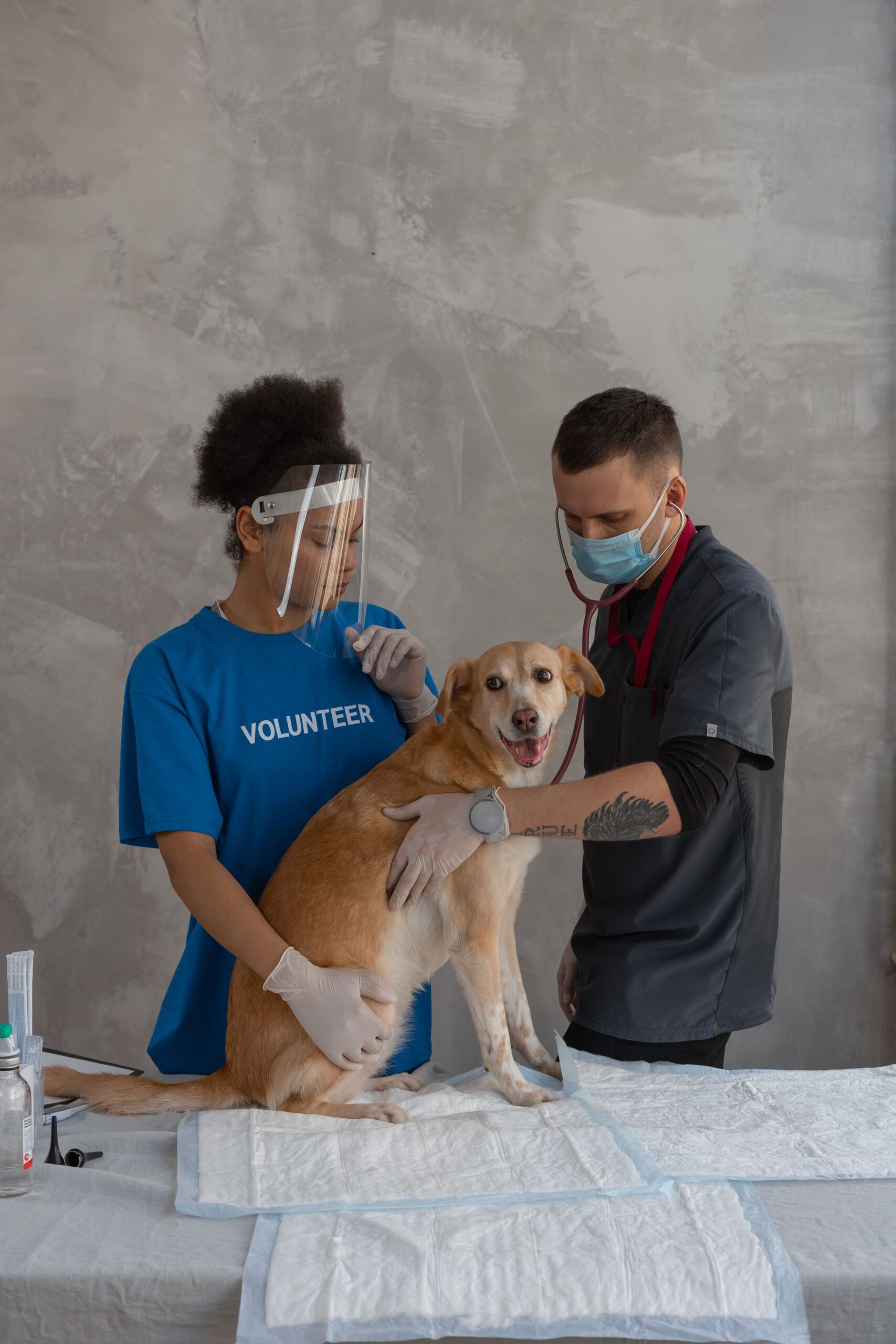
How to Help a Panting Dog at Home
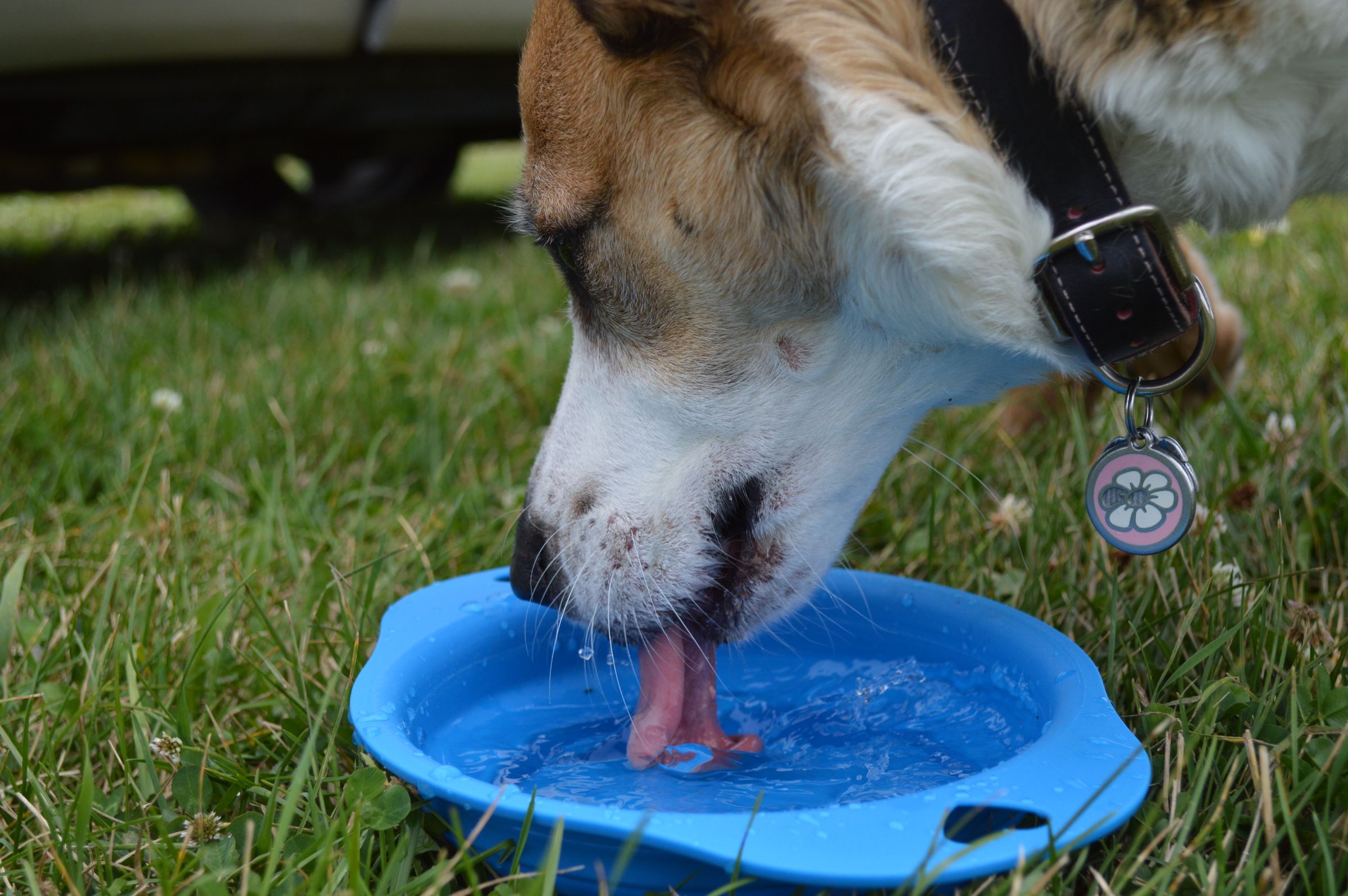
- Fresh, cool water available at all times – add an ice cube or two, not a bowl of ice.
- A cool, shaded room with a fan; a damp towel to lie on (not draped over), or a cooling mat.
- Exercise in the cool parts of the day, and swap a long walk for sniffing games indoors when it’s hot.
- Keep weight down – overweight dogs overheat far faster.
- Regular grooming so a thick coat doesn’t trap heat (but don’t shave double-coated breeds; the coat insulates against heat too).
- For anxiety panting, work on the trigger: desensitisation, a safe den, calming routines, and your vet’s advice for fireworks or travel.
Frequently Asked Questions
Why is my dog panting at night when it’s not hot?
Common causes are pain (especially arthritis), anxiety, Cushing’s disease, heart problems, or cognitive decline in older dogs. Night-time panting with no heat is worth a vet check.
Why is my dog panting but not hot or tired?
Think stress, pain or illness. Look for other signs – restlessness, hiding, hunching, coughing, drinking more – and note when it happens so you can tell your vet.
Is heavy panting always an emergency?
No. But heavy panting plus abnormal gum colour, distressed breathing, collapse, vomiting or a bloated belly is. When in doubt, ring the vet – phone advice is free and fast.
How long should a dog pant after a walk?
Usually 10–30 minutes, shorter for a fit dog and a short walk. Panting that carries on for more than about 30 minutes in a cool room deserves attention.
Do puppies pant more than adult dogs?
Yes. Puppies are less efficient at regulating temperature and get excited more easily, so they pant more readily – and they’re also more vulnerable to overheating.
Why does my dog pant in the car?
Usually travel anxiety or motion sickness, sometimes heat. Try a cooler, well-ventilated spot, no food for a few hours before the journey, gradual desensitisation, and ask your vet about anti-nausea options for long trips.
Final Thoughts
So, why is my dog panting so much? Nine times out of ten it’s heat, exercise or excitement, and it settles on its own. The tenth time it’s pain, heatstroke or an internal problem – and the signs that separate the two are gum colour, whether the panting stops, and what else is happening at the same time. Learn those three, and you’ll catch the emergencies early. For more on keeping your dog well, read how long dogs live and how to add years and why your dog follows you everywhere.