

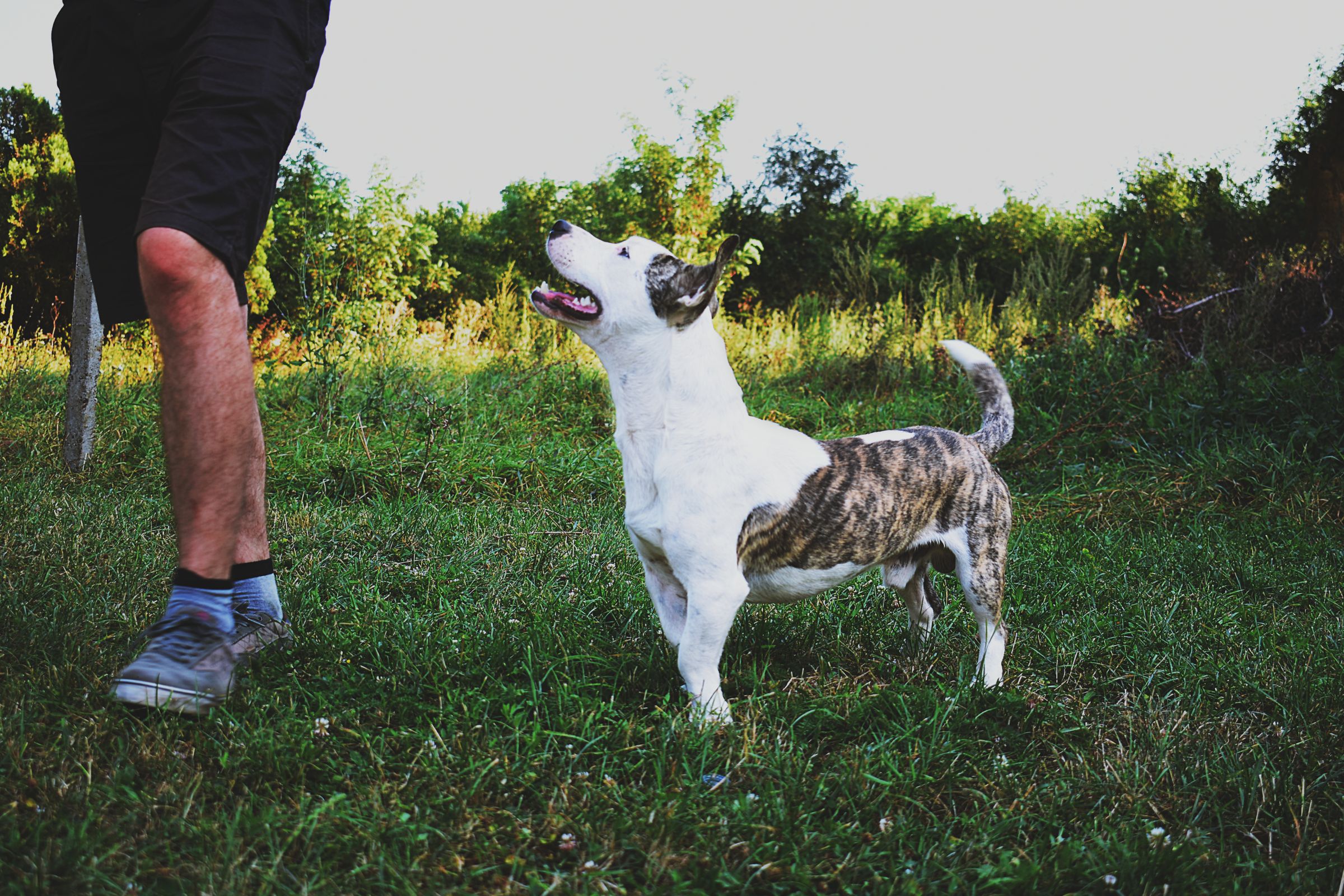
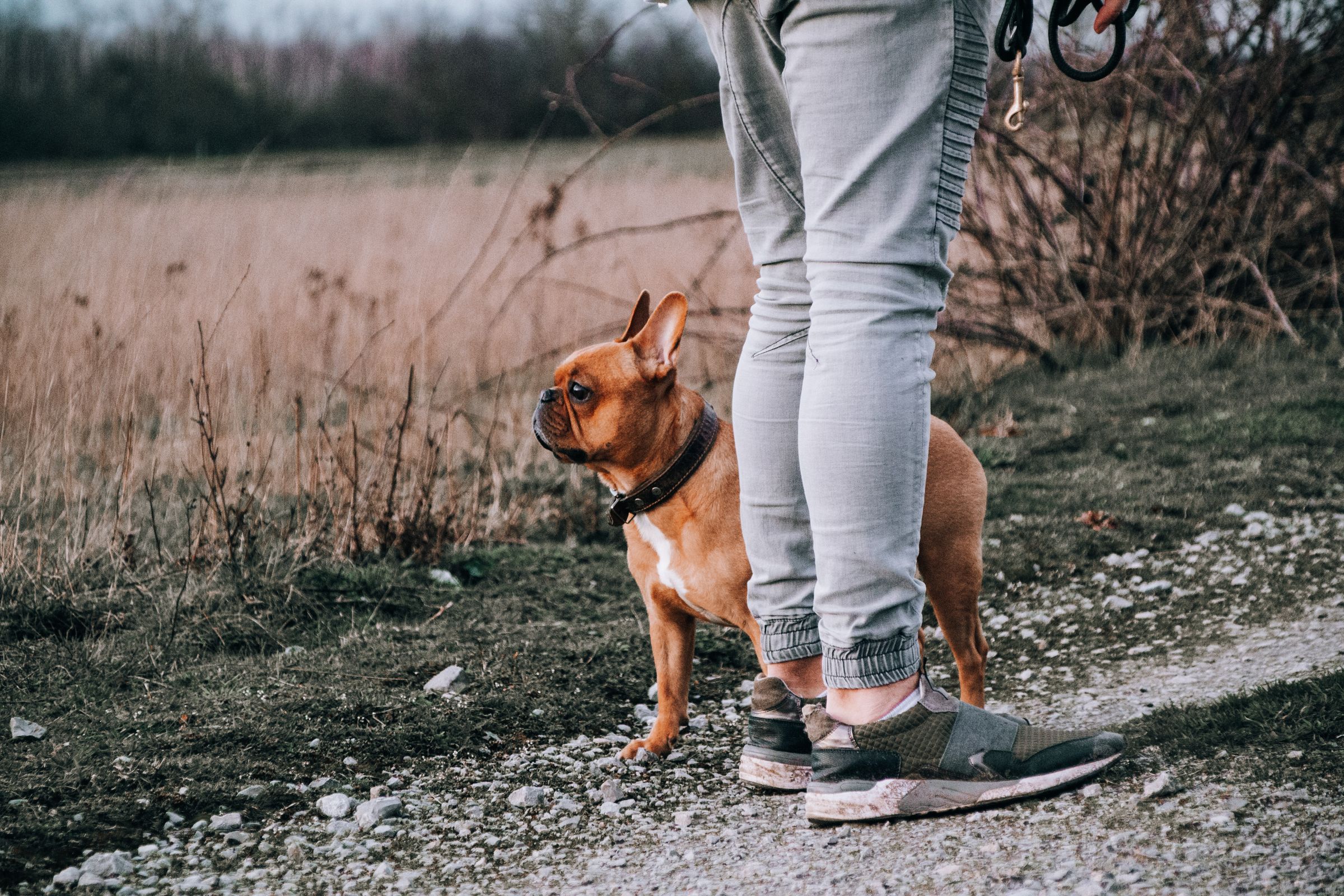
Kitchen, bathroom, bedroom, back to the kitchen, and there’s the dog, two steps behind you every time. Why does my dog follow me everywhere? Owners of “velcro dogs” ask this constantly, half flattered and half wondering whether it’s healthy. The short answer: for most dogs it’s a mix of instinct, love and the very reasonable hope that something good is about to happen. For a few, it’s anxiety, and the difference matters.
This guide covers the eight real reasons dogs shadow their people, which breeds are wired for it, how to tell devotion from separation anxiety, when following becomes a problem, and how to help a clingy dog feel secure enough to relax on its own.
8 Reasons Why Your Dog Follows You Everywhere
1. You’re the pack
Dogs are social animals descended from pack hunters. Being near the group is safety; being alone is risk. To your dog, you’re the leader of a two-member pack, and staying close to you is simply what pack members do. It’s not neediness. It’s 15,000 years of instinct.
2. Positive reinforcement, you’re where good things happen
Food comes from you. Walks come from you. Ear scratches, treats, the sofa, the car ride, all you. Every time following you leads to something good, the behaviour is reinforced. A dog that trails you to the kitchen has learned, correctly, that kitchens produce snacks.
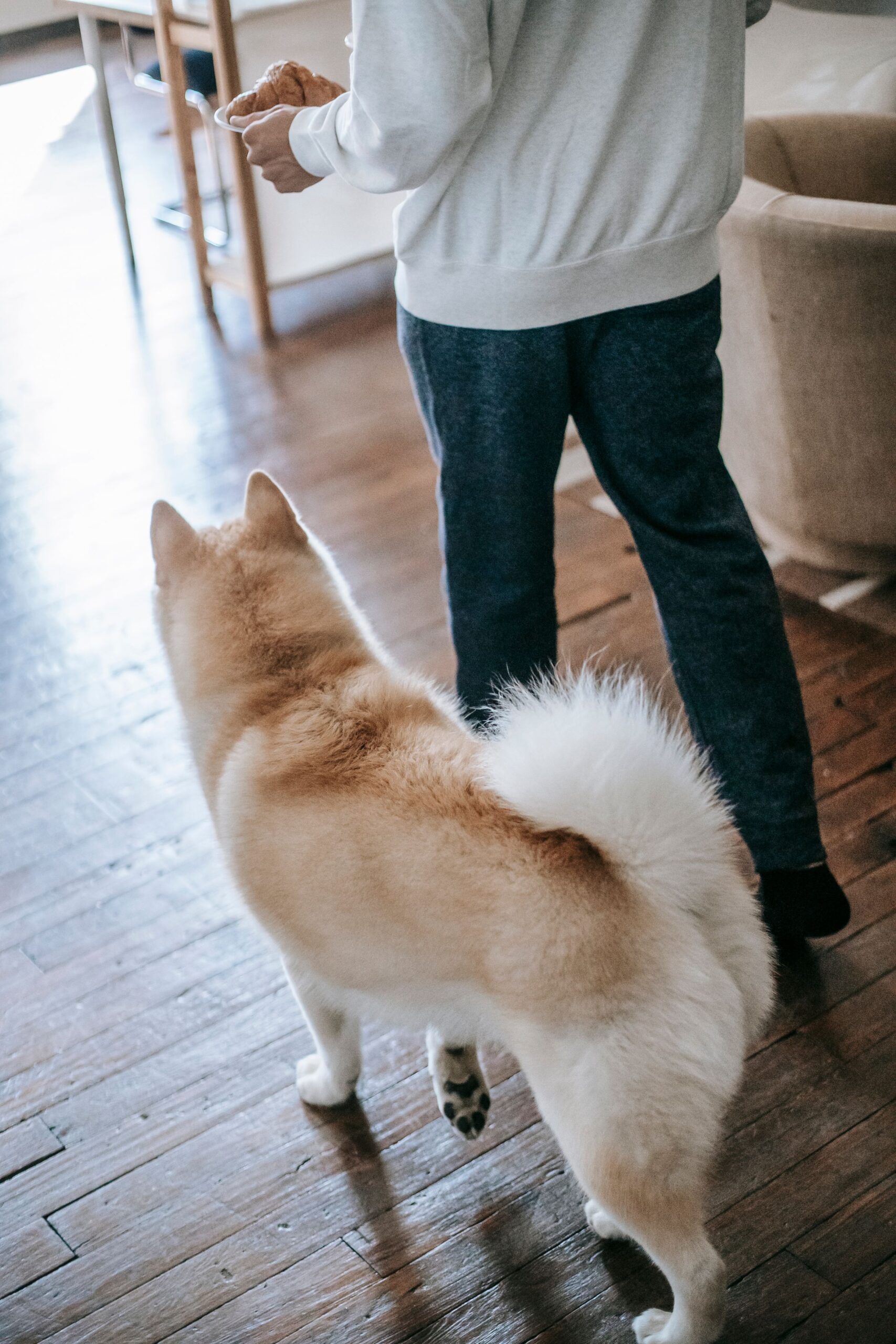
3. Breed, some dogs were bred to stick to you
Working and companion breeds were selected for exactly this. Herding dogs (Border Collies, Australian Shepherds, German Shepherds) are wired to watch and stay with their person. Lap breeds (Cavalier King Charles Spaniels, Chihuahuas, Pugs, Maltese) were bred purely for company. Retrievers and gundogs were bred to work beside a handler all day. If you have one of these, following you is the job description.
4. Curiosity and boredom
You’re the most interesting thing in the house. When nothing else is going on, watching what you do is the entertainment. Dogs that get too little exercise or mental stimulation follow more, because they’ve got nothing better to do.
5. Companionship and affection
Dogs genuinely bond with their people. Studies using MRI scans show a dog’s reward centre lights up at the scent of its owner more than at anything else, including food. Following you is often just wanting to be near the person it loves, the same instinct behind why your dog licks you.
6. Puppies, rescues and imprinting
Puppies between 3 and 12 weeks imprint on the people around them and follow them like they’d follow their mother. Rescue dogs often go through a “velcro” phase in a new home too. You’re the one safe thing in an unfamiliar world. Both usually settle as confidence grows.
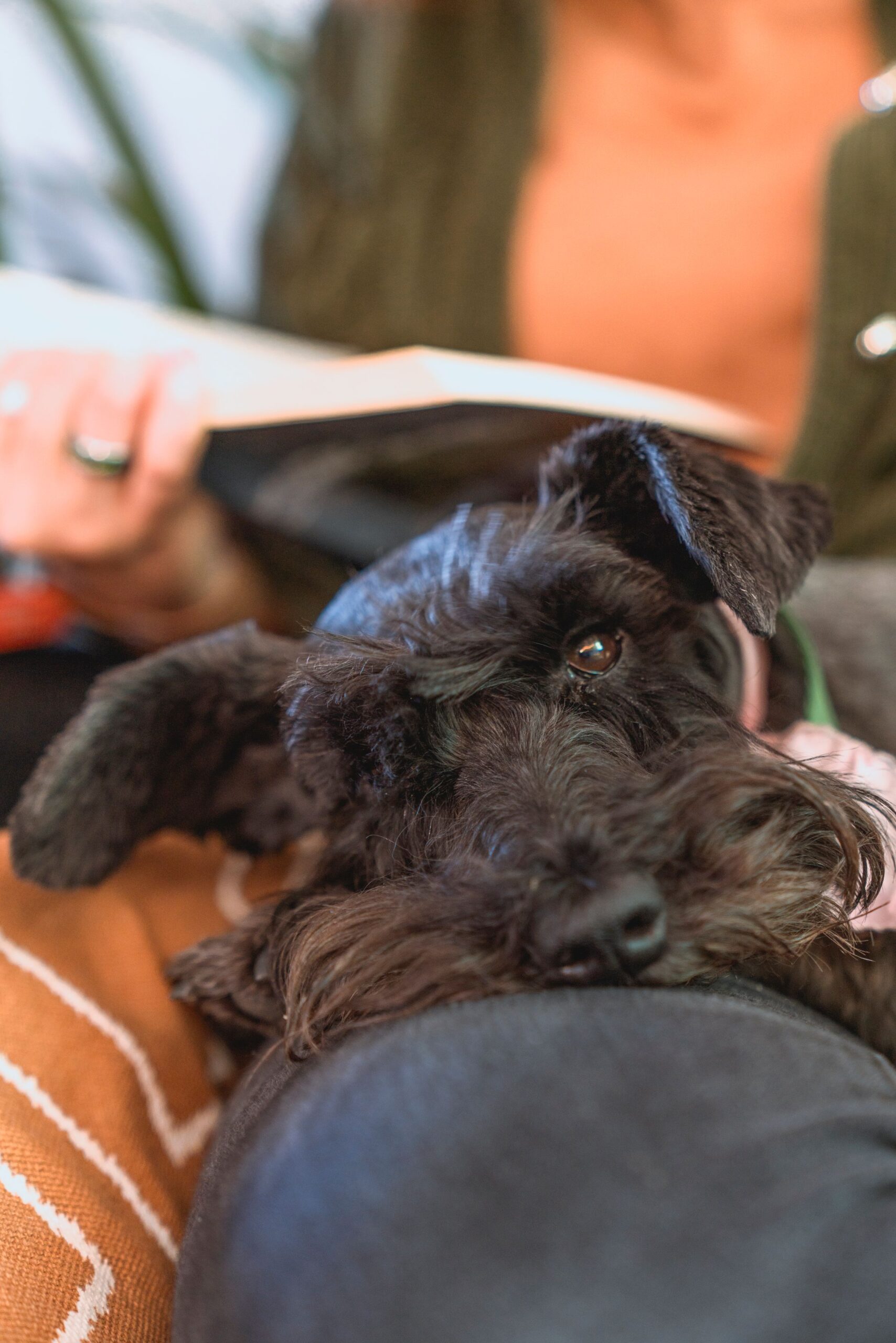
7. Something’s changed, or they’re not feeling well
A dog that suddenly starts following you more than usual may be reacting to a change: a house move, a new baby, a new pet, a change in your routine, or noises like fireworks. Illness and pain make dogs clingy too, and older dogs with failing eyesight, hearing or early cognitive decline often stick close because you’re their anchor. Sudden clinginess in a previously independent dog is worth a vet check.
8. Separation anxiety
This is the one to watch for. A dog with separation anxiety doesn’t just follow you. It panics when it can’t. Signs include pacing or whining when you head for the door, destruction, toileting or howling when you’re out, refusing to eat alone, and frantic greetings when you return. Following you around the house is normal; being unable to cope without you is not.
Devotion or Anxiety? How to Tell the Difference
- Healthy following: the dog trails you, then settles nearby, lying down, dozing, chewing a toy. It can stay in another room and cope when you leave the house.
- Anxious following: the dog can’t settle, stays on its feet, whines if a door closes between you, and shows distress (panting, drooling, pacing, destruction) when left alone.
If it’s the second, skip to the section on helping a clingy dog and speak to your vet or a qualified behaviourist. Separation anxiety responds well to treatment but rarely fixes itself.
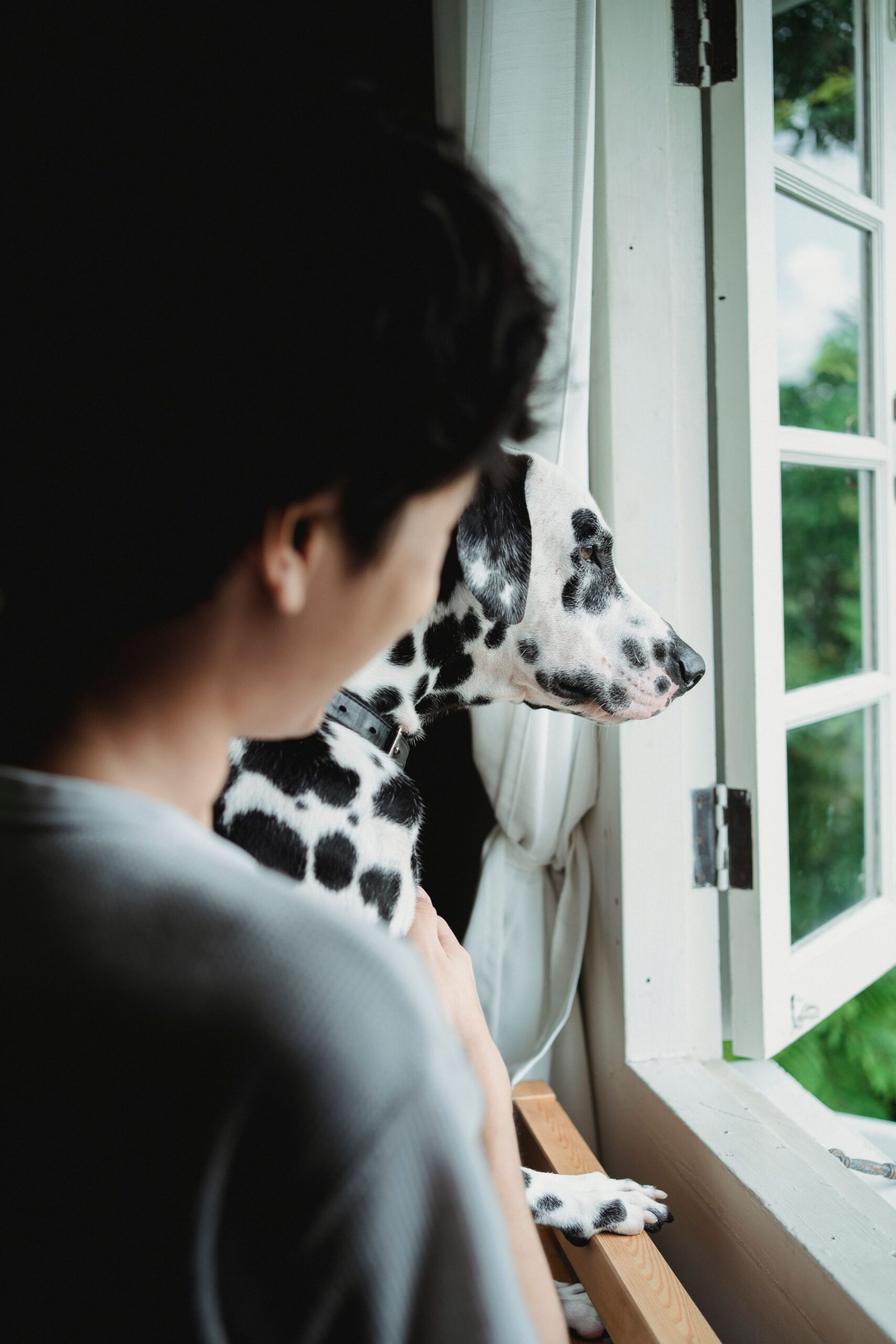
Is It a Problem If My Dog Follows Me Everywhere?
Usually no. A dog that follows you and then relaxes is a bonded, happy dog. It becomes a problem when:
- the dog can’t be left alone at all without distress;
- you’re tripping over the dog constantly (a real injury risk with big dogs and elderly owners);
- the dog is anxious rather than content, always on alert, never settling;
- the following started suddenly and comes with other changes in behaviour or health.
How to Help a Clingy Dog Feel Secure
- Exercise and enrichment first. A tired, mentally satisfied dog follows less. Add a sniff walk, a training session or a puzzle feeder to the day.
- Teach “place” or “settle”. Reward the dog for lying on a bed or mat while you move around. Start with seconds, build to minutes. This gives the dog a job that isn’t “watch the human”.
- Practise short separations. Close a door between you for 10 seconds, return, reward calm. Slowly extend. Never make a fuss on leaving or returning.
- Reward independence, not shadowing. If the dog chooses to stay in its bed while you go to the kitchen, that’s when the treat appears, not when it follows.
- Give them something to do when you go. A frozen KONG or long-lasting chew on departure turns “you’re leaving” into “snack time”.
- Don’t punish following. Shouting at a dog for being near you makes an anxious dog worse and confuses a loving one.
- Get help for true separation anxiety. A vet can rule out medical causes and, if needed, a behaviourist can build a desensitisation plan. Medication is sometimes used alongside training for severe cases.
Frequently Asked Questions
Why does my dog follow me to the bathroom?
Because you’re going somewhere and the pack goes together, and because closed doors bother dogs. Some dogs also see the bathroom as a moment when you’re finally sitting still and available for attention.
Why does my dog follow me and not my partner?
Dogs tend to shadow the person who feeds, walks and trains them, the person they bonded with first, or simply the one who moves around the most and is therefore most interesting. It isn’t a judgement on your partner.
Why has my dog suddenly started following me everywhere?
Sudden clinginess usually means something has changed, a new schedule, a move, a new pet or baby, fireworks season, or that the dog isn’t feeling well. If nothing in the household has changed, book a vet check, especially for an older dog.
Do dogs follow you because they trust you?
Yes, following is partly trust. A dog chooses to stay near the person it feels safest with.
What breeds follow their owners the most?
Herding breeds (Border Collie, Australian Shepherd, German Shepherd), gundogs (Labrador, Golden Retriever, Vizsla) and companion breeds (Cavalier King Charles, Chihuahua, Pug, Maltese, Shih Tzu). Vizslas are nicknamed “velcro dogs” for a reason.
Should I ignore my dog when it follows me?
Not ignore exactly, just don’t reward the following itself. Reward calm behaviour and settling instead, and make sure the dog’s needs (exercise, play, company) are met so it doesn’t need to shadow you to get them.
Final Thoughts
So, why does my dog follow me everywhere? Because you’re the pack, you’re the source of everything good, and, for a lot of breeds, sticking to you is literally what they were made for. Enjoy the company. Just make sure your dog can also switch off, cope alone and settle without you, and watch for sudden changes that could point to anxiety or illness. For more on reading your dog, see why dogs eat grass and how to help your dog live longer.