

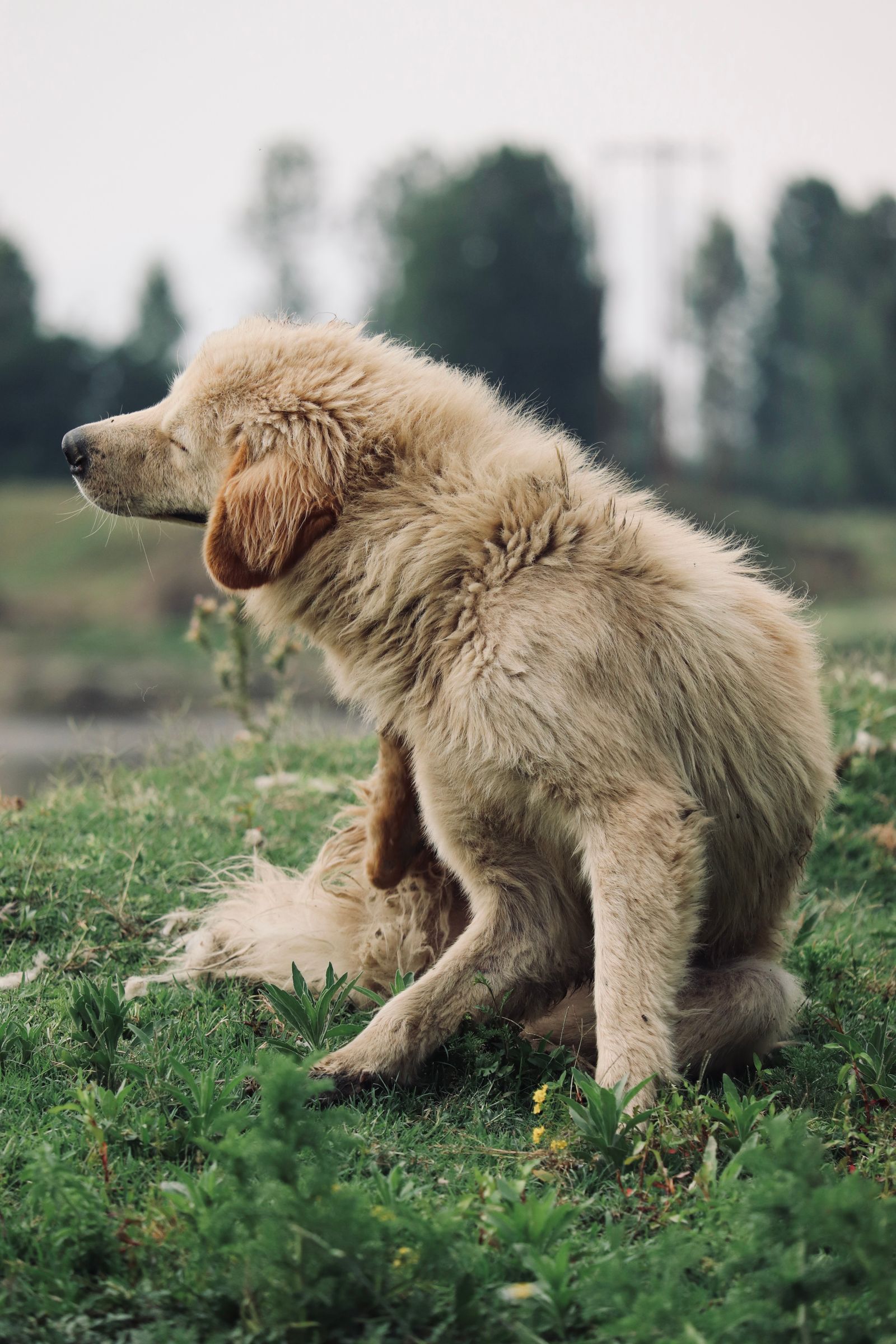
Your dog is scratching, you’ve spotted a tiny dark speck jumping in its coat, and now you want to know how to get rid of fleas on dogs – fast and for good. The good news: flea infestations are very treatable. The bad news: most people treat only the dog, and the fleas keep coming back. That’s because the fleas you can see are just 5% of the problem – the other 95% are eggs, larvae and pupae hidden in your carpets, bedding and sofa.
This guide walks you through the whole job: confirming fleas, treating your dog, treating your home, breaking the flea life cycle, and stopping them from returning. Follow all the steps – not just the first one – and you’ll be flea-free within a few weeks.
Signs Your Dog Has Fleas
- Scratching, biting and licking – especially around the base of the tail, back legs, belly and groin
- Flea dirt – tiny black specks in the coat that look like ground pepper (it’s flea faeces – digested blood)
- Live fleas – small, dark brown, fast-moving insects, most easily seen on the belly or at the base of the tail
- Red bumps or scabs, hair loss and hot spots, particularly on the lower back
- Restlessness and sudden jumping up as if bitten
- Pale gums in puppies or small dogs – a sign of flea anaemia, which is an emergency
- Tapeworm segments (like grains of rice) near the tail – fleas carry tapeworm
The paper towel test
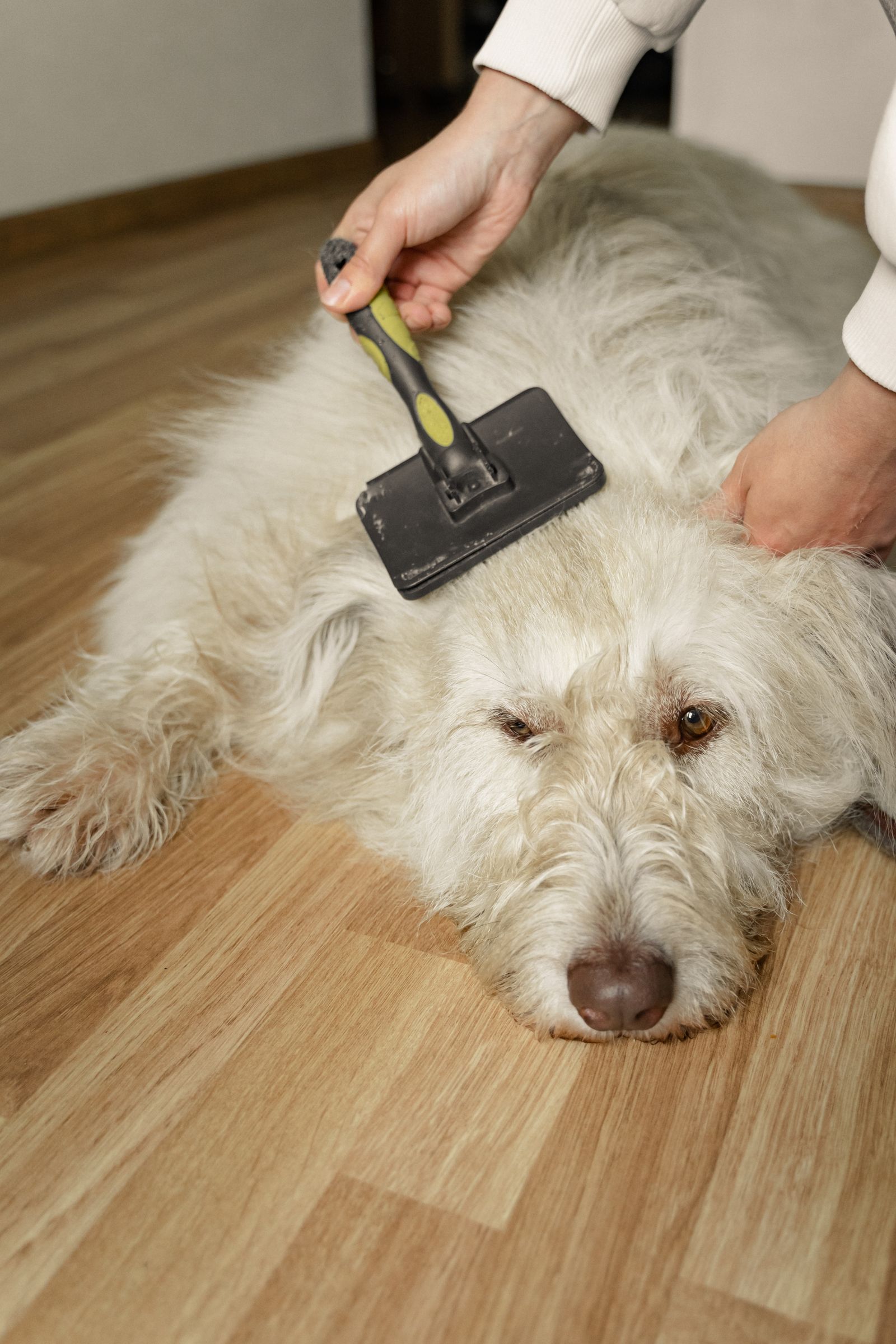
Run a fine-toothed flea comb through the coat and tap the debris onto a damp white paper towel. If the black specks smear red-brown, it’s flea dirt and your dog has fleas – even if you never see a live one.
Understanding the Flea Life Cycle (Why Fleas Keep Coming Back)
To beat fleas you have to understand the enemy. A single female flea lays up to 50 eggs a day. The eggs fall off your dog wherever it goes, then:
- Eggs (2–10 days) hatch in carpets, bedding and floorboard cracks.
- Larvae (5–20 days) burrow away from light, feeding on flea dirt.
- Pupae (1–4 weeks, but up to several months) sit in a cocoon that is resistant to almost every insecticide, waiting for warmth and vibration – a passing dog or person – before hatching.
- Adults jump onto a host within seconds and start feeding and laying eggs within 24–48 hours.
This is why you may still see a few fleas two or three weeks after treating – pupae are hatching. It doesn’t mean the treatment failed; it means you need to keep going.
How to Get Rid of Fleas on Dogs: 7 Steps
Step 1: Treat every pet in the house with a proper flea product
This is the single most important step, and it must include every dog, cat and rabbit in the home – not just the one that’s scratching. The most effective options are prescription or vet-recommended products:
- Oral chewable tablets (e.g. those containing fluralaner, afoxolaner, sarolaner or lotilaner) – kill fleas within hours, last 1–3 months, unaffected by bathing or swimming. Most vets’ first choice.
- Spot-on treatments (e.g. fipronil, imidacloprid, selamectin) – applied to the skin at the back of the neck monthly. Effective, but don’t bathe your dog for 48 hours either side of application.
- Flea collars – modern ones containing imidacloprid + flumethrin last up to 8 months and work well. Cheap supermarket collars generally don’t.
- Fast-acting tablets (nitenpyram) – kill adult fleas within 30 minutes but only last a day; useful as a quick knock-down alongside a longer-lasting product.
Never use a dog flea product on a cat – permethrin, common in dog spot-ons, is lethal to cats. And always dose by your dog’s current weight.
Step 2: Flea comb and bathe your dog
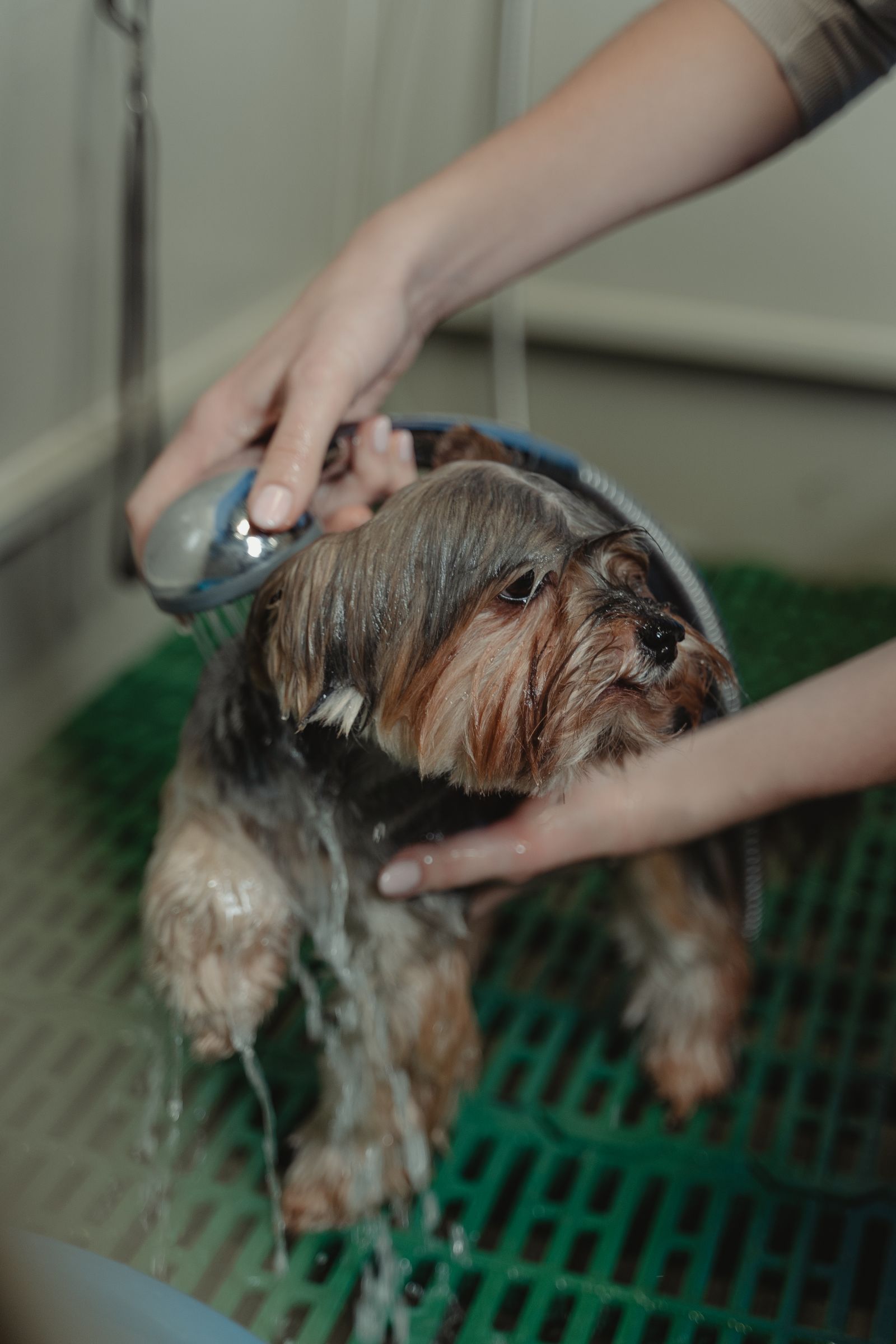
A bath with a gentle dog shampoo (or a vet-approved flea shampoo) drowns and removes many adult fleas and soothes itchy skin. Comb the coat daily with a fine flea comb, dipping it in soapy water to kill what you catch. Remember: bathing alone will not solve an infestation – it removes today’s fleas, not tomorrow’s.
Step 3: Wash everything washable
Strip your dog’s bed, blankets, your own bedding if the dog sleeps on it, cushion covers, throws and soft toys. Wash on the hottest cycle the fabric allows (60°C / 140°F kills all flea stages) and tumble dry on high. Anything that can’t be washed should be bagged for two weeks or thrown away.
Step 4: Vacuum like you mean it
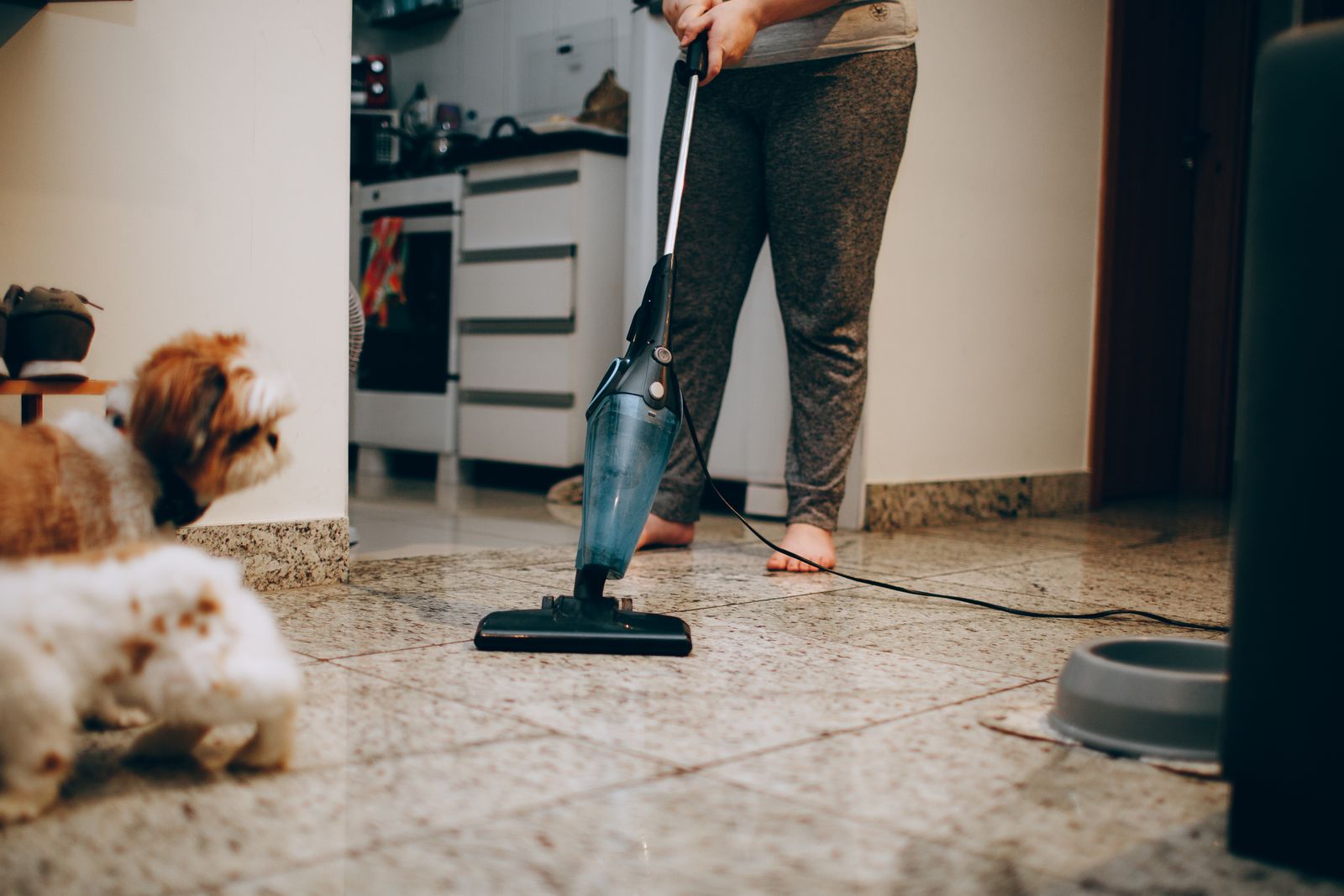
Vacuum carpets, rugs, sofas (under the cushions), mattresses, skirting boards, floorboard gaps and under furniture – every day for at least two weeks. Vacuuming removes eggs and larvae, and the vibration triggers pupae to hatch so they can be killed. Empty the vacuum outside into a sealed bag immediately; fleas survive inside the canister.
Step 5: Treat the house
Use a household flea spray containing an insect growth regulator (IGR – look for methoprene or pyriproxyfen) plus an adulticide. The IGR stops eggs and larvae developing for up to 12 months and is what actually breaks the cycle. Spray carpets, under furniture, along skirting boards, in the car and anywhere your dog rests. Keep pets and people out of the room until it’s dry, and never spray near fish tanks. For heavy infestations, a professional pest controller is worth the money.
Step 6: Don’t forget the garden and car
Fleas thrive in shaded, damp areas: under decking, in long grass, in kennels and in the car boot. Mow regularly, clear leaf litter, wash kennel bedding and vacuum the car. Wildlife (foxes, hedgehogs, stray cats) can reintroduce fleas, so year-round prevention on your dog matters.
Step 7: Keep treating for at least 3 months
Because pupae can lie dormant for months, one round of treatment is never enough. Keep every pet on their flea product without gaps for a minimum of three consecutive months, and keep vacuuming. Most infestations are fully cleared within 4–8 weeks; stubborn ones can take three months.

Home Remedies for Fleas on Dogs: What Works and What Doesn’t
- Flea comb + soapy water – ✅ genuinely useful for removing and monitoring fleas.
- Washing and vacuuming – ✅ essential, not optional.
- Diatomaceous earth (food-grade) – ⚠️ can help in carpets and bedding but is slow, dusty and irritating to lungs; don’t put it directly on your dog.
- Apple cider vinegar – ❌ doesn’t kill fleas; may mildly repel them at best.
- Lemon or citrus sprays – ❌ ineffective, and citrus oils can irritate skin.
- Essential oils (tea tree, eucalyptus, pennyroyal, cinnamon) – ❌ dangerous. Several are toxic to dogs and deadly to cats.
- Garlic or brewer’s yeast in food – ❌ no evidence, and garlic is toxic to dogs.
- Dish soap baths – ⚠️ kills fleas on contact but strips natural oils; a proper dog shampoo is better.
Home remedies can support a treatment plan, but none of them replace a licensed flea product.
How to Stop Fleas Coming Back
- Keep every pet on year-round flea prevention – fleas live happily indoors through winter thanks to central heating.
- Set a phone reminder for the next dose; missed doses are the number-one cause of reinfestation.
- Wash pet bedding weekly and vacuum high-traffic areas regularly.
- Check your dog with a flea comb after walks in long grass or contact with other animals.
- Worm your dog regularly – fleas transmit tapeworm.
When to See the Vet
Book an appointment if your dog has raw, bleeding or infected skin, hair loss, pale gums, lethargy, or if fleas persist after a month of thorough treatment. Some dogs develop flea allergy dermatitis – an intense reaction to a single bite that needs medication to settle. Puppies under eight weeks and very small or elderly dogs should only be treated on a vet’s advice, as many products aren’t licensed for them. And if you’re using a supermarket product without success, ask your vet for a prescription option – the difference in effectiveness is significant.
Frequently Asked Questions
How long does it take to get rid of fleas on a dog?
Adult fleas on your dog die within hours of a good treatment. Clearing the home completely usually takes 4–8 weeks, occasionally up to 3 months, because of dormant pupae.
Can I get fleas from my dog?
Dog and cat fleas will bite humans – usually around the ankles – but they can’t live and breed on people. Bites on you usually mean the home is infested.
Why does my dog still have fleas after treatment?
Almost always because pupae in the house are still hatching, another pet wasn’t treated, the dose was too low for the dog’s weight, or a supermarket product was used. Keep treating and clean the home thoroughly.
Can fleas kill a dog?
Rarely, but heavy infestations can cause life-threatening anaemia in puppies and small dogs. Pale gums and weakness need urgent veterinary care.
Do fleas die in winter?
Outdoors, cold slows them down. Indoors, a heated home is flea paradise all year round – which is why year-round prevention is recommended.
Final Thoughts
Getting rid of fleas on dogs comes down to three things: a proper vet-grade product on every pet, a serious clean of the home to attack eggs and larvae, and the patience to keep going for three months so dormant pupae don’t restart the cycle. Do all three and the scratching stops. For more on keeping your dog comfortable and healthy long-term, see our guides on why dogs eat grass and how long dogs live.