

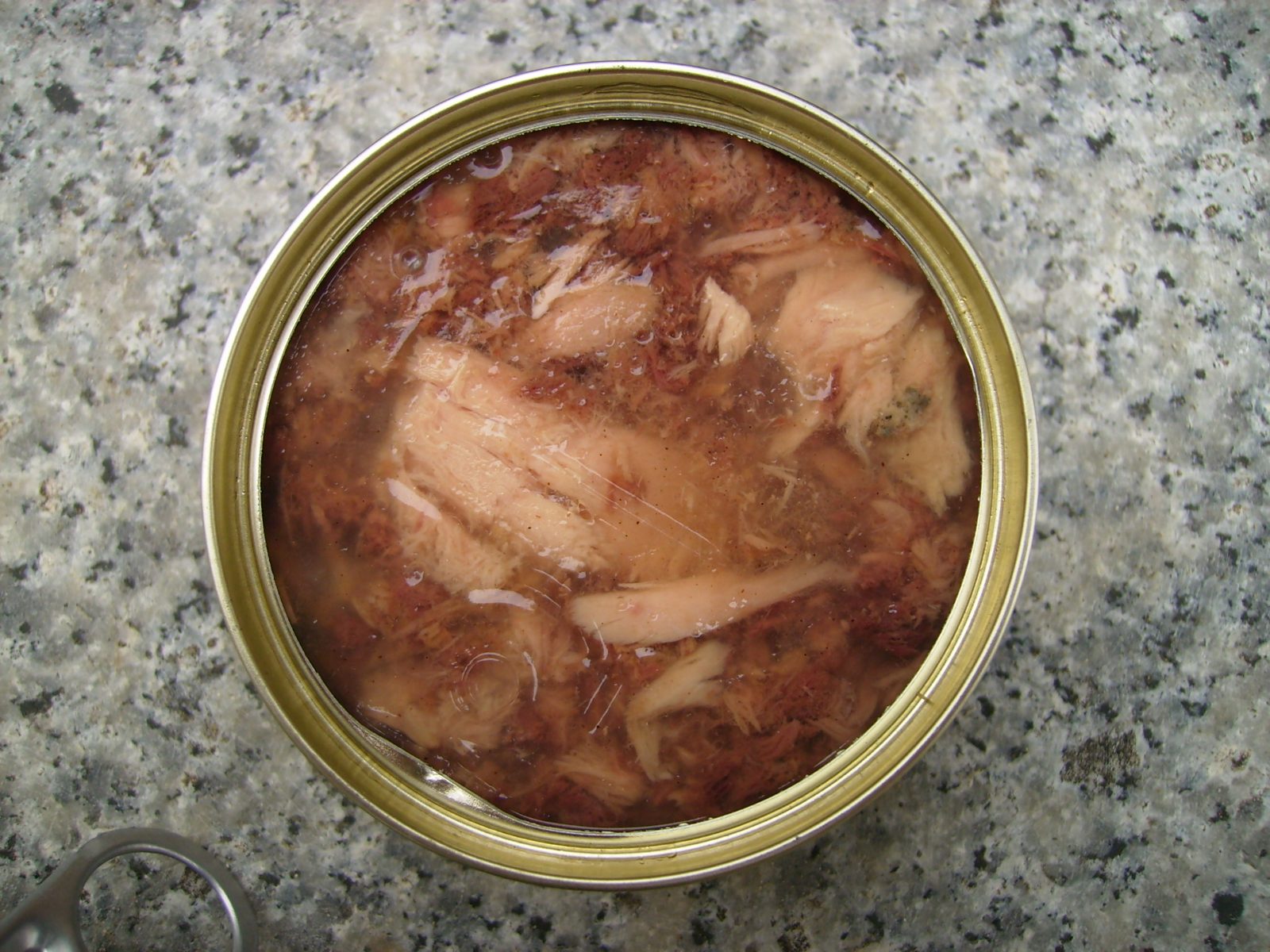
The short answer: a study published in October 2026 found lead in 99% of the cat foods it tested, along with cadmium in 96% and arsenic in 94%. That sounds terrifying and the number is real, but it is not the part that matters. Detection is not the same as harm, and the study itself does not claim the foods are unsafe.
What was actually tested
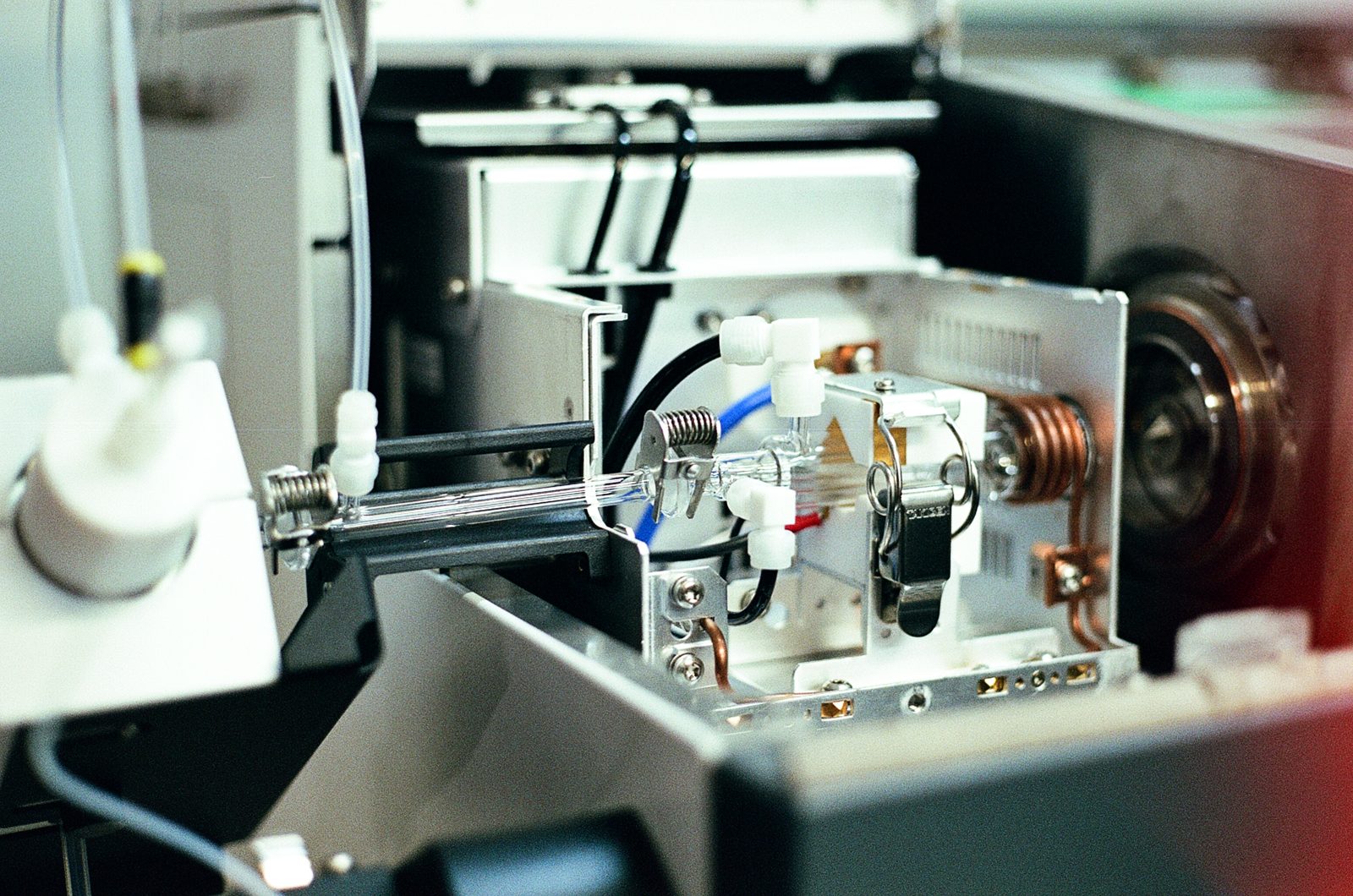
The Clean Label Project, a nonprofit, bought 100 cat food products from 62 brands and screened them for more than 122 industrial and environmental contaminants. The split was 31 dry, 40 wet, and 29 air dried or freeze dried. Testing was done by an independent laboratory holding ISO 17025 accreditation, using inductively coupled plasma mass spectrometry.
The headline results:
- Lead detected in 99% of products
- Cadmium in 96%
- Arsenic in 94%
- Mercury detected too, concentrated in fish based products
- A plasticizer found in 48 products, at higher levels in cans and pouches
Why 99% is the least interesting number in the story
Here is the thing that gets lost. Lead, cadmium and arsenic occur naturally in soil, water and air. Anything grown in soil picks up traces. Test sensitively enough and you will find them in cat food, dog food, baby food, chocolate, rice and spinach. A 99% detection rate across 100 products is close to what you would predict before testing anything.
The Clean Label Project is clear about this in its own report, and it is worth quoting because the headlines were not: the question “is not whether a product contains heavy metals, but whether it contains relatively high or low levels compared with other products”.
So the study is a ranking exercise, not a safety verdict. It tells you some foods carry more than others. It does not tell you that any of them harmed a cat, and it does not claim to.
The methodology choice that deserves credit
One decision in this study is genuinely clever and almost nobody reported it.
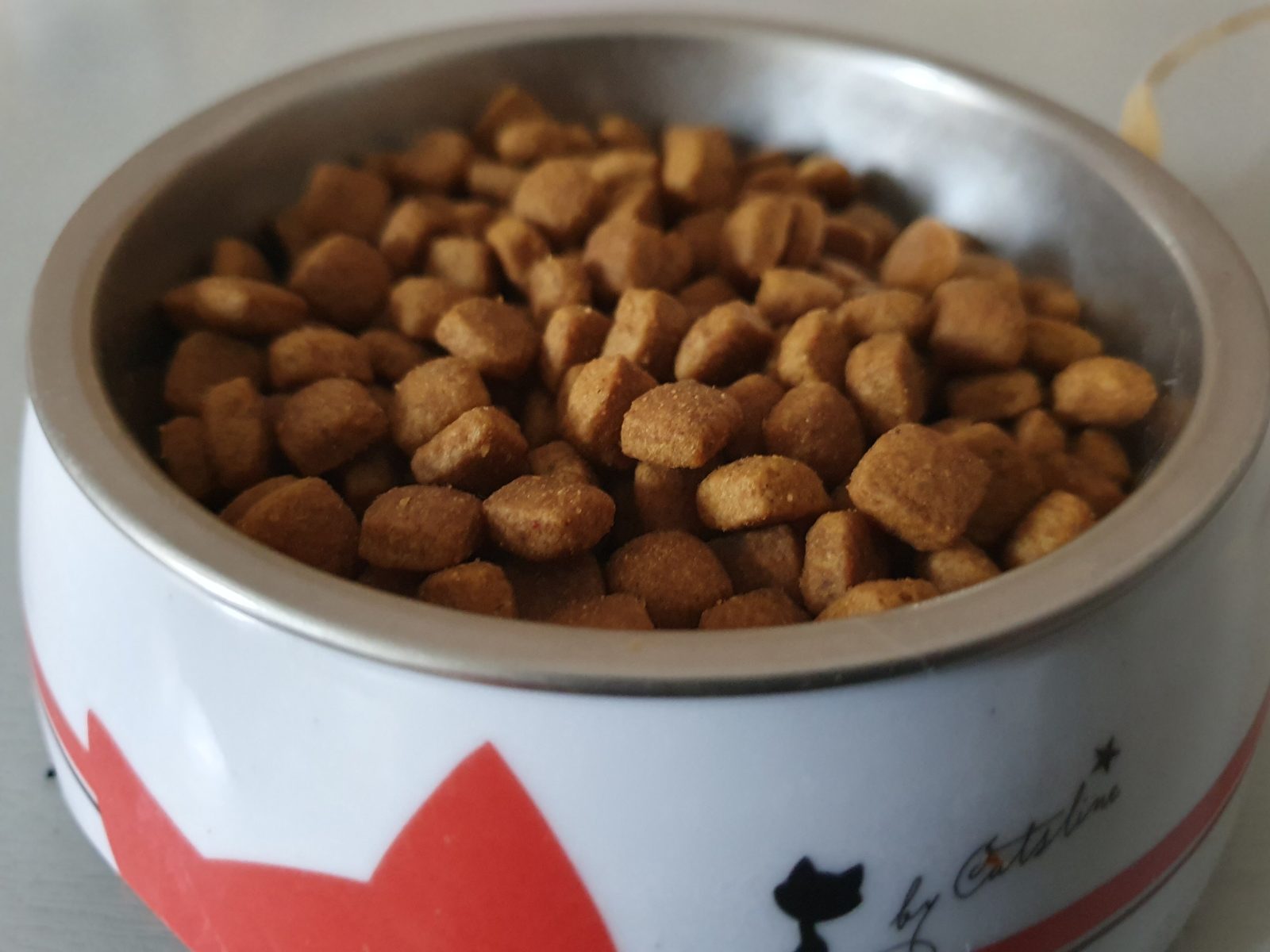
Contaminant levels were expressed per 1,000 kilocalories rather than per kilogram of food. That matters enormously. Wet food is roughly a quarter as calorie dense as dry, because most of it is water. Measure per kilogram and wet food looks several times cleaner purely because of the water, which tells you nothing about what the cat actually swallows in a day.
Normalising to calories compares what a cat genuinely consumes to meet its energy needs. If you only take one methodological point from the whole story, take that one, because it is the correct way to compare and it is rarely done.
Where the differences showed up
Three patterns came out of the data, and all three are consistent with what you would expect from where the ingredients come from:
- Dry food carried about three times the lead of wet food on a per calorie basis.
- Fish and seafood recipes carried the highest mercury and cadmium. Predators accumulate mercury up the food chain, which is the same reason human health advice limits certain fish.
- Poultry recipes more often carried lead and herbicide residues, which points at feed crops rather than the birds.
That last point is the useful one for an owner: the contamination is arriving with the ingredients, not being added by the manufacturer. Which means switching brands within the same protein may change very little.
What the industry says back
The Pet Food Institute disputed the study, and some of its objections are fair ones that deserve airing rather than dismissing.
Its chief executive, Elise Fennig, pointed out that the products were judged against the Clean Label Project’s own proprietary purity standard rather than the benchmarks used by the Association of American Feed Control Officials or the National Research Council. The institute also asked whether the work had been peer reviewed, whether the underlying product level data would be published, and whether testing a single batch of each product can support conclusions about a brand.
That last objection is the strongest, and the study authors concede it themselves: a single test result only reflects one batch. Ingredient sourcing changes between batches, so one sample is a snapshot rather than a verdict on a brand.
Fennig also made the point that detectable amounts of metals exist in air, water and soil, and that presence alone does not indicate harm, noting that whether a metal is harmful depends on the level and the duration of exposure.
She is right about that. The place the argument gets weaker is the implication that because metals are everywhere, differences between products do not matter. If one food delivers three times the lead of another for the same calories, over a cat’s whole life, that difference is worth knowing about even if neither food breaches a regulatory limit.
So what should you actually do
Honestly? Probably very little, and certainly not panic.
- Do not switch food abruptly. A sudden change causes a guaranteed problem, digestive upset, in exchange for a theoretical one. If you do change, do it over a week or more.
- Vary the protein. If your cat eats nothing but fish, rotating to poultry or another protein spreads the exposure rather than concentrating it. That is sound advice regardless of this study.
- Do not read a detection as a recall. No product here was recalled and no regulator has acted on it. A real recall looks completely different, as the raw food recalls this year did, which we covered in is raw pet food safe.
- Keep the actual risks in proportion. The things that measurably harm cats are obesity, dental disease, untreated kidney disease and nutritional gaps such as thiamine deficiency. Portion size is a bigger lever than trace metals, which is why how much you feed matters more than most brand choices.
- Ask your vet before a big change, especially for a cat with kidney disease, where diet is doing medical work and should not be changed on the basis of a news headline.
Frequently asked questions
Does this mean my cat’s food is unsafe?
No. The study did not test whether any product causes harm and does not claim the foods are unsafe. It ranked products against each other on contaminant levels. No recall or regulatory action has followed.
Is wet food safer than dry?
On lead, this testing found wet carried roughly a third of what dry carried per calorie. That is one contaminant in one study of one batch per product, so it is not a reason on its own to switch. Wet food has other genuine advantages for cats, particularly water intake.
Should I avoid fish flavoured cat food?
Fish recipes carried the highest mercury and cadmium, which matches what we know about fish generally. Rotating proteins rather than feeding fish exclusively is sensible, and was before this study.
How do heavy metals get into pet food in the first place?
Mostly through the ingredients. Metals occur naturally in soil and water, crops take them up, and animals accumulate them. They are not usually added during manufacturing, which is why the pattern tracks protein source rather than brand.
Which brands were safest?
We are deliberately not publishing a brand ranking from a single batch of each product. The study’s own authors caution that one test reflects one batch. A list built on that would look more authoritative than the evidence supports.
The honest summary
A number like 99% is built to travel, and it travelled. What it actually reflects is a very sensitive instrument finding traces of things that are present in soil and water everywhere, which is roughly what anyone would expect.
The useful finding underneath is narrower and more interesting: contaminant load varies meaningfully between products, it tracks protein source and format rather than brand prestige, and comparing per calorie rather than per kilogram is the only fair way to look at it. That is worth knowing. It is not worth throwing out the cupboard over.
This article is general information, not veterinary advice. Talk to your vet before changing the diet of a cat with any diagnosed condition.