

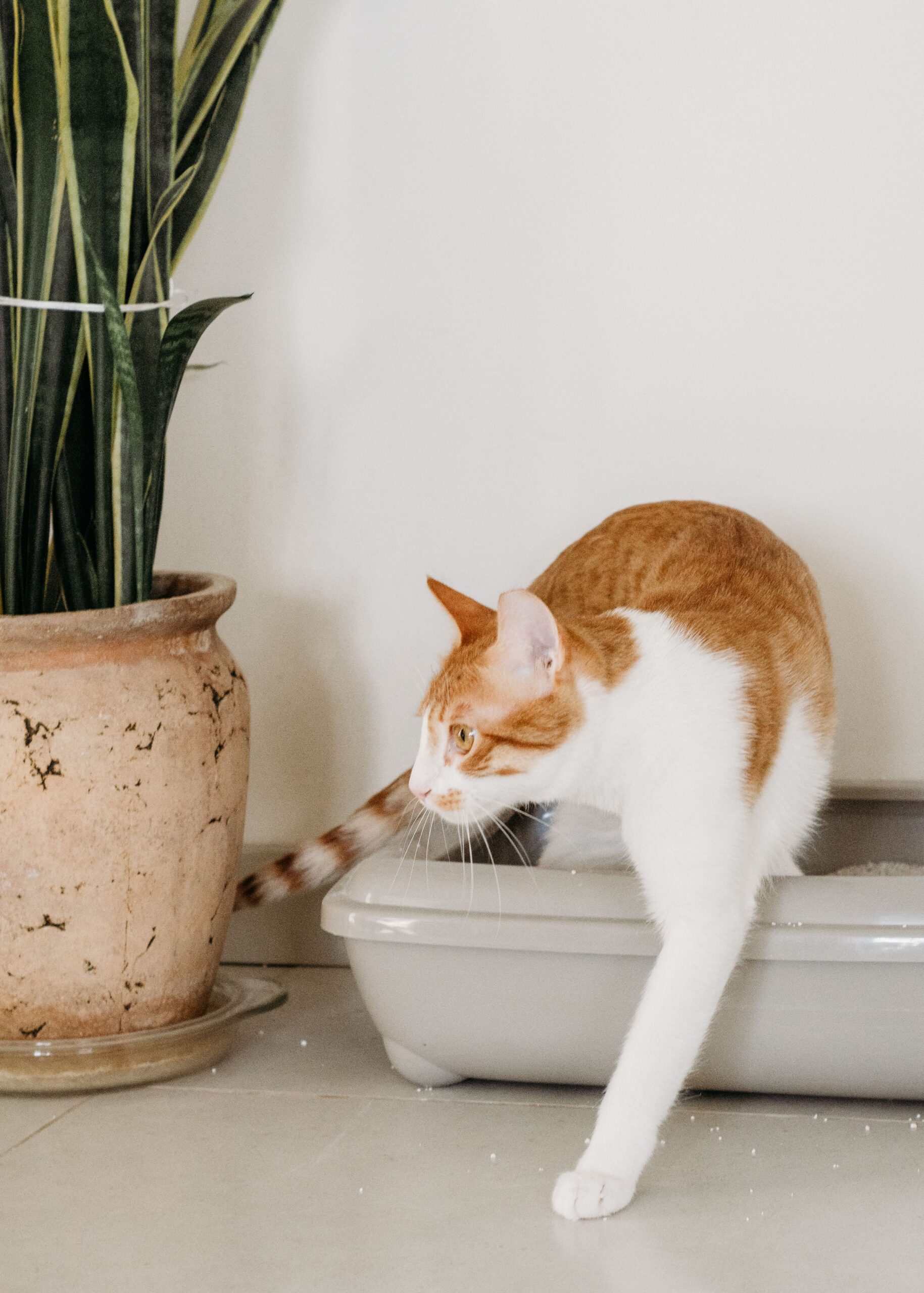
You find a damp patch on the rug. Then the bathmat. Then, one memorable morning, your bed. Why is my cat peeing outside the litter box? It’s the single most common behaviour complaint cat owners have – and the most important thing to know up front is this: your cat isn’t doing it out of spite. Cats don’t do revenge. Something is wrong, and it’s usually either medical, the litter tray itself, or stress.
This guide covers the eight real reasons, how to tell peeing from spraying (they mean different things), the litter-tray rules most owners break, how to clean up so they don’t go back, and when it’s a same-day vet trip.
First: Rule Out a Medical Problem
Around a third of cats that stop using the tray have a medical cause, so this is step one, not step five. Common culprits:
- Cystitis / FIC (feline idiopathic cystitis) – painful bladder inflammation, often stress-related. The cat associates the tray with pain and goes elsewhere.
- Urinary crystals, stones or a blockage
- Urinary tract infection
- Kidney disease, diabetes or hyperthyroidism – all make cats drink and wee far more, so the tray fills up faster than they can cope with
- Arthritis – an older cat may simply not be able to climb into a high-sided tray or get downstairs to it in time
⚠️ Emergency: a cat – especially a male – that is straining, going in and out of the tray, producing little or no urine, crying, licking its rear repeatedly or hiding is a blocked bladder until proven otherwise. This is fatal within 24–48 hours. Go to a vet immediately, day or night.

Peeing vs Spraying – They’re Not the Same
- Peeing (inappropriate urination): the cat squats, empties its bladder, usually on a horizontal surface – rugs, beds, laundry, sofas. This is a toileting problem.
- Spraying (marking): the cat stands, tail upright and quivering, and squirts a small amount backwards onto a vertical surface – walls, door frames, curtains, speakers. This is communication, usually about territory, and it’s most common in unneutered cats and multi-cat homes.
The fix is different for each, so work out which one you’re dealing with before you change anything.
8 Reasons Cats Stop Using the Litter Box
1. The tray isn’t clean enough
The number-one non-medical cause. Cats have a sense of smell roughly 14 times better than ours. A tray that seems “fine” to you can be unusable to them. Scoop at least once a day – twice is better – and fully wash and refill weekly.
2. There aren’t enough trays
The rule is one tray per cat, plus one spare, on every floor of the house. Two cats need three trays. Cats won’t reliably share, and one cat can block another’s access without you noticing.
3. The tray is in the wrong place
Next to the washing machine, in a busy hallway, beside the cat flap, or right next to food and water – all common mistakes. Cats want somewhere quiet, private, easy to reach, with an escape route, and well away from where they eat.
4. Wrong litter, wrong tray
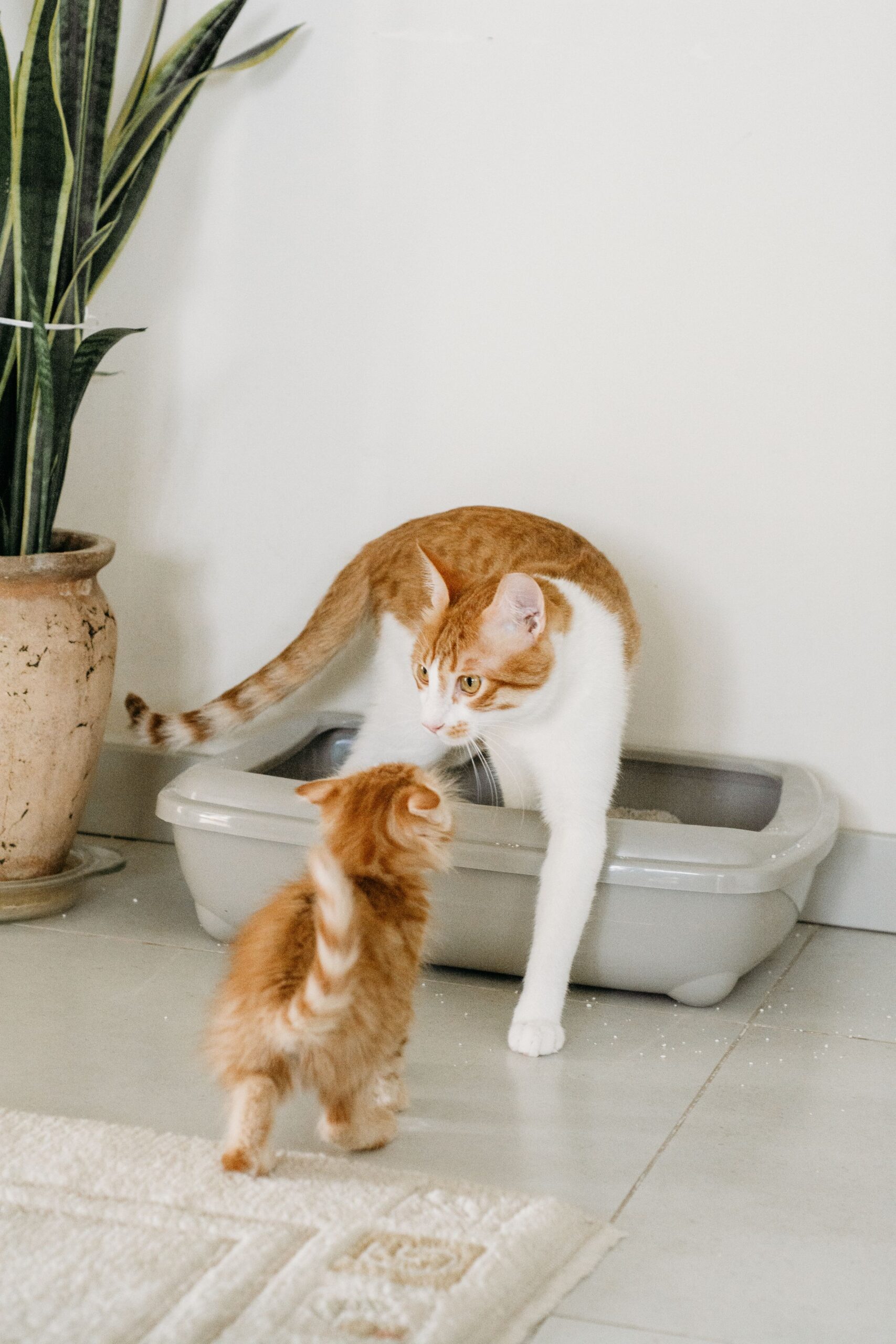
Most cats prefer a fine-grained, unscented, clumping litter at a depth of about 3–4 cm. Scented litters and deodorising crystals are for humans, not cats. Trays should be big – about 1.5 times the length of your cat – and many cats dislike hoods and liners. If you changed litter brand recently and the problem started, that’s your answer.
5. Stress and change
House moves, building work, a new baby, a new partner, a new pet, a change in your working hours, even rearranged furniture. Stress is also the main trigger for cystitis, so it can cause the problem twice over. Our guide to the signs your cat is stressed covers what else to look for.
6. Conflict with other cats – inside or outside
A neighbourhood cat staring through the window, or a housemate cat guarding the hallway, is enough to stop a cat using a tray. In multi-cat homes, spread resources out: trays, food, water and beds in separate locations, not all in one room.
7. A bad association with the tray
If a cat was in pain while weeing, was ambushed in the tray, or got startled by a noisy appliance beside it, it can decide the tray itself is the problem – and pick a soft, absorbent spot instead (which is why beds, laundry piles and rugs are such frequent targets).
8. Kittens, seniors and unneutered cats
Kittens need trays with low sides and lots of them while they learn. Elderly or arthritic cats need a low entry and a tray on every floor. Unneutered cats of both sexes spray far more – neutering resolves it in the large majority of cases.
How to Fix It: The Step-by-Step Plan
- Vet first. Urine sample if you can (non-absorbent litter makes this easy). Rule out infection, crystals, kidney disease, diabetes and arthritis.
- Add trays. One per cat plus one, on every floor. It’s the cheapest fix and often the only one needed.
- Clean more often. Scoop twice daily; wash weekly with unscented soap and warm water – never bleach or ammonia-based cleaners (ammonia smells like urine to a cat).
- Offer a choice. Put two trays side by side with different litters, one hooded and one open. Let the cat vote.
- Move the tray, or use the accident spot. If the cat keeps going in one place, put a tray there for a while, then move it a few centimetres a day once it’s being used.
- Clean accidents with an enzymatic cleaner. Ordinary detergents leave scent markers only the cat can smell, which invites a repeat. Never use bleach or ammonia.
- Make the old spot unattractive. Once properly cleaned, place a food bowl, a bed or a plastic mat there – cats avoid toileting where they eat and sleep.
- Reduce stress. Pheromone diffusers, more vertical space and hiding places, predictable routines, play sessions, and blocking the view of outdoor cats.
- Never punish. Shouting, rubbing the cat’s nose in it or shutting it in a room makes stress worse – and stress is often the cause. It has no idea what you’re angry about.
Most cases resolve within a few weeks once the medical side is cleared and the tray set-up is right. If it doesn’t, ask your vet to refer you to a qualified feline behaviourist.
Frequently Asked Questions
Is my cat peeing outside the litter box out of spite?
No. Cats don’t plan revenge – they don’t have the cognitive machinery for it. What looks like spite is almost always pain, stress or an unacceptable tray.
Why is my cat peeing on my bed?
Beds are soft, absorbent, elevated (so they feel safe) and saturated with your scent. Anxious cats often choose them, and so do cats with cystitis. Treat it as a medical check first, then a stress and tray-access problem.
Why has my cat suddenly started weeing everywhere?
“Suddenly” points hard at a medical cause or an abrupt change in the household. Book a vet appointment and think about what changed in the last few weeks.
Does neutering stop spraying?
It stops or greatly reduces it in most cats – around 90% of males stop spraying after neutering, and the sooner it’s done, the more likely it is to resolve completely.
What’s the best cleaner for cat urine?
An enzymatic pet-urine cleaner that breaks down the uric acid. Avoid bleach and anything ammonia-based, which smells like urine to a cat and encourages repeats.
Should I shut my cat in a room with the litter tray?
Short-term confinement to a small, comfortable room with a tray can help “re-teach” tray use after the medical causes are ruled out – but it must be done kindly, with company, food, water and beds, and it isn’t a punishment.
Final Thoughts
So, why is my cat peeing outside the litter box? Because it’s in pain, because the tray doesn’t meet its standards, or because something in its world has changed. None of those are spite, and all of them are fixable. Start with the vet, then add trays and clean them more often than feels necessary – that combination solves the large majority of cases. For more on reading your cat, see 8 signs your cat is stressed and how much you should be feeding your cat.