

If you share your home with a cat, sooner or later you ask the question every cat lover dreads and hopes about at the same time: how long do cats live? The short answer is that a well-cared-for indoor cat typically lives 12 to 18 years, and it is no longer unusual for cats to reach their early twenties. The longer answer depends on where your cat lives, what it eats, its breed, and the quality of veterinary care it receives.
In this guide we break down the average cat lifespan, why indoor cats live so much longer than outdoor cats, how to convert cat years to human years, which breeds tend to live longest, and – most importantly – what you can do today to give your cat the longest, healthiest life possible.
How Long Do Cats Live on Average?
Across all cats, the average lifespan is usually quoted as 13 to 17 years. A large UK study by the Royal Veterinary College that reviewed the records of thousands of cats found a median lifespan of around 14 years, with crossbred (moggy) cats living slightly longer on average than pedigree cats.
That average hides a huge range. Some cats are lost to illness or accidents before they turn five, while others are still climbing onto laps at 20. The oldest cat ever recorded, a Texas cat named Creme Puff, lived to an astonishing 38 years.
| Type of cat | Typical lifespan |
|---|---|
| Indoor-only cat | 12 – 18 years (often 20+) |
| Indoor/outdoor cat | 10 – 14 years |
| Outdoor-only / free-roaming cat | 2 – 5 years on average |
| Feral cat | 2 – 5 years |
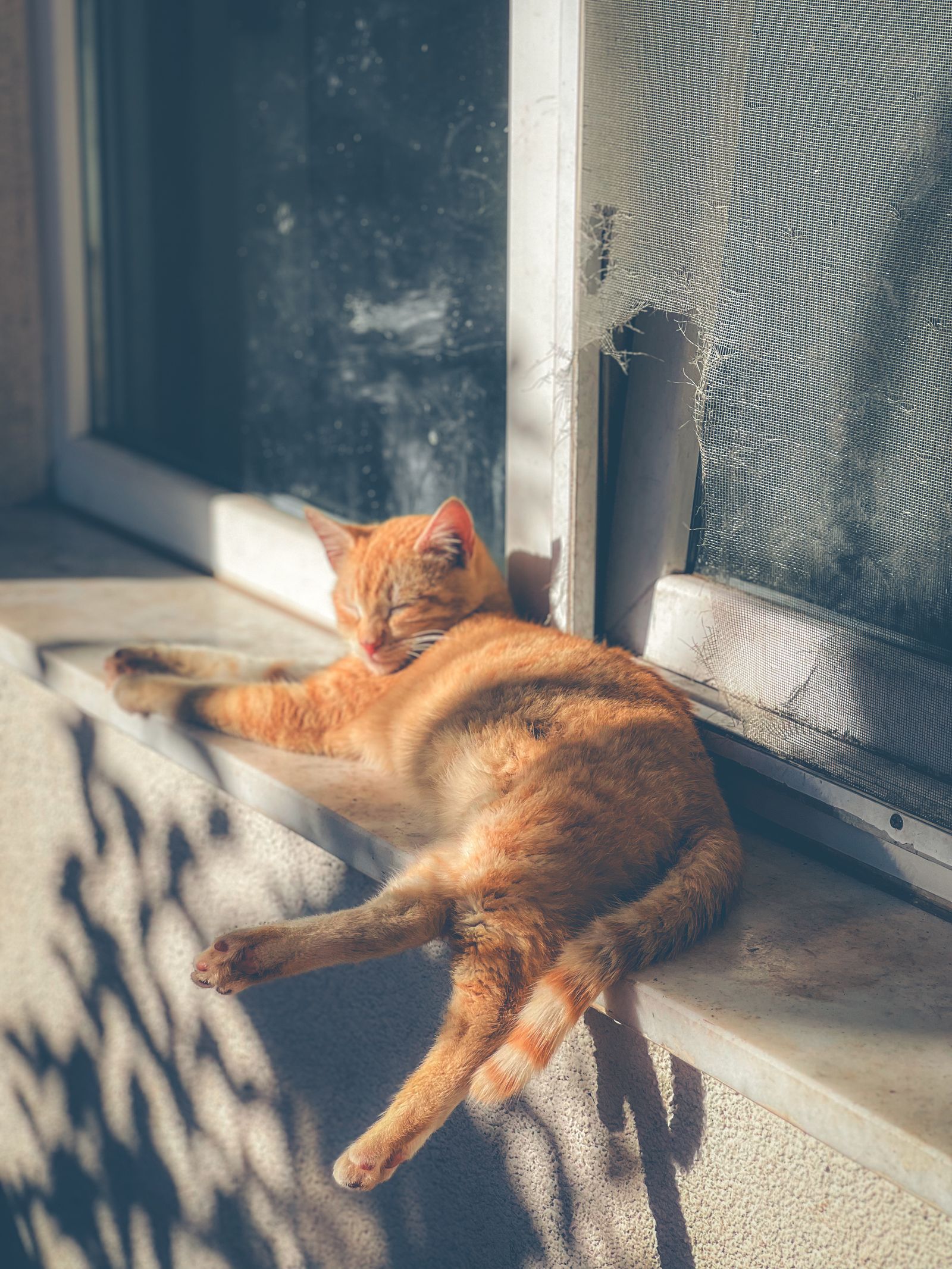
Indoor vs Outdoor Cats: Why the Difference Is So Big
The single biggest factor in how long a cat lives is whether it spends its life indoors or outdoors. Indoor cats routinely live two to three times longer than cats that roam freely. The reasons are not mysterious:
- Road traffic – the leading cause of death for young outdoor cats.
- Infectious disease – feline leukaemia (FeLV), feline immunodeficiency virus (FIV) and upper-respiratory infections spread through fights and contact with other cats.
- Parasites – fleas, ticks, worms and the illnesses they carry.
- Predators and fights – dogs, foxes, coyotes and other cats.
- Poisons – antifreeze, rodent bait, lilies, slug pellets and pesticides.
- Extreme weather and getting lost or trapped.
That does not mean an indoor cat has to be bored. Window perches, cat trees, puzzle feeders, daily play sessions and a secure “catio” or harness walks give your cat the stimulation of the outdoors without the danger. If your cat seems restless or unhappy indoors, our guide to the signs your cat is stressed explains what to look for.
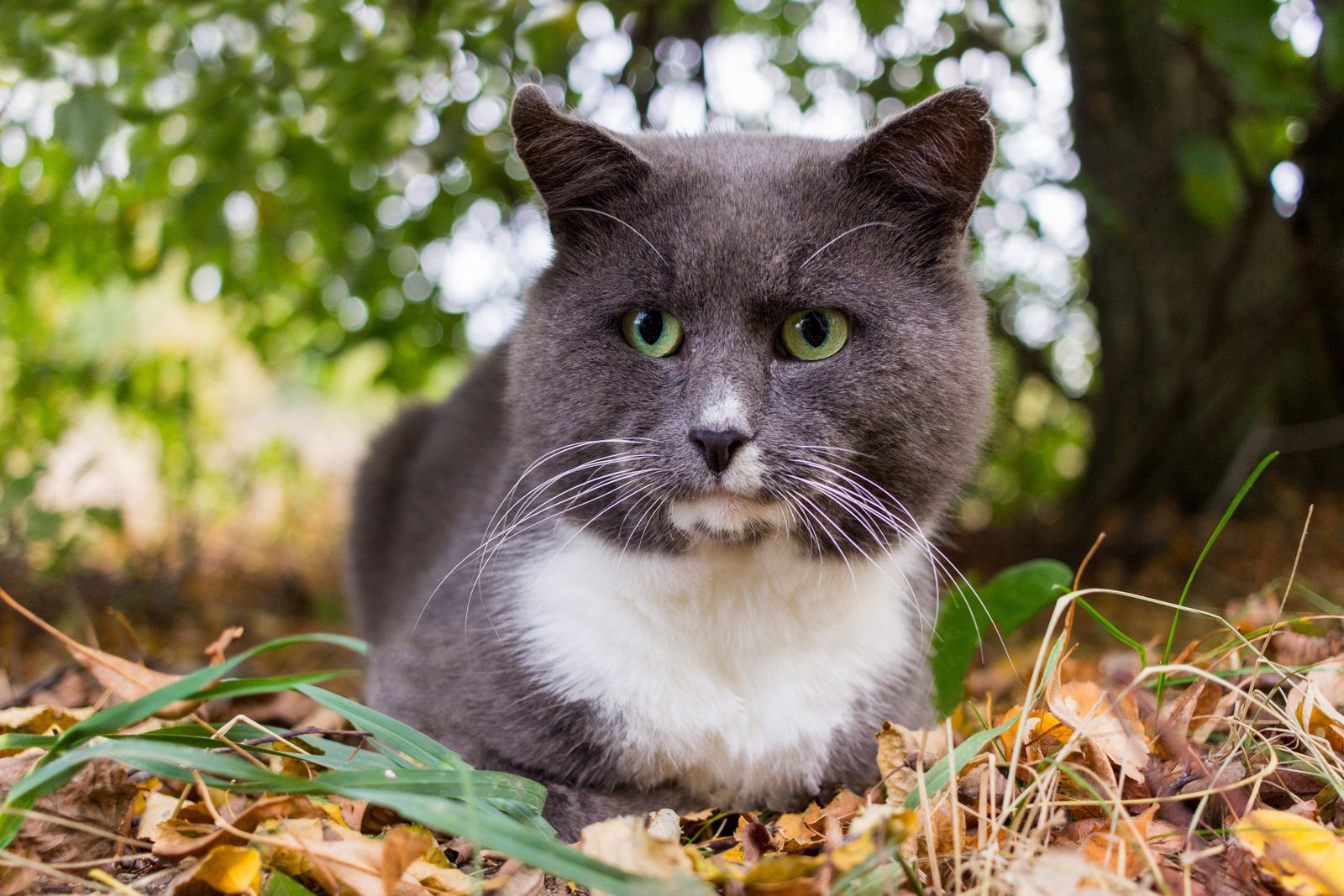
Cat Years to Human Years
The old “multiply by seven” rule is wrong for cats. Cats mature very quickly in their first two years and then age more slowly. Veterinary associations use this conversion:
| Cat’s age | Human equivalent | Life stage |
|---|---|---|
| 6 months | 10 years | Kitten |
| 1 year | 15 years | Junior |
| 2 years | 24 years | Young adult |
| 5 years | 36 years | Adult |
| 7 years | 44 years | Mature |
| 10 years | 56 years | Senior |
| 15 years | 76 years | Geriatric |
| 20 years | 96 years | Geriatric |
A simple way to remember it: the first year counts as 15 human years, the second adds 9 (so a two-year-old cat is about 24), and every year after that adds roughly 4 human years.
How Long Do Cats Live by Breed?
Genetics matter. Mixed-breed cats tend to be the hardiest, but among pedigree cats there are clear patterns:
Longest-living cat breeds
- Siamese – 15 to 20 years
- Burmese – 16 to 18 years, with many reaching 20+
- Balinese – 15 to 20 years
- Russian Blue – 15 to 20 years
- Ragdoll – 15 to 18 years
- Sphynx – 13 to 15 years
Breeds with shorter average lifespans
- Maine Coon – 12 to 15 years (prone to hypertrophic cardiomyopathy)
- Bengal – 12 to 16 years
- Persian – 12 to 15 years (breathing and kidney issues)
- Scottish Fold – 11 to 14 years (cartilage disorders)
- Abyssinian – 9 to 15 years
Remember these are averages: an individual cat’s care and luck matter more than its pedigree.

What Do Cats Usually Die Of?
Understanding the most common age-related illnesses helps you catch them early, when treatment makes the biggest difference:
- Chronic kidney disease – affects around a third of cats over 12. Early signs are increased thirst and urination, weight loss and a dull coat.
- Cancer – lymphoma is the most common type in cats.
- Hyperthyroidism – an overactive thyroid causing weight loss despite a huge appetite.
- Heart disease – especially hypertrophic cardiomyopathy.
- Diabetes – strongly linked to obesity.
- Dental disease – painful, and bacteria from the mouth can damage the kidneys and heart.
8 Ways to Help Your Cat Live Longer
1. Keep your cat indoors (or safely enclosed)
Nothing else on this list comes close. An indoor lifestyle removes almost every major cause of early death.
2. Spay or neuter
Neutered cats live longer: they roam and fight less, and they avoid cancers of the reproductive organs and uterine infections.
3. Keep your cat at a healthy weight
Over half of pet cats are overweight. Obesity roughly doubles the risk of diabetes and worsens arthritis and heart disease. Measure meals, limit treats to 10% of daily calories and use play to burn energy.

4. Feed a complete, high-quality diet
Cats are obligate carnivores. Choose a food that meets AAFCO or FEDIAF standards and includes plenty of animal protein. Wet food helps cats stay hydrated, which supports the kidneys.
5. Encourage drinking
Many cats drink too little. Place several water bowls around the home, keep them away from food and litter, and consider a pet fountain – moving water is far more appealing to cats.
6. Never skip the vet
Annual check-ups for adult cats and twice-yearly visits for seniors (over 10) allow your vet to catch kidney disease, thyroid problems and dental disease before they become life-threatening. Keep vaccinations and parasite prevention up to date.
7. Look after their teeth
Daily brushing with a cat toothpaste, dental treats and professional cleanings prevent the chronic infection that silently shortens many cats’ lives.
8. Reduce stress and keep the mind active
Chronic stress weakens the immune system and contributes to bladder problems. Provide hiding places, vertical space, scratching posts, daily play and a predictable routine.
Signs Your Cat Is Getting Old
Cats hide illness well, so watch for subtle changes: sleeping more, reluctance to jump, weight loss or gain, drinking more, a matted or greasy coat, bad breath, cloudy eyes, confusion or crying at night. Any of these deserve a vet visit – many are treatable.
Frequently Asked Questions
Can a cat live to 20?
Yes. Reaching 20 is increasingly common for indoor cats that are neutered, kept lean and see the vet regularly. Cats over 20 are considered “super seniors”.
How long do indoor cats live?
Most indoor cats live 12 to 18 years, and many live into their early twenties.
How long do outdoor cats live?
Cats that live entirely outdoors average only 2 to 5 years because of traffic, disease, predators and poisoning.
Do male or female cats live longer?
Female cats live slightly longer on average, but neutering narrows the gap considerably – neutered males live far longer than intact males.
What is the oldest cat ever?
Creme Puff, from Austin, Texas, lived from 1967 to 2005 – 38 years and 3 days.
Final Thoughts
So, how long do cats live? Long enough to become a true member of the family – typically 12 to 18 years, and often beyond. You can’t control genetics, but you can control the two things that matter most: keeping your cat safe indoors and staying on top of preventive veterinary care. Do those, and you give your cat the best possible chance of celebrating its twentieth birthday with you.