

The short answer: phone a vet or a poison line now, and take the packaging with you. There is no home treatment for rat poison, and the single most useful thing you can tell a vet is the active ingredient, because the four common types do completely different things and only one of them has a simple antidote. Do not wait to see whether your dog looks unwell. With the most common type, looking fine for three to five days is exactly what it does.
Why “he seems fine” means nothing here
Most pet owners judge a poisoning by how the animal looks. With rodenticide that instinct is actively dangerous, because the most widely sold type is designed to work slowly.
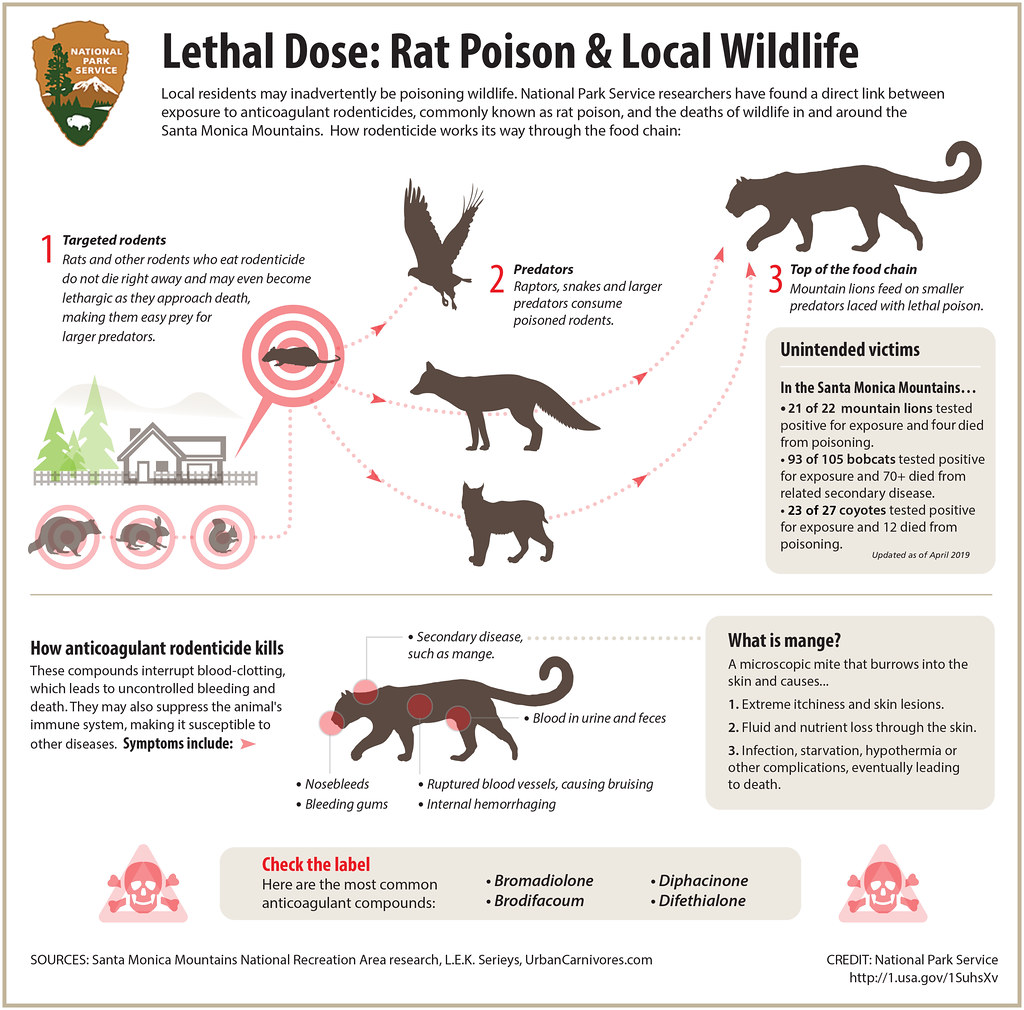
Anticoagulant baits block the recycling of vitamin K, which the body needs to make clotting factors. The clotting factors already in circulation keep working for a few days. Only when they run out does the bleeding start, and the Merck Veterinary Manual puts that at roughly three to five days after eating it.
So a dog that ate bait this morning and is bouncing around this evening tells you nothing at all. By the time the signs appear, the treatment window has mostly closed.
The four types, and why the packet matters more than the symptoms
“Rat poison” is not one substance. These are the four you are likely to meet, and they are not interchangeable.
1. Anticoagulants (brodifacoum, bromadiolone, difethialone, warfarin)
The most common. Causes internal bleeding after a delay of three to five days. Signs include pale gums, weakness, bruising, nosebleeds, blood in urine or faeces, coughing, and breathlessness as blood collects in the chest.
This is the one with an antidote. Vitamin K1, on prescription, often for four weeks with second generation products, and a clotting test afterwards to confirm it worked. Treated early, the outlook is good.
2. Bromethalin
A neurotoxin. It causes fluid to build up in the brain. Signs can appear within hours to a couple of days: wobbliness, tremors, seizures, paralysis.
There is no antidote. Vitamin K does nothing here, which is why guessing is dangerous. Treatment is supportive and the margin between a harmless amount and a fatal one is narrow.
3. Cholecalciferol (vitamin D3)
Raises calcium and phosphorus to the point that the kidneys fail and soft tissue starts to mineralise. Signs appear around twelve to thirty six hours in: increased drinking and urinating, vomiting, weakness.
No simple antidote, and treatment is intensive, prolonged and expensive. The toxic dose is very small.
4. Zinc or aluminium phosphide
Releases phosphine gas when it meets stomach acid. The gas is the danger, and it can affect people too: vomit and stomach contents can release it, which is why a poisoned animal should be kept in a well ventilated space and never shut in a car on the way to the surgery.
What to do, in order
- Phone a vet or a poison line immediately. In the United States, Pet Poison Helpline is on (855) 764-7661 and the ASPCA Animal Poison Control Center is on (888) 426-4435, both 24 hours. Both charge a fee. Pay it.
- Find the packaging. Photograph the active ingredient and the EPA registration number if there is one. If the box is gone, photograph the bait itself: colour and block shape narrow it down.
- Say when. Time of exposure decides whether the vet can still empty the stomach. A rough guess is far better than nothing.
- Do not induce vomiting unless you are told to. It is the wrong move with some products, and with phosphides it releases gas.
- Do not give vitamin K from a health food shop. It is the wrong form, the wrong dose, and it will not treat anticoagulant poisoning. It may also mask the problem while the bleeding continues.
Where dogs actually find it
Rarely a chewed box on a kitchen counter. Much more often:
- A bait station in a shed, garage or under decking, placed at exactly nose height for a dog
- Bait put down by a neighbour, a landlord or a pest control visit nobody mentioned
- A poisoned rodent eaten in the garden, which is called relay poisoning and carries a smaller dose but is still worth a phone call
- Bait that a rat has carried off and cached somewhere else entirely, which is how bait ends up under a hedge fifty feet from where it was laid

Cats, and why the picture is different
Cats are poisoned less often by eating bait directly, because they are fussier, and more often by relay poisoning from hunting. The same four types apply and the same rule holds: identify the product, phone, do not wait for signs.
How to cut the risk at home
- If you use bait at all, use lockable tamper resistant stations, and record where every one is
- Ask neighbours and any pest controller what they are using, and keep a photo of the label
- Check under decking, in garages and behind sheds when you move into a property, because old bait stays lethal
- Consider traps rather than bait where there are pets or children
Frequently asked questions
How long after eating rat poison will a dog show symptoms?
It depends entirely on the type. Anticoagulants take three to five days. Bromethalin can show within hours to two days. Cholecalciferol takes roughly twelve to thirty six hours. Phosphides can act within hours. This is why the product matters more than watching the animal.
Is there a home treatment for rat poison in dogs?
No. There is no safe home treatment. Vitamin K bought over the counter is not the antidote, inducing vomiting can make things worse with some products, and milk, bread or activated charcoal from a cupboard are not treatment. The delay caused by trying is the real harm.
My dog ate rat poison but seems fine. Do I still need a vet?
Yes. With the most common type, seeming fine for several days is the expected course, not reassurance. The treatment window is widest before any signs appear.
Can a dog be poisoned by eating a poisoned rat?
Yes, that is called relay or secondary poisoning. The dose is usually lower than eating bait directly, but it is still worth a phone call, particularly for repeated hunting or for a small dog.
How much rat poison is dangerous to a dog?
There is no single figure, because it depends on the active ingredient, its concentration and the dog’s weight. Second generation anticoagulants and cholecalciferol are both dangerous in very small amounts. Treat any quantity as worth a phone call rather than trying to judge it yourself.
Do cats get rat poisoning too?
Yes, more often through eating poisoned rodents than through eating bait. The same rules apply.
The one thing to take away
Treat suspicion as confirmation, and take the packet with you. The type of rodenticide decides whether there is an antidote, how long you have, and what the vet does first. It is the one piece of information that changes the outcome, and it is the one most owners leave at home.
This article is general information and is not a substitute for veterinary advice. If you suspect your pet has eaten rodenticide, contact a vet or a poison control line now.
Sources: Merck Veterinary Manual, rodenticide toxicosis; Pet Poison Helpline; ASPCA Animal Poison Control Center.
Related reading: antifreeze poisoning in dogs and cats, which follows a similar deceptive timeline, and why grapes are an emergency even in small amounts.