

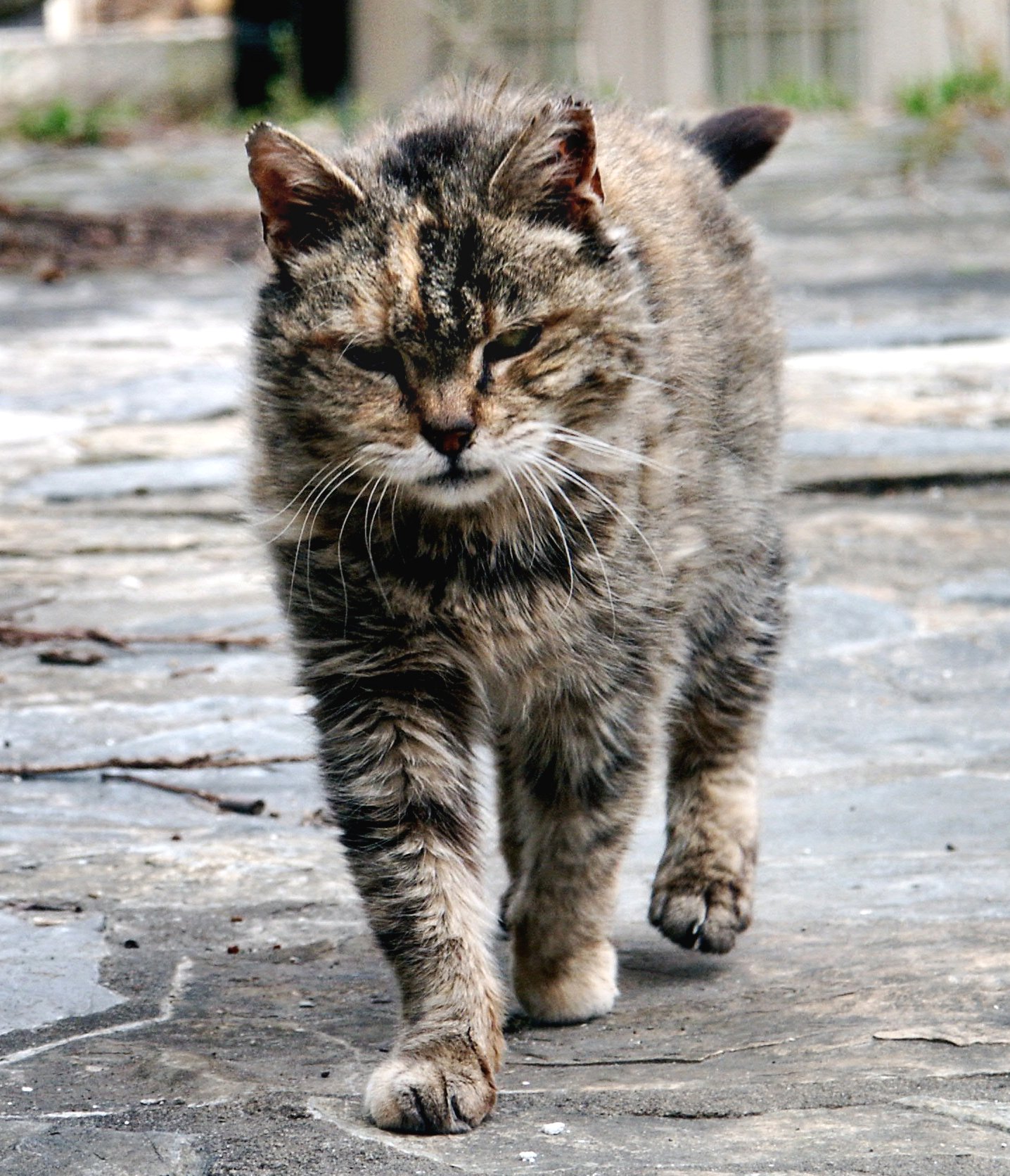
You are stroking your cat and your hand stops on a lump. It is firm, about the size of a grape, and when you part the fur there is a small hole in the middle of it. Something moves.
Your first instinct will be to squeeze. Every botfly removal video on the internet ends with someone squeezing. Please do not, and this article is mostly about why, because that single decision is what separates a minor vet visit from a genuine emergency.
What a botfly actually is
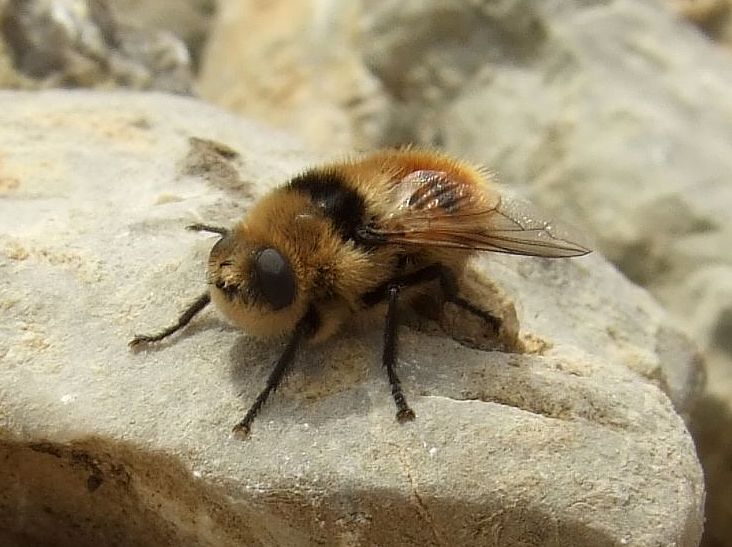
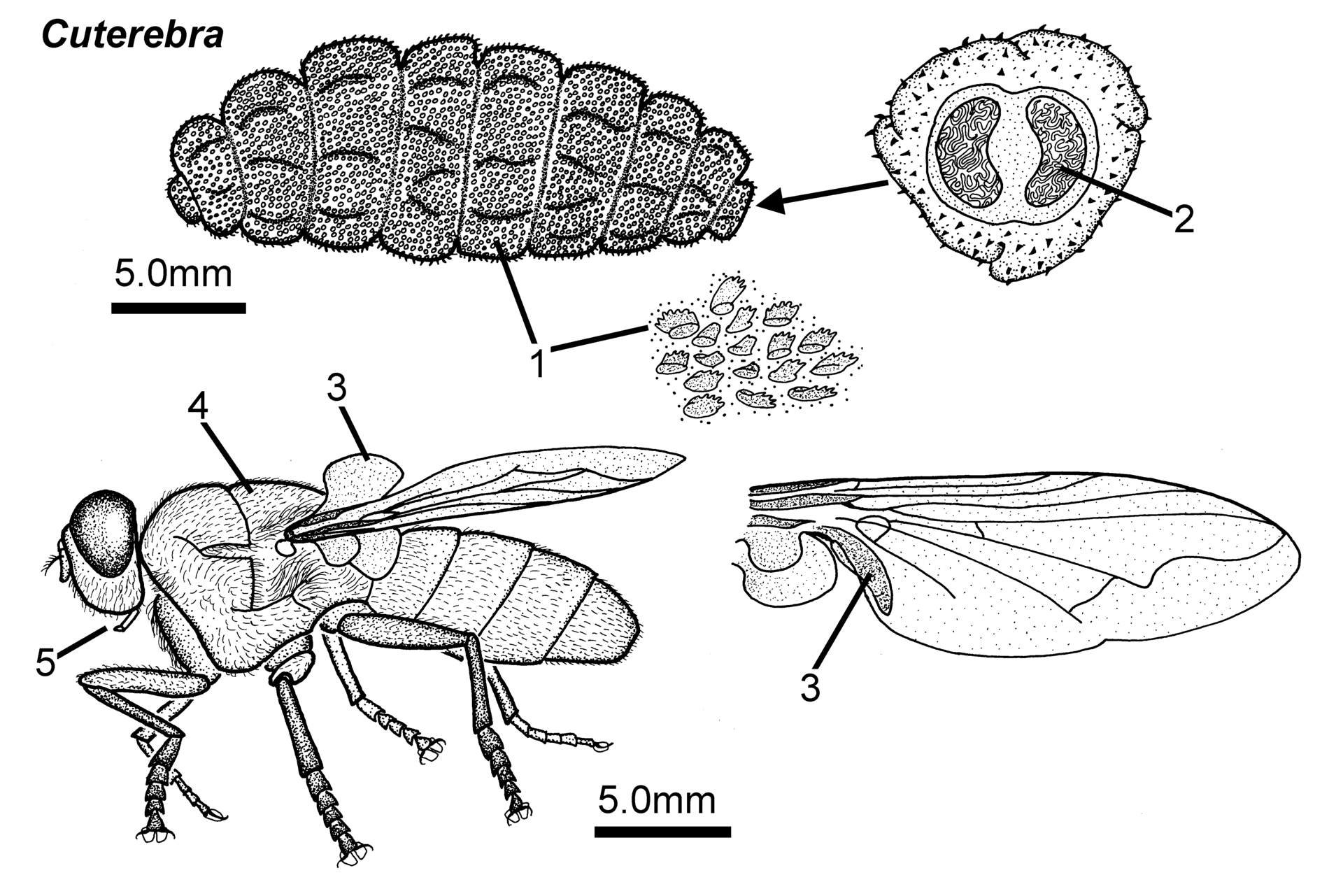
In North America the botfly that turns up on pets is Cuterebra. The adult is a thick, furry fly that looks more like a bumblebee than a housefly, and it does not bite, feed or sting. It has no mouthparts worth speaking of. The adult’s only job is to mate and lay eggs.
Those eggs go near the burrows and runways of rabbits and rodents, on stones, on stems, along the paths those animals use every day. The eggs then sit and wait. They hatch in response to the warmth of a body passing close by.
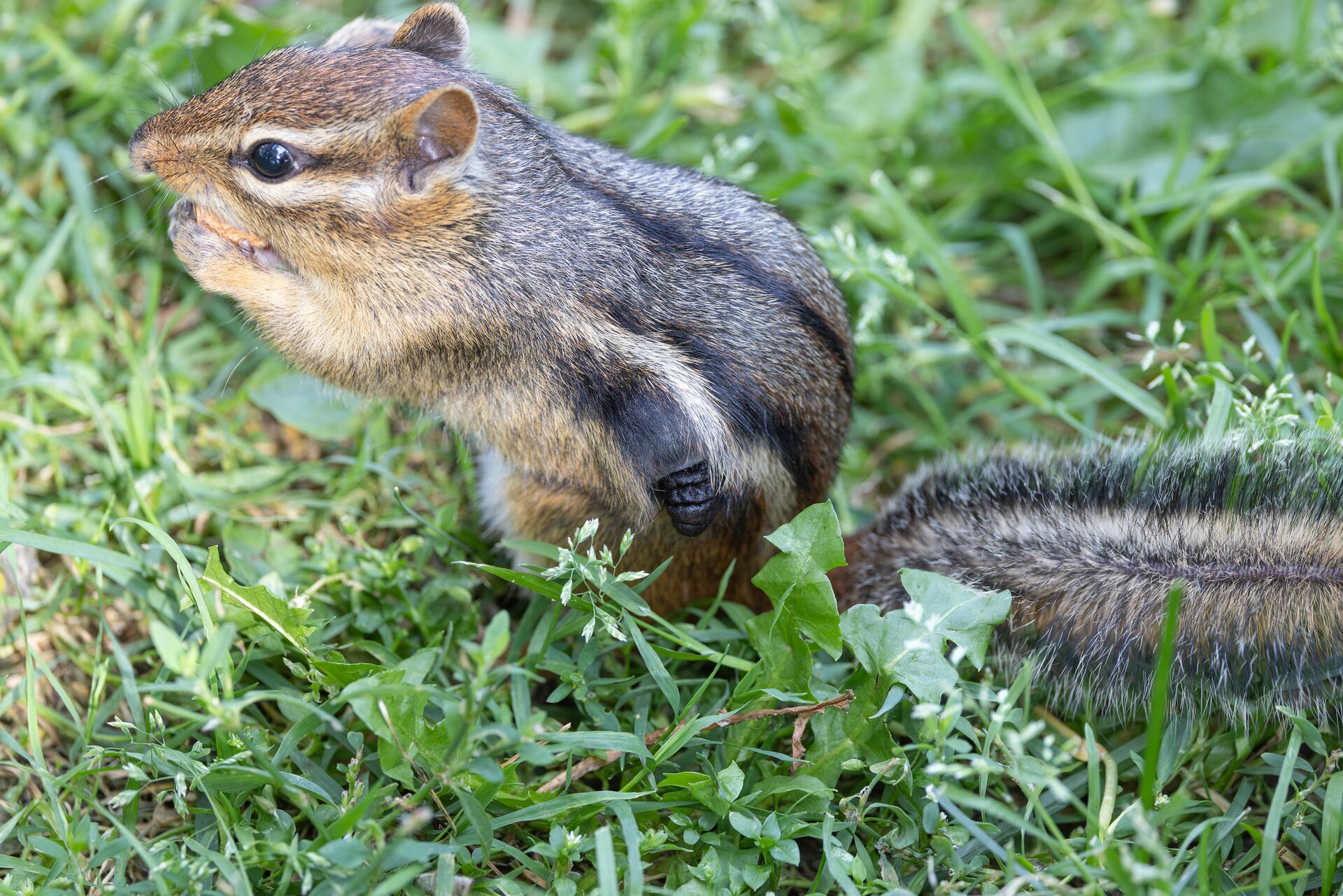
That is the whole mechanism, and it explains everything else. The fly is not hunting your pet. It is waiting for a cottontail.
The myth: it did not burrow through your pet’s skin
This is the detail almost every article gets wrong, and getting it right changes how you prevent it.
The larva does not land on your dog and drill inward. According to the Merck Veterinary Manual, larvae enter mainly through the mouth or the nostrils while the animal is grooming or sniffing, and less commonly through an existing open wound. Intact skin is not the doorway.
So the lump on your cat’s neck did not start on your cat’s neck. It started at the nose or the mouth, and the larva then travelled through the body before settling under the skin to finish growing.
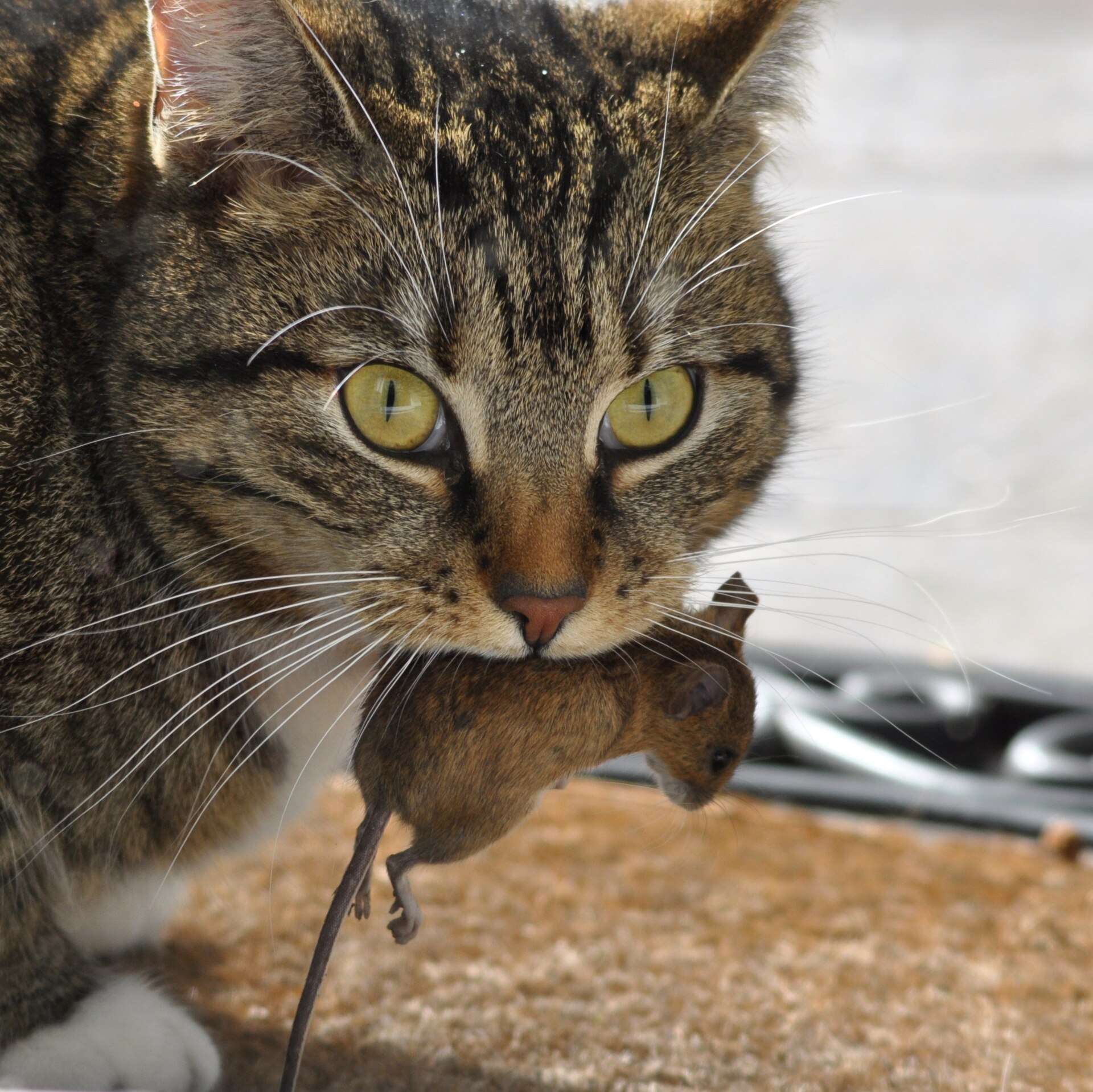
Which tells you where the risk really is: a pet with their face down a burrow. Cats that hunt, and dogs that push their nose into holes in a hedge bank, are the ones that get this.
What it looks like on a dog or cat
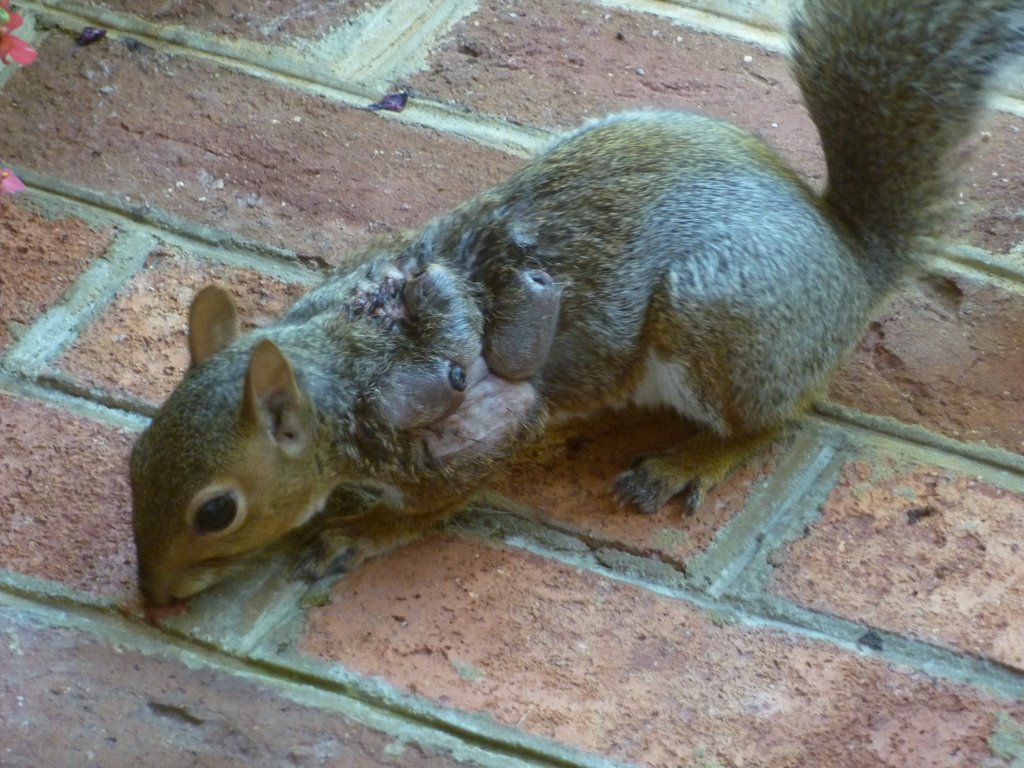
The textbook lesion is a soft, well defined swelling under the skin, roughly one centimetre across, with a small breathing hole in the centre. That hole is not damage. The larva made it deliberately so it can breathe, and it sits with its rear end against the opening.
In practice, here is the order most owners notice things:
- Matted, damp fur over one spot, because the animal has been grooming or licking it obsessively. On cats this is very often the first sign, before anyone finds a lump.
- A lump that feels soft rather than solid.
- A central hole, sometimes oozing, sometimes with something visibly moving in it.
- Late summer and early autumn. This is a seasonal problem and it clusters there.
Lesions sit mostly around the head, neck and trunk. Pain varies, and when it hurts that is usually a secondary bacterial infection rather than the larva itself.
Worth knowing: the most common thing this gets mistaken for is an abscess or a foreign body, which is reasonable, because that is exactly what it looks like. If your vet finds a larva in it, the diagnosis is settled on the spot.
Why you must not squeeze it
Here is the part that matters.
A mature Cuterebra larva is a fat, stiff, barrel shaped thing covered in rows of dark spines. It is not a maggot you can flick out. It is firmly anchored in a pocket under the skin, and it is wider than the hole it breathes through.
Squeeze it and one of two things happens. Either it holds, and you achieve nothing but pain. Or it ruptures.
Rupturing it is the problem:
- Chronic foreign body reaction. Merck is explicit that squeezing can rupture the larva and cause a chronic foreign body reaction and secondary infection. Spines and fragments left in the tissue keep the wound angry for months.
- Recurrent abscesses. If a lump keeps coming back at a spot that was treated before, that points at larval remnants still in there.
- Anaphylaxis. There are reports of a ruptured larva triggering a severe allergic reaction. Merck describes these as anecdotal rather than common, so this is not a likely outcome, but it is a dangerous one and the risk is entirely avoidable.
Also, do not try to smother it. Vets do use petroleum jelly over the breathing pore, but only for ten to fifteen minutes immediately before grasping the larva with instruments, as a way to bring it within reach. Covering the hole and walking away kills the larva in place, which leaves you with exactly the decomposing foreign body you were trying to avoid.
And do not cut it out at home. The opening has to be enlarged carefully around a parasite you cannot see the shape of.
What the vet actually does
It is a quick procedure and it is not dramatic.
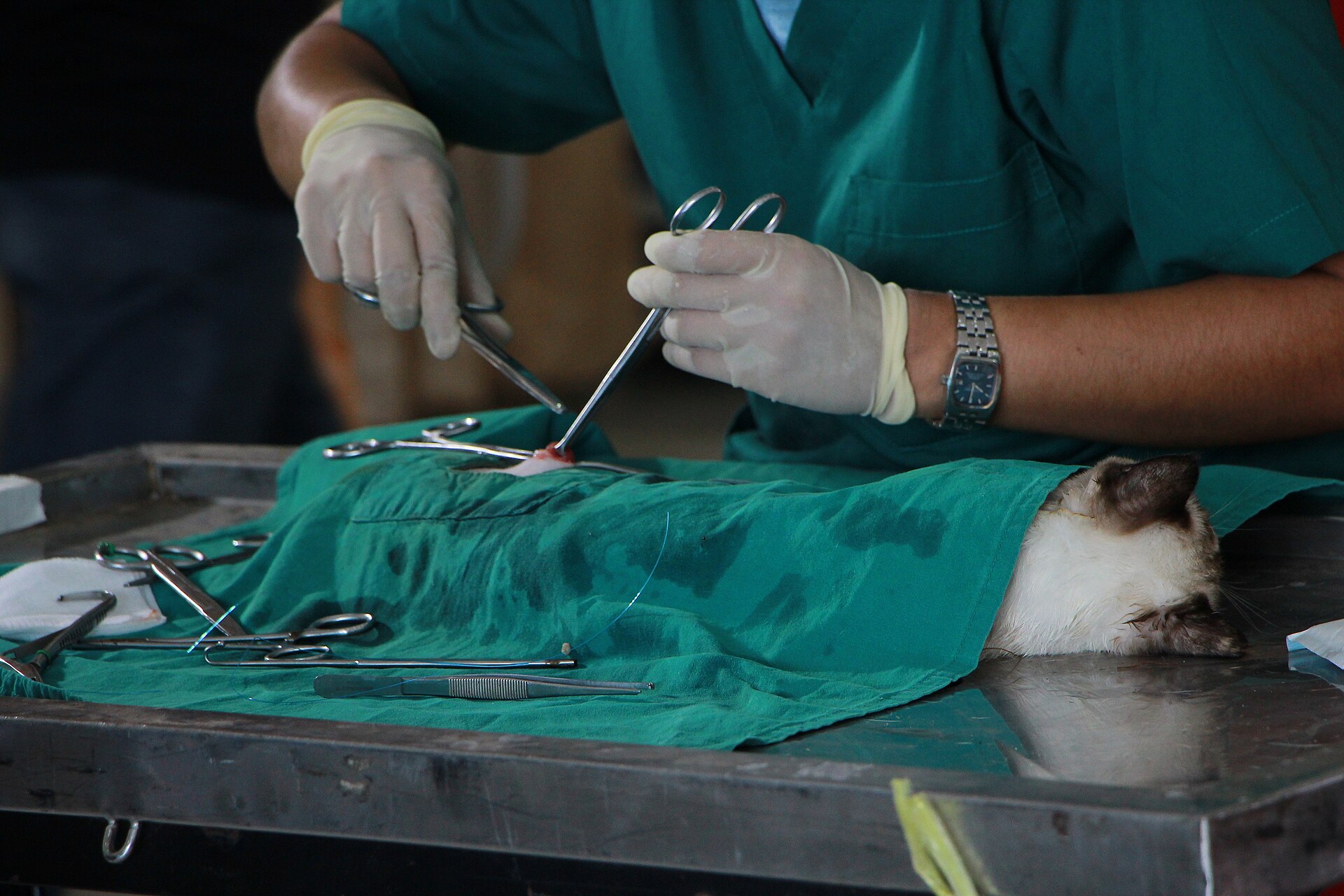
- The breathing pore is carefully enlarged so the larva can come out without being compressed.
- If the larva retreats deeper, which it does, petroleum jelly over the pore for ten to fifteen minutes brings it back up within reach.
- It is grasped with mosquito forceps and lifted out in one piece. Whole is the whole point.
- The cavity is flushed with sterile saline and any dead tissue trimmed away.
- The wound is left to heal from the inside out, which can take weeks to months, so do not expect it to close over in days.
Sedation is often used, mostly so the animal stays still rather than because it is agonising. Antibiotics get added when the site is already infected, which is common, because that breathing hole is an open door for bacteria.
The rare version that is genuinely serious
Dogs, cats and ferrets are all accidental hosts, which means the larva has no reliable map inside them. Usually it ends up under the skin and that is the end of it. Occasionally it goes somewhere it should not.
Aberrant migration is documented into the nasal passages, the pharynx, the eyelids and the brain. The signs depend entirely on where it went:
- Airway. Sneezing, upper respiratory signs, and in the worst case difficulty breathing. A larva in the upper airway is an emergency.
- Brain. Depression, lethargy, seizures, blindness, odd mentation, a temperature that is too high or too low.
There is a history that vets specifically ask about in cats with sudden neurological signs: an episode of violent sneezing weeks to months earlier. That is the larva going up the nose. Central nervous system cases cluster between July and September.
Veterinary pathologists and neurologists at Cornell were the first to propose that feline ischemic encephalopathy, a stroke like brain condition in cats, is caused by this migration. The evidence is case series and pathology reviews rather than a controlled study, and the link is considered likely rather than proven, so treat it as a strong suspicion. The supporting pattern is hard to ignore though: where Cuterebra species do not live, the condition is not reported, and the seasons line up.
One breed note. Merck flags Yorkshire Terriers as possibly at increased risk, and able to mount a severe whole body inflammatory response.
None of this is common. The point is simply that “it is only a lump” is the wrong frame if your pet also has neurological or breathing signs.
When to get to a vet urgently
- Any difficulty breathing, or noisy, laboured breathing
- Seizures, collapse, circling, sudden blindness or disorientation
- Sudden unexplained lethargy in a cat that was outdoors in late summer
- A lump that bursts, bleeds heavily or spreads redness and heat across the surrounding skin
- Anything that follows an attempt to squeeze it out at home

Prevention, such as it is
There is no vaccine and no monthly preventive marketed for this, so prevention is behavioural.
- Cut unsupervised outdoor time in late summer and early autumn, which is when infestation peaks.
- Know where the burrows are. If there are rabbit or rodent holes in your garden or on your usual walk, that is the hazard. Blocking access to them does more than anything else.
- Check your pet over after they have been out, the same habit that catches ticks early. Run your hands over the head, neck and body, and pay attention to any patch of fur that is suddenly damp or matted.
- Indoor cats essentially do not get this. Free roaming cats are the ones at risk.
Obsessive licking at one spot has a long list of possible causes, and most of them are not parasites. We go through them in why is my dog scratching so much.
If what you are looking at is a wound full of small, soft, pale maggots rather than a single large larva in a neat hole, that is a different problem with different urgency, and it is covered in our guide to screwworm in dogs and cats.
Frequently asked questions
Can I pull a botfly out of my dog myself with tweezers?
No. A mature larva is wider than the hole it breathes through and it is anchored in a pocket under the skin, so pulling tends to tear it rather than remove it. A ruptured larva can cause a chronic foreign body reaction, recurrent abscesses and, rarely, a severe allergic reaction. The opening needs enlarging first, which is a vet job.
Can my dog catch a botfly from my cat, or can I catch it?
No. There is no animal to animal or animal to human spread. Every infestation comes from a larva picked up in the environment near rabbit or rodent burrows, so two pets in the same household can both get one from the same garden without either giving it to the other.
What happens if I just leave it alone?
The larva will eventually finish developing and leave on its own to pupate in the soil. The reasons not to wait are that the open breathing hole frequently becomes infected, the animal often traumatises the area by over grooming, and you have no way of knowing whether a second larva went somewhere more dangerous.
Is a botfly lump the same as an abscess?
They look very similar, and an abscess or foreign body is the most common misdiagnosis. The distinguishing feature is the small central breathing pore, and the diagnosis is confirmed by actually finding a larva. If a lump at a previously treated site keeps recurring, that can mean larval fragments were left behind.
Do indoor cats get botflies?
Essentially no. The larva has to be picked up outdoors, near the burrows and runways of rabbits and rodents. Free roaming cats are far more likely to be affected than indoor cats.
Does my pet need treatment if the larva has already gone?
Get the site checked. An empty cavity still needs flushing and often needs antibiotics, because the hole has been open to the environment for weeks. Your vet will also want to be sure nothing was left behind.
The honest summary
A lump with a breathing hole in it, on a dog or cat, in late summer, after time spent outdoors, is very likely a Cuterebra larva. It got in through the nose or the mouth, not through the skin.
Do not squeeze it. Do not smother it and leave it. Do not cut it out. All three carry a real risk of rupturing the larva, and a ruptured larva turns a fifteen minute procedure into weeks of recurrent infection, with a small chance of something far worse.
Take your pet to the vet, mention the breathing hole, and mention anything odd in the preceding weeks, especially a fit of violent sneezing. It is a small problem handled properly and a genuinely nasty one handled with your fingers.
This article is general information and is not a substitute for veterinary advice. If your pet is unwell, contact your vet.
Sources: Merck Veterinary Manual, Cuterebra infestation in dogs and cats; MSD Veterinary Manual, Cuterebra infestation in small animals; Glass and colleagues, Cuterebra myiasis of the central nervous system in cats, 1998; Williams, Summers and de Lahunta, cerebrospinal cuterebriasis and its relationship to feline ischemic encephalopathy, Veterinary Pathology, 1998; University of Guelph Animal Health Laboratory, feline cerebral cuterebriasis.