
Most of the screwworm coverage this year has been about cattle. That leaves a lot of dog and cat owners with one obvious question nobody is answering directly: can this happen to my pet, and what am I supposed to look for?
The short version is yes, it can. A dog has already been confirmed. Here is what the signs actually look like, where to check, and what to do if you find something.
The Short Answer
New World screwworm is a fly whose maggots feed on the living flesh of animals. It can infest dogs and cats, not just livestock. Check any open wound and the eyes, ears, nose, mouth and genitals for maggots, white egg masses or a foul smell, and call your vet immediately if you find them.
What New World Screwworm Actually Is
New World screwworm, usually shortened to NWS, is a fly. The adult lays its eggs in a wound or in a body opening such as the eyes, ears, nose, mouth or genitals. Those eggs hatch into maggots, and the maggots feed on living tissue rather than dead tissue. That is the part that makes it different from the ordinary flystrike some owners have seen before, and it is why the damage gets serious so quickly.
USDA describes it plainly: it mostly affects livestock, but it can also infest cats, dogs, wildlife and people. A wound does not need to be large. A scratch, a tick bite, a healing surgical site or even a newborn animal’s navel is enough of an opening.
Has It Reached Pets in the United States?
Yes. USDA confirmed the first US detection on 3 June 2026, in a cow in Zavala County, Texas. Days later, on 8 June, officials confirmed two more cases: a calf in La Salle County, Texas, and, importantly for pet owners, a dog. That dog was first reported in Andrews County, Texas, but actually lived in Lea County, New Mexico, which made it the first confirmed case in that state. A goat in Gillespie County, Texas was confirmed as well.
So this is no longer hypothetical for pets. It is one confirmed dog, not an epidemic, and the distinction matters. But it is enough that knowing the signs is worth ten minutes of your attention.
Case numbers change. USDA keeps a live dashboard of confirmed detections by county, state and species at screwworm.gov, and that is the place to check rather than any article, including this one.
The Signs to Check For
USDA’s guidance for cat and dog owners lists three things to watch for. They are worth learning properly, because the first one is unmistakable once you know it.
- Maggots or white egg masses in wounds or body openings such as the eyes, ears, nose, mouth or genitals. The egg masses look like small clusters of white or cream coloured grains, often at the edge of a wound.
- A foul odour, or the smell of decay. Owners often notice this before they see anything. A wound that has started to smell wrong is a wound that needs looking at today.
- Signs of pain. USDA lists irritated behaviour, depression, not eating, and isolating themselves from other animals or people.
That last group is the one people miss, because it looks like a hundred other things. A dog that suddenly wants to be left alone, or a cat that stops eating and hides, is telling you something. Behaviour changes are worth taking seriously in general, which is why we wrote about the signs a cat is stressed and what unexplained panting in dogs can mean.
Where to Check on Your Dog or Cat
You are looking at two categories: anything open, and anything moist.
- Any wound at all. Cuts, grazes, bite wounds, torn nails, hot spots, surgical sites that are still healing.
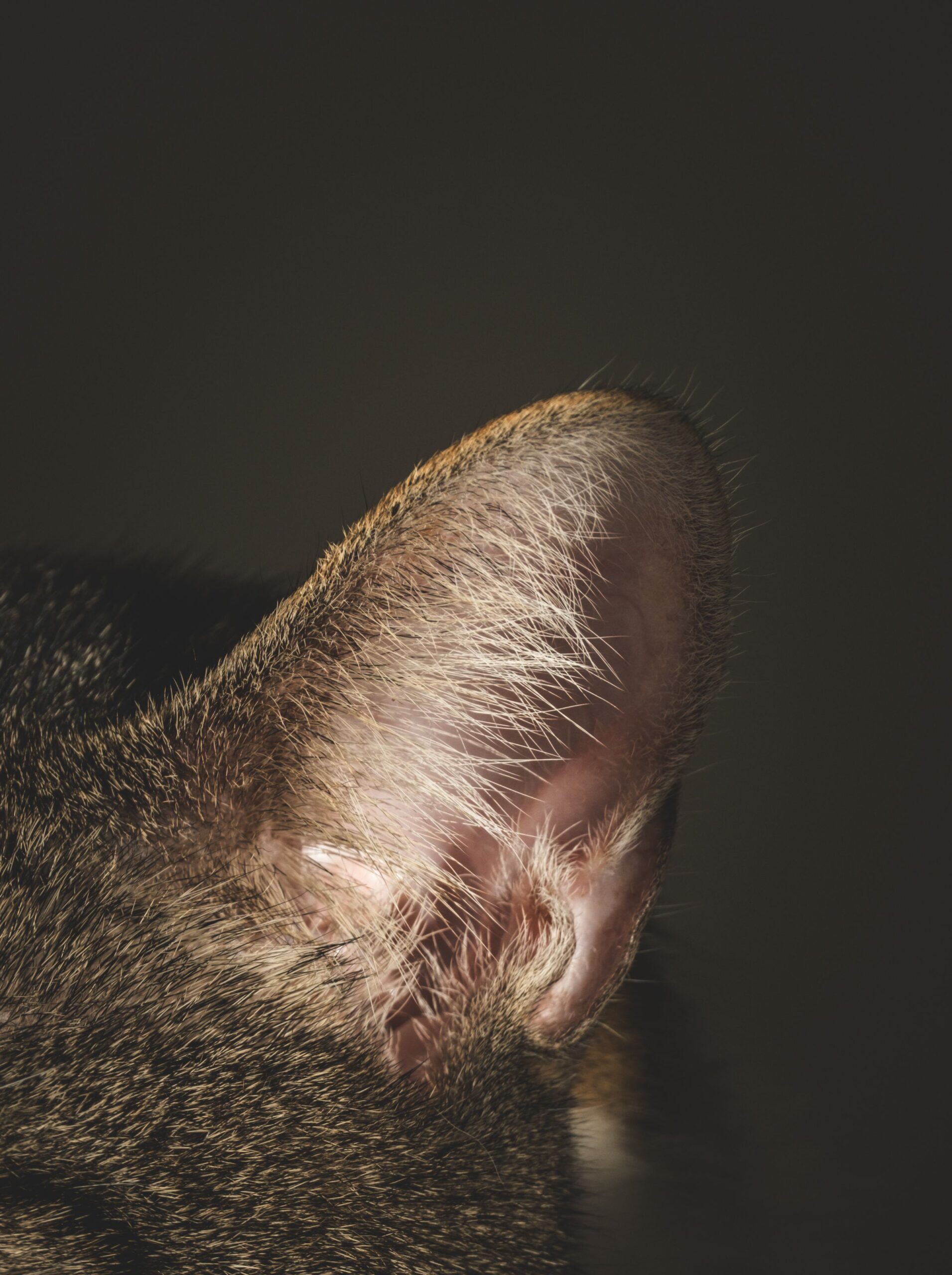
- Ears, inside and around the base.
- Eyes and the skin immediately around them.
- Nose and mouth, including the gum line.
- Genitals and rear end.
- Under the collar and harness, where rubbing creates small sores owners rarely see.
If your dog scratches or chews itself raw, you have a standing supply of small open wounds, which is worth fixing for its own sake. Our guide to why dogs scratch so much covers the usual causes, and dealing with fleas removes one of the biggest.
What to Do If You Suspect It
Do not try to treat it yourself, and do not wait to see how it looks tomorrow.
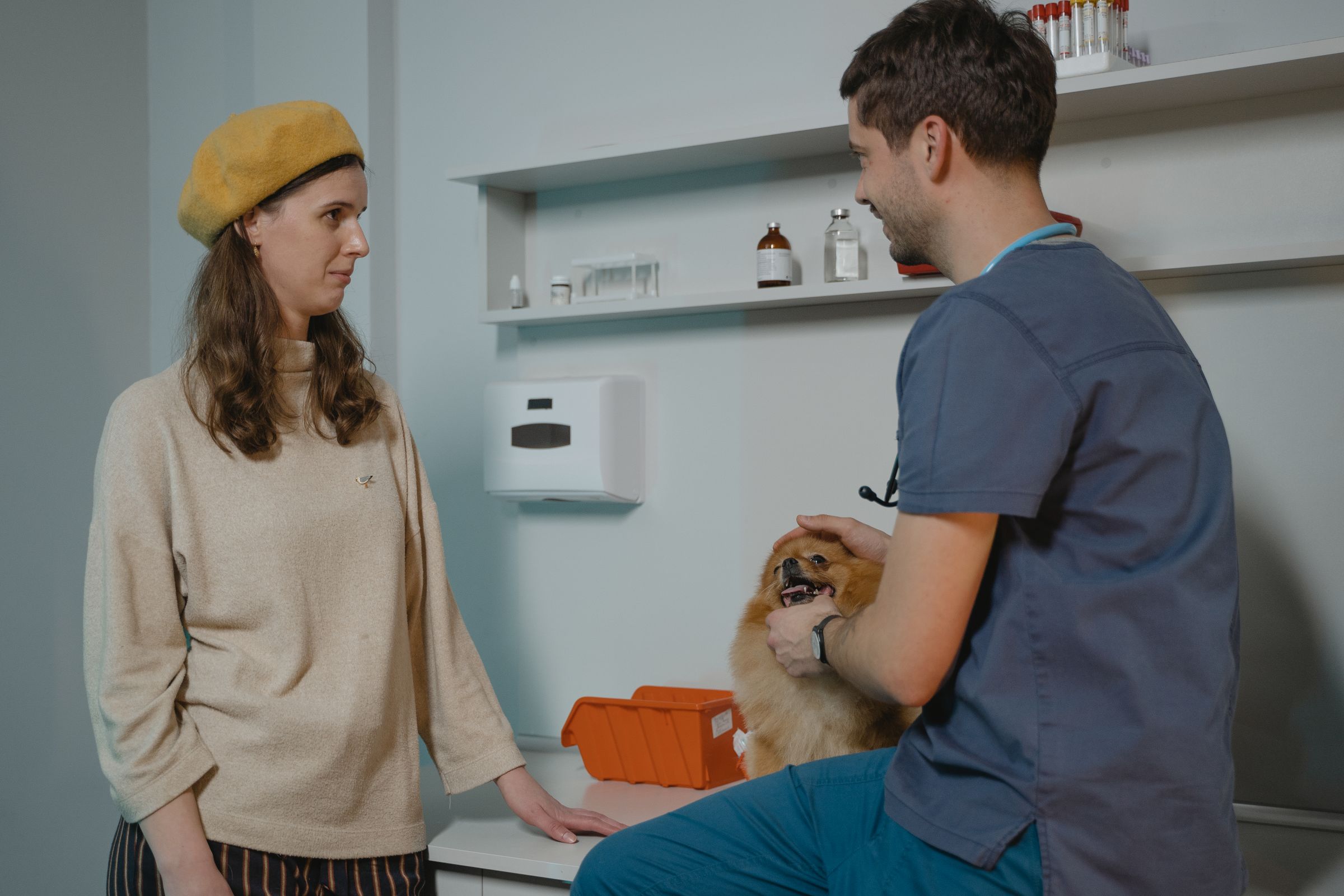
USDA’s instruction is to report signs of NWS immediately to your local veterinarian, your State veterinarian’s office, or USDA. Ring your vet first and tell them what you have seen, because they may want to take precautions before you arrive.
If you think a person has been affected, contact your healthcare provider right away. Healthcare providers are asked to report suspected cases to local or state public health authorities.
Resist the urge to pull maggots out or flush the wound with something from the cupboard. This is a reportable situation, and the animal needs a vet who can treat the wound properly and notify the right people.
Travelling With a Dog or Cat
This is where most owners will actually run into the rules, and the requirements have teeth.
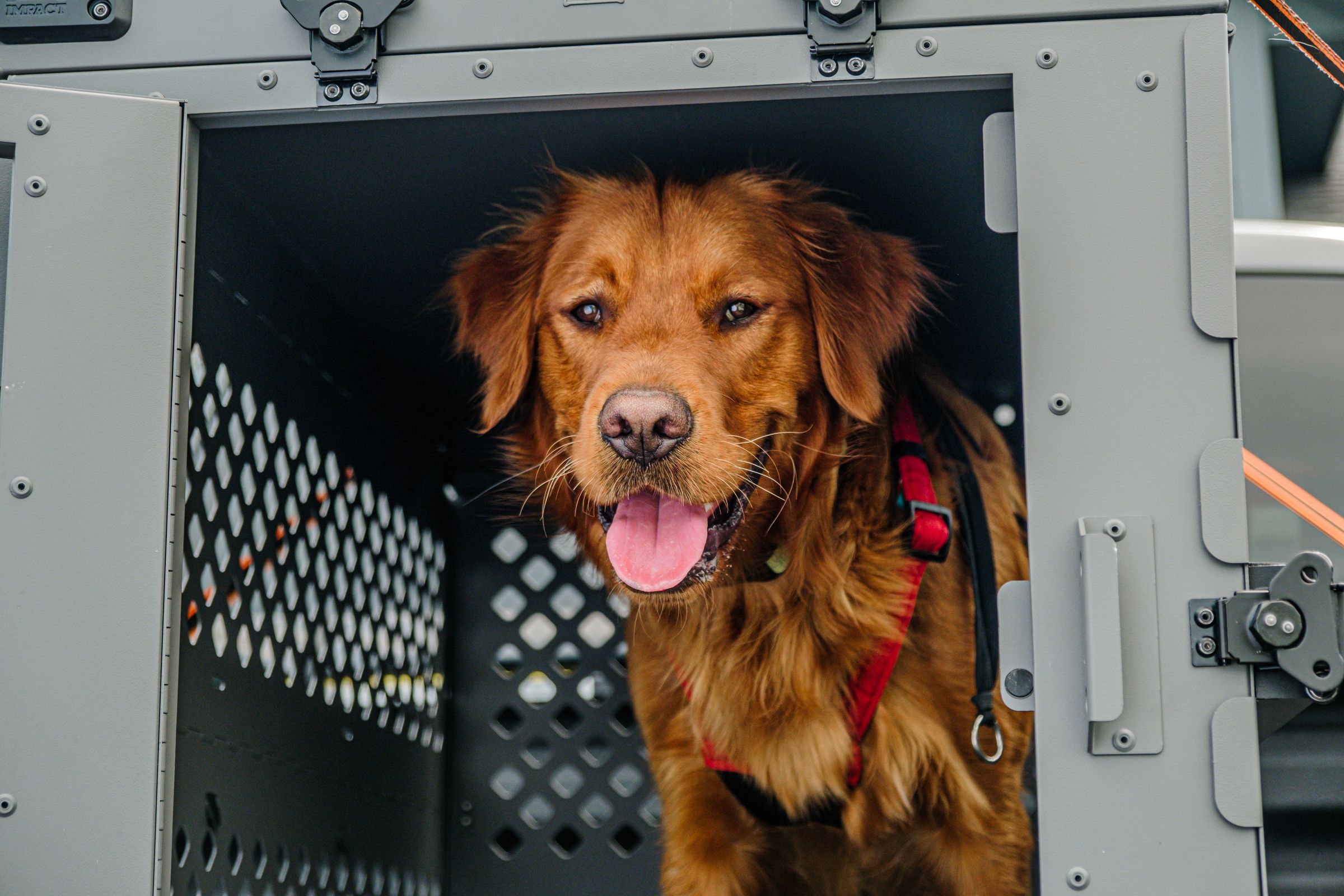
Dogs arriving from NWS affected countries, including dogs returning home to the United States, need a health certificate signed by an official government veterinarian in the country of departure. That certificate has to confirm two things: that the dog was inspected for NWS within 5 days of travel, and that the dog does not have an infestation.
USDA is blunt about the consequence of getting this wrong. Pets showing signs of infestation may be denied entry into the United States and sent back to the country of departure at the owner’s expense. That is a long flight and a large bill.
Before you travel, USDA suggests talking to your vet about the risk factors and the signs, booking exams both before and after the trip, asking honestly whether the trip with your pet is necessary at all, and finding veterinary resources at your destination in advance. The US Embassy or consulate in your destination country can often help you find local vets. Full details are in USDA’s traveller guidance for cats and dogs.
How Worried Should You Actually Be?
Honestly? Aware, not frightened.
One dog has been confirmed in the United States so far, against a background of cases that are overwhelmingly in livestock. If you live nowhere near the affected counties, do not travel with your pet, and keep wounds clean and covered, your practical risk today is low.
What makes this worth knowing anyway is how cheap the precaution is. Checking a wound properly takes a minute. Noticing a smell takes no time at all. And the cost of missing it is severe, because the maggots are feeding on living tissue while you wait.
The sensible position is the same one vets take with most parasites: know the signs, check when there is a reason to, and call early rather than late.
Common Questions
Can my cat catch screwworm from another animal? Not directly in the way an infection spreads. The fly lays eggs in a wound or body opening, so the route in is the wound, not contact with another animal.
Does my pet need an open wound to be at risk? A wound is the usual route, but USDA specifically lists body openings too: eyes, ears, nose, mouth and genitals. Intact skin is not an invitation, but those openings are.
What does an egg mass look like? Small clusters of white or cream coloured grains, usually at the edge of a wound or opening rather than deep inside it.
Is there a vaccine or a preventative I can buy? No. Prevention is wound care, checking your pet, and following the travel rules if you cross a border.
Can people get it? Yes, though it is uncommon. Contact your healthcare provider straight away if you suspect it.
The Bottom Line
New World screwworm is in the United States, one dog has been confirmed, and the signs are specific enough to learn in a couple of minutes. Maggots or white egg masses, a smell of decay, or a pet in obvious pain that has stopped eating and taken itself away from everyone. Any of those means a call to your vet today, not tomorrow.
For current case numbers, check USDA’s live dashboard rather than a news story, and read the CDC situation summary if you want the public health picture.
This article is general information for pet owners, not veterinary advice. If you think your dog or cat may be affected, contact your veterinarian, your State veterinarian’s office or USDA straight away.