Dogs Vs Babies. Does your dog do this. Share with a person who’s dog is such loving.
Happiest Dog Memes Ever That Will Make You Smile From Ear To Ear

Dogs Vs Babies. Does your dog do this. Share with a person who’s dog is such loving.
Happiest Dog Memes Ever That Will Make You Smile From Ear To Ear

The modern animal rights movement likely originated in Britain during the 1800s and gained sympathizers over time, including many abolitionists. The movement was designed to prevent abuse and neglect as well as promote better standards of living for animals. Today, the animal rights movement is made up of varied and often competing factions. Some believe that all “true” animal lovers must give up meat, while others just want the animals to be humanely raised and killed. With all the complex nuances of what people believe is best for animals, sometimes the animals suffer. Below are few of the times animal rights activists caused animals to suffer.
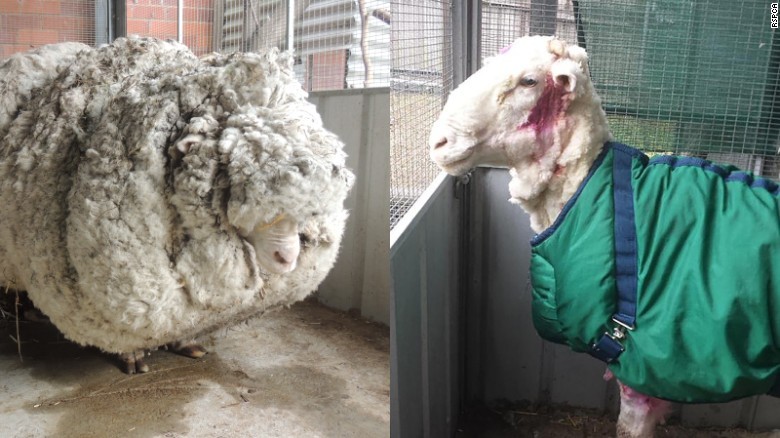
Sheep Shearing
https://www.sciencespacerobots.com
There are instances where sheep will sustain accidental minor injures, but the systematic and brutal methods portrayed by PETA are not accurate for the majority of sheep owners. Sheep are sheared for their wool, but they benefit from it, too. Domesticated sheep can’t shed their own wool, and if they go too long without a haircut, they can face numerous health problems.
A sheep named Chris got lost and lived in the wild for several years. Chris had so much wool—a whopping 40 kilograms (89 lb)—that his eyesight was impeded, his hooves were overstressed, and his skin was suffering from urine clogged up in his thick coat. Chris was rescued and sheared after being given tranquilizers because he was wary of humans.
Mink Farm Madness
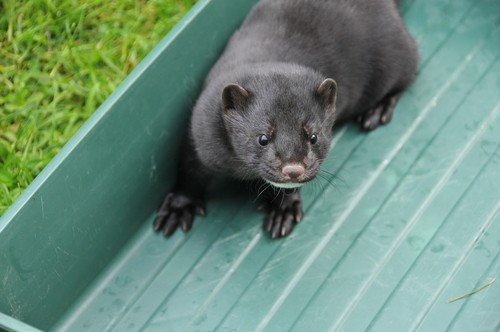
In July 2017, over 30,000 minks escaped with the help of vandals, most likely animal rights activists, into the Minnesota wilderness. Hundreds died early on, and those that weren’t recaptured will likely face the same fate because the domesticated minks do not know how to survive in the wild.
PETA’s Euthanasia Spree


PETA, the organization railing against animals in zoos and cheeseburgers, partakes in a lot of animal deaths via euthanasia. PETA’s shelter in Virginia takes in far fewer animals than many, but the majority of those sent there never come out. Most of the lawmakers in Virginia voted to pass a bill that would not designate PETA’s facility as an animal shelter because the majority of the animals taken there were killed rather than adopted. PETA argued that they were rescuing unwanted animals, but the fate of many of them was death. To add insult to all the other deaths, one small dog was kidnapped from its owner and euthanized. If PETA truly wants to help animals, they should spend more of their budgets on finding them homes instead of on controversial campaigns.
Mice Theft
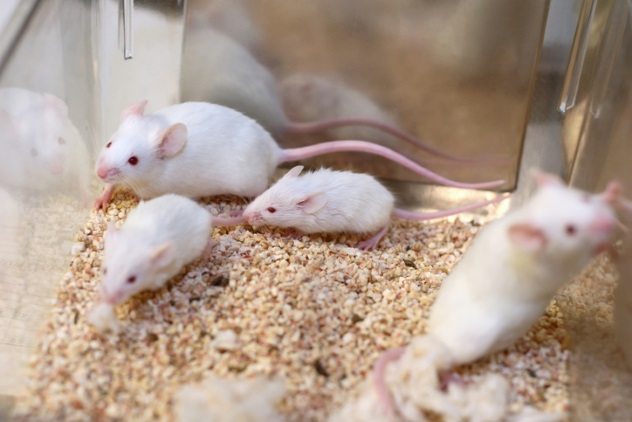
Italian scientists were aghast when animal rights activists stole dozens of laboratory mice and wrecked havoc in April 2013. The activists likely snuck in by stealing the electronic cards used as keys for the laboratory and tried to hold fort. They didn’t leave of with all of the animals as intended, but 100 unfortunate mice were taken. Many of these rodents likely died soon afterward, as they have weak immune systems.
Dissections Over Birth Control
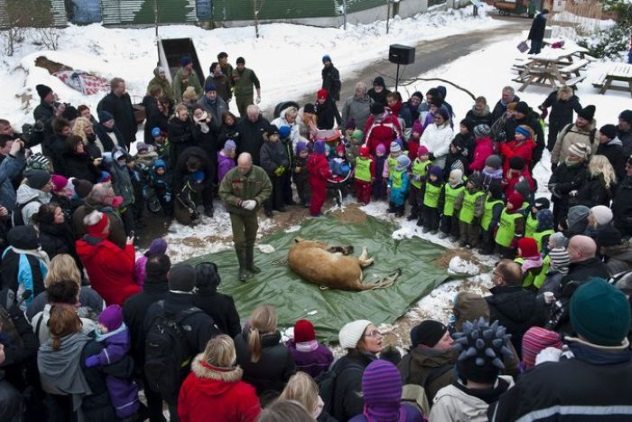
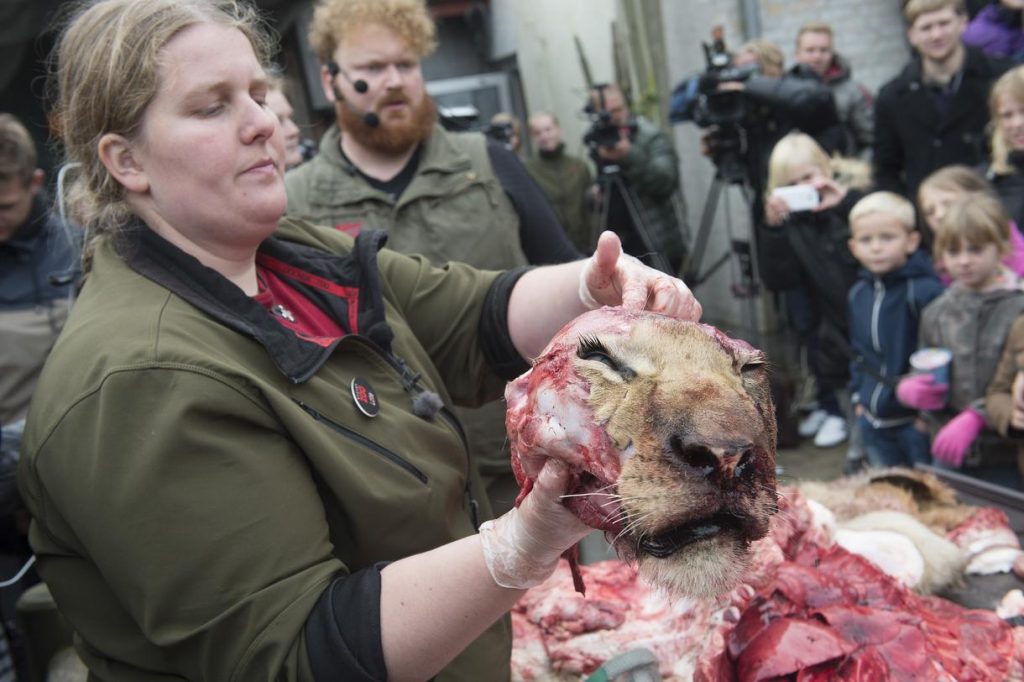
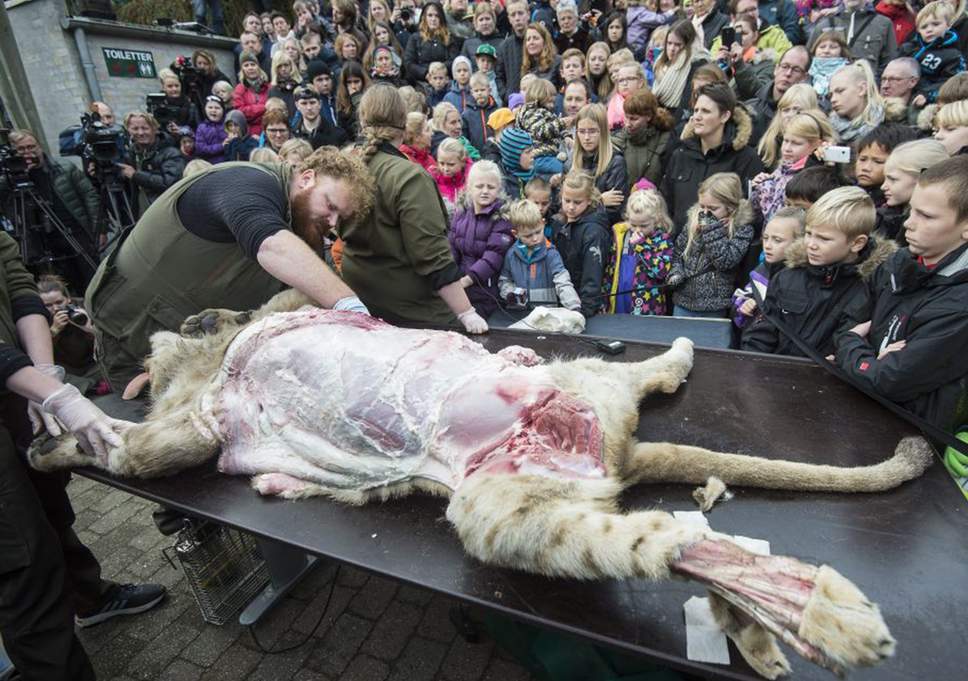
Many European zoos reject birth control for animals and instead opt to kill off excess animals if no other zoos for them can be found. The justification is that the animals can live out their lives more similarly to their wild relatives without birth control. The lioness in question was euthanized because of fears that her father might mate with her. While that seems a creepy enough fate, the zookeepers also decided against integrating her into another pride because the other lions might kill her. So they killed her instead and publicly dissected her as an educational experience for Danish children.
Cruel Animal Shelter

Not all shelters euthanize most of their animals; some simply neglect and abuse them. The Toronto Humane Society did just that. The conditions at the shelter were appalling, with starving animals, filthy cages, and poor medical attention. The surviving dogs were often sickly and starving. One dog even cannibalized another. Sadly, the suffering unfolded just so the shelter could boast about keeping their euthanasia rates low.
Buried Dinner
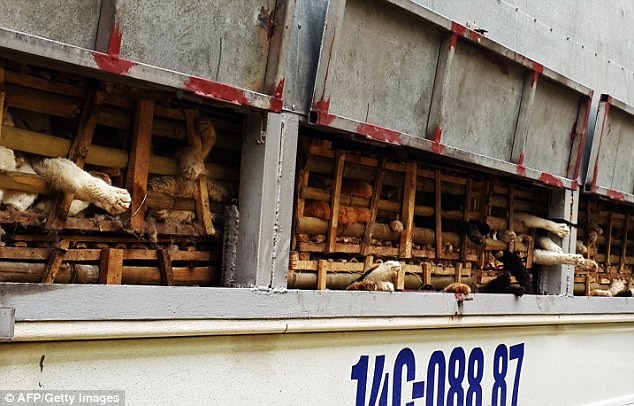
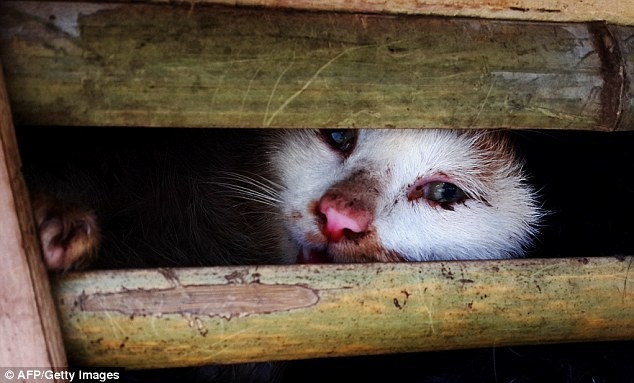
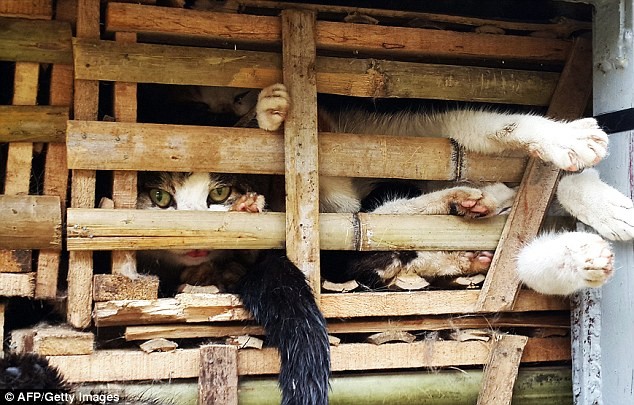
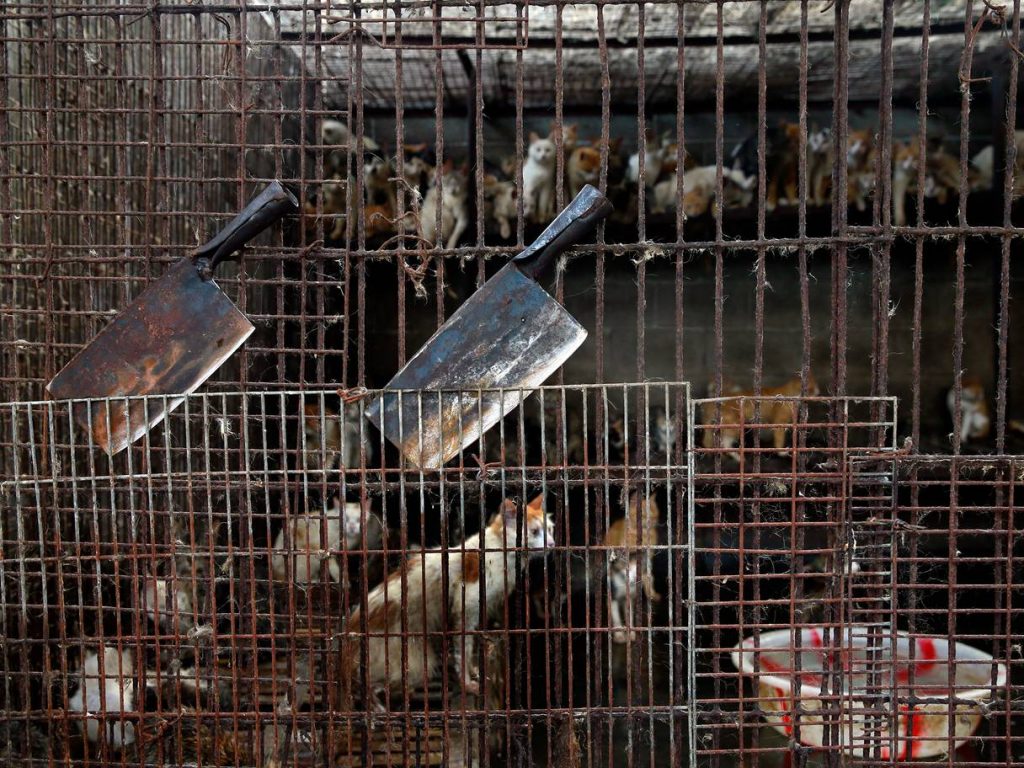
In February 2015, thousands of seized cats brought in from China to end up as dinner were buried alive. Out of all the ways of dying, being buried alive may be one of the most frightening and painful. Even being dinner sounds more appetizing. The cats, which were crammed in a truck from China to Northern Vietnam, were killed because they posed a threat to wildlife if left feral. Surely the government should have chosen a more humane way to kill them. The Vietnamese police seized the animals to prevent them from the cruel fate of becoming dinner, but they ended up in the grave anyway.
Real Fur
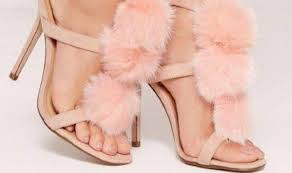
Sometimes fake fur products contain real fur. In April 2017, the British fashion company Missguided; was discovered to be using cat fur in its “faux” fur products. They have stopped selling their faux fur products and are attempting to figure out what went wrong. Other brands who claim to be fur-free also sell products made with fur from animals as varied as rabbits to raccoons. In the future, for those boycotting fur, it may be advisable to stay away from fur even if it claims to be fake.
Safety Is Only For Dolphins
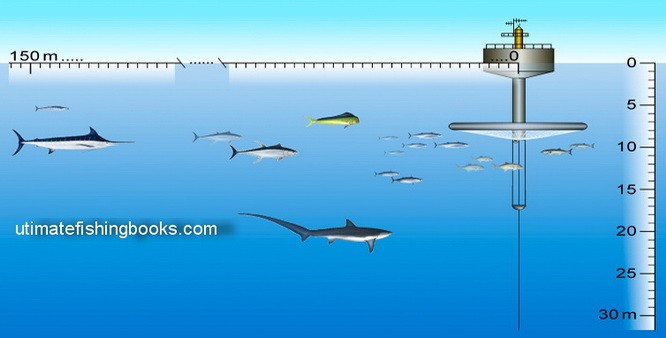

After footage showing dolphins trapped in fishing nets was released in the 1980s, tuna was boycotted. The reason tuna fishing caused so many dolphin deaths is that fishermen learned that netting near pods of dolphins provided large catches. After the idea of dolphin-safe tuna got attention, fish aggregating devices (FADs) became widely utilized. FADs are objects fishermen use to provide “shelter” to attract fish to their nets while reducing dolphin deaths. The sad reality is that FADs are even believed to be putting some marine animals, such as turtles and sharks, on the endangered species list. Concerned customers buying dolphin-safe tuna may be shocked to learn that the tuna is safe for dolphins—but nothing else.
Related Content

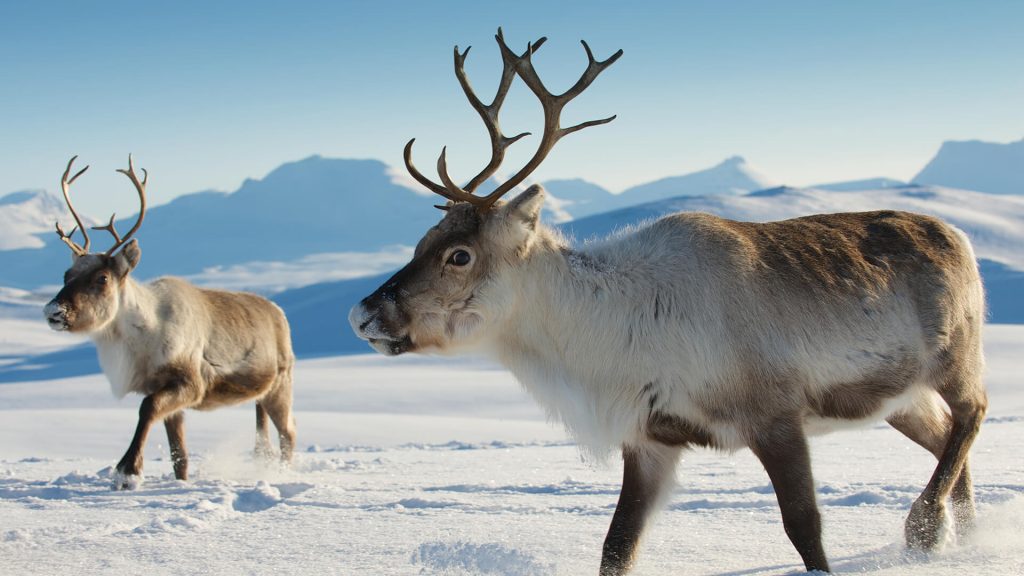
In North America, the word “reindeer” refers to one deer species used as livestock by humans (and Santa Claus). The word “caribou” is used for a kind of wild Arctic and subarctic deer. However, the two are actually the same species, Rangifer tarandus.
Those who live outside the natural range of reindeer may think of them only at Christmastime. In other cultures, however, reindeer are a way of life. Here are some little-known, odd, and even disgusting facts about reindeer.
Domestic And Wild Differences
http://animals.sandiegozoo.org
There are different estimates on when reindeer were domesticated. In Eurasia, they are believed to have been tamed about 7,000 years ago. Despite this long process, reindeer are described as only semidomesticated. There are some differences between the bodies of semidomestic and wild reindeer. The semidomestic animals are slightly smaller and have shorter snouts. They are also more colorful. In the wild, different reindeer populations have different colors, but color is more variable among members of a domestic herd.
Domestic and wild reindeer differ in behavior, too. When compared to the wild populations, domestic reindeer mate and give birth a month earlier, are less ambitious when migrating, and have less endurance when doing so. Most obviously, domestic reindeer are tamer than their wild counterparts, are more tolerant of humans, and are easily trained.
Hot And Cold In The Arctic
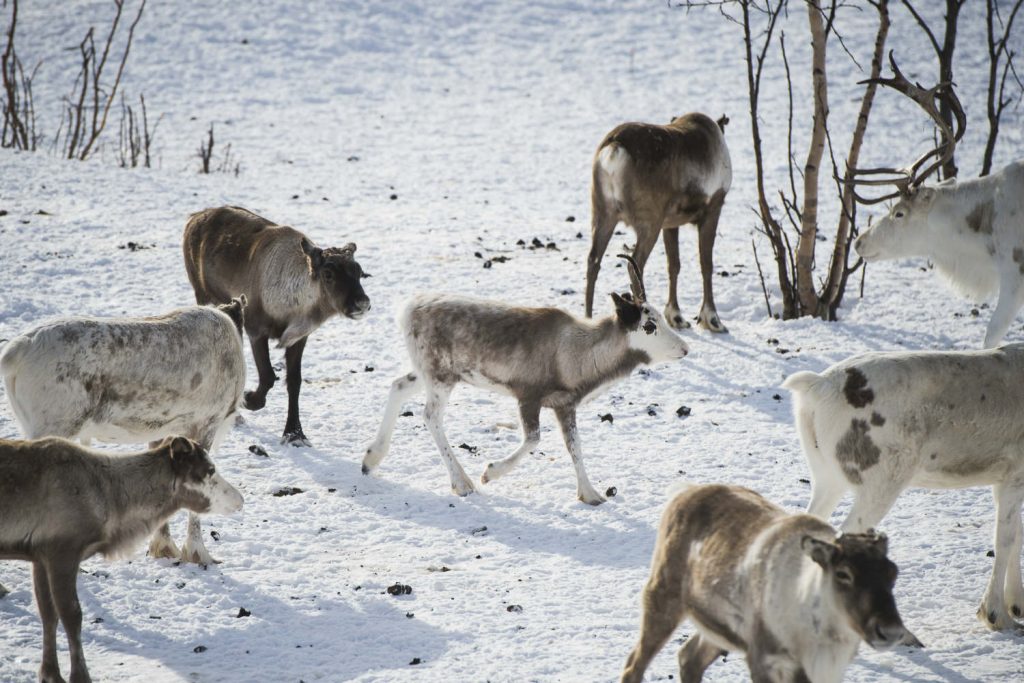
A reindeer’s fairly long legs help it migrate and flee predators. However, the length of these legs may make them prone to heat loss. This risk is counteracted by a specialized arrangement of blood vessels. Warm blood flowing into the legs passes closely by cold blood returning from the legs. Some heat exchange happens between the two, and the warm blood is cooled. Overall, very little heat is lost from the legs.
Flies In Reindeer Noses
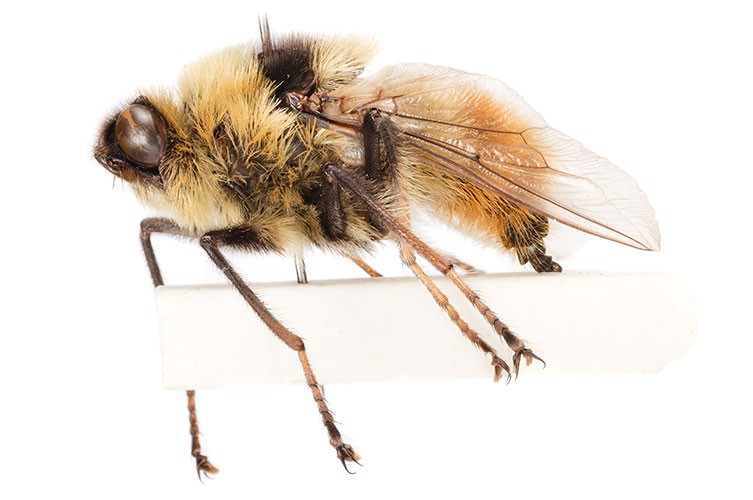
In July and August, reindeer may violently shake their heads, stamp their feet, and race over the tundra for no obvious reason. This is to avoid parasitic flies, including the bot fly Cephenemyia trompe. Unlike most flies, the fluffy, beelike C. trompe does not lay eggs. Instead, it squirts tiny maggots right into reindeer noses. These larvae develop in the reindeer’s nasal passages for a bit before burrowing deeper into the sinuses and throat. In extreme cases, the reindeer will suffocate. Once fully grown, the larvae crawl back into the nasal passages, where they are sneezed or coughed out by the reindeer.
Antlers
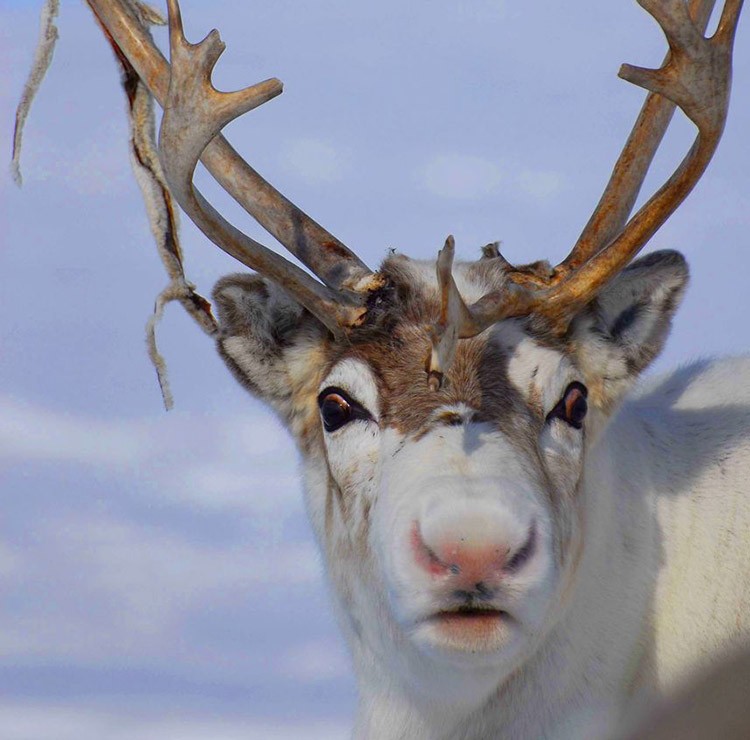

To have antlers in December, Santa’s reindeer must be one of three things: female, castrated, or immature. This is because mature, intact male reindeer shed their antlers in autumn. The other kinds of reindeer keep their antlers into winter. Reindeer are the only deer where the females have antlers. Female reindeer have antlers to fight something else: their own kind. During the winter, food is scarce. Reindeer must dig pits in the snow to uncover lichen, their main winter food. Reindeer defend these pits from others who might steal the food.
Birth Control Shots For Male Reindeer
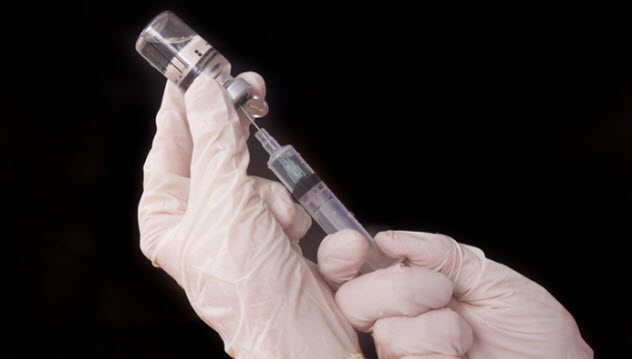
The behavior of male reindeer, or bulls, greatly changes during the rut (the mating season). During this time, they are aggressive, destructive, and dangerous both to handlers and other reindeer. Reindeer producers have been using Depo-Provera, a birth control drug, to counteract the behavioral changes of the rut. Reindeer on Depo-Provera still mate, but they are usually less aggressive.
Typically, male reindeer live for 7–8 years, while female reindeer live 14–18 years. This is thought to be due to the extreme levels of hormones in the bulls’ bodies during mating season. Eventually, the bull will go into rut and die of a heart attack. Bulls that receive Depo-Provera have been known to live to age 12.
Reindeer Noises

Reindeer are unique among deer in having an air sac near the windpipe for the purpose of making calls. This air sac is inflated when male reindeer make their guttural, rattling calls to attract female reindeer and repel rivals. In males, it keeps growing until the reindeer is six years old, leading to a big difference between the two. In males, the air sac is asymmetrical, extending either to the left or right of the underside of the neck. During the rut, males also grow a beard-like neck mane at roughly the same place as the air sac. While the animal is calling, this mane is spread out, making a visual signal.
Eating Lichen
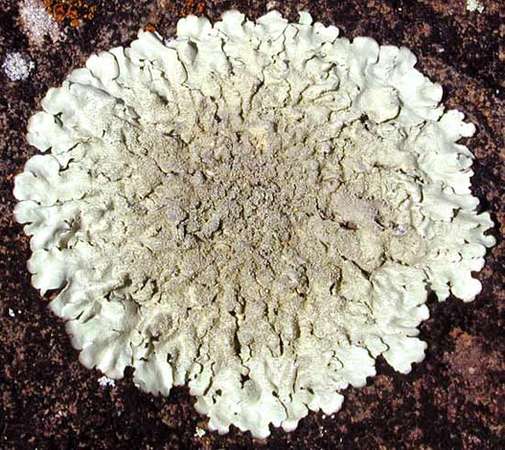
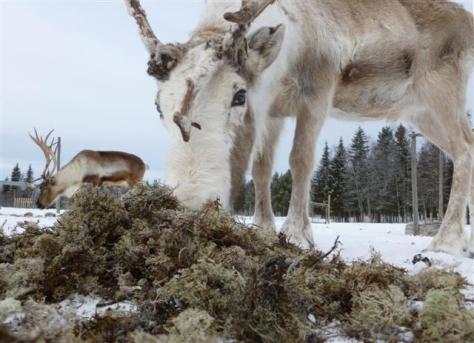
https://sciencetechnologyandhealth.wordpress.com/
Depending on the lichen species, reindeer can digest 40–90 percent of the organic matter in lichens. This is much better than sheep and cows, which can only digest a much smaller percentage. Although lichen is high in carbohydrates, it is very low in protein and minerals. Without a nitrogen supplement, reindeer in captivity lose weight on a lichen-based diet.
A Diet Of Droppings
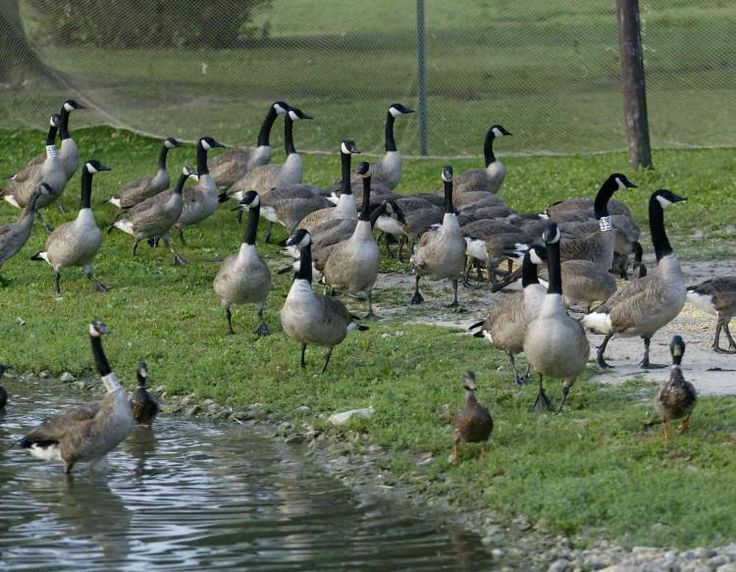
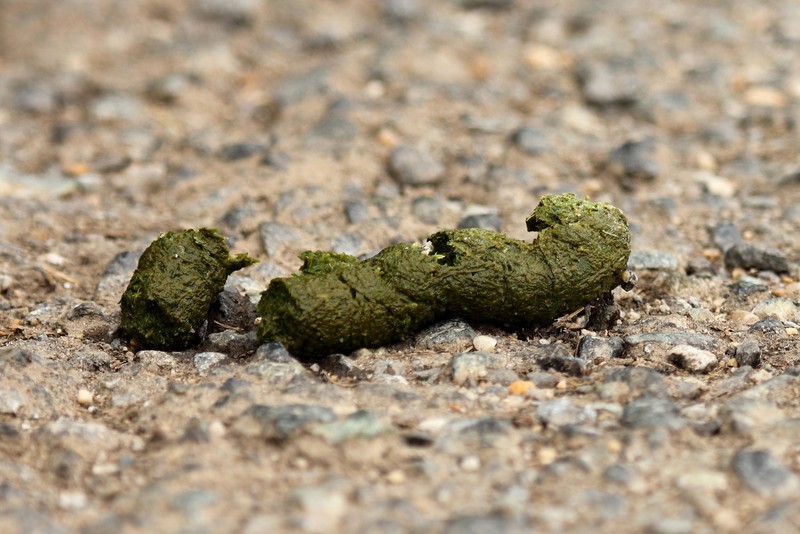
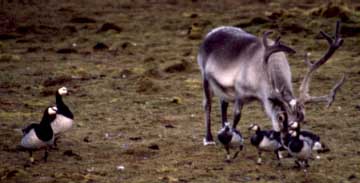
During the winter, its reindeer meet daily energy needs by feeding off a sparse covering of low-quality plants such as mosses. The reindeer have adapted to this harsh habitat of low-quality food in a very strange way—by eating goose droppings. Reindeer are choosy. According to one study, they preferred goose droppings that contained grass pieces to those with moss pieces. Several times, the researchers saw reindeer chasing geese away to eat the piles of droppings. Study made a rough estimate that 6–8 reindeer could live on goose droppings during the two months the geese were around. Therefore, goose droppings could be a significant source of extra food for a few reindeer.
Reindeer Are Fond Of Their Own Urine
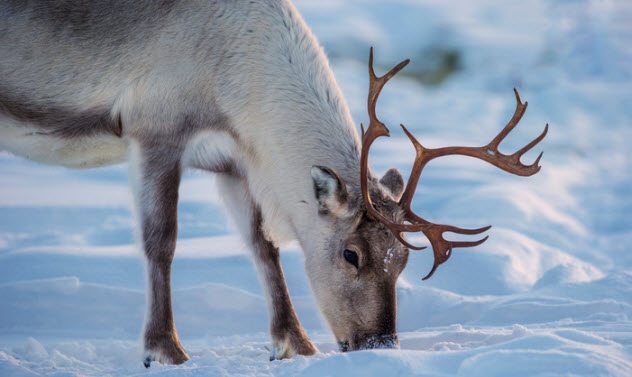
A reindeer’s fondness for urine is not limited to that of humans. During the rut, the urine on a male’s hind legs acts as a scent signpost to others of his kind. This is thought to happen because the male is the center of his moving territory. Associated with dominance and aggression, this behavior usually ends a series of aggressive actions. A male reindeer digs in the soil, urinates there, and then rubs his nose in it for at least 10 minutes. Female reindeer may also rub their noses in these patches of urine.
Related Content

Cats are some of the most fascinating creatures on Earth. The Felidae family includes over three dozen species of cats. Except for a few species, cats are natural hunters with claws that can be sheathed and unsheathed, keeping their claws sharp for hunting and fighting. Unlike canines, most cats live and hunt alone. Many cat species are well-known. From the social and majestic lion to the swift and elegant cheetah, cats have fascinated humans for thousands of years. However, not all cats have received the attention they deserve. Below are 10 little-known cats that will fascinate all of us.
Margay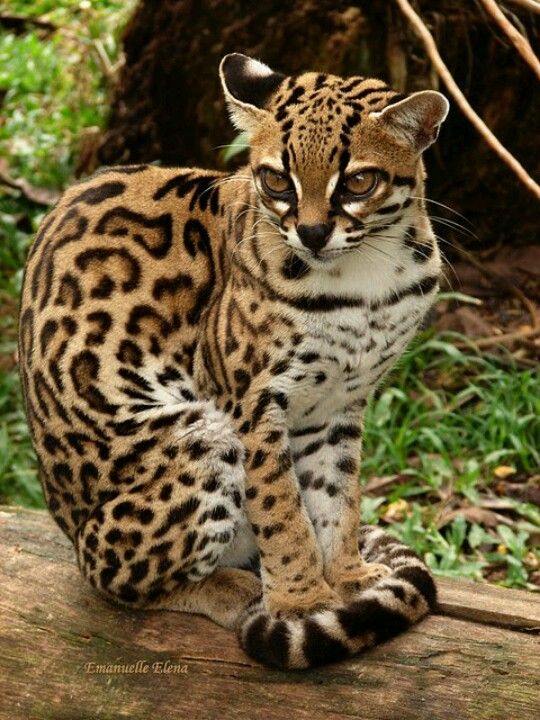 https://www.pinterest.fr
Margays are spotted cats that sport long, ringed tails. These South American felines are true tree huggers. Margays refuse to even go through areas without cover and rarely descend from the trees. They will even birth their young high off the ground. Their main habitat is rain forests, but they will sometimes reside in large coffee, cocoa, pine, or eucalyptus farms. Their wide feet and nimble toes allow them to hang with one foot underneath a tree branch. These graceful cats can even manage to pivot their feet 180 degrees. As if that wasn’t enough, margays can leap almost 6 meters (20 ft) vertically and can jump 9 meters (30 ft) across. These cats dine on birds, reptiles, and primates. Rusty-Spotted Cat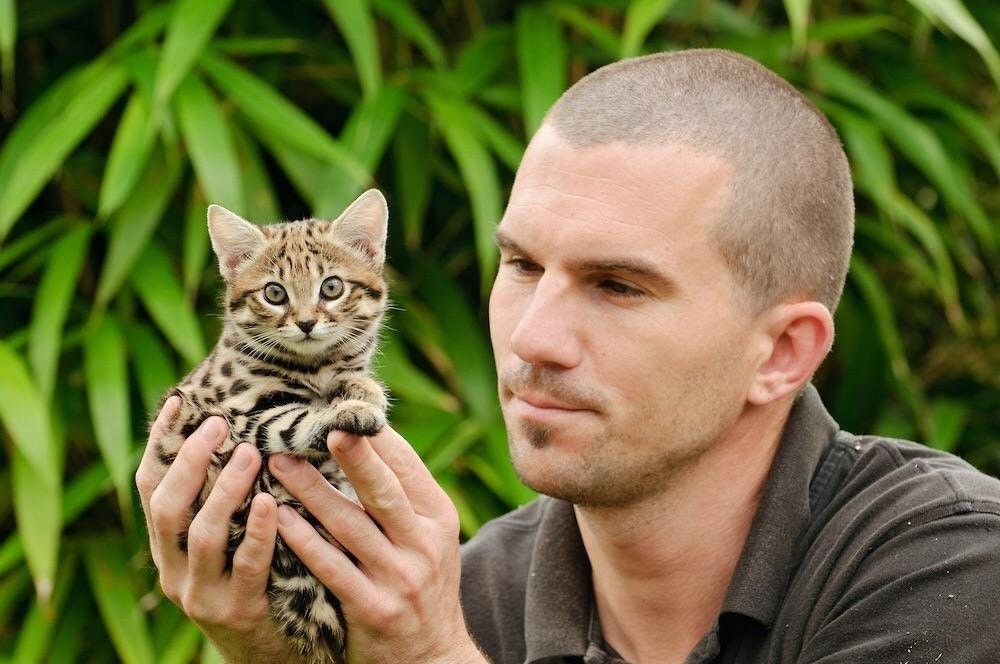 https://www.reddit.com
Rusty-spotted cats are among the smallest cats in the world—even being outweighed by many domesticated cats. True to their name, rusty-spotted cats have a taupe coat speckled with rust-colored markings. They boast white undersides, unmarked tails, and large, round eyes that vary in color. These petite felines call India and Sri Lanka home. They situate themselves near abandoned houses, in forests, on stony foothills, in bushy areas, and in grasslands. Rusty-spotted cats eat small animals, including mice, rats, and chickens. They also supplement their diets with termites and attack bigger game, including the non-native gazelle, if given the chance.
Flat-Headed Cat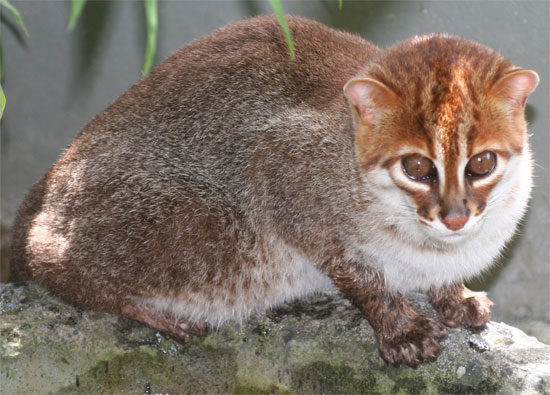 http://bib.ge
Not much is known about these elusive felines that are aptly named for their flat foreheads. They are similar in stature to a domesticated cat with dark ginger heads, brown fur, and white underbellies. Flat-headed cats have the distinction of consuming more vegetables and fruit than any other cat. However, they are mostly carnivorous and dine on aquatic prey. These cats enjoy swimming, and captive kittens have been observed to instantly gravitate to water. They are found in Sumatra, Borneo, and Malaysia.
Andean Mountain Cat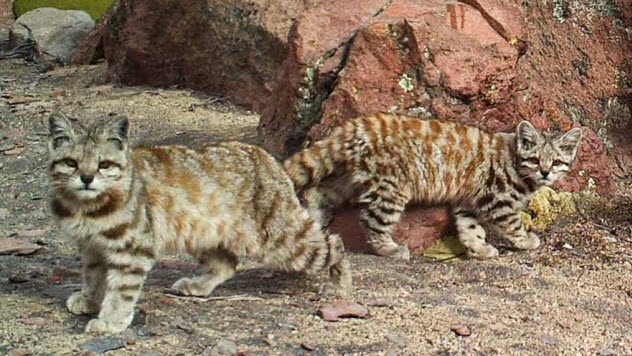 http://listverse.com
Andean mountain cats are thick-coated, gray and yellow-brown tabby cats that are found in the Andes Mountains. They can birth multiple cubs and sometimes pair up. They dine on mountain viscachas, rodents that bear a striking resemblance to rabbits. Farmers kill them to protect their livestock, and their cattle gobble up the cats’ land. They are also killed by locals and used in medicine, for religious purposes, and for food.
Black-Footed Cat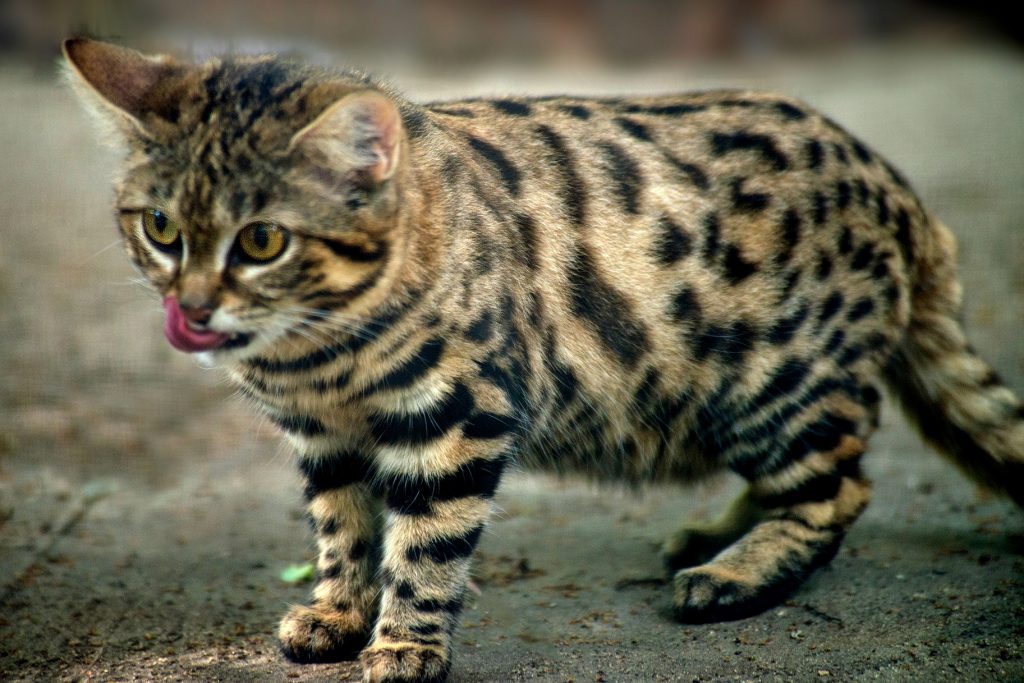 http://www.bravotv.com
The black-footed cat is the smallest African cat. Their large ears help them to pinpoint sounds, while their black feet protect their paws from the heat. These spotted—and sometimes banded—cats live in the deserts and grasslands of South Africa, Namibia, and Botswana. These feisty cats have been known to successfully fight off jackals. Their diet encompasses eggs, amphibians, locusts, rodents, young springbok, reptiles, hares, and birds.
Iriomote Cat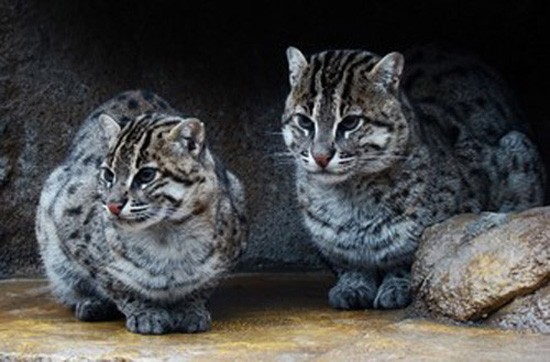 http://bib.ge
Iriomote cats are now considered a subspecies of the leopard cat. Their habitat range is restricted to the Japanese island of Iriomote, but they will claim beaches, swamps, low hills, and rivers as their territory. These house cat–sized felines feature dark coats with white spots and golden eyes. These multitalented cats can swim and scale trees. The Iriomote cats also mate with stray domestic cats, producing hybrid offspring.
Jaguarundi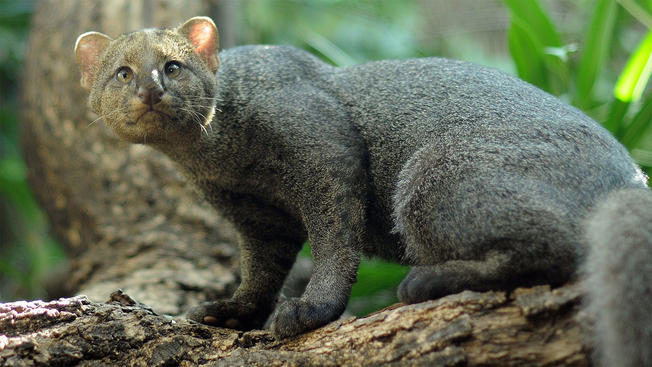 https://www.nbcdfw.com
These South American felines do not resemble jaguars and are actually related to cougars. Jaguarundis are small cats with slim figures, long tails, stubby limbs, diminutive ears, and coats consisting of black, gray-brown or red-brown fur. Their habitat is the forests, grasslands, swamps, and scrubland of southern Mexico and a large part of South America. Jaguarundis enjoy a varied diet of rodents, fruit, birds, and reptiles. They are extremely vocal compared to other cats, making a range of 13 different sounds. Their fur is not considered fine enough to sell, but they are killed when they hunt poultry.
Marbled Cat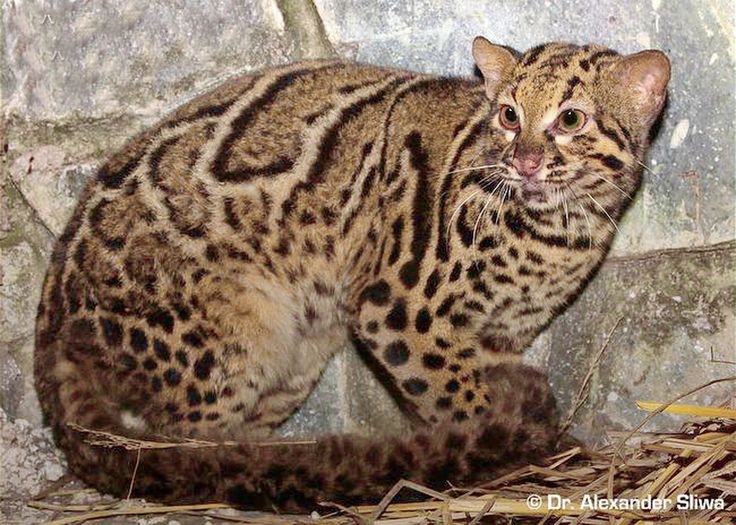 https://www.pinterest.com
Marbled cats share a striking resemblance to clouded leopards. Marbled cats live exclusively in the forests of Southeast Asia. They are extremely agile. Like the margay, they can swivel their paws. They birth one to four kittens, although little is known about their reproduction. They may eat bats. Asiatic Golden Cat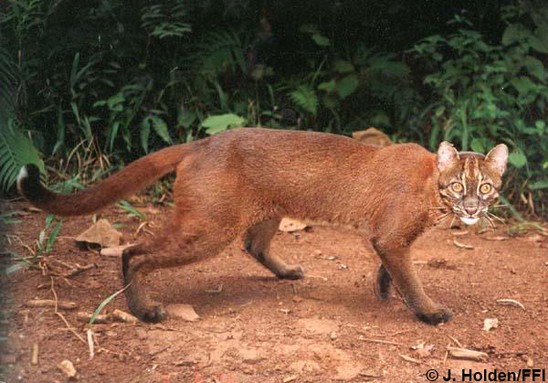 http://www.catsg.org
The thick-furred Asiatic golden cat is known for having black, red-brown, gray, russet, golden-brown, or brown fur. These medium-sized felines are found in forests and rocky areas in Southeast Asia. Females have litters of one to three offspring. Unfortunately, many male Asiatic golden cats have taken their own mates’ lives, making the difficult task of breeding them in zoos. Some Asiatic golden cats eat their own kittens, scientists tried artificial insemination on one occasion and it successfully produced two kittens. The Asiatic golden cat is a fascinating and complicated cat whose sometimes violent nature renders its protection more difficult.
Oncilla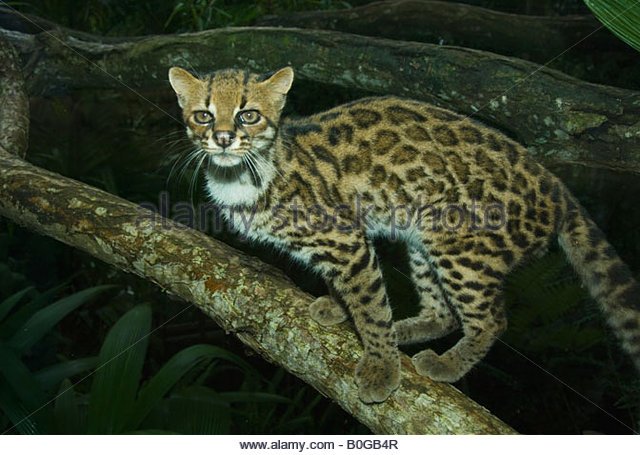 http://www.cougarhill.info
The oncilla is a small, spotted cat that lives in parts of northern South America. These fragile-looking cats should not be underestimated. They are found at elevations as high as 3,600 meters (11,800 ft). Oncillas are related to margays but are agile and nimble climbers. Oncillas prefer to hunt on the ground where rodents, their favorite meal, can be found. Their recorded life span of 23 years in captivity makes them longer lived than many felines. Related Content
Bizarre Ways People Have Been Killed By PetsPeople Who Died Trying to Save a Dog’s LifeAnimals That Don’t Look Dangerous but Are Actually Deadly

Islands are notable for many different things. Some islands are popular vacation spots because of their pristine beaches, perfect surfing conditions, and beautiful snorkeling reefs. Others are known for volcanoes, awesome hiking trails, or indigenous tribes.
These are few of the islands that are remarkable because of their unique animal populations.
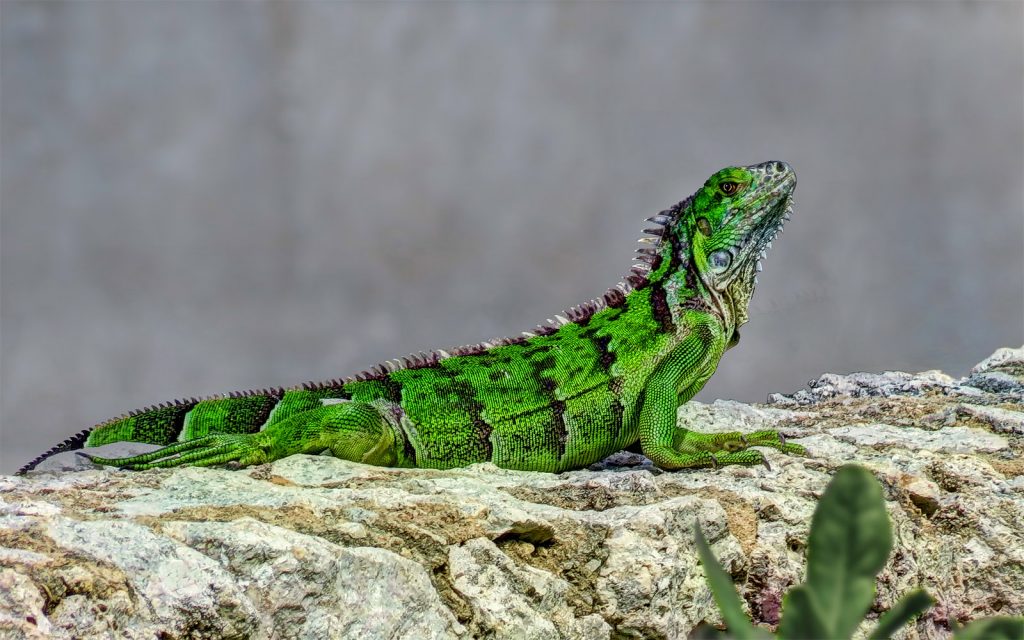
Green Iguanas In Grand Cayman
https://caribbeannewsservice.com
The largest of the Cayman Islands has been invaded by green iguanas. Native to Central and South America, these reptiles were introduced to the island in the 1980s. They were brought to Grand Cayman as pets and multiplied rapidly in the wild.
The green iguana is a peaceful herbivore, but it is still dangerous to the island. The large lizard poses a threat to Grand Cayman’s natural resources. They strip the bark from trees in the wild, damage gardens and farms, and compete with indigenous species for food sources.
The green iguana population is estimated to be approaching one million.
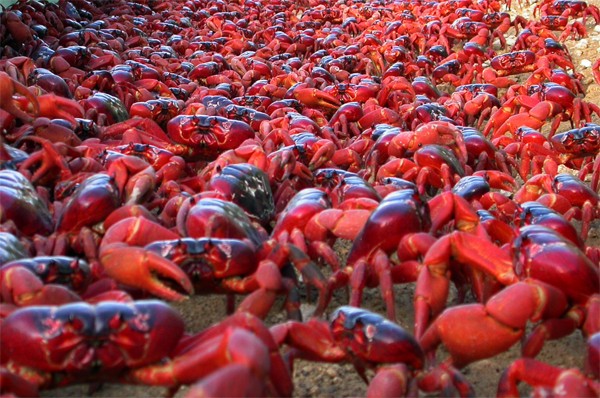
Christmas Island Red Crabs
https://haydensanimalfacts.com
The top of an ancient volcano in the Indian Ocean, this Australian territory is famous for its bright red crustaceans. Christmas Island is home to the Christmas Island red crab, a species native to the island that cannot be found anywhere else in the world. About 40–50 million red crabs live on Christmas Island. For most of the year, the crabs live in the rain forest, feeding on leaves and fruits that litter the rain forest floor. During the dry season, they dig burrows and retreat underground to maintain their body moisture.
Seal Island
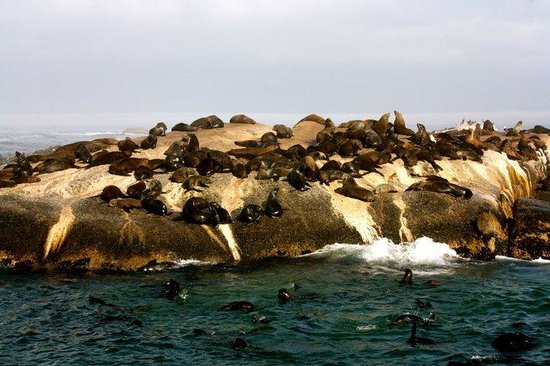
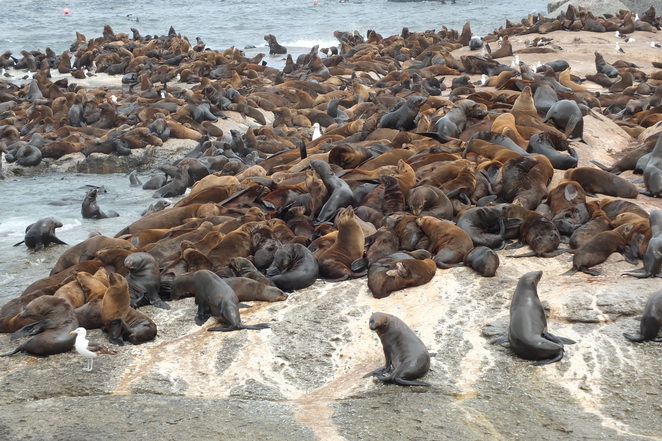
Seal Island is a reserve located in False Bay off the coast of Cape Town, South Africa. There are no sandy beaches or vegetation on the small granite landmass, but the island is covered in Cape fur seals. Their population is estimated to be around 75,000.While the island itself does not permit visitors, boat tours of False Bay allow people to see the Cape fur seals sunning themselves or playing in the water.
Wild Horses On Assateague Island
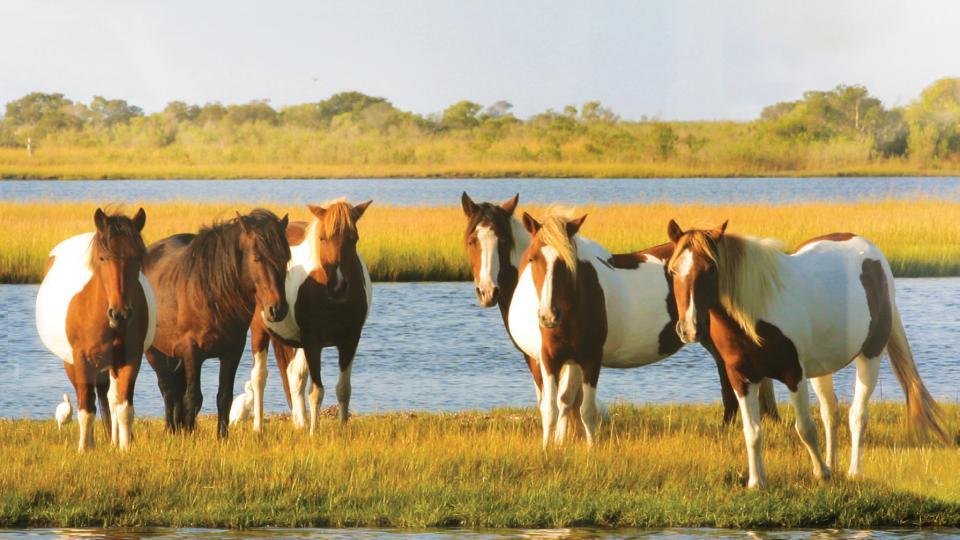
Assateague Island is home to approximately 300 wild horses. The island lies off the coasts of both Maryland and Virginia and belongs to both states. The northern two-thirds of the island is part of Maryland, and a fence separates the southern Virginia portion of the island. The Virginia herd is called the “Chincoteague ponies,” while Maryland calls their herd “Assateague’s wild horses.” The Assateague “wild” horses are technically feral horses. They descended from domesticated horses that reverted to a wild state. Exactly how the horses came to reside on Assateague Island is not known. The horses on the island are a popular attraction, but it is important to remember that they are not domestic pets. Every year, visitors who get too close to the horses end up getting kicked or bitten.
Henderson Island Rats
https://news.nationalgeographic.com
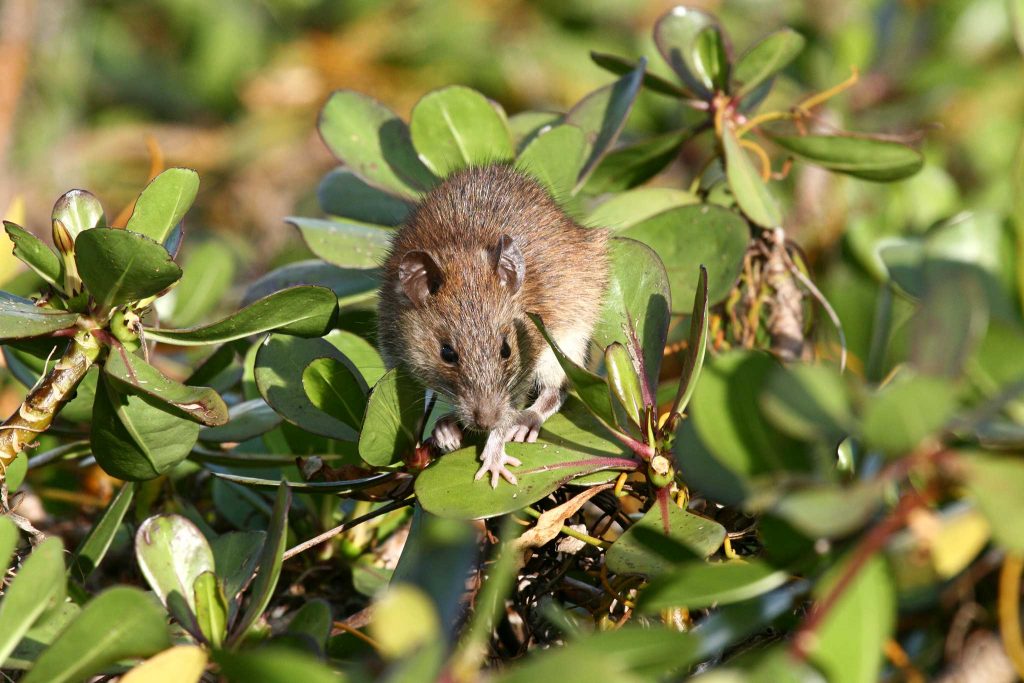
Henderson Island is a remote coral island in the South Pacific. There are no human inhabitants, but the island is home to an abundance of wildlife. Polynesian rats were introduced to the island by sailors approximately 800 years ago. The rats regularly eat baby chicks. Approximately 95 percent of chicks that hatch on Henderson Island are eaten by rats within one week. This includes hatchlings of the Henderson petrel, a ground-nesting seabird that is already endangered. The rat population on Henderson Island is now somewhere between 50,000 and 100,000—the same level before the poisoning.
Tonawanda Island Cats
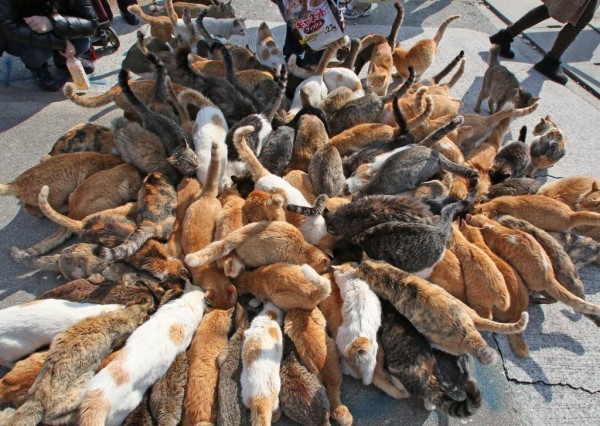
A small New York island on the Niagara River is populated by very few people but is home to a huge mob of stray cats. Danielle Coogan, who lives on the mainland in North Tonawanda, visited the island’s popular restaurant in 2014. Coogan was horrified by the cat situation and decided to do something about it. She started a fundraiser called “Operation Island Cats” that was very successful. With the money raised, Coogan and a group of volunteers were able to trap, neuter, and vaccinate the cats that lived on the island. Young kittens were put up for adoption, but older cats were returned to their island home.
Okunoshima Rabbits
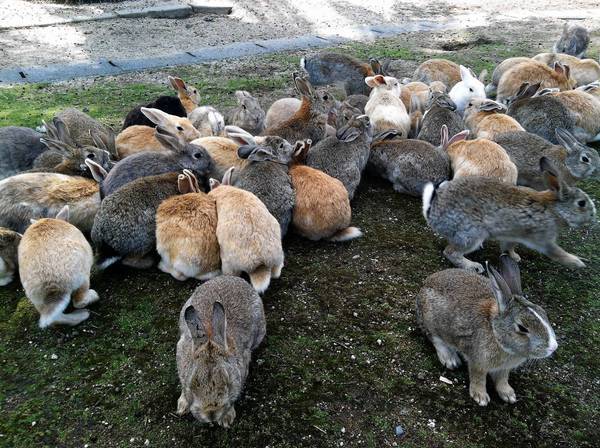
Okunoshima is a small island located 3 kilometers (2 mi) off the coast of Japan. It is also known as Rabbit Island due to its large population of friendly feral fluff balls. Many enjoy visiting the island to see the bunnies, but tourism is having a negative impact. People feed the rabbits, which has led to an increase in their population that the island cannot sustain.
Lambay Island Wallabies
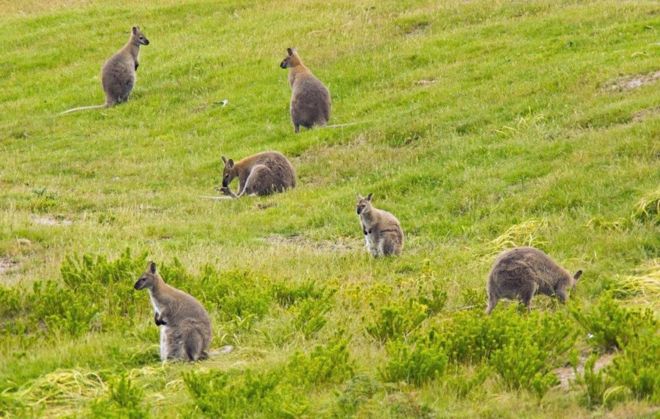
Lambay is a private island that lies 14,500 kilometers (9,000 mi) away from where wallabies are typically found. In Australia, wallabies enjoy warmer weather, while Lambay Island rarely sees temperatures rise above the 15-degree-Celsius (60 °F) range. Wallabies were introduced by the island’s owners in the 1950s.wallabies were the only non-natives to survive on Lambay Island. In the mid-1980s, the island received seven additional wallabies from a Dublin zoo that could no longer house them. Counting them is difficult due to their tendency to hide, but the Lambay Island wallaby population is estimated to be between 30 and 50.
Año Nuevo Island Of Love For Sea Lions
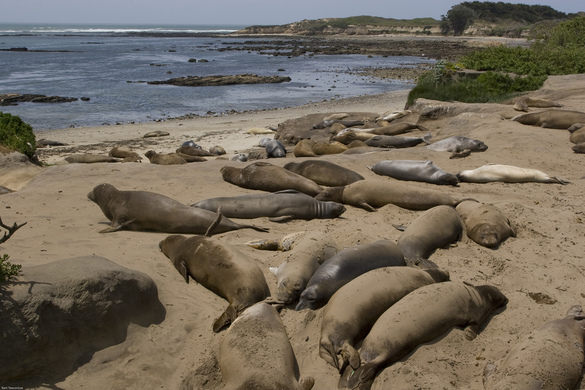
The nine-acre island that lies 0.8 kilometers (0.5 mi) off the coast of northern California is one of the most densely populated animal refuges on Earth. Today, Año Nuevo is teeming with animals that use it as a breeding site. The island is part of a reserve, and access is granted only for research purposes. The species that has benefited most from Año Nuevo Island is the northern elephant seal. Año Nuevo Island became the love shack that brought the northern elephant seals back from the brink of extinction. The first elephant seal was spotted on the island in 1955, and the first pup was born there six years later. As a popular breeding and birthing site by northern elephant seals, 2,000 pups born on the island in one year. Today, their growing population is near 160,000.
Related Content
Animals That Can Detect What Humans Can’tPet AlligatorAnimals Specifically Bred For Blood Sports
It’s easy to forget that we rely on so many wonderful technological breakthroughs that were based on observations of raw nature. Animals probably think that we are a little late to the party. But never mind, let’s take a moment to appreciate the mutual benefits of evolved design. Here are some things you surely thought were all human. You’re about to find out that animals got there first.
Air Brakes
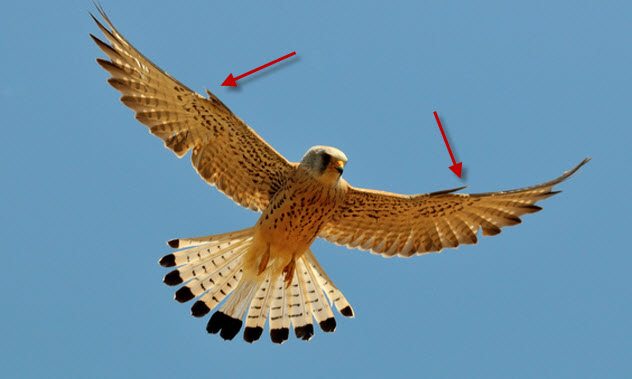
Have you ever looked out the window of an airplane just before landing and noticed small slats pop up along the wing? These slats are designed to prevent the airplane from stalling as it slows.
Birds have their own version of this clever technology in the form of specially adapted feathers. Bird feathers are broadly divided into primary and secondary feathers, with some being vital for flight and others more for display.
These feathers can be adjusted by a bird to open up a small slot that helps to stabilize the bird and avoid a stall in slow flight or upon landing.
Sonar
https://animals.howstuffworks.com
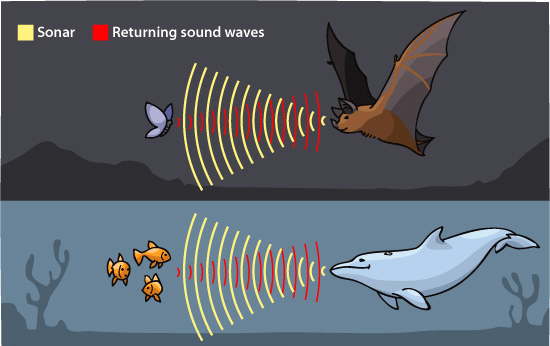
Ships, submarines, and seagoing devices are often equipped with sonar to navigate, avoid obstacles, and track down targets underwater. This is particularly useful for the military, of course, but it was whales and dolphins that invented it first.
These amazing animals can discern differences between even very small objects from 15 meters (50 ft) away using their sonar skills alone. They don’t need an electronic device to broadcast their frequencies across the ocean. They’ve evolved to use their own voices and the receptors in their bodies to find their way around under the sea.
Bioluminescence
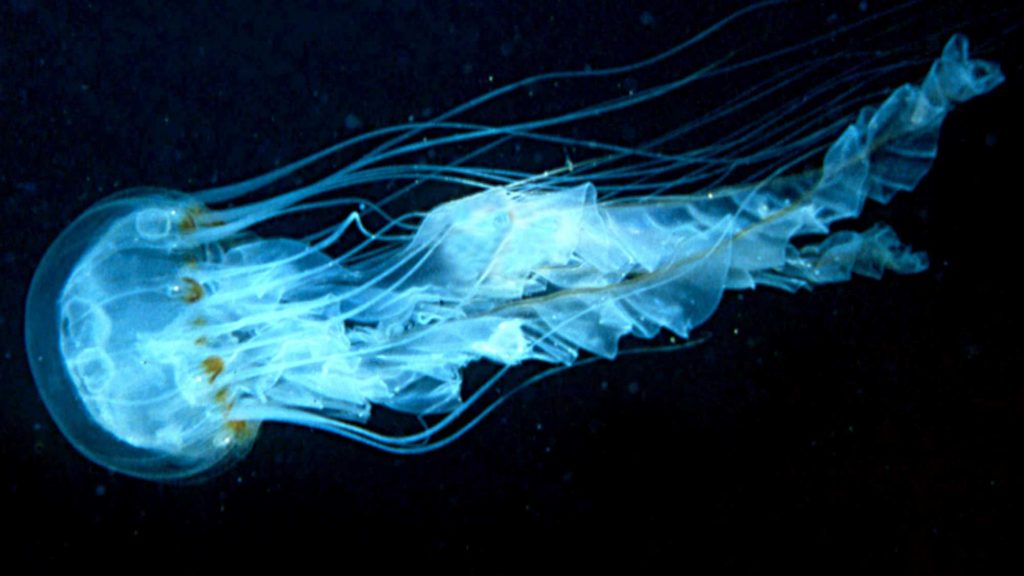
Sea creatures, Fireflies, glowworms, and even some types of fungi also use bioluminescence to their advantage. All these organisms have evolved to glow in the dark for reasons as diverse as attracting mates, luring prey toward them, warning predators away from them, and communicating with others of their species. Bioluminescence is created by a simple chemical reaction that involves luciferin, an enzyme, and a few other cofactors specific to individual creatures and plants.
Solar Power

Recently, a group of scientists were studying spotted salamanders and found that the embryos of these animals contained algae that live inside the baby salamanders before they hatch. The algae survive by eating the waste produced by the baby salamander embryos. In turn, the algae produce energy and nutrition for the developing babies.
These salamanders (which are amphibians, not reptiles like lizards) are essentially brought up via photosynthesis, the same process used by leaves on trees to convert sunlight into energy.
UV Detection
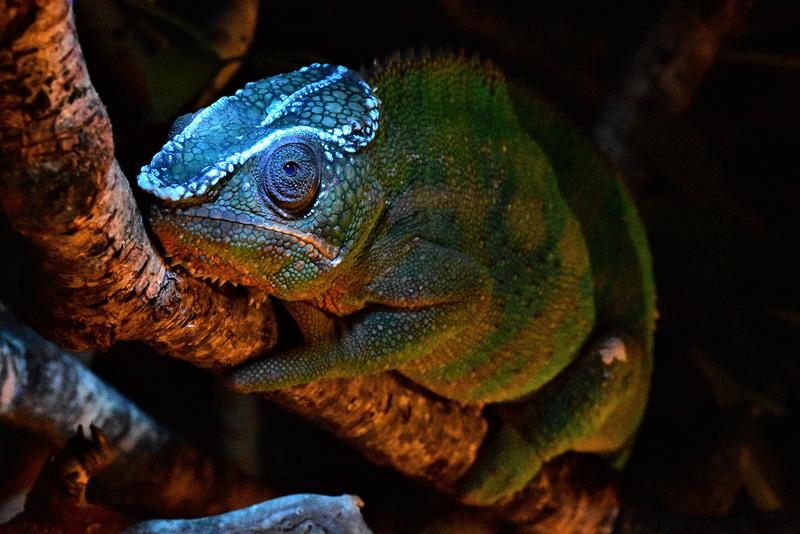
Humans are subject to the effects of UV light all the time, but we can’t naturally see it. These days, you can buy light detectors that “translate” UV waves into a form you can see. The structure of an animal’s eye is partly made up of proteins called opsins. Some animals have only one or two types of opsins in their eyes, so they see fewer colors and types of light waves than humans. In contrast, we have three types of opsins, allowing us to see a wide spectrum of color. Some animals, such as the chameleon, have more than three types of opsins in their eyes. So chameleons can see UV light rays in addition to the colors that humans see. Chameleons do all that with their naked eyes, no devices required. There are many other reptiles, insects, birds, and water-dwelling creatures that may also see UV light.
Farming
https://www.westcoastseeds.com
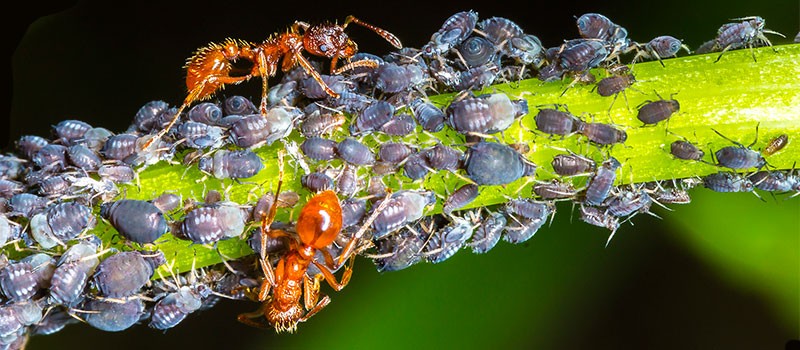
Ants have been farming intensively for a lot longer than 50 years. They love to feed off the sticky, sugary secretions that aphids poop out after eating plants.
The ants go to great effort to ensure a continuous supply of this “honeydew” by preventing the aphids from moving too far from the ant colony. The ants will bite off the aphids’ wings and emit chemicals that retard the growth of these wings. Ants were recently found to encircle groups of aphids with the ants’ chemical footprints, normally used to mark the territory of the ant colony. These footprints seem to make the aphids slow and unlikely to move from their spots, giving the ants reliable access to their favorite sugary food source. The chemical footprints evidently put off predators, such as ladybugs, from eating the aphids. So the enslaved aphids are at least protected from those big, scary, spotted bugs, thanks to the ants.
Soundproofing
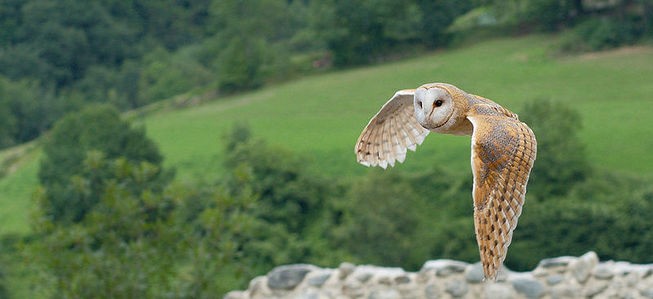
For generations, owls have been making use of their sound proofing abilities to glide in and snatch their unsuspecting prey with deadly precision, owls must be completely silent because the rodents they eat have incredibly sensitive hearing. Feathers of the barn owl are so soft and fine that it cannot afford to hunt in wet weather as it would become waterlogged and cold. This is the trade-off for the owl’s perfectly soundproofed body, which is ideal for floating in the dark to within a few feet of a small mammal before dropping down to grasp it away in those sharp talons.
Cloning
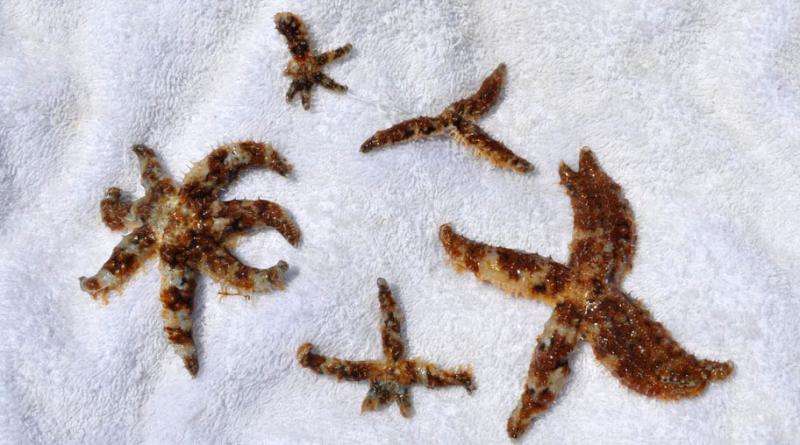
Starfish have been asexually reproducing with no difficulty well before cloning was even a word. Not only that, but starfish that clone themselves live longer and healthier lives than starfish that reproduce sexually. Additionally, if a starfish breaks a limb or even breaks its body in half, the creature will simply regrow and regenerate itself as needed. Some species even have the ability to produce a new body from part of a severed limb.
GPS
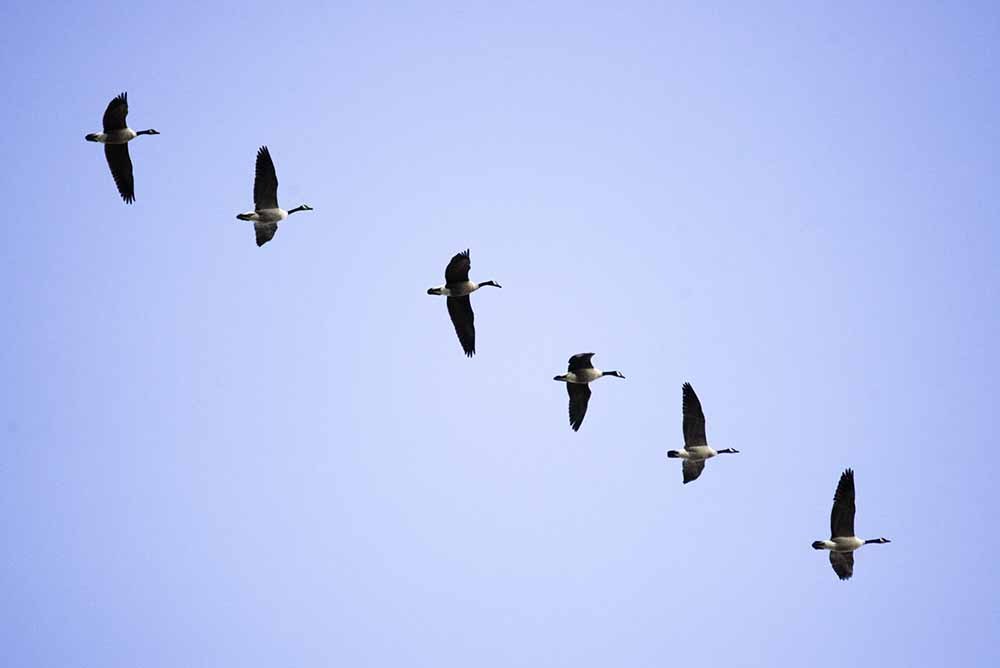
The migration of birds is still a remarkable mystery to scientists. There are many possible explanations as to how birds know where to go—the position of the Sun, the use of a star map, their sense of smell, detection of the Earth’s magnetic field, or even the memory of landmarks from their previous journeys. It’s as though they have some highly advanced GPS technology—that is far ahead of human capabilities—already built into their little bird brains.
Retractable Blades
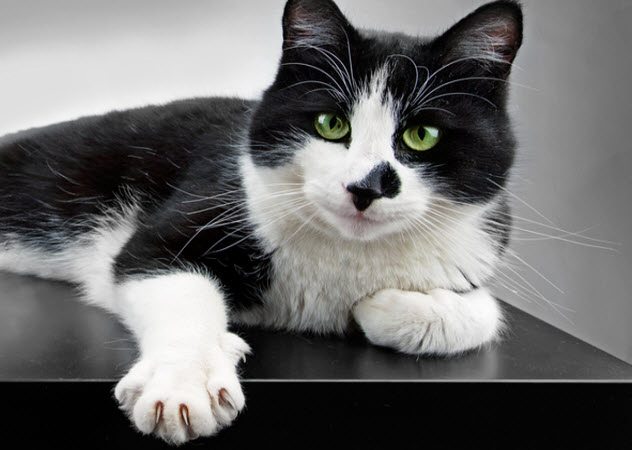
The domestic cat claws can be released or sheathed at will, keeping the claws sharp and preventing the cat from injuring itself when using its paw to wash its face. The claws can be drawn back into soft integral sockets in the cat’s paw, keeping them out of harm’s way.
Related Content
Incredible Animal FactsAnimals That People Eat AliveFunny Cats and Dogs
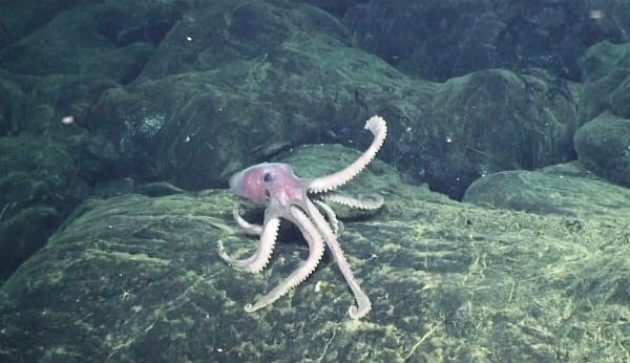
Octopuses have blue blood, three hearts, and have been the object of maritime horror stories for centuries. Here, we’ve gathered together some of the more obscure, bizarre, and quite frankly mind-blowing facts that make these weird and wonderful creatures the most fascinating mollusks one could ever have the pleasure of interacting with.
They Can Hunt On Dry Land
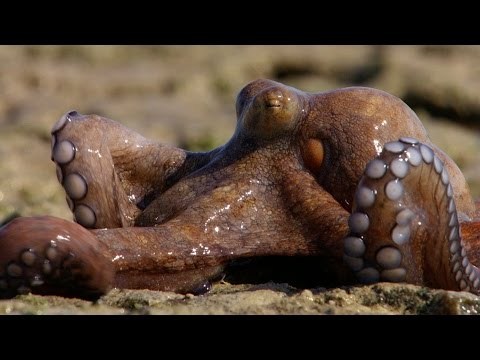
Octopuses use a process called passive diffusion, which means that as long as their skin is wet, they can absorb oxygen through the water on their skin instead of through their gills. This allows them to leave their watery abodes for short periods of time to hunt, or to escape from captivity.
They Use Weapons, Carry Portable Forts, And Make Barricades
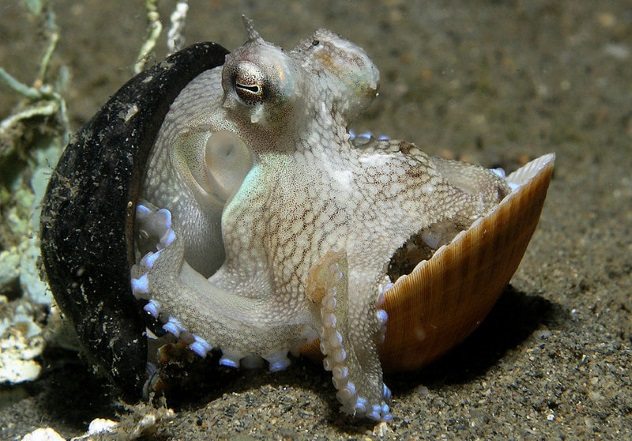
Some species of octopus have been observed carrying snail, clam, and coconut shells and even human refuse such as old beer bottles. They use these items as portable lairs and can travel considerable distances, carrying even large items under their arms as they lumber across the seafloor. If a predator approaches, they’ll quickly duck inside their home or assemble it around themselves octopuses of some species have also been observed using weapons. While some octopuses will throw shells at each other, others use a far more extreme form of weaponry.
They Have Really Bizarre ‘Penises’
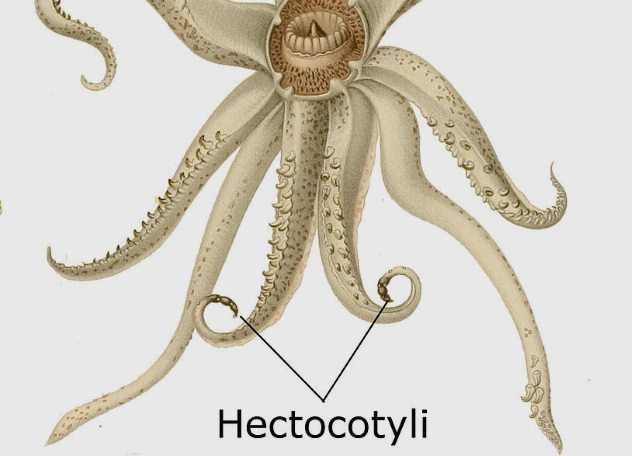
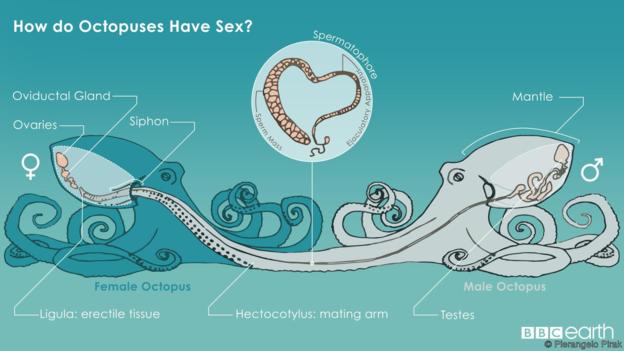
In some species of octopus, the ligula contains erectile tissues that engorge in much the same way mammalian copulatory organs do when sexually aroused, making octopuses the only known soft-bodied creatures that are able to get erections.
Some species of octopus merely have to place their specialized arm into the female’s gill slot and leave it in there (sometimes for hours) while they deposit a sperm package.
Reproduction Is Almost Always Deadly
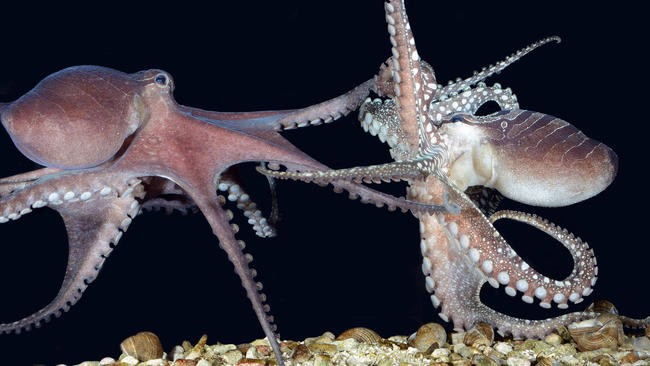
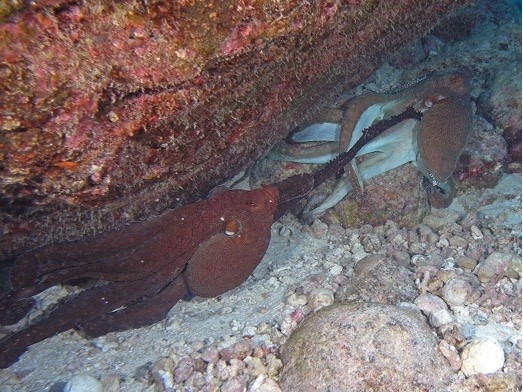
Reproduction isn’t always fun and games for octopuses, and in many cases, it leads to the death of both the male and the female. To begin with, some female octopuses have been observed strangling and then cannibalizing the male post-coitus. Males who survive the ordeal of mating without being eaten will often then go into a state called senescence. The male will stop eating and lose weight rapidly. His skin will lose coloration, and he will begin to develop white lesions that will not heal. He will then lose coordination and eventually be eaten by a passing predator or even sometimes crawl onto the beach to die.
Death is much slower for the female. She’ll find a safe place to lay her eggs. Once she has laid them, she’ll guard them tirelessly while continuously cleaning and caring for them. This process takes months, and the female will refuse to eat during this time, so her body will begin to digest itself as she slowly starves to death.
They Have A Legal Status Previously Afforded Only To Vertebrates
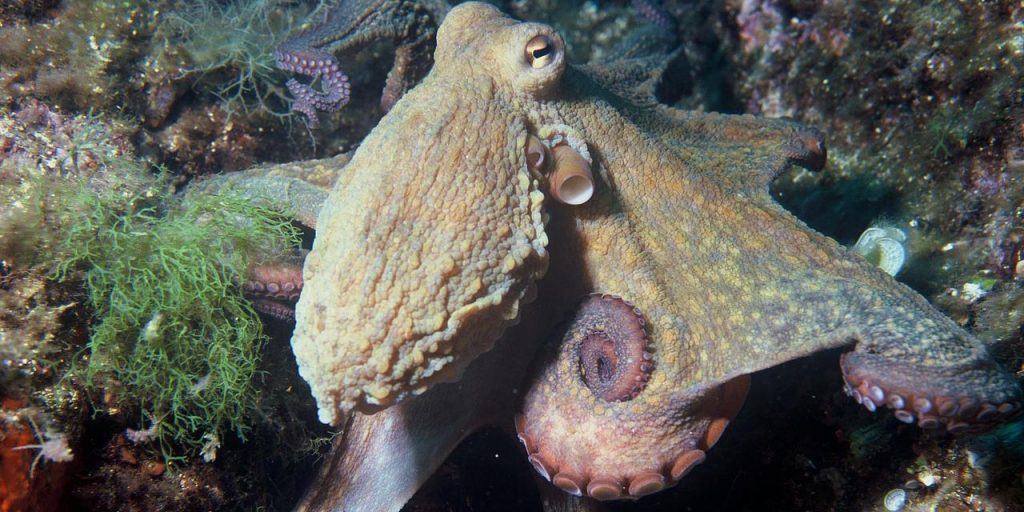
In July 2012, octopuses became the only invertebrate to get a shout-out in The Cambridge Declaration on Consciousness. This declaration lists the animals recognized by neuroscientists as “possessing the neurological substrates of consciousness.”Under the new rules, all experimental procedures likely to cause pain, suffering, distress, or lasting harm to any live cephalopod, adult or juvenile, must be regulated. Cephalopods must be assessed daily for signs of pain, suffering, or distress. General anesthesia is required during all experimental procedures, and all necessary killing must be done as humanely as possible.
They Can Detect Early Warning Signs Of Volcanic Eruptions
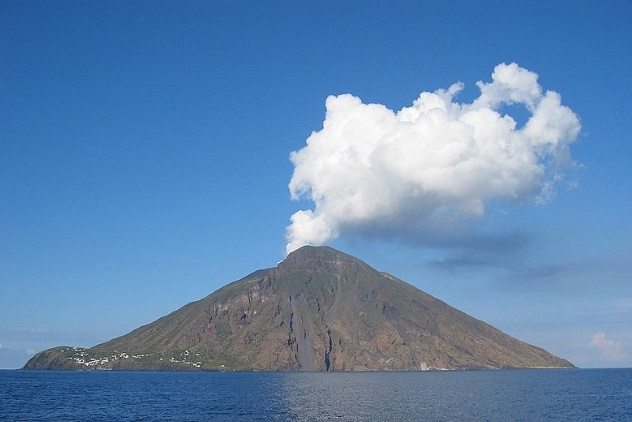
In North of Sicily lies a small island called Stromboli, which is home to one of the world’s most active volcanoes. Much of the surrounding marine life is in constant danger of being injured or killed by debris from these eruptions, but somehow, octopuses living nearby always manage to get clear of the danger zone before each eruption begins. Marine biologists interested in learning how the octopuses time their escapes found that they can hear infrasound, which is sound lower than human ears can detect. Octopuses can hear the sounds of an impending eruption and escape to safety before it begins. They then return to dine on the other marine animals injured by falling rocks and debris.
Their Limbs Are Out Of This World
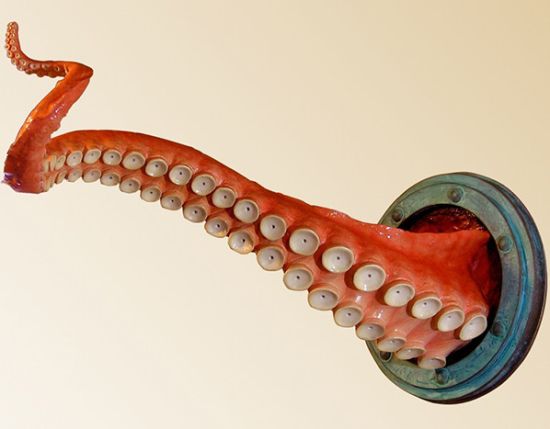
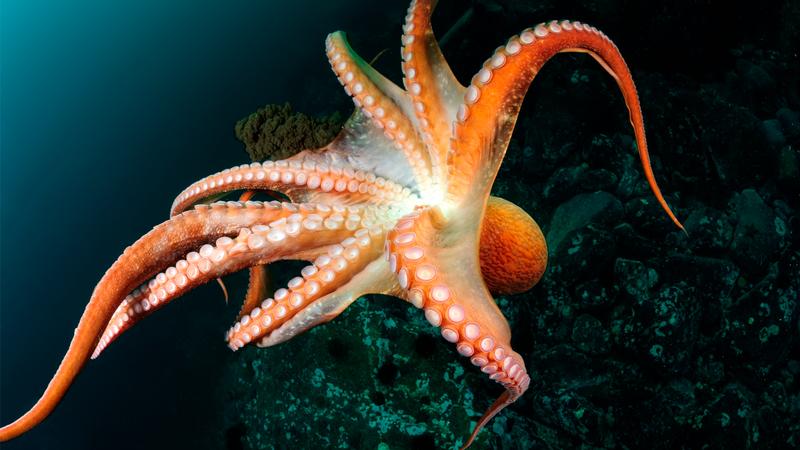
Octopuses don’t actually have tentacles. Those long, dexterous appendages featured in a certain popular type of adult anime are actually imaginatively called “arms.” Squid and cuttlefish each have two tentacles along with their eight arms, while octopuses generally just have eight arms and no tentacles. Each octopus arm generally contains 200 to 300 suckers, and every individual sucker can function independently of the rest, or they can work as a team to feel out and even smell and taste the surrounding environment. Octopus arms never get tangled, and the suckers never get stuck to the octopus itself, because the arms secrete a self-recognition chemical designed specifically to aid in motor control. This skill is the first of its kind to be observed in nature.
Their Brains Are Mind-Blowing
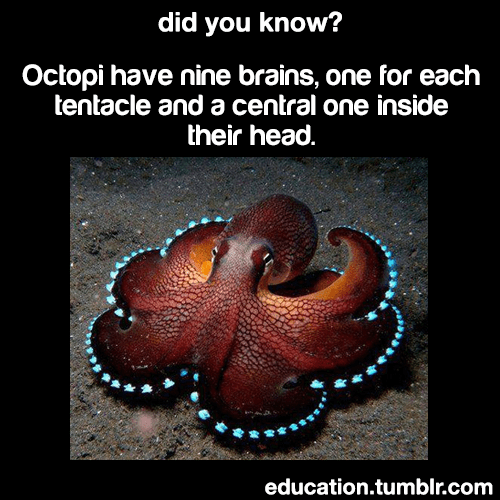
Most readers have probably heard that octopuses are incredibly intelligent. However, the uniqueness of their brains goes well beyond these more commonly known abilities. neuroscientists have categorized octopus brains into three main parts, containing over 500 million neurons. The central brain, which is wrapped around the esophagus, contains about 50 million of these neurons. The second part of the brain, containing about 80 million, is situated in the large optic lobes behind the eyes. The rest of the neurons are situated in distributed clusters called ganglia. The octopus will give a command with the central brain, but the ganglia in the arms take control of carrying out the actions required to complete the task. Essentially, each separate arm has “a mind of its own.”
They Can Edit Their Own Genes
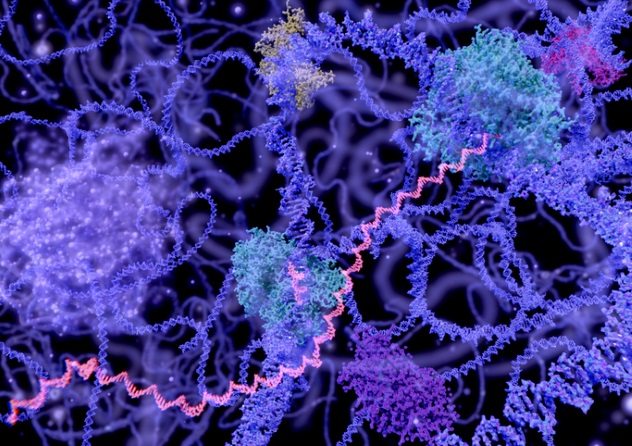
Octopuses, squid, and cuttlefish can extensively recode their own genetic instructions through a process called RNA editing. Up to 60 percent of RNA transcripts were found to have been recoded through this editing process in some species of squid and octopus. Biophysicist Eli Eisenberg believes this extensive RNA editing may be responsible for the complex behavior and high intelligence seen in many cephalopod species.
Related Content
Strange Things People Used To Believe About AnimalsCrazy Newly Discovered Living Animal SpeciesSurprising Shape-Shifting Organisms

While some people find caterpillars to be cute, adorable little creatures, others are utterly terrified of them. However, few people know how truly fascinating and bizarre the world of the humble caterpillar really is. This fascinating list will reveal unbelievable displays of amazing abilities.
Portable Suit of Armor
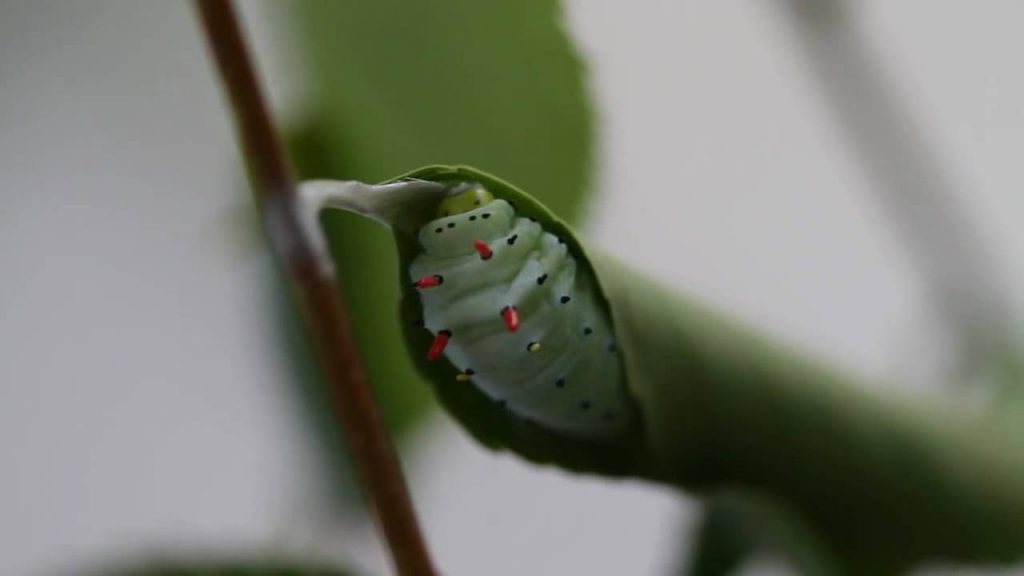
Hermit crab caterpillar from Peru exhibits a behavior that, as far as anyone can tell, has never been previously seen in caterpillars before. The caterpillar makes its own little suit of armor out of leaves which it rolls into a small tube and glues together using its sticky spit. The caterpillar then lies inside this tube and drags itself around the forest floor using its mouth, pulling its leafy coverage along behind it. As the caterpillar forages for food, its body remains protected, encased in its portable cocoon.
Amazing Camouflage
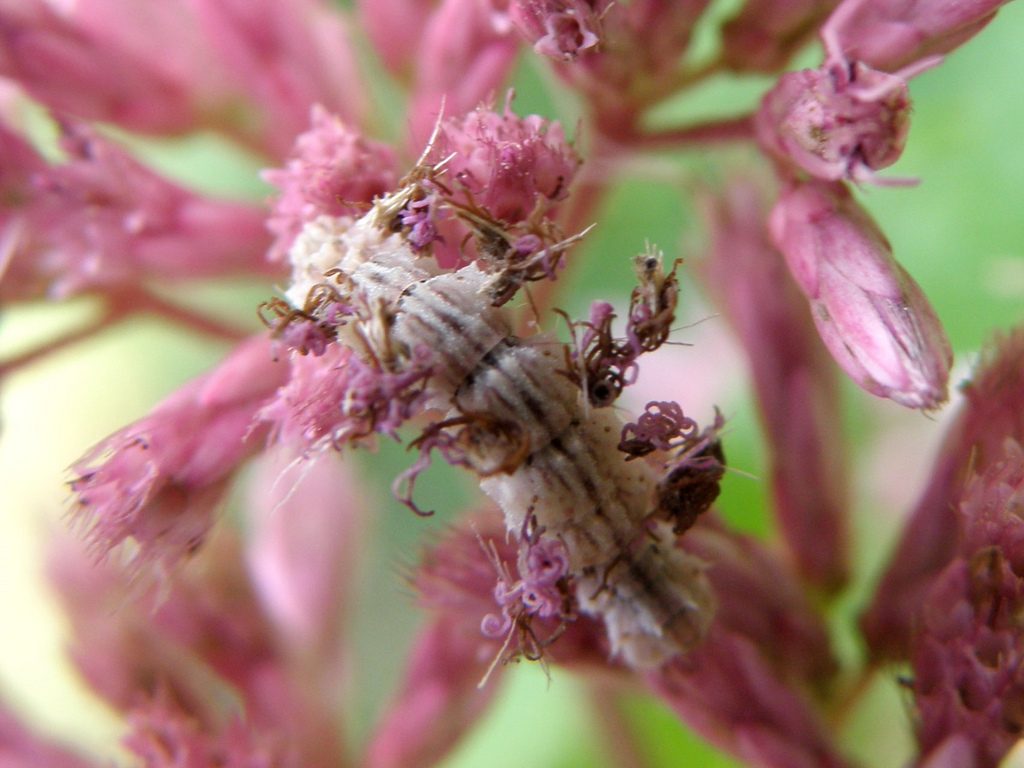
Caterpillars employ all sorts of bizarre disguises to protect their soft, squishy bodies from all the animals and insects out there that have caterpillar on the menu. There is one species which is unique among all its soft-bodied brethren. This amazing little caterpillar, named the camouflaged looper, disguises itself using bits of petals and other parts plucked from the variety of plants that it eats. The caterpillar decorates itself by sticking pieces of petals and leaves to its back using its silken spit.
The Hopping Caterpillar
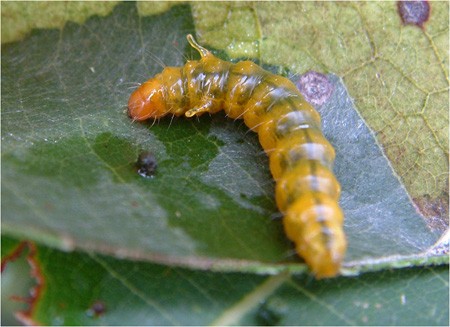
In the forests of Southern Vietnam, one species of caterpillar wraps itself in leaves which it fashions into a tiny sleeping bag when it prepares to pupate. The caterpillar, called Calindoea trifascialis, and then proceeds to hop around the forest floor completely encased in its leafy cocoon, directing itself away from sunlight. To gain momentum for each hop, the caterpillar anchors its anal prolegs to the bottom of its leafy abode and pistons itself backward, hopping away from the direction its head is facing.
The Mad Hatterpillar
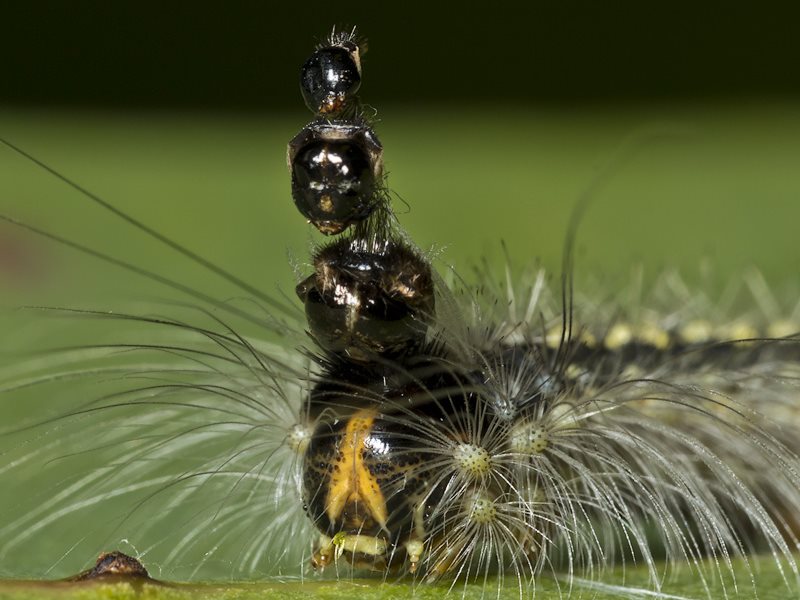
The gum-leaf skeletoniser caterpillar has what looks like a tall, fuzzy horn on top of its head. This strange feature is actually a “hat” made from the old heads the caterpillar sheds every time it molts. Each time it casts off an old skin, the caterpillar pops its most recently shed head capsule on top of its new, bigger head until it has created an impressive little tower. Researchers hypothesize that the unique headdress is in some way a defense mechanism, distracting predators into attacking the empty heads instead of the caterpillar.
The Musical Maestros of the Insect World
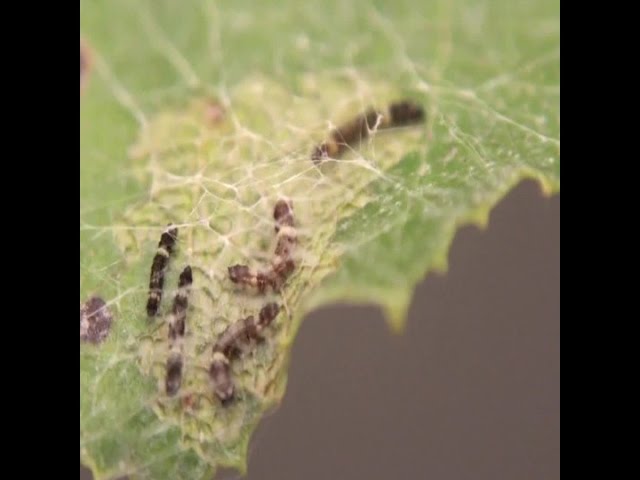
One species of caterpillar has developed a highly advanced method of communication: They talk to each other with their butts. Birch caterpillars have specialized anal “oars” which they drag across leaves to create signals to other caterpillars. This is not the only method of communication in the birch caterpillars’ repertoire; they also shake their bodies and drum and scrape their mandibles along leaf blades to create different signals to other caterpillars in their group.
Toxic Nicotine Breath
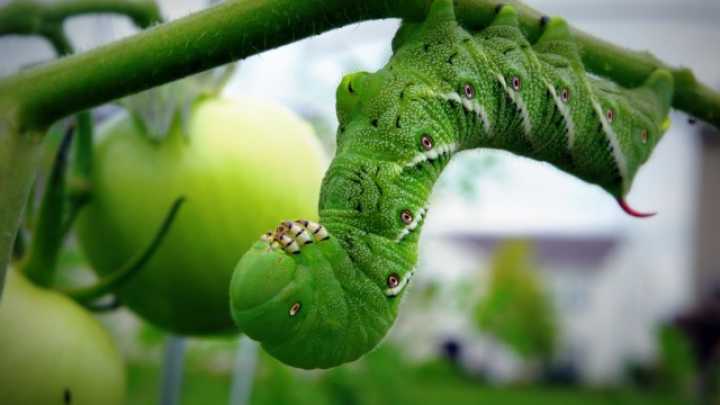
The tobacco plant contains nicotine, a toxic poison, which the plant uses as a defense mechanism against animals that otherwise would seek to consume it. Not only can the tobacco hornworm easily consume doses of nicotine that would be deadly to any other animal, the caterpillar also contains a unique gene which allows it to utilize the toxins in nicotine as a defense mechanism. The caterpillar absorbs nicotine from its gut into its hemolymph, which is the liquid that acts as an insect’s bloodstream. It then opens little pores in its skin called spiracles which release toxic miasmal clouds of the poison. This process is called defensive halitosis.
Hawaii’s Carnivorous Caterpillars
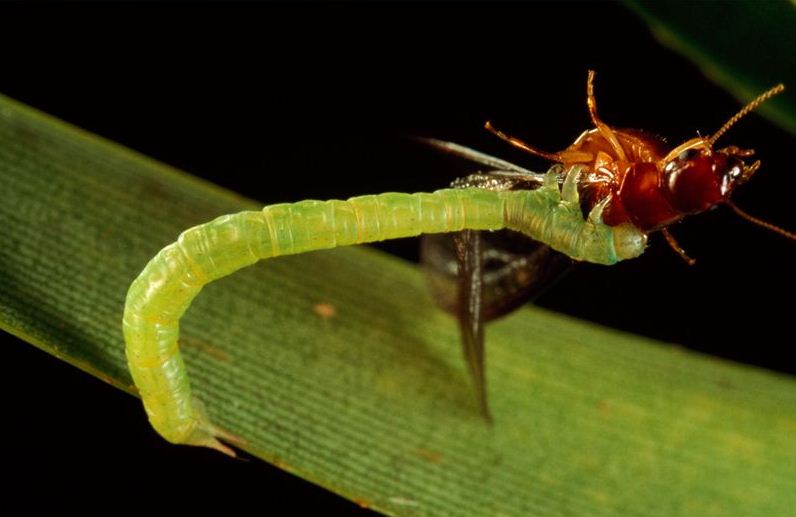
Hawaii is home to a number of carnivorous caterpillars. One species, Hyposmocoma molluscivora, won’t eat plants even if it is starving. This little caterpillar, which is only around eight millimeters long, prefers to dine on snails which it ambushes then slowly eats alive. To prevent the snail from escaping, Hyposmocoma molluscivora attaches its victims to a leaf using silk, in the same way a spider cocoons its prey. The caterpillar then wedges its way into its incapacitated snail-victim’s shell, literally trapping the poor fella in its own home. The caterpillar then proceeds to slowly eat its victim alive until nothing but an empty snail shell is left.
Caterpillar Overlords
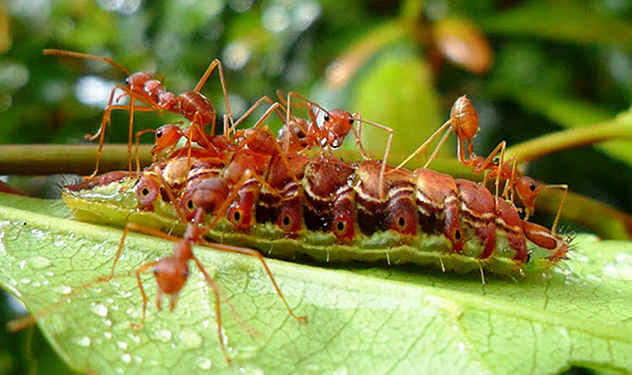
The caterpillars of Japan’s oakblue butterfly have an ingenious defense mechanism which protects them against spiders, wasps, and other insect-predators: They enslave ants, forcing them to become aggressive bodyguards, by using a chemical which the caterpillar secretes in sugary droplets through its skin. The ants are drawn to the scent of this delicious secretion, and once they have consumed it, they will not return to their nest, forage for food, or leave the side of their caterpillar overlord. The caterpillar also has an attack command. When it inverts its tentacles, the caterpillar’s ant minions become extremely aggressive and will attack any nearby insects.
Free-Floating Guts and Soft-Bodied Robots
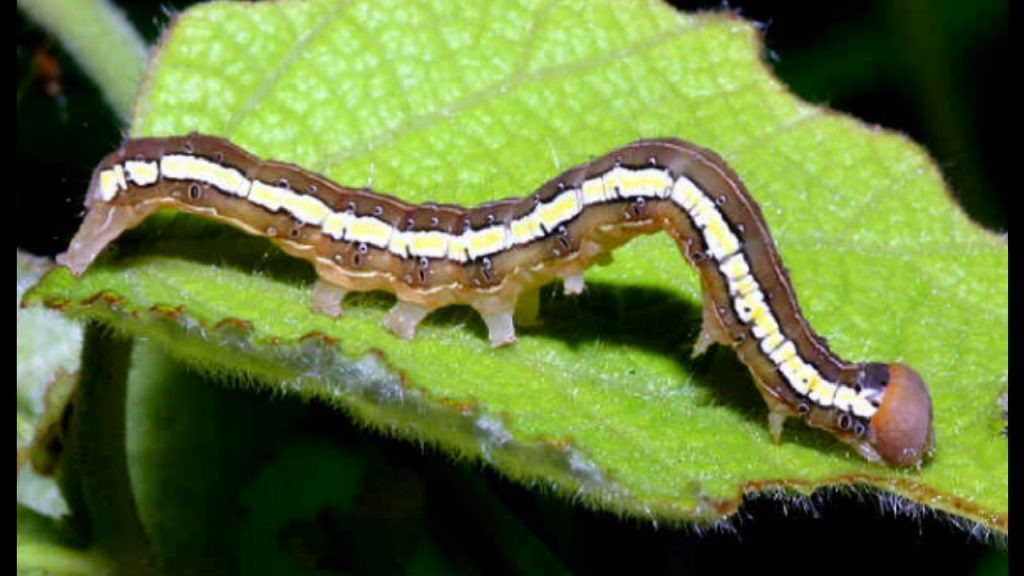
Caterpillars crawl in undulating waves, but their guts move nearly a full step in advance of the rest of their body. You may be wondering why it’s important for anyone to know what a caterpillar’s guts do when it crawls, but these findings are actually influencing the design and development of soft-bodied robots that may be used in transportation. A robot with a skeleton has a fixed structure, but a soft-bodied robot can deform, both to the outside environment and to the interior contents.”
Related Content
Bizarre Ways People Have Been Killed By PetsPeople Who Died Trying to Save a Dog’s LifeAnimals That Don’t Look Dangerous but Are Actually Deadly
In the animal kingdom, bright, dazzling colors usually mean danger—stay away! Some scientists, though, are willfully ignoring these clear signals for one important reason: Animal venoms and poisons have proven to be invaluable in the development of new medications for conditions like chronic pain, diabetes, and even cancer. This list takes a look at some deadly critters that science is using to help heal the masses.
Poison Dart Frog
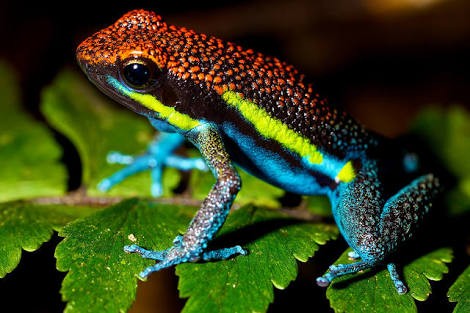
One species in particular of the Poison Dart Frog, Epipedrobates tricolor, has been useful in creating a non-opioid analgesic. This means that the toxins produced by this particular species of frog have been studied, modified, and synthesized to make a nonaddictive painkiller named “epibatidine” after the frog. Epibatidine was still toxic to rats even at low, therapeutic doses, so the drug was discontinued. Another family of frog, Dendrobatidae, has shown promise in research on appetite suppressants, muscle relaxants, and heart stimulants.
Sea Anemone
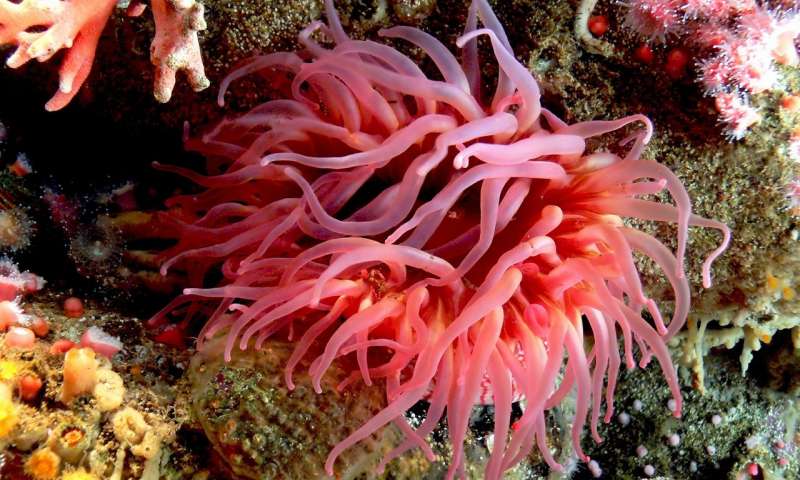
Sea anemones are already beneficial to other animals, but they could also potentially benefit us. Seattle-based biotech company Kineta is currently in a Phase 2 clinical trial for a drug called dalazatide, which is derived from the venom of the sea anemone. This drug is intended for people suffering from autoimmune diseases, like psoriasis and multiple sclerosis, because it is selective in which white blood cells that it blocks.
Gila Monster
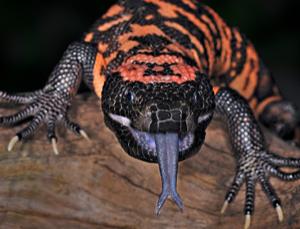
The only venomous lizard in the United States, the Gila monster is not deadly to humans. Gilamonster’s venomous saliva is actually more helpful to humans than it is harmful. One component of the venom, exendin-4, has become the foundation for a whole new class of medications designed to treat type 2 diabetes.Exendin-4 is also very similar to a human protein, GLP-1, which helps the body regulate how much insulin it produces. The drug created from this protein, Byetta, helps type 2 diabetics maintain healthy glucose levels. It can also lead to weight loss and a decrease in appetite. Byetta is FDA approved and prescribed as a self-administered injection.
Waxy Monkey Frog
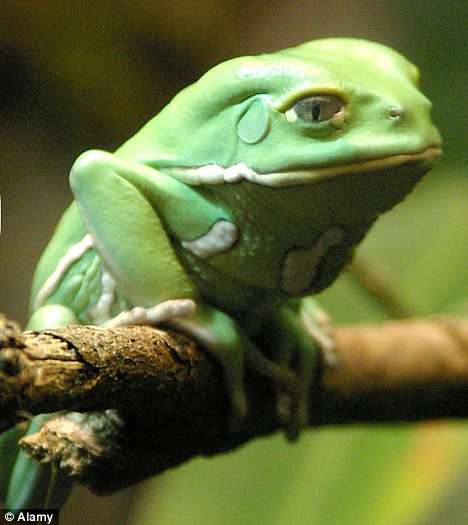
The waxy monkey frog secretes a number of proteins through its skin, including the waxy oil that has given the frog its name and allows it to reduce the amount of water lost through its skin. The frog also secretes a hallucinogenic poison which causes tachycardia, vomiting, and hyper-attuned senses. one of the identified proteins, dermorphin, is 40 times more potent than morphine as well as significantly less addictive. In addition to their analgesic properties, these proteins actually have the ability to limit blood vessel growth. It turns out that it is a very good thing in cancer research. After reaching a certain size, most cancerous tumors need blood vessels to get necessary nutrients and oxygen. So controlling the growth and size of the blood vessels supplying tumors could actually allow doctors to starve them to death.
Chilean Rose Tarantula
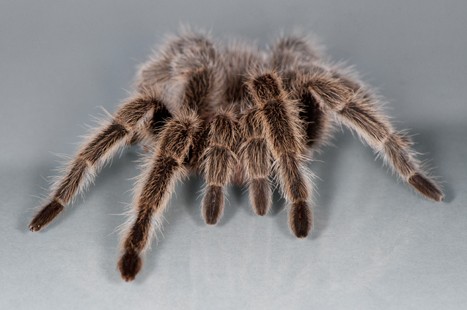
http://www.microscopy-uk.org.uk
Muscular dystrophy is a genetic disease with no known cure. But thanks to the pet tarantula of a group of researchers, a more effective treatment might not be far off. Rosie is the name of the Chilean rose tarantula that the researchers kept as their mascot, which ultimately led them to their amazing discovery. Grammostola spatulata’s venom contains a protein called GsMTx4. Through their research, the group found that this protein can stop the body from destroying its own muscle mass by cutting off certain pathways to the affected cells. This treatment is somewhat revolutionary because it is not a genetic therapy. It treats the symptoms of the disease, not the cause.
Deathstalker
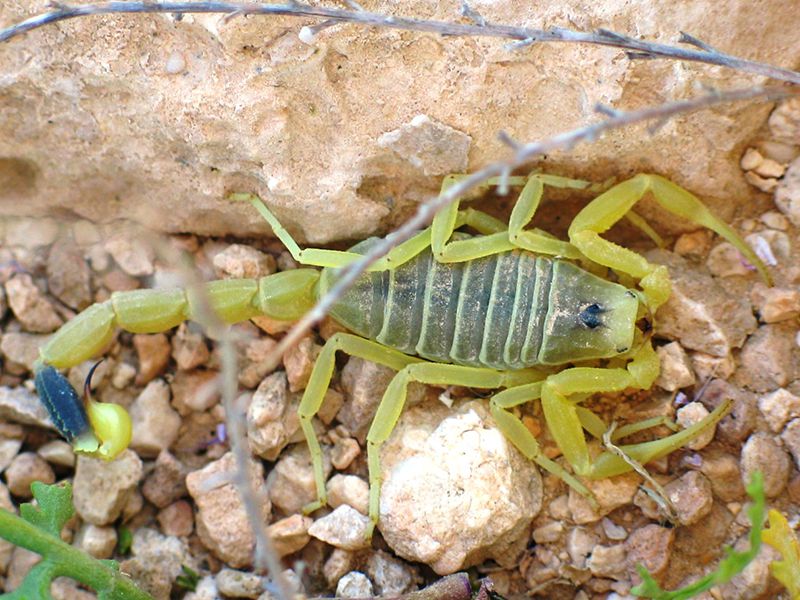
https://www.smithsonianmag.com
Under UV light, all scorpions glow in the dark. One particular scorpion, however, is helpful for cancer treatment. Commonly known as the deathstalker scorpion, Leiurus quinquestriatus is being studied for the chlorotoxin found in its venom. This toxin is unique because it attaches itself only to cancerous cells, leaving healthy ones alone. As chlorotoxin only binds to cancerous cells, it can be used to make tumors more visible. This makes tumors much easier to see for surgeons, who essentially “go in blind” when operating. This method works better than the 2-D printed MRI image that is most commonly used. The “tumor paint” method has been used successfully in a handful of surgeries already and is slated for more tests and trials.
Puffer Fish
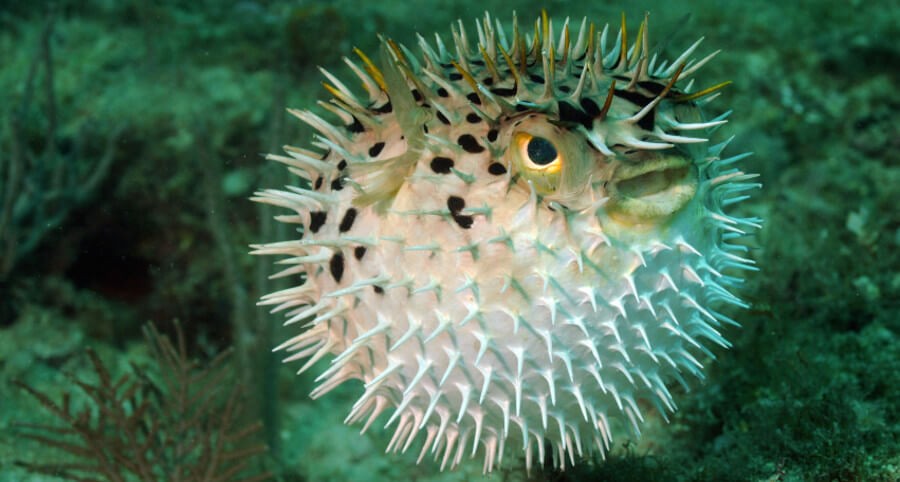
For people with chronic pain, like those suffering from arthritis or cancer, opioids can be helpful. Cancer pain is particularly caused by a tumor pressing against sensitive nerves. If it is not removed, the tumor continues to press, making the pain chronic. Puffer fish contain a deadly neurotoxin called tetrodotoxin (TTX) that is responsible for a handful of deaths every year. TTX is a paralytic, meaning that it attacks nerve tissue and eventually renders the victim paralyzed.
TTX is nonaddictive, so those suffering from chronic pain can take it without worrying about relying on it for the rest of their lives.
Under the name Tectin, TTX is currently in Phase 3 trials, the final step before the drug can be submitted for FDA approval.
Brazilian Pit Viper
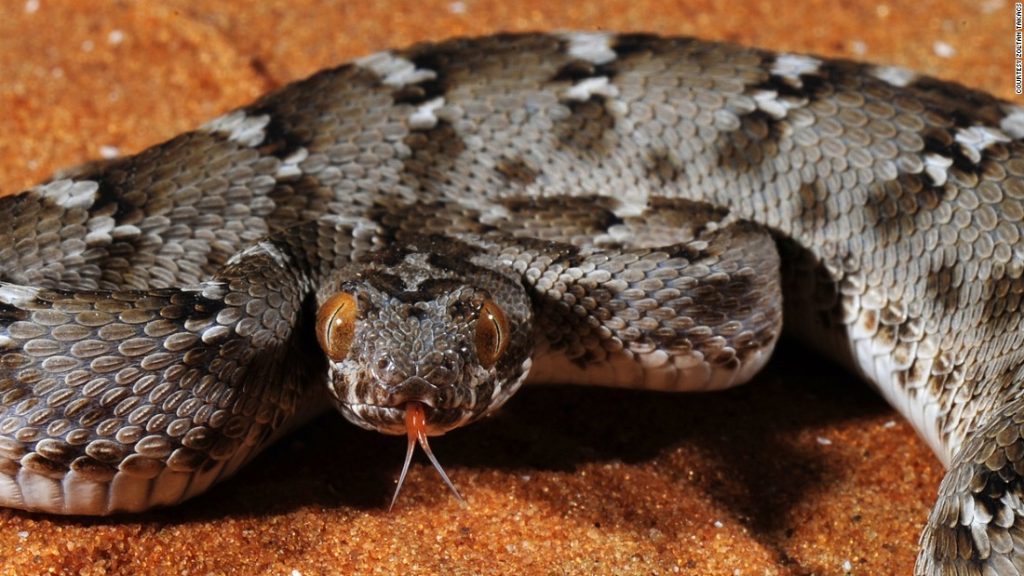
Brazilian pit vipers kill their prey with a specific compound in their venom. This compound makes the prey’s blood pressure drop quickly to an extremely low level, causing the prey to black out. The compound is an ACE inhibitor. In small enough doses, it increases the diameter of the blood vessels, reducing blood pressure.
The Brazilian pit viper’s venom and the discoveries surrounding it allowed commercial drugs such as captopril to be produced and prescribed to patients suffering from hypertension.
Brazilian Wandering Spider
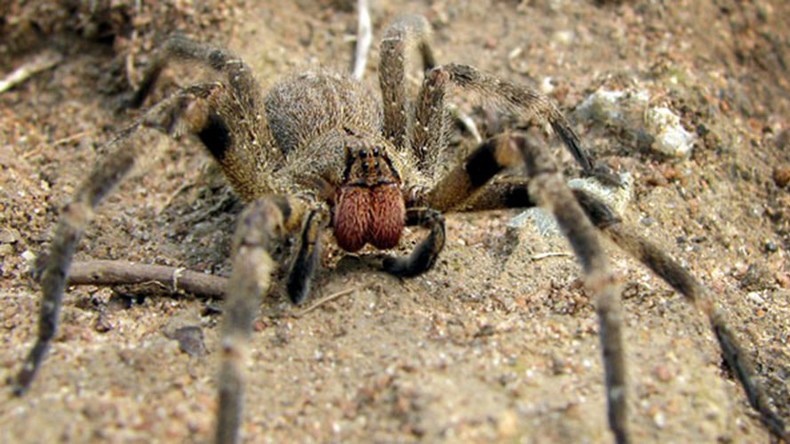
The Brazilian wandering spider boasts a leg span of up to 13 centimeters. In males, the spider’s venom can trigger a four-hour erection that can ultimately lead to death. Scientists are studying the spider’s venom to help treat erectile dysfunction, especially in those who are resistant to Viagra.
Related Content
Animals That People Eat AliveFunny Cats and DogsAnimals Specifically Bred For Blood Sports

Pets have become a near-ubiquitous part of the human condition, and most pet owners will talk at length about the joy their pets give them. But there’s also a darker side to go with the joy. No one wants to believe that a beloved animal could ever cause a tragedy, but this list explores 10 cases where a pet did just that.
Pyromaniac Parrot
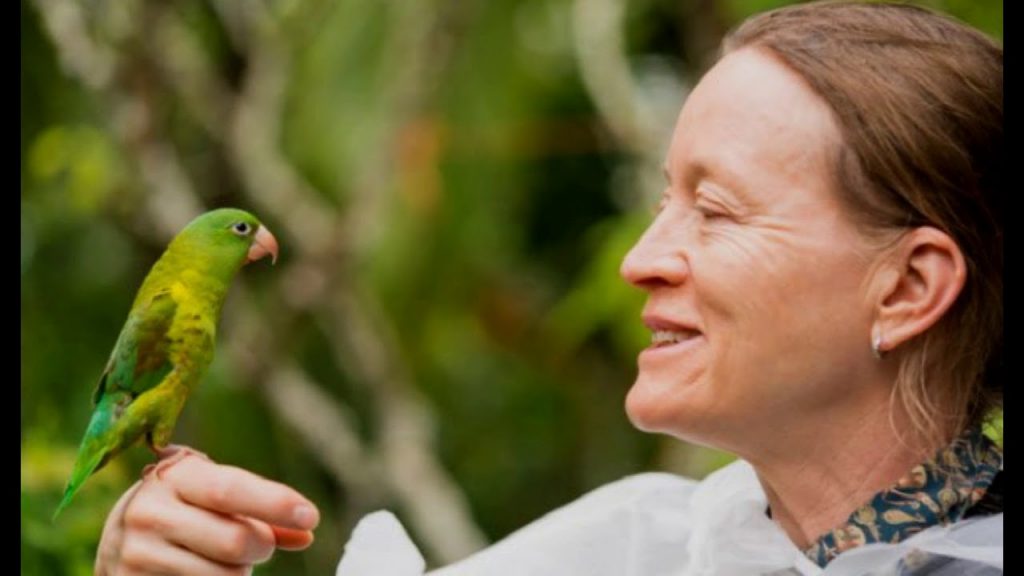
In September 1947, 66-year-old Fannie Stewart’s pet parrot, Dolly, landed on the kitchen stove and turned on the gas jets. Neighbors detected gas outside Stewart’s home and called the police, who arrived to find her unconscious in the kitchen. Rescue workers performed artificial respiration and revived Stewart, who explained that Dolly had turned on the gas jets once before. Stewart was taken to a medical center, where she suffered a stroke and died.
Bacterial Bite
https://www.wormsandgermsblog.com
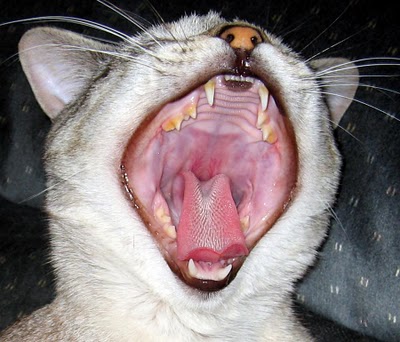
In 2016, a 68-year-old Toronto man arrived at Toronto General Hospital after suffering weakness, abdominal pain, chills, and sudden weight loss. Doctors discovered that the man had an aneurysm in the abdominal section of his aorta, which ruptured. His aorta was repaired, and the man was treated with penicillin. But he died of septic shock 13 days later. When he arrived at the hospital, the man’s wife mentioned that he had been bitten by their cat four weeks earlier. The cat bite had transmitted Pasteurella multocida, bacteria that is common in pets’ mouths. The man was a heavy drinker, which had compromised his immune system and increased his risk of complications from the bacteria. Doctors performed a test on pieces of the aorta wall and confirmed the infection.
Husky Head Wound
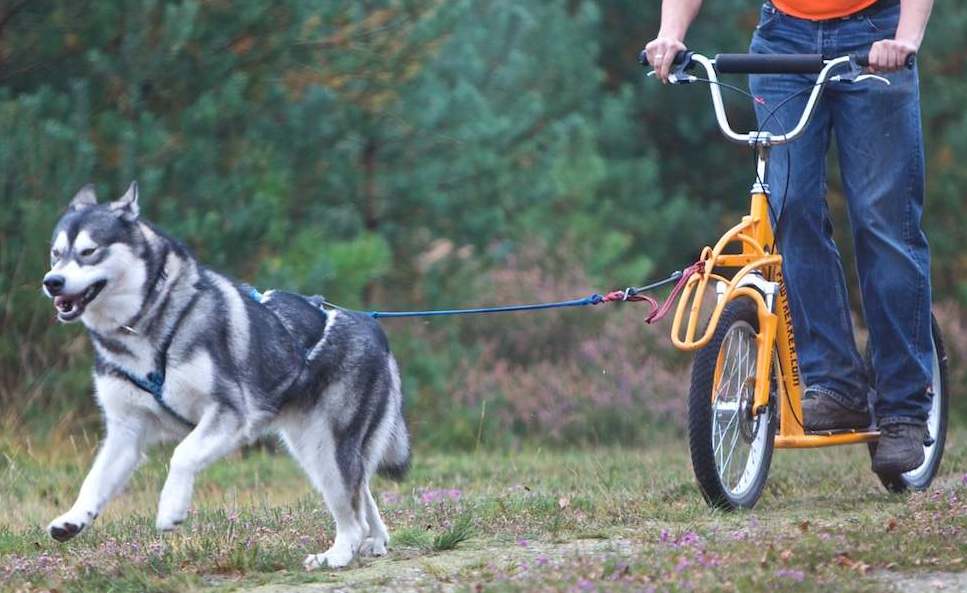
On her daily walks on the Los Alamitos Creek Trail in 2011, San Jose resident Beverly Head was walking on the trail, a bicyclist and his two Siberian huskies passed her. When one of the leashes caught her behind the legs, she fell and struck her head. The cyclist stayed behind until paramedics arrived. Head underwent surgery but succumbed to the trauma.
https://cyclinggypsies.wordpress.com/dogs-on-bikes/
Hot Spring Hound

On July 20, 1981, 24-year-old David Allen Kirwan arrived at Yellowstone National Park with his friend Ronald Ratliff and Ratliff’s large dog, Moosie. Moosie ran from the truck and jumped into the hot spring measuring over 93 degrees Celsius (200 °F). Kirwan ran into the hot spring and then dove headfirst into the water in an attempt to rescue Moosie. He was unable to reach the dog and tried to climb out. Kirwan suffered third-degree burns over 100 percent of his body. His eyes were completely white, and his skin was peeling. He died the next day.
Bird Dog Blast

Perry Alvin Price III was an avid hunter who loved his tracking dog, a chocolate Labrador retriever named Arthur. On January 5, 2008, Price and Arthur went hunting with Price’s friend Daniel Groberg. Price shot a goose and placed his gun in the back of his truck, preparing to release Arthur to retrieve the bird. Groberg heard a shotgun blast and found Price shot in the thigh and bleeding. Grosberg tried to stop the bleeding, but Price had been hit in the femoral artery and was losing blood fast. Groberg drove Price to the hospital, but Price succumbed to the severe blood loss. During the investigation of the tragic incident, muddy paw prints were found on the shotgun.
Racehorse Rundown

Mexican teenager Rubi Ibarra Garcia’s 15th birthday is a story of its own. Garcia’s party featured a traditional chiva, a horse race. During the chiva, 66-year-old Felix Pena, owner of the racehorse Oso Dormido, thought that all the horses had passed by when he decided to cross the dirt racetrack. As he crossed the track, he was struck at high speed by his own racehorse. He was fitted with a neck brace and carried to an ambulance, but he died before reaching the hospital.
Pedal-Pushing Pooch

A Florida man, 68-year-old James Campbell, was returning to his home with his wife, Iris Fortner, in their van. When Campbell got out of the passenger side to open the gate while Fortner backed the van into the driveway. In a freak accident, the couple’s pet boxer ran to the vehicle and jumped into the driver’s side, pressing the accelerator. Fortner was unable to stop the vehicle before it struck Campbell, trapping him underneath. Paramedics pronounced him dead at the scene.
Deadly Deer
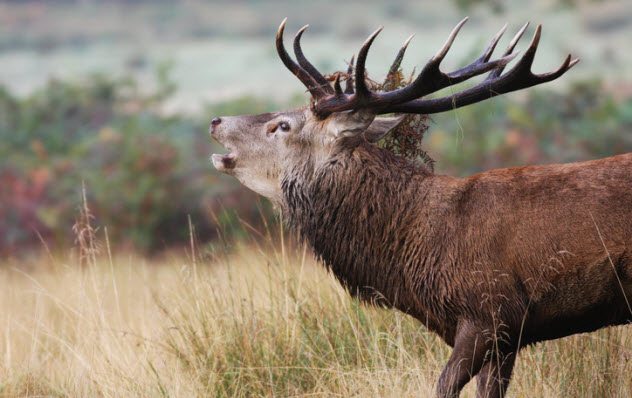
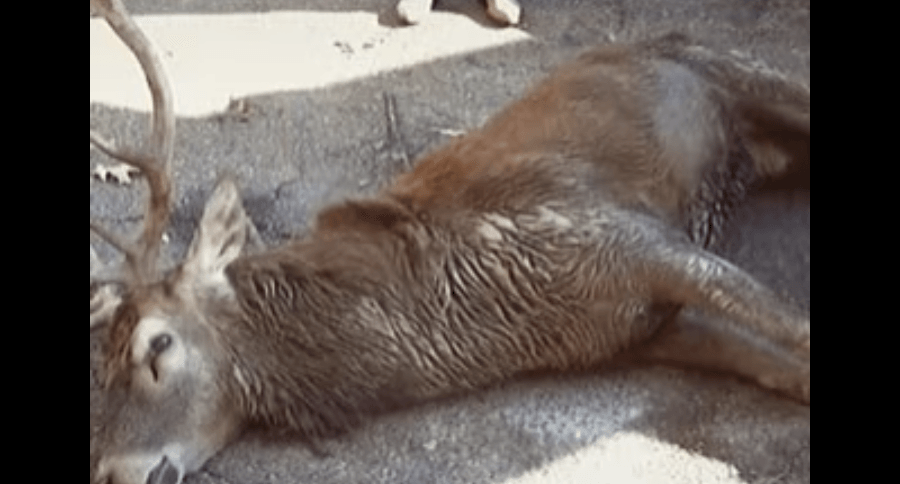
67-year-old Waskom, Texas, resident Gerald Rushton kept several exotic animals in pens behind his house, including a red stag he had raised from a fawn. The stag was entering the rutting period (breeding season), which is associated with elevated hormone levels. When Rushton entered the stag’s enclosure, the deer pinned Rushton against the fence with its horns, gored him, and trampled him. Rushton’s granddaughter saw the attack and ran to get help. When deputies arrived, they had to shoot the aggressive stag to enter the pen. Rushton was pronounced dead at the scene.
Medicine Mishap
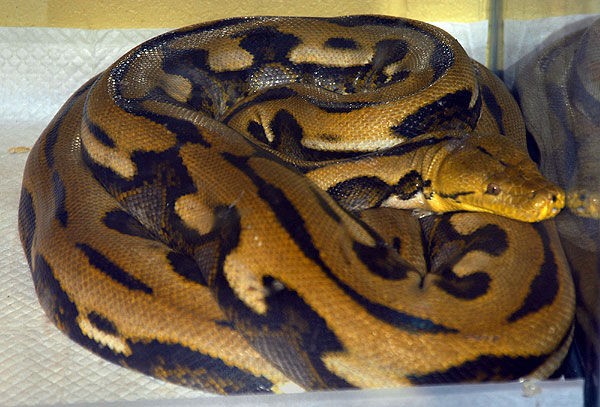
A Virginia Beach woman, 25-year-old Amanda Ruth Black, worked at Pet Paradise in the reptile department. Black and her husband owned several snakes, including a 4-meter-long (13 ft) tiger reticulated python named Diablo. On October 21, 2008, Black’s husband returned to find his wife dead. Diablo’s glass container was empty, and a message on the whiteboard read “Medicate Diablo.”The investigation revealed that she had died from asphyxiation by neck compression. She was attempting to give Diablo medicine with a syringe when the python used its deadly grip on her.
Llama Trauma
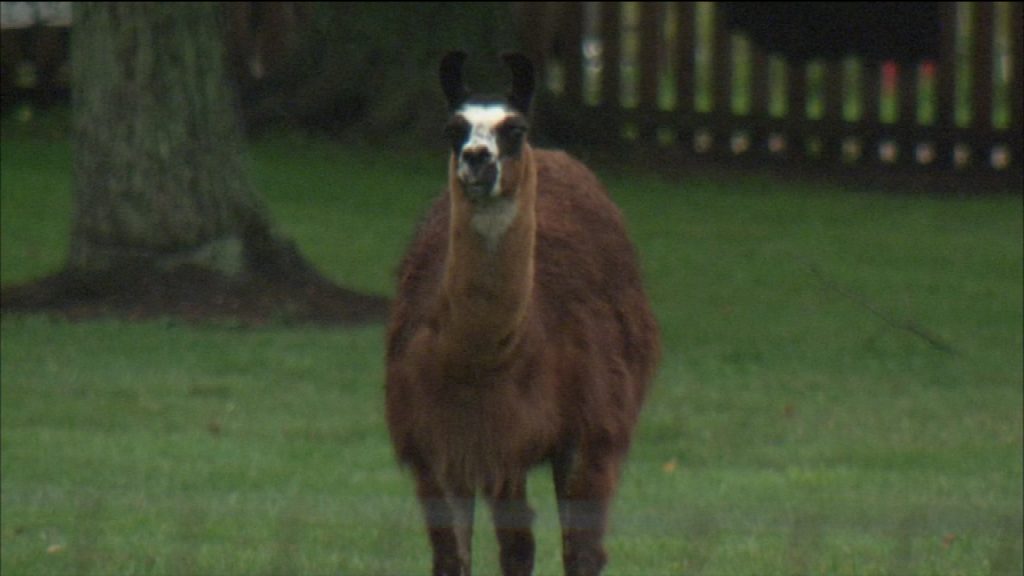
Florence Lenahan, a 74-year-old woman in Delaware, Ohio, devoted her time and property to helping horses, llamas, cows, cats, and dogs.she was particularly fond of a llama named Baby Doll. One fateful day, Lenahan’s friend Kevin Scott arrived at her home and found Lenahan on the ground. She was conscious. Baby Doll had slipped on the wet grass running to greet Lenahan and had run into her, causing her head to strike the concrete. Lenahan suffered head and arm injuries in the collision and was taken to Riverside Methodist Hospital, where she died of her injuries.
Related Content
Outrageous Stories of Cats’ Lives Saved In Strange WaysBath timeAnimals That Can Detect What Humans Can’t

Studies have shown that some people would actually choose to save a dog’s life over than the life of a fellow human being. Brain scans have proven that people love their dogs like their own children. But life can be unfair, and sometimes, no good deed goes unpunished. Here are few stories of people who died while trying to save a dog
David Allen Kirwan
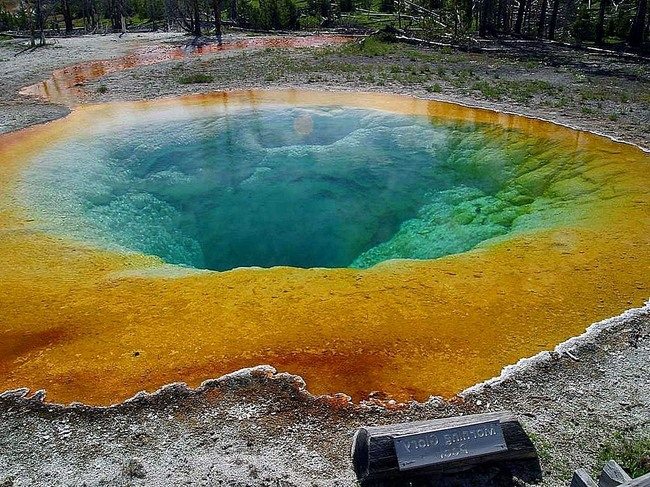
In summer 1981, David Allen Kirwan and his friend Ronald Ratliff in their twenties, visited the Yellowstone National Park Ronald’s large dog, a Great Dane named “Moosie,” was with them.
Moosie got excited, ran out of the truck, and jumped into the hot spring. He immediately started yelping in pain. Ronald hesitated to jump in after his dog, but David ran toward the water. A bystander tried to save his life by shouting, “Don’t go in there!” David replied, “Like hell I won’t!”
He tried to save Moosie, but the water began to boil David alive. When David was pulled from the hot spring, all the skin was falling off his body. His eyes were completely white, and he had gone blind. He had third-degree burns on 100 percent of his body. They took him to the hospital, but he died the next day.
Valerie Lynn Evans

In October 2017, a 75-year-old woman named Valerie Lynn Evans lived on her property in Santa Rosa. Her neighbors affectionately called her “the horse lady” because she owned horses, goats, and dogs. News of the oncoming wildfires caused most people in the neighborhood to evacuate immediately, including Valerie’s family members. Valerie while leaving made sure that her dogs were in the car before she left. Unfortunately, Valerie had far less time than she had anticipated. The flames engulfed her and the animals.
Clifford Lee Staley

In October 2017, 49-year-old Clifford Lee Staley was walking his bulldog and Shiba Inu along a busy road in Hagerstown, Maryland. Someone who lived nearby thought it was very strange. They called 911 and claimed that Staley had knocked on their door and was prowling the property, so the police responded to the call. One of Clifford’s dogs, the Shiba Inu, stepped into the street. A minivan hit the dog, and its body landed in the middle of the street.
A local police deputy told Clifford to stay out of the street but Clifford didn’t listen. He ran toward his injured dog. Clifford was hit by another vehicle, and both he and the dog were killed.
Donald Langford


Donald Langford was very close friends with his neighbors. So Donald felt a close bond with a neighbor’s dog, an Italian Mastiff named Bella. One day in March 2017,Bella was sleeping somewhere nearby. Sparks from electrical wire mixed with gasoline, and it started a fire in the barn. The men ran out and called 911. Then Donald remembered that Bella was still inside. He ran into the burning barn and found Bella. The only trouble was that the flames had grown so large that there was no way they could get out. The friends attempted to get Donald out, but they ended up going to the hospital for smoke inhalation. When the firefighters arrived and put out the flames, they found Donald holding Bella where had they died together.
Jacqueline Watts


Jacqueline Watts was a 33-year-old woman who ran a volunteer organization and fostered a lot of abandoned dogs and rabbits in southern Indiana. One of those dogs was named Ringo who was blind from cataracts and deaf. Not many people would be willing to foster such a dog but Jacqueline accepted the challenge. Unfortunately, Ringo went missing while in her care. She plastered posters all around town and frantically went on searches for the dog.
In March 2017, just a few days after Ringo’s disappearance, Jacqueline’s body was found lying on a sandbar in the middle of a river. Her car was parked nearby. Her family and friends could only assume that she had spotted Ringo and was attempting to save him when she died.
Scott Wulff

Scott Wulff was 61 years old, and his life was falling apart. Just a year after his wife died, he became homeless. For several months, he would go through a routine of begging for money so that he and little Astrid could buy something to eat. Near the restaurant, there was a bridge overpass for a train. Many homeless men choose to sleep under bridges. On November 13, 2017, Scott’s dog, Astrid, heard the oncoming train. She was scared, so she ran up to the bridge and began barking at the loud noises and bright lights. Desperate to save his best friend, Scott climbed on the tracks, too, and tried to get her down. They were both struck by the train.
Evan Currie

In June 2017, the Currie family was driving their boat around Lake Erie. They plugged their boat into an electrical socket on the dock at the marina so that the family could have power on board.
Their family dog jumped into the water to take a swim. This would have been perfectly normal except that everyone noticed that the dog, who was usually a good swimmer, was beginning to struggle and drown. Jeffrey Currie jumped into the water to save the dog, but he started to drown, too. Rather than question why this was happening, Jeffrey’s 19-year-old son, Evan, and his brother jumped into the water to save their dad and their dog.
Mrs. Currie was the only one who realized what was happening. They were all getting electrocuted. She quickly unplugged the boat from the power. Jeffrey and his one son made it out alive. But Evan was so determined to save the dog that they both drowned.
Nick Warren

Wellington Parade in Kingsdown is a small shore town off the coast of Kent, England. A 57-year-old man named Nick Warren was walking his six-month-old black Labrador puppy during a storm in late 2015.Nick was trying to play fetch. However, Nick didn’t have a real ball on hand. So he pretended to throw something, just so the puppy would run around and get some exercise. Since the dog couldn’t see where the “ball” went, he decided it must have landed in the water and jumped off a 1.8-meter (6 ft) ledge into the sea. Nick asked Norman if they could tie their three dog leashes together into a rope so that he could lower himself down to the dog. Unfortunately, the leashes couldn’t handle his weight and snapped. Norman called for help, and a crew on a lifeboat had to go out to rescue Nick from the freezing water. He was taken to a nearby hospital. Unfortunately, neither Nick nor his dog survived.
Related Content
Pet AlligatorCases of Animals Saving Humans from Certain DeathAnimal Races From Around the World

The animals that inhabit our world are amazing and deserve our respect. But they can fool us sometimes. For example, elephants are magnificent in stature and seem dangerous. But in reality, they are large, gentle beasts. They have strong instincts to care for their families and would not hurt a fly unless they had to.
However, some animals are not so easy to judge and can be quite deceiving. Are they cute and friendly, or will one touch kill you? Here are 10 animals that don’t look dangerous but are actually deadly.
Kayan Loris

The Kayan loris (aka slow loris) is a nocturnal primate that is closely related to the lemur. Kayan lorises are extremely adorable. They have big, baby-like eyes and beautiful soft fur that just begs to be petted, but one touch could be your last. They are the only known venomous primates and have very toxic bites. Their venom will cause anaphylactic shock and kill if left untreated. They are also an endangered species. The discovery of this new species suggests that more are yet to be found in the Borneo jungles and on the surrounding islands.
Honey Badger

The honey badger looks like it could be related to a cute little skunk. It is a vicious, small carnivore that lives in the deserts of South Africa and Botswana. It has a reputation for being the most fearless animal in the world. These animals are about the size of a small dog but have been known to eat crocodiles, antelope, and venomous large snakes such as cobras and black mambas. Honey badgers will dig into burrows after prey and climb tall trees to raid a nest of baby birds. Lions, spotted hyenas, and leopards tend to kill only older and weaker honey badgers.
Koalas

http://johndasfundas.blogspot.com
Koalas are indigenous to Australia, where they live in the eucalyptus forests and survive primarily on eucalyptus leaves. Their diet does not provide them with much energy, so they sleep a lot. This behavior makes them appear nonthreatening. However, a full-grown koala weighs 9–14 kilograms (20–30 lb) and has long, sharp claws as well as sharp teeth and strong jaws. They have been known to move quickly and attack people or dogs if they feel cornered or threatened.
Red Panda
http://dangerous-wild-animals.blogspot.com
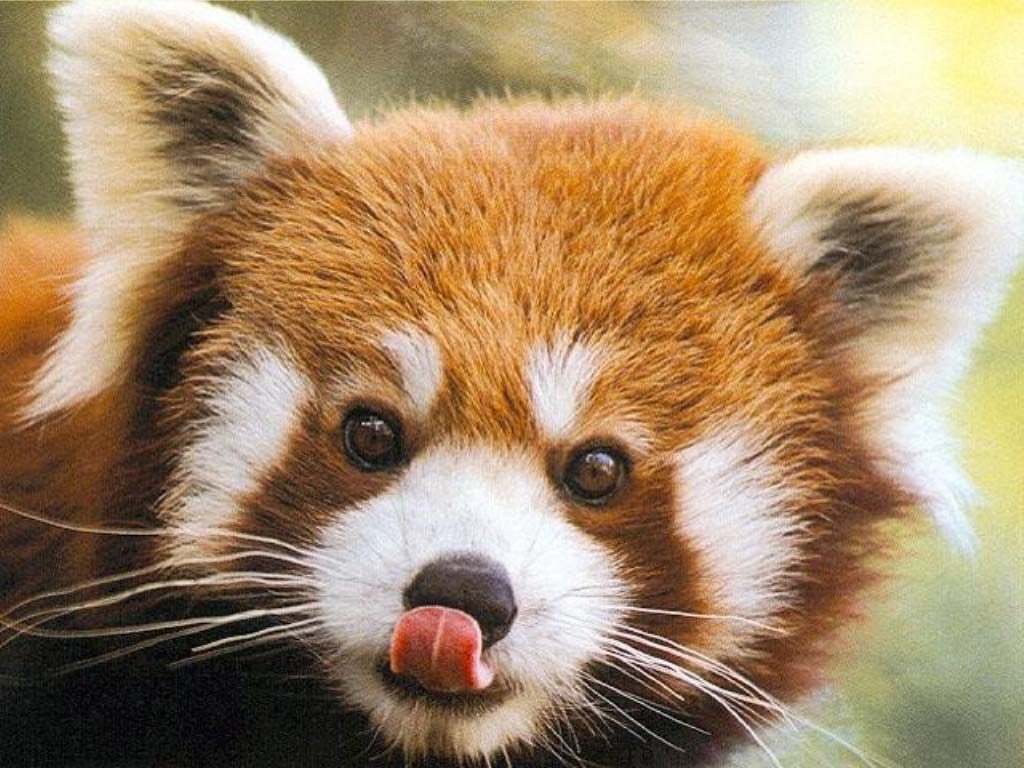
The red panda (aka firefox) is a vicious predator. It is generally solitary, but there are a couple of exceptions to the rule.
First, young red pandas grow relatively slowly, so they stay with their mothers for over a year. Second, red pandas have short relationships during the annual breeding season. When they hunt in packs, they have been known to take down and devour animals much larger than themselves.
They have razor-sharp teeth and claws that can rip through flesh like butter. They rely on small patches of bamboo to survive.
Geographic Cone Snail
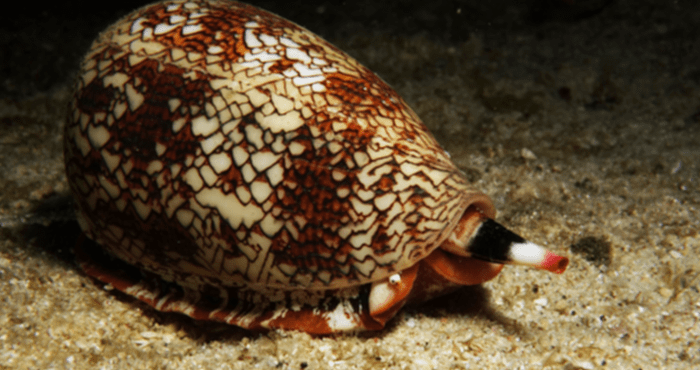
The beautiful, intricately patterned, brown-and-white shells of the geographic cone snail make them highly prized by shell collectors. The geographic cone is also known as Anbonia because it was discovered in the Indonesian Gulf of Anbonia. It grows 15 centimeters (6 in) long and has incredibly toxic venom that can cause paralysis instantly. Several humans have also died from the venom, which is a complex mixture of many toxins. In fact, of the 500 known species of cone snails, the geographic cone snail is considered to be the most venomous.
Pufferfish


The adorable face and colorful scales of the pufferfish make them endearing to look at. They can fill their bodies with air and blow up to appear larger to ward off predators. Even though they are not deadly to the touch, they are very poisonous if eaten.
Most pufferfish contain a harmful substance that causes them to taste bad and can kill other fish. For humans, it’s even worse. The poison in one pufferfish can kill 30 human adults, and there is no known antidote.
Golden Poison Dart Frog

This tiny, beautiful amphibian lives in the rain forests of Colombia and is extremely toxic. At 5 centimeters (2 in) long, one golden poison dart frog contains enough venom, which is secreted from the skin, to kill 10 men. The frogs’ bright colors—which range from yellow to orange to bright green—alert predators to the danger. There are over 100 poison dart frog species, but the golden poison dart frog is one of the largest. However, this species is endangered due to the decimation of the rain forest. Scientists are also interested in saving this animal from extinction because the frog’s toxin may be used someday as a painkiller.
Cape Buffalo


https://www.africa-wildlife-detective.com
The Cape buffalo is extremely territorial and holds a grudge if you hurt it or one of its family members. These creatures live in Africa and have killed more hunters there than any other animal. With their superior memories, Cape buffalo have ambushed hunters who injured them as long as years later. Studies show that the strength of a Cape buffalo equals four times that of an ox. So the buffalo has the ability to turn a car on its side and kill lions. These nasty buffalo have even killed lion cubs in retaliation for an attack by an adult lion.
Blue-Ringed Octopus

This amazingly beautiful species of octopus is considered one of the most deadly animals in the sea. The venom of a blue-ringed octopus is contained in its saliva and is similar to the deadly toxin found in a pufferfish. These octopuses inhabit the waters in Australia and the eastern Indo-Pacific and are common in areas where people like to swim. The bites are so subtle that some victims don’t even realize that anything has happened. The effects show within minutes as the victim experiences the feeling of “pins and needles” and numbness. Sometimes, respiratory failure and paralysis can occur, which ultimately leads to unconsciousness and death.
Related Content
Crazy Newly Discovered Living Animal SpeciesSurprising Shape-Shifting OrganismsStrange Things People Used To Believe About Animals
