Home Blog Page 61

Amazing Animals Awarded a Medal For Bravery

0

During World War II, Maria Dickin, founder of the veterinary charity People’s Dispensary for Sick Animals (PDSA), was so touched by the plight of animals in wartime that she instituted the PDSA Dickin Medal.

The animal equivalent of the Victoria Cross, the bronze medallion acknowledges extraordinary valor and has worldwide recognition as the highest honor that can be given to any animal in military conflict. Exceptional acts of bravery performed on the civil front by police dogs, horses, and guide dogs can also earn the elite medal bearing the words “We Also Serve.”

Diesel

Diesel

https://metro.co.uk

Perhaps the most tragic Dickin recipient on this list is Diesel, a French police dog. Five days after the 2015 Paris attacks—during which 130 people died—the Belgian shepherd was part of an operation to catch the suspected mastermind behind the massacre. During the raid, the seven-year-old Diesel was sent in to scout the area. The dog’s dash drew fire from within the room. Tragically, Diesel was gunned down. She died from multiple gunshot wounds. Abdelhamid Abaaoud, the suspected terrorist, was also killed during the raid. The PDSA awarded Diesel the medal posthumously in December 2015.

Simon
Simon

https://www.telegraph.co.uk

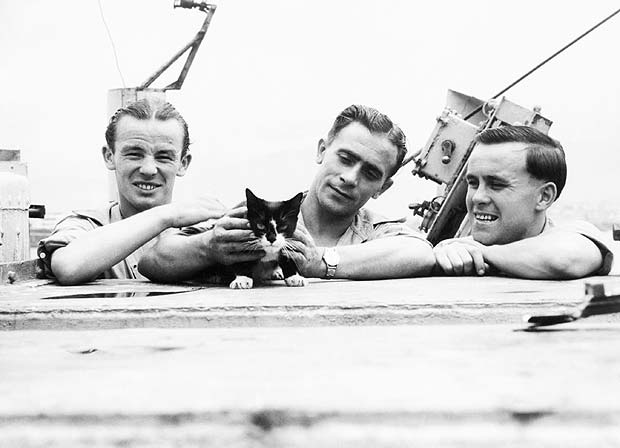
During the Chinese civil war in 1949, a British Navy ship was caught in what became known as the Yangtze Incident. The HMS Amethyst was trapped in a siege so bad that it cost 17 Marines their lives and injured the ship’s cat, Simon. During the 101-day siege, rats threatened the food supplies on the HMS Amethyst. But Simon prevented the crew from starving by rooting out the rodents. When the ship finally returned to Plymouth on November 1, 1949, Simon was treated like a hero. Tragically, he succumbed three weeks later while still in quarantine. He was interred at the PDSA Animal Cemetery in Essex with full military honors.

Paddy
Paddy

https://www.pigeonracingpigeon.com

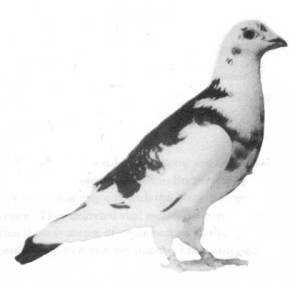
During the D-day operations in June 1944, Paddy was entrusted with a message that contained critical information regarding the progress of the Allies. Carrying the dispatch, the gifted flier avoided German falcons and continued to fly through bad weather. Paddy was given the Dickin Medal for completing his 370-kilometer (230 mi) journey from Normandy to England in less than five hours.

Rifleman Khan
Rifleman Khan

http://cameronians.siteiscentral.com

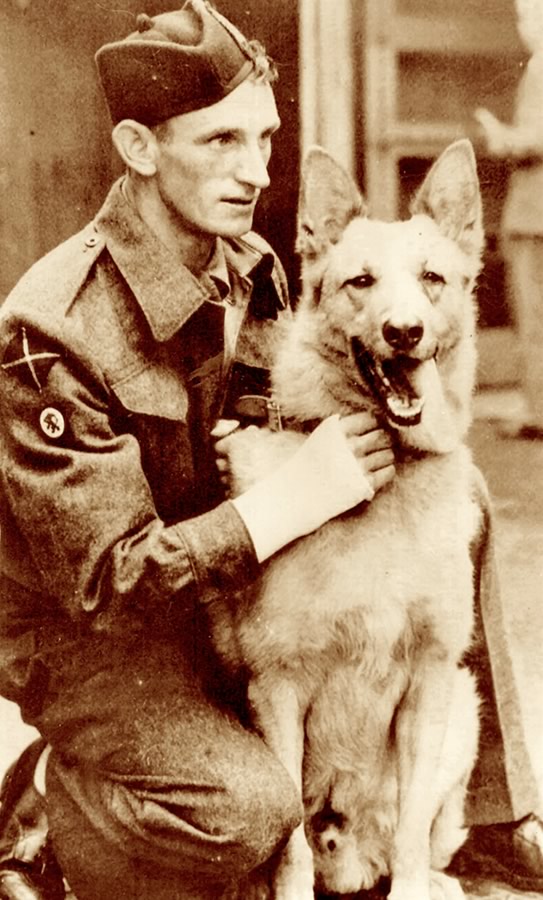
Khan and Lance Corporal Jimmy Muldoon, his handler, worked with the 6th Battalion (aka the Scottish Rifles) to expel Nazi soldiers from Walcheren Island and South Beveland. Muldoon was under heavy enemy fire when his boat tipped over. Rifleman Khan Dog paddled safely to the bank. But Muldoon, who couldn’t swim, was in deep trouble. The dog must have realized the danger because he returned to his handler. Despite still being under fire, Khan pulled the drowning soldier to safety. For this devotion, Khan was honored with the Dickin Medal in 1944.

Warrior
Warrior

http://www.dailymail.co.uk

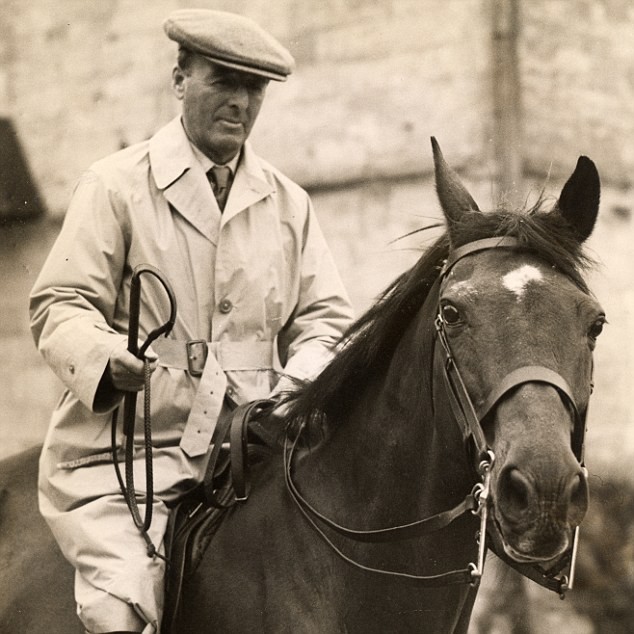
the story of Warrior is unique in the history of the Dickin Medal. He became known as “the horse the Germans couldn’t kill” and carried a general on his back into some of the bloodiest battles of World War I. He did so for four years. Twice, he was trapped in burning stables. He survived fire from machine guns and mortars from the air, getting buried under rubble and held down by mud. The wounded Warrior returned home when the war ended and lived on the Isle of Wight with the Seely family until he died at age 32.

Lucca

Lucca

https://www.independent.co.uk

Lucca, the first US military dog to receive this European award, was a bomb-sniffing German shepherd/Belgian Malinois mix. She did two tours in Iraq and one in Afghanistan. During her last patrol in Afghanistan in 2012, she had just detected a makeshift bomb when a second one exploded beneath her. Lucca survived the powerful detonation, but she was badly hurt and burned. Her handler immediately carried her to the safety of some nearby trees, tied a tourniquet to one of her shattered legs, and called for an emergency medical evacuation. Lucca’s injuries to her front left leg proved too much and amputation was necessary. As a result, the superb sniffer dog had to retire from active duty. During her career, she found nearly 40 improvised explosive devices. Lucca joined the elite Dickin fraternity in 2016 for preventing the deaths of many servicemen and women.

Gander
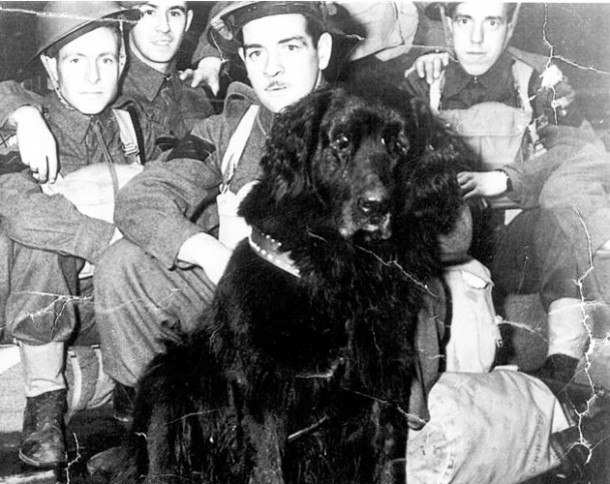
Gander Gander

https://www.onegreenplanet.org

Gander was a large Newfoundland dog and an unwanted pet. When his owners offered him to the Royal Rifles of Canada, they adopted him as their mascot. In 1941, the Royal Rifles received their orders to protect Hong Kong Island against the Japanese during World War II. Gander was allowed to go with the soldiers and quickly showed his mettle in battle. Twice, he viciously attacked the enemy. A third act of heroism cost Gander his life. During the Battle of Lye Mun, a grenade landed near some infantrymen. Gander saved their lives when he grabbed the grenade in his mouth and moved it away from them. Gander was honored in 2000 for his courage; he was the first animal in nearly 60 years to receive the Dickin Medal as well as the first from Canada.

Roselle

Roselle

https://www.pinterest.com

During the 9/11 attacks, Michael Hingson was on the 78th floor of the burning North Tower. Hingson, who was blind, had only his guide dog, Roselle, to rely on. The yellow Labrador guided her owner—and 30 others—down more than 1,000 steps before pulling Hingson underground into a subway station and to safety. Roselle was undeterred by the noise and debris that hit her. Roselle went on to win the American Hero Dog of the Year Award in 2011 and received a joint Dickin Medal for excellence on duty under trying circumstances.

Judy
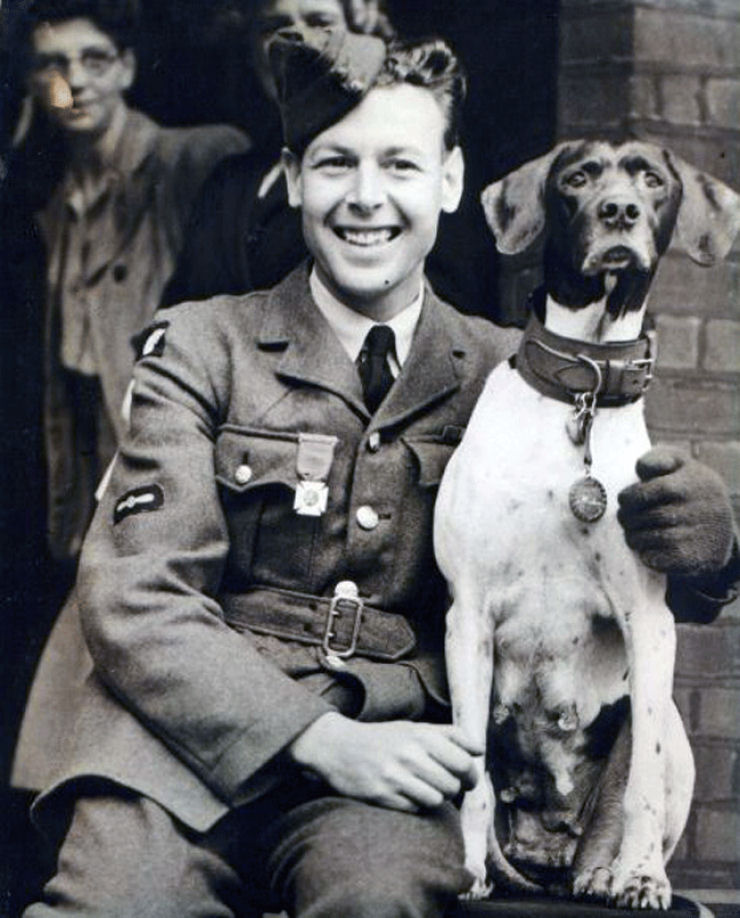
Judy

http://www.todayifoundout.com

The purebred pointer spent nearly four years in prison camps, starving and drawing beatings from Japanese guards because she kept attacking them whenever they beat a prisoner.

The violent guards used their rifle butts on the dog but weren’t allowed to shoot her. Judy was POW 81A. Her official status as a prisoner of war prevented her execution. In 1946, she was awarded the Dickin Medal for continuing to protect the captives until their liberation in 1945 and for keeping their morale high. Four years later, the brave dog succumbed to cancer at age 13. She was buried in a tailor-made RAF jacket.

Related Content

Dangerous Animals That Escaped Captivity

Desert Animals with Brilliant Survival Adaptations

Animals That Paid the Price of Tourist Stupidity and Cruelty
 

Sensational Spider Species

0

Spiders are creatures that are both familiar and feared, frequently encountered, and yet sometimes capable of inducing serious injury or death through their venom. The spider is a form of creature that may induce instinctive anxiety in humans that may be regarded as a phobia. In certain species, this apprehension is justified. In other species, little danger to humans may exist, but eerie reproductive ways, predation habits, or bizarre physical attributes just might cause one to lose some sleep.

Plant-Eating Spider

Plant-Eating Spider

https://creationscience4kids.com

There is a plant-eating spider on this planet. Native to areas with acacia vegetation in southeastern Mexico and northwestern Costa Rica, Bagheera kiplingi feeds on protein and lipid-rich Beltian bodies, small extensions found on the tips of the acacias on which this species lives. There is a complication to living on the acacia plants in the form of a mutual relationship between the plant and the ants residing in the hollow thorns of the acacia. The ants attack animals that try to eat the acacia. In return, the ants feed on the Beltian bodies and shelter in the thorns.

Rarely, these spiders will feed on the larvae of the dangerous ants, but they are primarily herbivorous, leading an exceedingly unusual life.

Pelican Spider

Pelican Spider

https://www.mnn.com

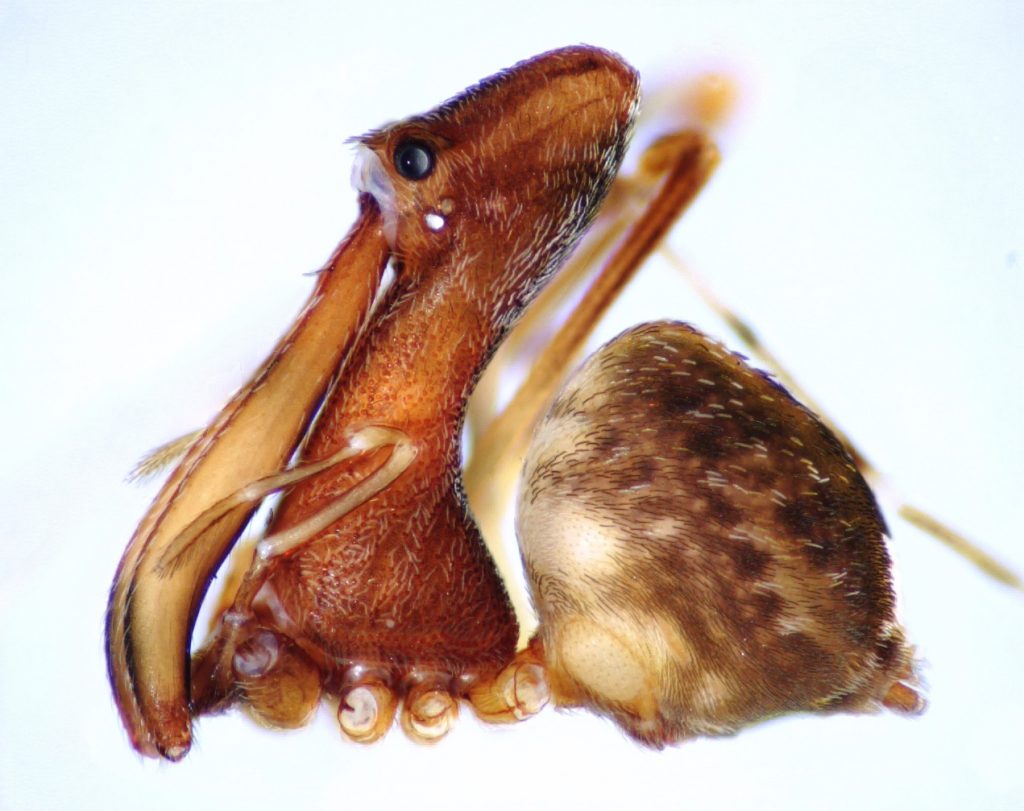
The outlandish pelican spiders of Australia, Madagascar, and South Africa; looking uncannily like a tiny replica of its namesake bird, pelican spiders have dramatically extended jaw parts and necks. An elongated neck extends from the animal’s small body, with a head on top of the neck that has the angular shape of a real pelican. Tiny eyes are located at the front of the birdlike head, where dramatically elongated chelicerae, jawlike structures with projecting fangs, extend downward in parallel with the neck and slightly beyond.

Australian Jumping Spider

Australian Jumping Spider

http://www.nationalgeographic.com.au

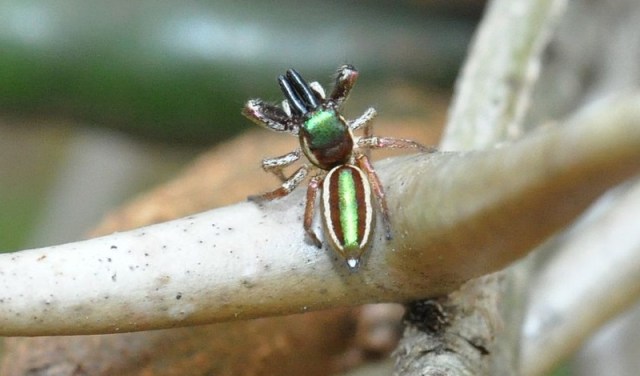
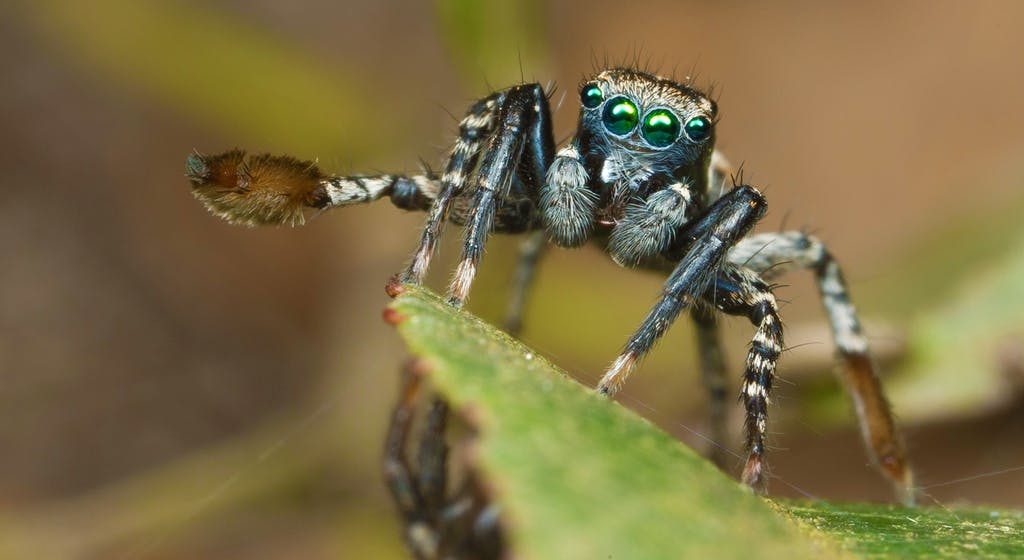
The male Australian jumping spider spider (Jotus remus), discovered in 2014 by Australian photographer and Australian Department of Agriculture staff member Jurgen Otto is still wary of being attacked by the female. The male plays hard to get in a slightly coy and even deceptive way to attract her attention. This diminutive spider has small paddles on two specially modified legs, which it waves as it plays hide-and-seek behind leaves to impress females. The “peekaboo” fashion of behavior continues until the female is likely to be in a receptive position and less prone to suddenly attack the male. At this point, the male abandons his display and mates with her, his colorful patterns still standing out in the animal’s vegetated habitat.

Ogre-Faced Spider

Ogre-Faced Spider

http://www.saferbrand.com

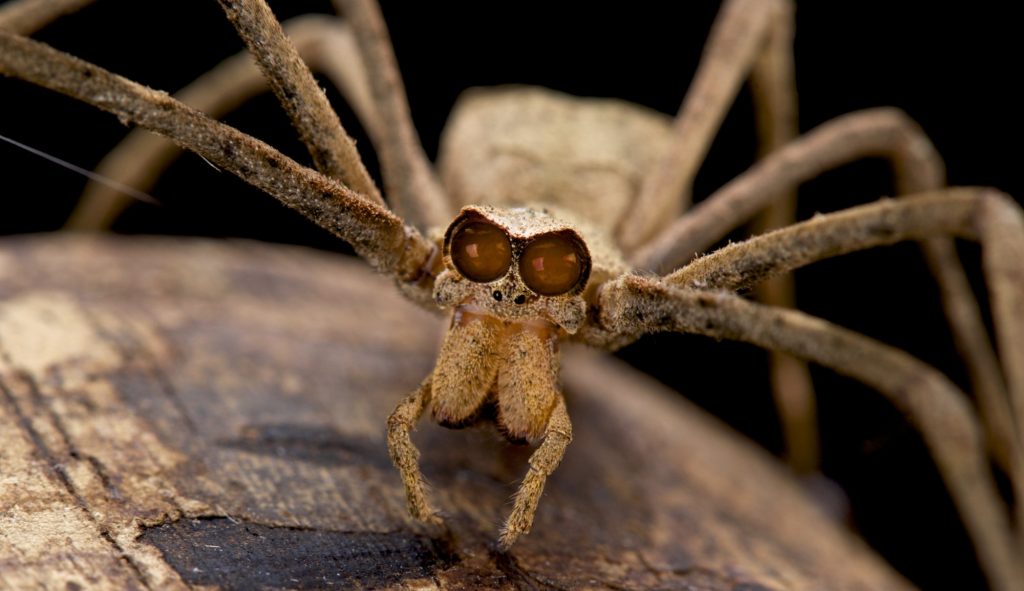
The tropical and subtropical spiders in genus Deinopis have eerie faces and exceptional hunting ability. While most spiders have eight eyes but poor vision, the ogre-faced spiders are named for their bizarre, elongated faces and enormous, “posterior median eyes.”The enormous eyes resemble a huge pair of binoculars embedded in the spider’s face, dwarfing its six smaller eyes and lending extraordinary visual capabilities. These abilities include exceptional night vision and clarity of view, enabling prey to be precisely tracked and targeted. With special hairs on its legs and remarkable dexterity, ogre-faced spiders weave a unique, net-shaped structure in lieu of a typical web. This structure is held between the four front legs and hurled upon passing insects, either flying or walking.

Spitting Spider

Spitting Spider

https://imb.uq.edu.au

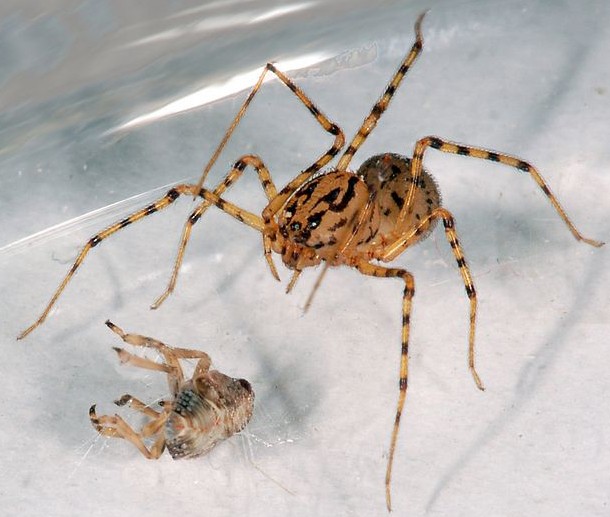
Forgoing a web for a more mobile mode of hunting, members of the family Scytodidae, the spitting spiders, constitute a particularly unique form of arachnid exceptionalism. Spitting spiders lack the silk-producing spinnerets common to more typical spiders. They capture the prey by spitting a sticky, venom-infused mixture of fluids that immobilize the prey. The fluids are expelled from the poison glands and then fall upon the prey. Spider seizes the victim and injects powerful venom that liquefies the insides of the prey before consumption. With a spindly appearance, the spiders have notably large venom glands to facilitate their copious spraying of venom and mucus.

Black And Yellow Garden Spider

Garden Spider

https://haydensanimalfacts.com

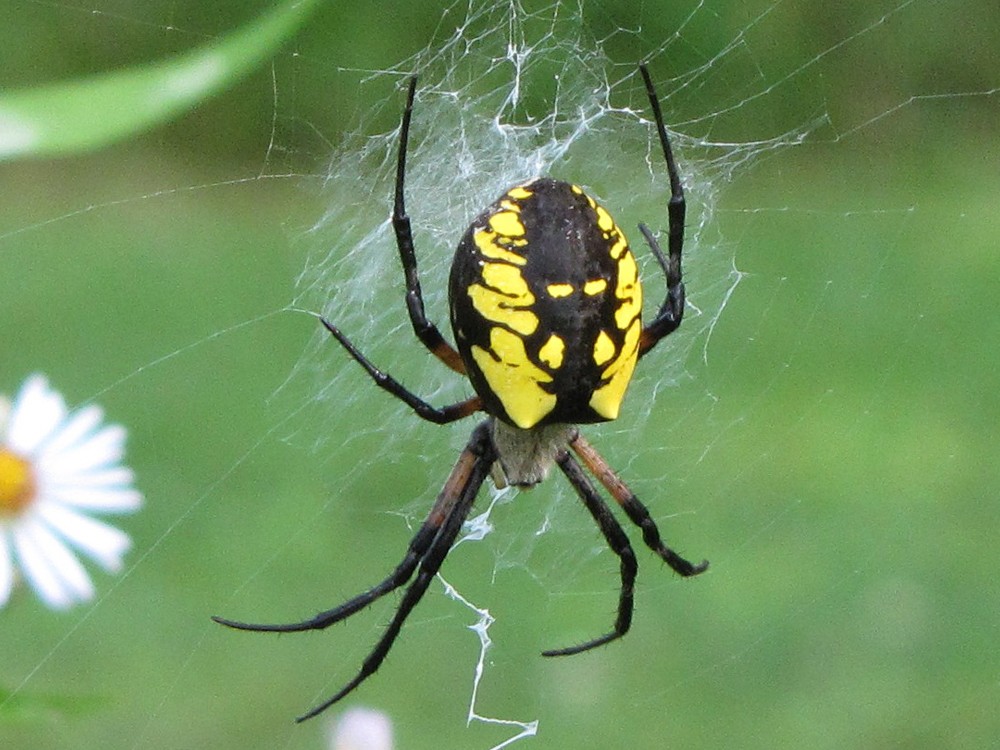
Spiders are frequently plucked from their webs by foraging birds, but a black and yellow garden spider may discourage such a hunter through its beelike or wasplike appearance. The logically named black and yellow garden spider is a fairly normal spider of the orb weaver variety found throughout much of North America. The yellow garden spider, like many arachnids, is a species where sexual dimorphism means that males get the short end of the stick. Black and yellow garden spiders may consume the very wasps and bees that their appearance mimics should one of these insects become stuck in its web.

Sowbug Killer Spider

Sowbug Killer Spider

https://www.pinterest.com

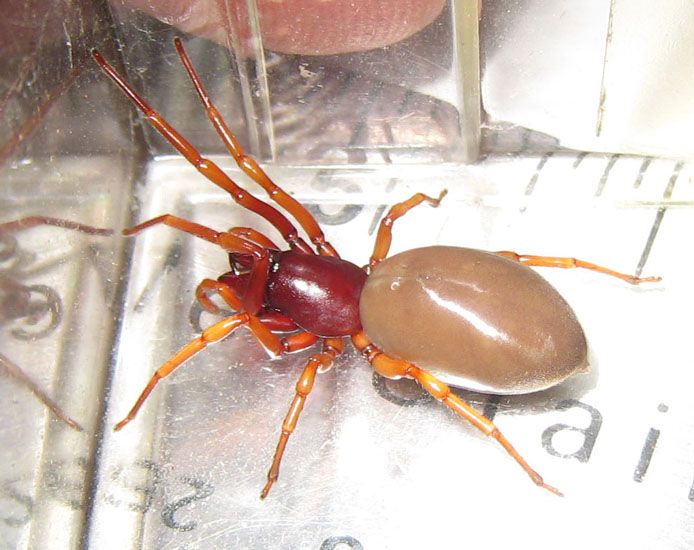
For various reasons, many people dislike sowbugs, more correctly known as woodbugs or woodlice, despite their actual classification as crustaceans. With a reddish thorax, colorful legs, and beige abdomen, these spiders are unnervingly smooth and shiny in appearance with enormous fangs for their fairly respectable body size. Rather than spinning a web, the spider stalks and ambushes its land-dwelling crustacean prey before injecting venom. Although this species has not been proven to be seriously venomous to humans, there is cause for concern in handling this oversize, fang-bearing spider. Skin irritations known as erythema were attributed to the venom of this species.

Scorpion-Tailed Spider

Scorpion-Tailed Spider

https://www.flickr.com

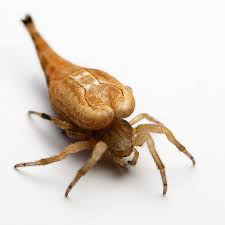
Native to Australia and resembling a scorpion climbing in a spider’s web at first glance, the female of this remarkable species has a yellowish color. Despite the animal’s outlandish appearance, scorpion-tailed spiders are very similar to regular web-making spiders, except for the female’s remarkable body appendage. Extending from the abdomen is a giant formation that exceeds the length of the spider itself. The result of bearing the appendage is a rather leaflike appearance, but curiously, the appearance is also remarkably close to that of a genuine scorpion.

Whip Spider

Whip Spider

http://www.brisbaneinsects.com

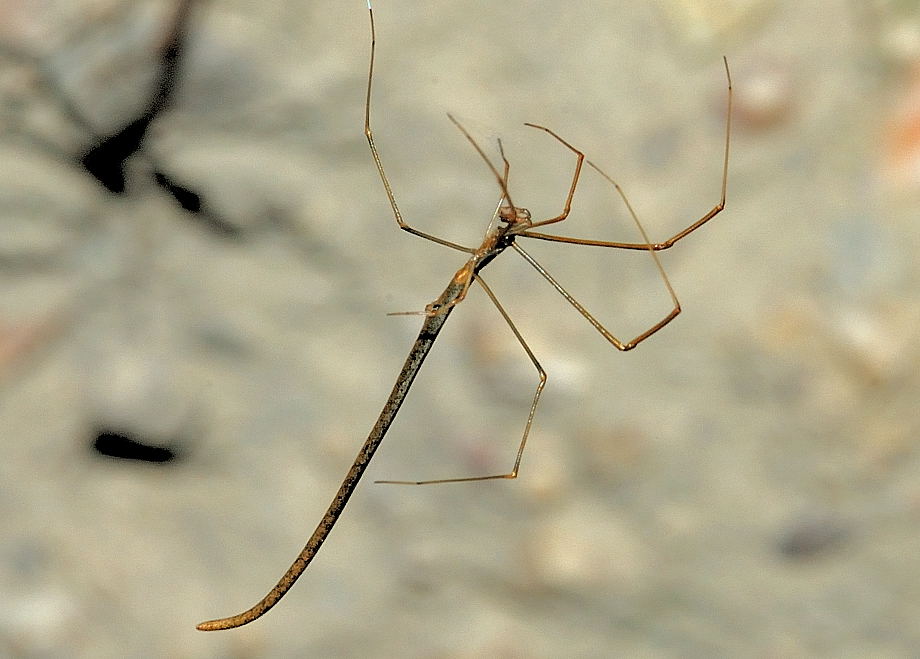
The whip spider (Argyrodes colubrinus) of Australia has eight legs like all spiders, but the rounded abdomen typical of the spider form is replaced by a sticklike form with a remarkable length-to-width ratio. Suspended from a simple, minimalist web consisting of a few strands of silk, the spider drops down to capture its prey.

Related Content

Fascinating Insect Impostors

Desert Animals with Brilliant Survival Adaptations

Animals That Paid the Price of Tourist Stupidity and Cruelty
 

Incredible Things Animals Can Do That We Can’t

0

From shape-shifting to living forever, the animal kingdom seems to have unlocked the secrets to all the crazy abilities we wish we had. In this list, we will explore the incredible and surprising talents of a range of animals—from the domestic dog to the curious chameleon.

See Different Colors

Colors

https://communitytable.parade.com

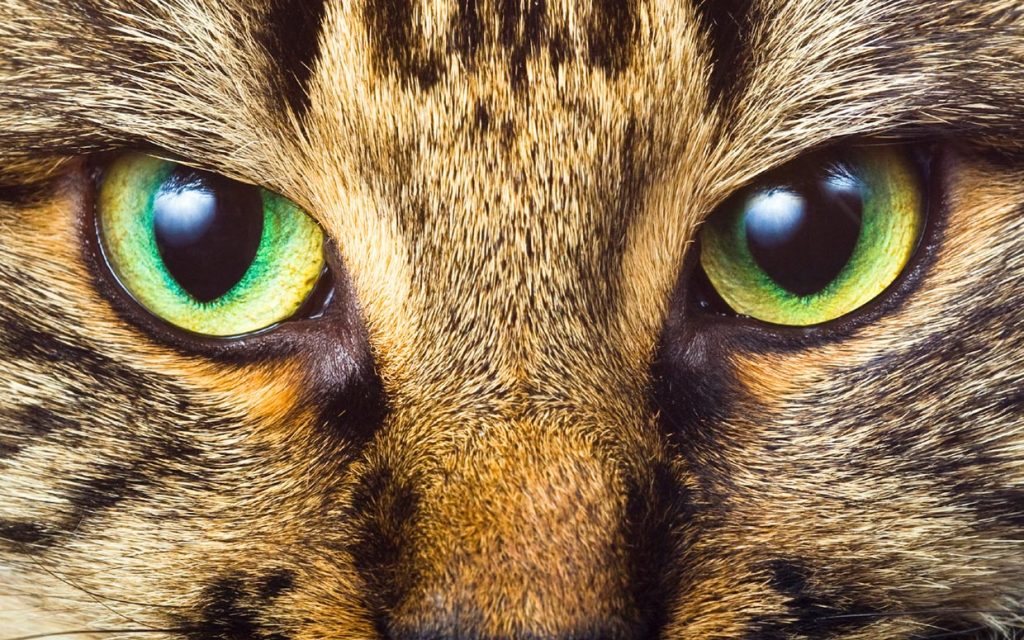
There are a vast collection of other colors which we as humans are unable to comprehend. Birds have the fascinating ability to see colors which are invisible to humans. This is due to the extra color cones in their retina which are sensitive to the ultraviolet range. To us, the female and male versions of each bird look pretty much the same, perhaps with a slight difference to distinguish between genders. To the birds with their UV vision, each bird could actually look quite different. This would suggest that birds are actually more selective about their mates.

Run On Water

Run On Water

https://kids.nationalgeographic.com

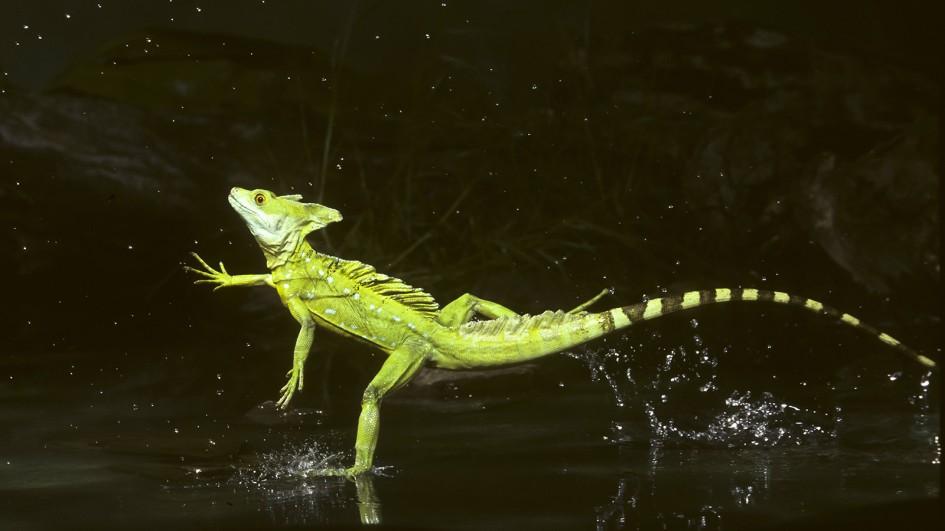
Adult basilisks tend to weigh around 200 grams (7 oz). The lizard uses its hind legs to propel itself across the water, usually reaching a maximum distance of 5 meters (15 ft) before beginning to sink. The stride used by the lizard can be divided into three sections. The lizard slaps his foot against the water by moving it vertically downward, then strokes the water by moving his foot backward, and finally brings his foot back out of the water and returns to the starting position.

Defy Gravity

Defy Gravity

https://www.gettyimages.co.uk

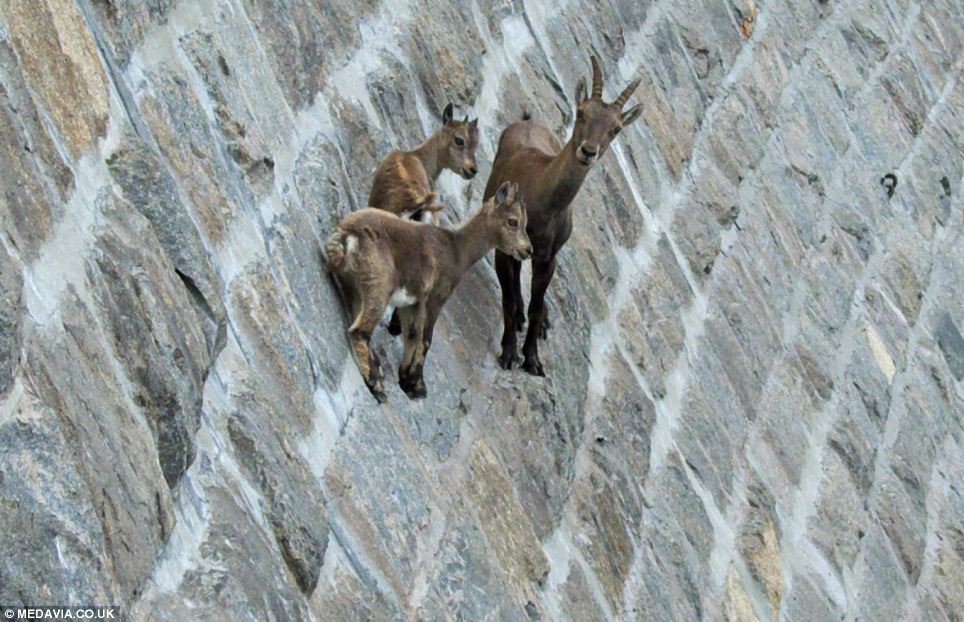
Meet the Alpine ibex goat. Just looking at him, you might not be impressed but wait until you hear what he can do. Ibex goats have the incredible ability to run up hills that are almost perfectly vertical. Not only that but they can hold their balance on the tiniest of ledges. They also have the power to jump 2 meters (6 ft), which makes galloping up vertical terrain barely even a challenge. The ibex goat uses its gravity-defying powers to escape its predators, which include wolves, bears, foxes, and lynx.

Be Immortal

Be Immortal

https://www.mnn.com

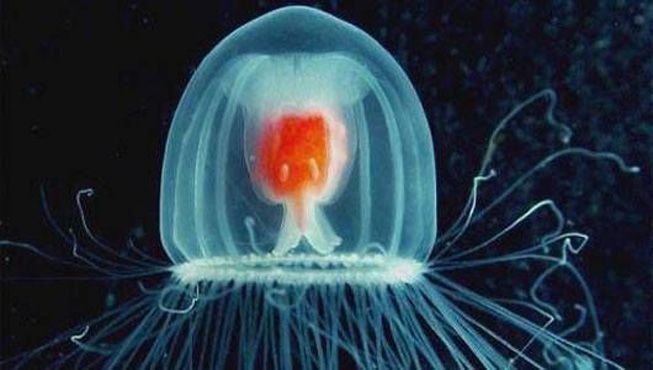
When the Turritopsis nutricula (more commonly known as the immortal jellyfish) reaches its adult form of 4.5 millimeters (0.2 in) and has reproduced, it reverts to its beginning stages of life. Instead of dying, the jellyfish transforms back to how it started life by shrinking its body, retracting its tentacles, and allowing itself to sink to the bottom of the ocean floor. The immortal jellyfish can continue to repeat this process for, well, forever. As long as this incredible creature can avoid the mouths of sea predators and stay away from fatal diseases, it can live forever.

Regenerate

Regenerate

https://kids.nationalgeographic.com

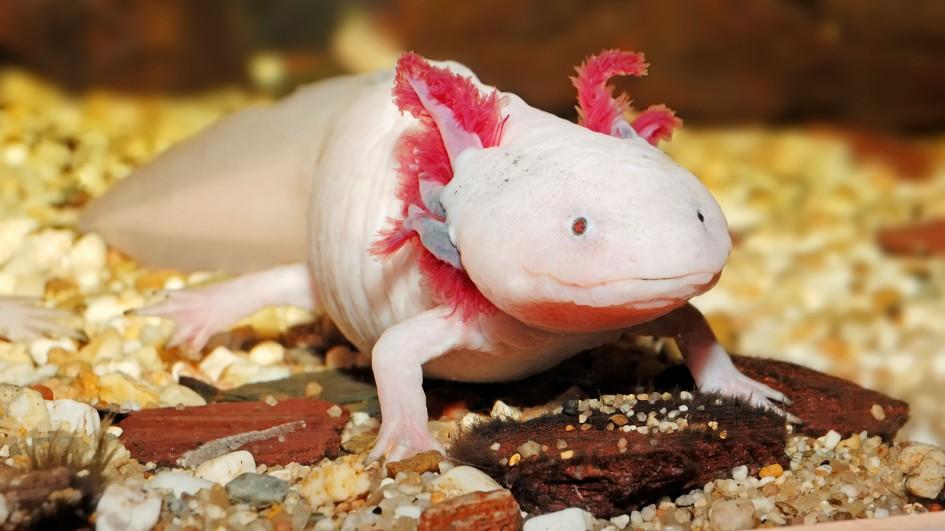
Axolotls, the exotic amphibian have the ability to regenerate encoded into its immune system. Immune cells named macrophages assist the axolotl in regenerating parts of its body.

Have 360-Degree Vision

360-Degree Vision

http://m.harunyahya.com

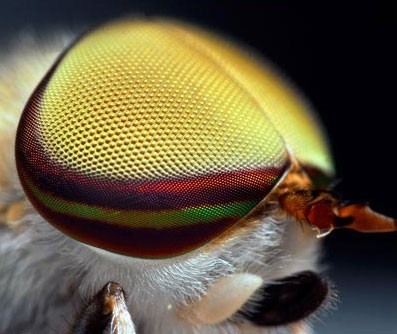
The human visual field covers approximately 50–60 degrees horizontally and 50–70 degrees vertically. However, for the chameleon, the human visual field is laughable. Chameleons are one of two animals which are able to see in full 360-degree vision. The chameleon has unique eye anatomy, which enables it to rotate its eyes with a high degree of freedom. The dragonfly uses its 360-degree vision mainly for the purposes of hunting. Of all insects, the dragonfly has the largest eyes—hardly surprising since 80 percent of its brain is dedicated to the control and process of sight.

Shape-Shift

Shape-Shift

https://theconversation.com

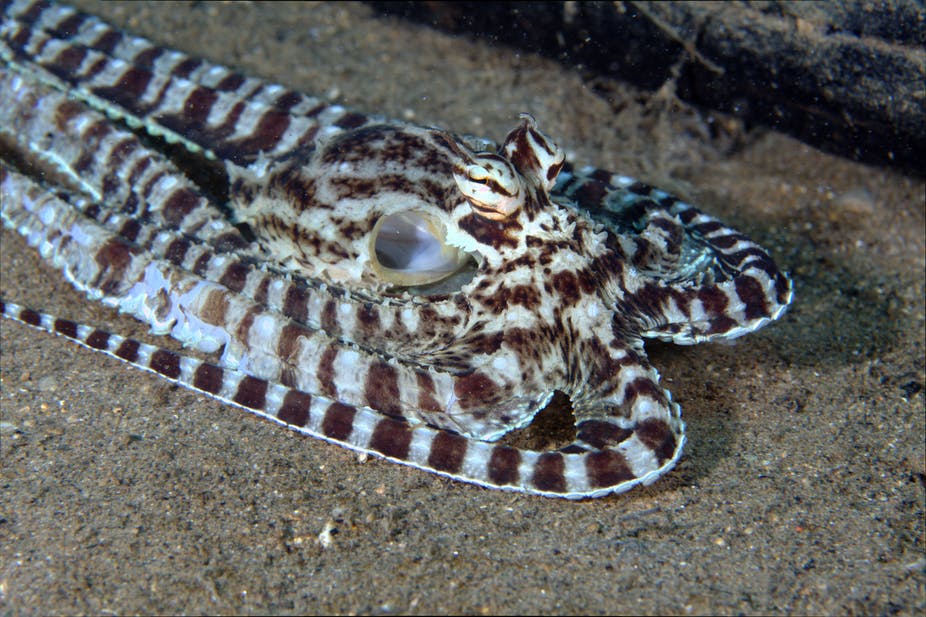
There is one incredible animal with the bizarre ability to mimic the shape of other animals. The mimic octopus is a curious variety of octopus which was first discovered in 1998 off the coast of Sulawesi in Indonesia. Although the ability to change the exterior color of the skin is common to all varieties of octopus, this intelligent creature takes that one step further. It can physically reform itself to appear like a different animal. The mimic octopus’s list of impersonations includes sole, lionfish, jellyfish, and sea snakes.

Sleep With Half Of Their Brain

Brain

https://www.seeker.com

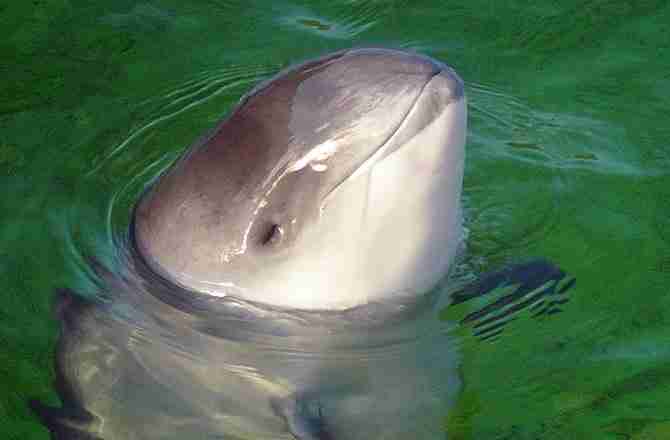
Cetaceans are a group of marine mammals—consisting of dolphins, whales, orcas, and porpoises—that have the unique ability to sleep with one hemisphere of their brain at a time. This kind of sleep is called “unihemispheric slow-wave sleep.” It allows the brain to recover from daily happenings and fuse new memories. While the left hemisphere sleeps, the cetacean closes the right eye and uses the right hemisphere to control breathing functions and keep the creature aware of its environment. When the right hemisphere sleeps, the opposite happens.

Reach 188 Decibels

Decibels

http://invorma.com

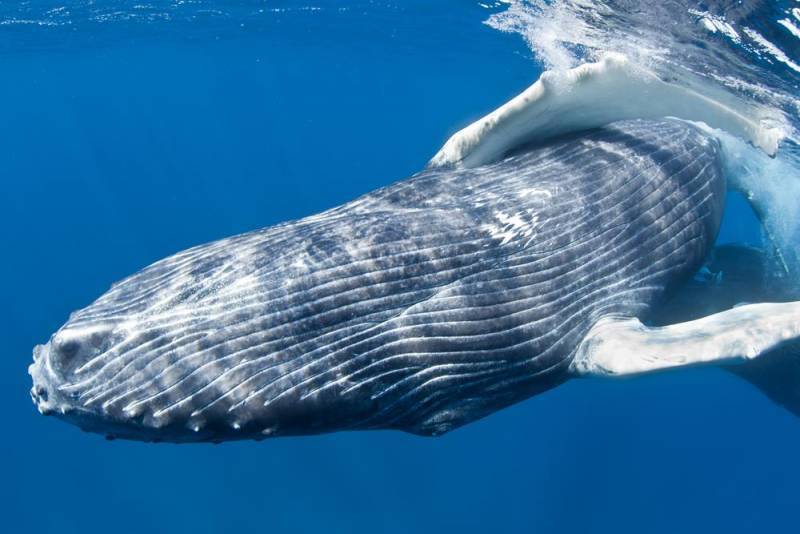
The loudest shout ever produced by a human was achieved by an Irish teacher who ironically screamed the word “quiet.” She managed to reach 121.7 decibels. But it has nothing on the blue whale. As the largest creature known to man, it’s hardly surprising that the blue whale is able to produce the loudest sound. But what might surprise you is the amplitude of that sound. The low-frequency vocalization of the blue whale can reach an incredible 188 decibels. That is much louder than a jet, which peaks at 140 decibels. In fact, that blue whale’s sound is so loud that it is way above our threshold of pain, which peaks at 130 decibels. It’s thought that blue whales use their loud projection to attract mates from across the ocean.

Predict The Future

Predict

https://www.audubon.org

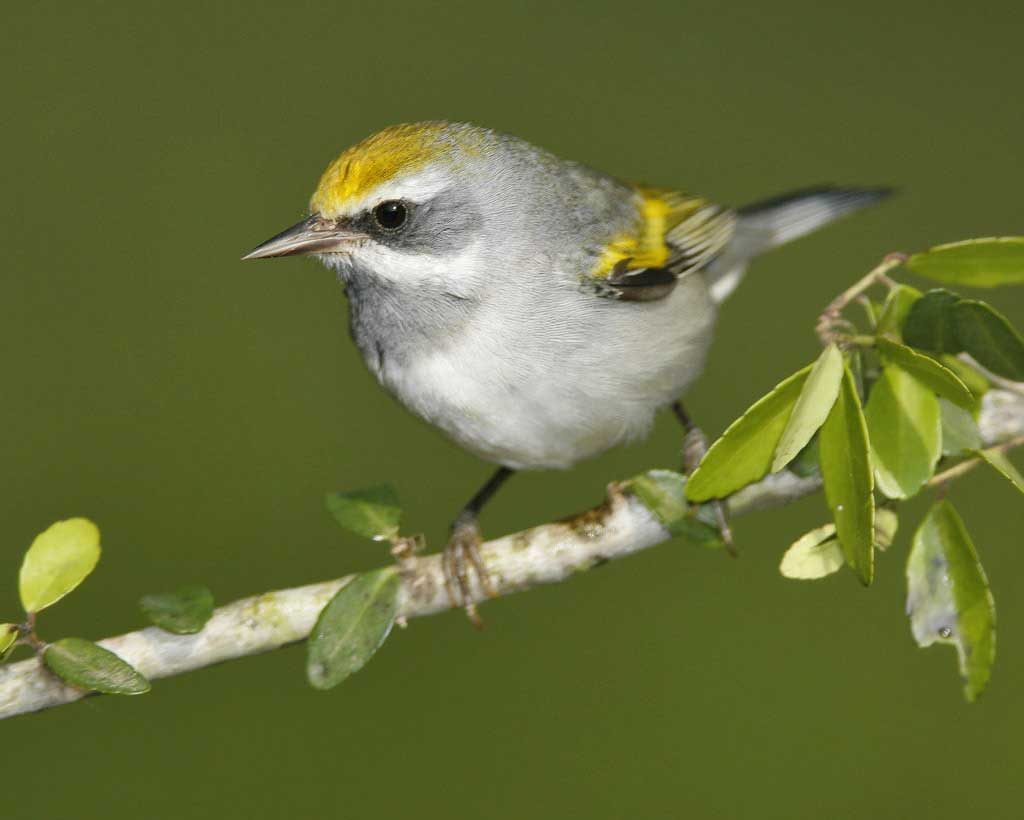
Some animals have the ability to sense danger before it happens is part of their instinctive nature. A group of researchers looking at the migration of golden-winged warblers concluded that the birds were capable of predicting when a storm was going to hit days before it happened. With their incredible sense of smell, dogs can actually be trained to sniff out cancer. This is truly a phenomenal ability and could save the lives of hundreds of cancer victims by detecting the disease early and allowing time for treatment.

Related Content

Lies about Dogs We All Believe

Dog likes Hugs

Animal Species That Are Evolving Right Now

Fascinating Insect Impostors

0

Many insects have look-alikes, or impostors. Most of these look-alikes are other bugs. Some of these pretenders resemble disease-carrying insects or insects that are harmful to property, so it’s good to be able to tell the difference between the real deal and the deceiver. In most cases, careful attention to appearance and behavior are enough to allow even those of us who aren’t entomologists, or bug doctors, to recognize the true insect from its impostor.

Bedbug Impostors

Bedbug Impostors

https://www.bedbugsupply.com

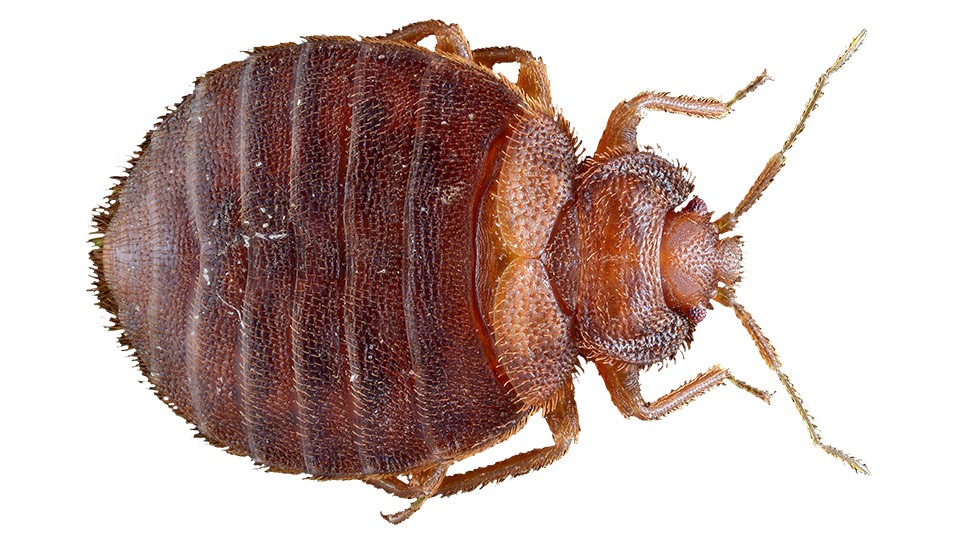
Due to their similar appearances or behaviors, bat bugs, newborn cockroaches (pictured above), wood ticks, carpet beetles, spider beetles, and fleas have all been mistaken for bedbugs. They look quite a bit like bedbugs, too, so they make good impostors. Unlike bedbugs, though, bat bugs hang out near bat roosts. Cockroaches look much different than bedbugs when they are older, but recently hatched roaches, not so much, which is why they’re sometimes mistaken for bedbugs. Ticks live outdoors, bedbugs indoors. Ticks attach themselves to one spot, feeding there exclusively. Bedbugs are more nomadic, traveling over the body to sample the fare at many locations.

Mosquito Impostors

Mosquito Impostors

https://www.thoughtco.com

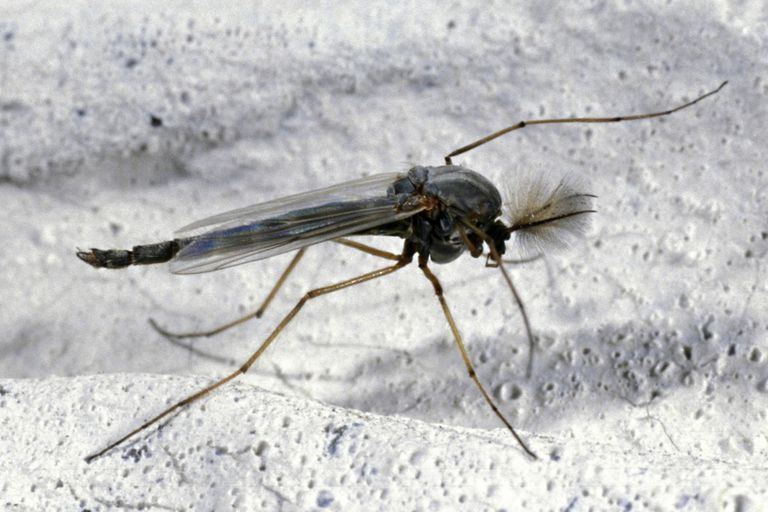
Midges, crane flies (pictured above), and fungus gnats are sometimes confused with mosquitoes. However, there’s no need for humans to fear most mosquito impostors. Fortunately, it’s pretty easy to distinguish between mosquitoes and mosquito impostors. Mosquitoes bite. Most mosquito impostors don’t. However, midges do bite. Unlike mosquitoes, they don’t pierce the skin as a needle would. Instead, they cut it as a pair of scissors does and then lick the resulting pool of blood from the skin. Mosquitoes can also transmit disease to humans. Impostors can’t.

Tick Impostors

Tick Impostors

https://www.pioneer.com

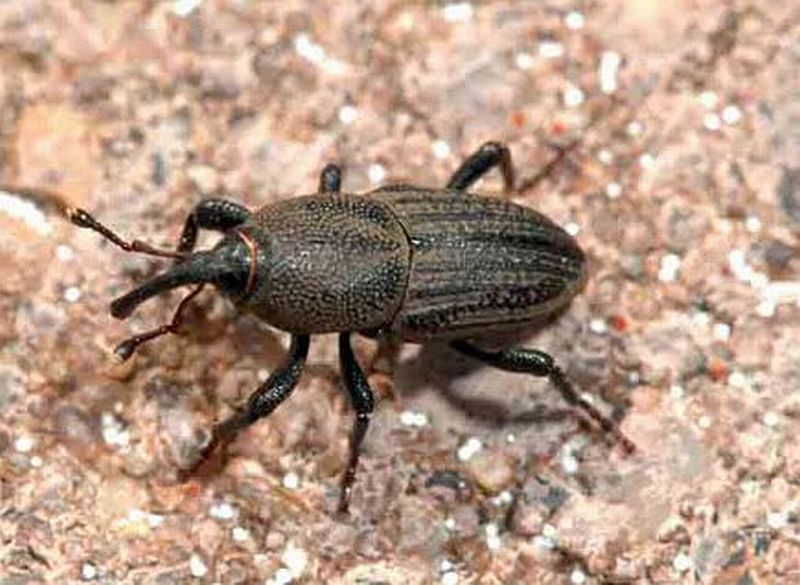
Just as ticks are sometimes mistaken for bedbugs, billbugs (pictured above) are often mistaken for ticks. It is important to know the difference because ticks carry Lyme disease. Billbugs don’t. The bugs do look alike, but the key is to judge them by their actions, not their looks. Ticks suck blood, and, over a period of days, they swell, becoming larger. Ticks are loners, but billbugs like to hang out together in swarms. Ticks feed on people and animals. Billbugs eat grass.

Cockroach Impostor

Cockroach Impostor

https://www.pinterest.com

Cockroaches are scavengers. Not so cockroach impostors. Water bugs hunt down and kill their prey, such as mosquitoes. For the giant water bug (pictured above), which grows to 10 centimeters (4 in), “crustaceans, tadpoles, salamanders, fish, and amphibians” are also on the menu. These giants can eat prey “50 times” their own its size. While it is true that both cockroaches and water bugs will hide, water bugs are more likely to play dead than to run. Also, unlike cockroaches, water bugs will bite. They have a particularly nasty bite, too, injecting “digestive enzymes” and extracting “liquefied tissue.”

Triatomine Bug Impostor

Bug Impostor

https://citybugs.tamu.edu

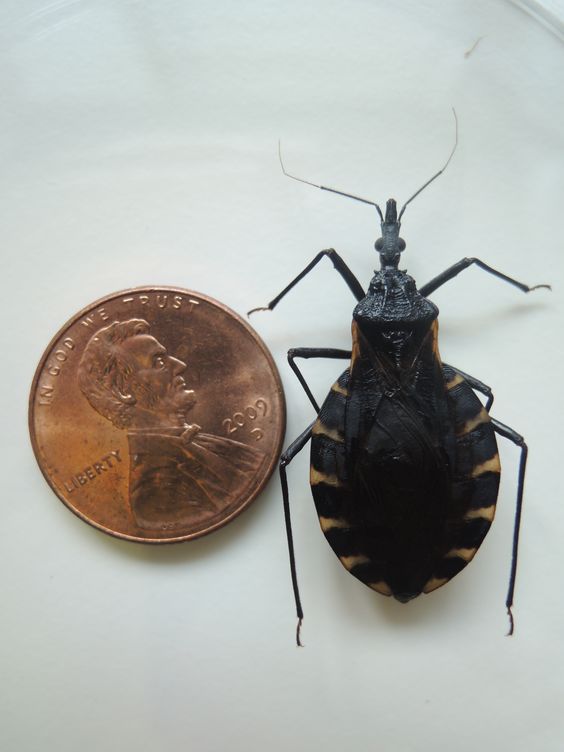
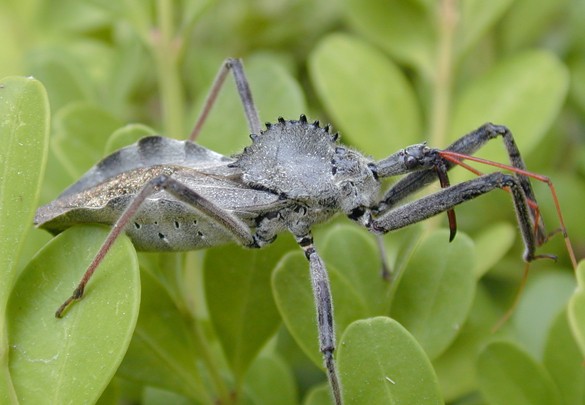
Unless we’re entomologists or we know one, it’s unlikely that we’re familiar with triatomine bugs. Basically, they’re bloodsuckers. They tend to live around houses and transmit the parasite that causes Chagas’ disease, an incurable illness that damages the heart and intestines. Fortunately, although the disease is incurable, measures can be taken to prevent infection. The wheel bug (pictured above) is also sometimes mistaken for the triatomine bug. Its saliva contains venom, which it injects into its victim through a tube in its beak. The venomous saliva digests its prey, and the wheel bug sucks the digested juices into its stomach through a second tube in its beak.

Brown Marmorated Stinkbug Impostors

Brown Marmorated

https://www.naturalalternativeremedy.com

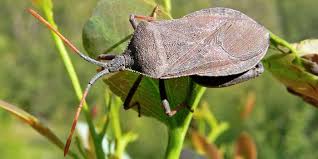
The squash bug (pictured above) and several others of its own kind resemble the brown marmorated stinkbug closely enough to be confused with it. It is distinguished from similar stinkbugs by its pair of “wide, light-colored, banded areas on the antennae,” by an abdomen extending “past the wings” so that “light-colored triangles” are visible “past the wing edges,” and by the presence of “only one small tooth along each leading edge of the thorax . . . just behind the eye.” In addition, “when disturbed,” the brown marmorated stinkbug exudes an odor resembling that of coriander.

Periodical Cicada Impostor

Periodical Cicada

https://www.thedailybeast.com

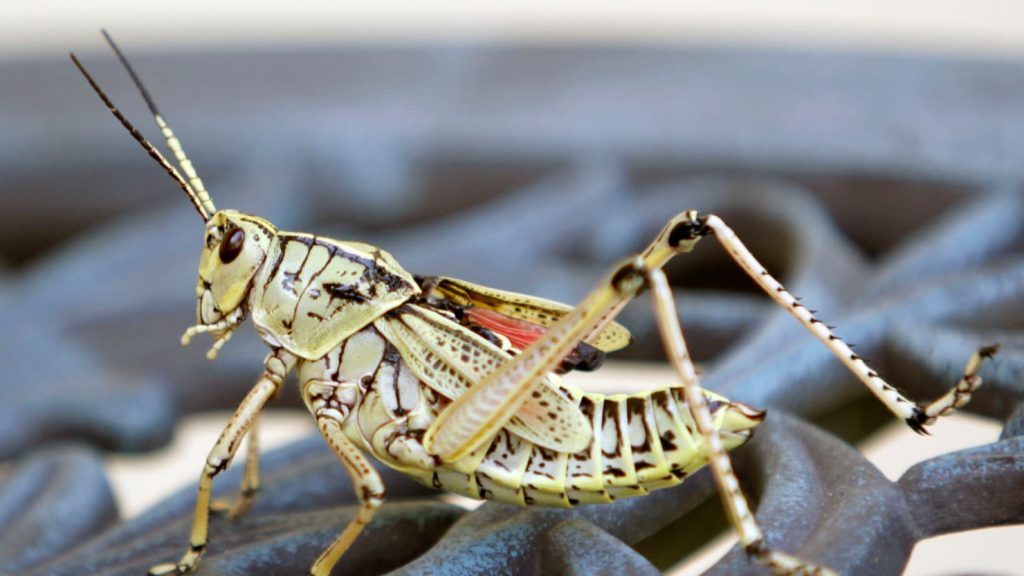
Periodical cicadas aren’t locusts (pictured above), although they are frequently confused with them. For one thing, periodical cicadas don’t bite, and they don’t devour acres of crops. Equipped with abdominal tymbals (membranes), periodical cicadas produce a buzzing sound like others of their kind. Lacking tymbals, locusts do make these sounds. Locusts swarm. Periodical and other cicadas may swarm, but they often do not. Finally, despite turkeys, raccoons, skunks, and coyotes, periodical and other cicadas live much longer than locusts.

Common Chinch Bug Impostors

https://bugguide.net

It is not surprising that false chinch bugs are mistaken for the common chinch bug. The two look quite a bit alike, and their habits are similar. However, the insects have different appetites. The false chinch bugs are fond of dining upon sorghum and weed seeds. The common chinch bug prefers a greater variety—a smorgasbord of “corn, rice, small grains, sorghum and bunch grasses and turf grasses.”

Bumblebee Impostors

https://www.pestworld.org

Big, black-and-yellow carpenter bees (pictured above) are often confused with bumblebees. However, the impostors’ shiny black tail section distinguishes them. The males cannot sting. The females can but seldom do unless they’re trapped. Bumblebees are hairy. Carpenter bees are almost bald. Bumblebees live underground. Carpenter bees dwell under the eaves of houses or in trees. Bumblebees like to socialize. Carpenter bees are loners. Unlike bumblebees, carpenter bees also drill into wood, creating tunnels through “doors, windowsills, roof eaves, shingles, railings, telephone poles, and sometimes even wooden lawn furniture.”

Sphinx or Hawk Moth Impostor

Sphinx Hawk

http://philippines.liketimes.me

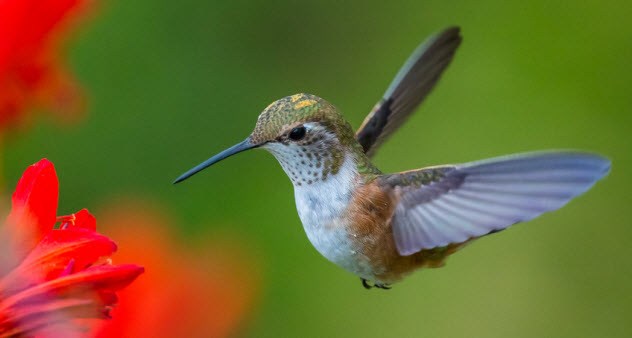
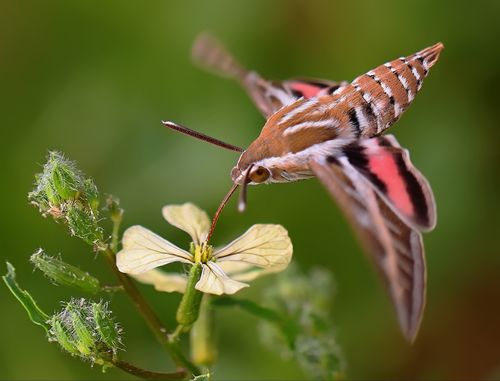
The sphinx or hawk moth also has an impostor. However, this pretender isn’t another insect. It’s a bird! A hummingbird (pictured above), to be exact. Like the hummingbird, this gigantic moth hovers over flowers and dips its lengthy proboscis into blossoms to extract nectar. Its rapid wing beats even make a humming sound, so it is sometimes referred to as a “hummingbird moth.”

Related Content

Dog likes Hugs

Animal Species That Are Evolving Right Now

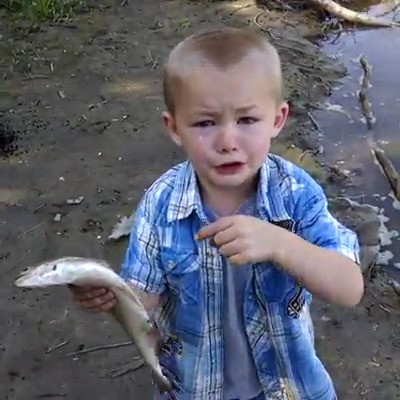
Boy wants to Keep the Fish


Desert Animals with Brilliant Survival Adaptations

0

Deserts are some of the least hospitable places on Earth, deterring man and the majority of animal species found across the globe. However, necessity is the mother of invention and nature makes sure it is remarkable. Some of the most surprising and impressive animal adaptations in Earth’s history have been the result of evolution. In this account, we make a survey of animals that take advantage of harsh desert environments, surviving and even thriving through exceptional physical, behavioral and biochemical adaptations.

Kenyan Sand Boa

Kenyan Sand Boa

https://snake-facts.weebly.com

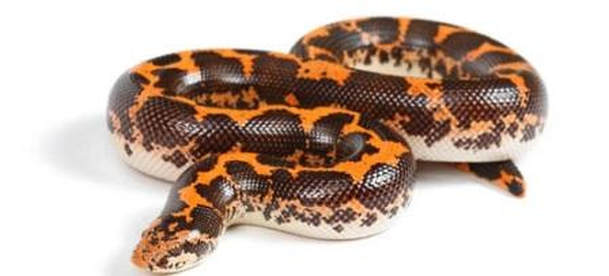
The eyes and nostrils of the Kenyan sand boa are positioned on the head in a manner that limits intrusion of debris into these sensitive areas. Able to live beyond one year without food, this species uses the sand to its advantage while hunting in two ways. First, the sand boa lies under the sand, seizing prey as it moves past the hidden snake. Second, small prey may be killed by being dragged under the sand and suffocated in the fine grains before consumption.

Sandfish

Sandfish

http://kanigas.com

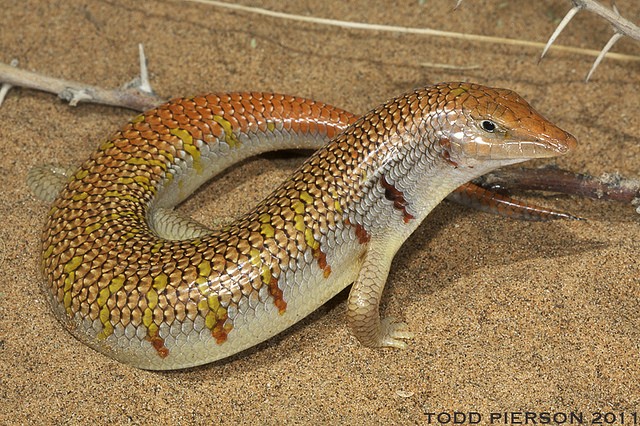
The sandfish is named after its ability to actually swim through the desert sands, enabling efficient movement and apparently saving it from some of the harshest of the Sun’s rays by being in the sand rather than always on top of it. Able to travel under the sand at considerable speed, sandfish move their legs in a manner comparable to a human swimmer’s crawl stroke as they maneuver and propel themselves among the grains. Sandfish have smooth, sparkling skin with scales that shine and appear almost fishlike due to their gloss, minus any slime, of course, since reptiles boast dry skin.

Sand Cat

Sand Cat

http://www.animalspot.net

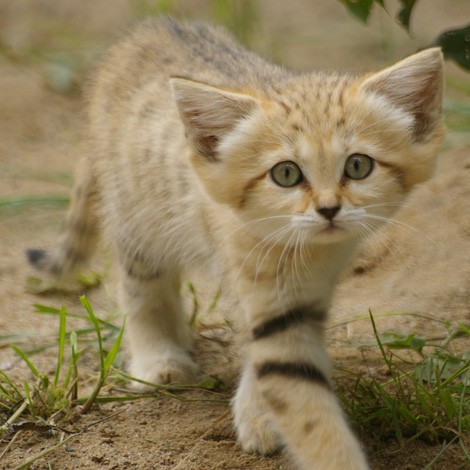
Tiny, sandy, and feline to the fullest possible extent, the sand cat resembles a house cat and stands out as the only species of cat that can be correctly classified as a true desert dweller. The sand cat is native to North Africa, Southwest Asia, and Central Asia. Sand cats boast special padded paws covered with long, tough hairs that protect the cats’ feet from hot sand and also help to support their weight among the shifting grains, preventing the cats from sinking.

A thick coat plays a critical role in both insulating the feline from the hottest of summer conditions and protecting it from hypothermia during cold desert nights. Equipped with dull claws that do not fully retract, sand cats creep along low to the ground, leaving barely a footprint. They avoid burns due to the thick fur on their feet.

Desert Tortoise

Desert Tortoise

https://www.flickr.com

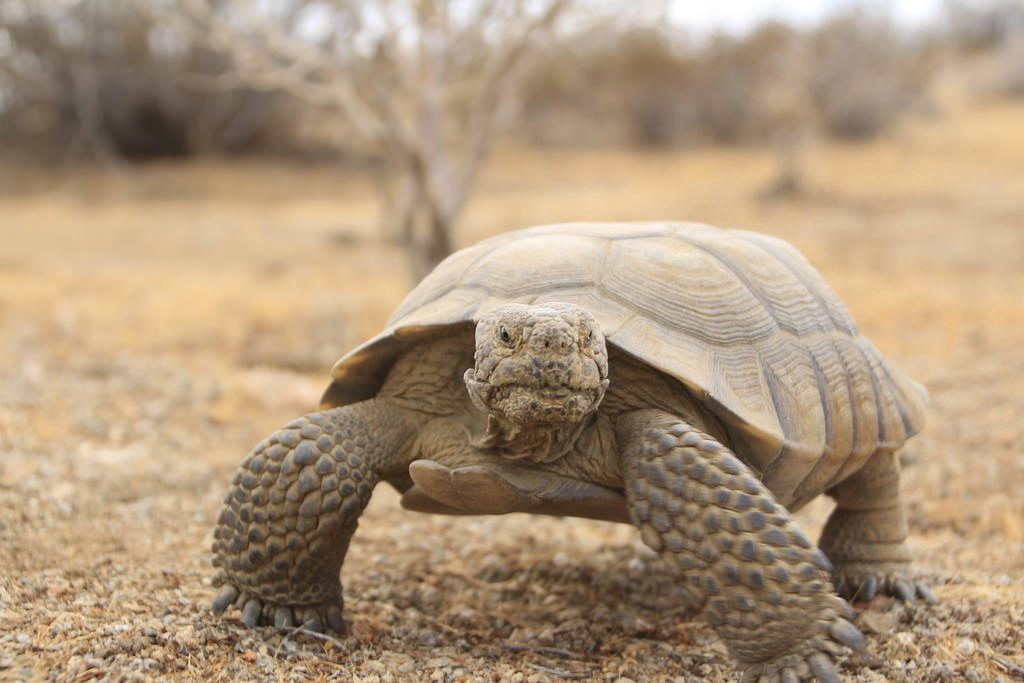
The desert tortoise has an impressive but peculiar physical adaptation that allows improved hydration management. This adaptation comes in the form of an oversized bladder that can carry extra water. In this specially evolved bladder, a desert tortoise can carry greater than 40 percent of its weight in urea, uric acid, nitrogen-based wastes, and water. alarming a desert tortoise may prove to be exceedingly dangerous to its survival, causing it to abandon its reserve of water due to fear-based urination. With their thick rear legs and flatter front feet, desert tortoises have an easier time walking in the sand.

Desert Cockroaches

Desert Cockroaches

http://cockroach.speciesfile.org

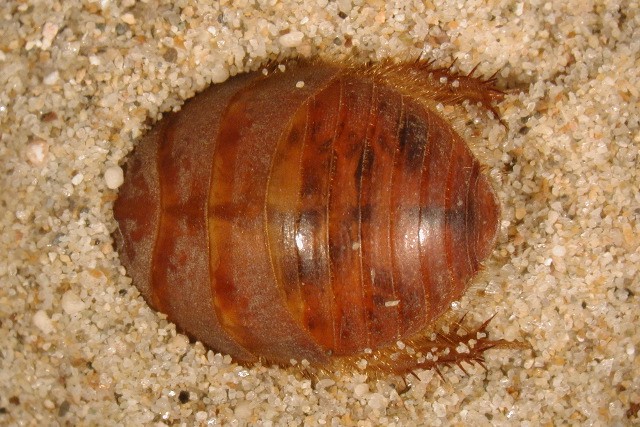
Finding innovative ways of gathering or retaining water are the hallmarks of desert evolutionary adaptation. In the case of desert cockroaches, a pair of small bladders is located in the mouth. These function by condensing available water from moisture in the air and then conveying it back into the cockroach. Barring any blockage, these bladders will function and deliver moisture to the cockroach. It is the nocturnal female that looks so close to a trilobite, being wingless and spending time in burrows during the day to avoid light.

Remarkable Cactus Birds

Cactus Birds

http://www.dailymail.co.uk

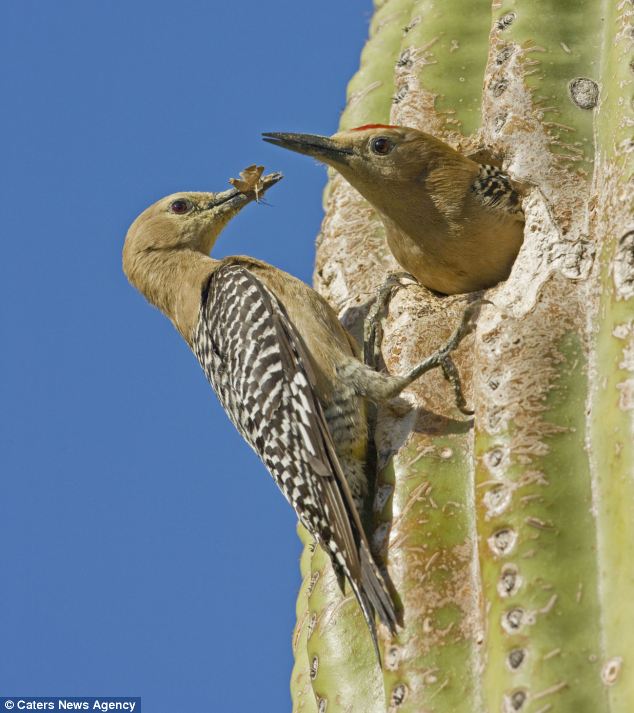
Gila woodpeckers drill into the forest-treelike trunks of the cacti, sheltering and nesting in that space. If that were not enough, many small songbirds perch and nest among the cacti stands. The largest and most impressive North American wren, the cactus wren, specializes in life among the cacti, even feeding on the fruit in contrast to smaller, almost exclusively arthropod-eating shrub, marsh, and woodland wrens.

Skin-Drinking Desert Lizards

Desert Lizards

http://www.bbc.com

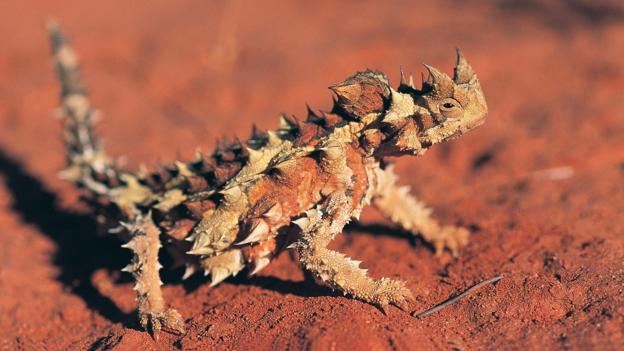
Through examination of Australian thorny devil and Texas horned lizard skin and scale structures, a bizarre physiological adaptation has been discovered. The skin of lizards prevents water loss and also keeps water from getting in through the skin, but a novel way in which lizard skin assists in precision water gathering has developed. Through the process termed “cutaneous water acquisition” as described in the case of the Australian thorny devil, these lizards use miniature, tubelike channels to absorb and then direct water from the point of contact cumulatively toward the mouth of the lizard. Through this adaptation, the lizards are able to gather and then concentrate the water gleaned from rainfall, damp sand, and pools of water encountered on occasion.

Desert Pupfish

Desert Pupfish

http://www.visitcalifornia.com

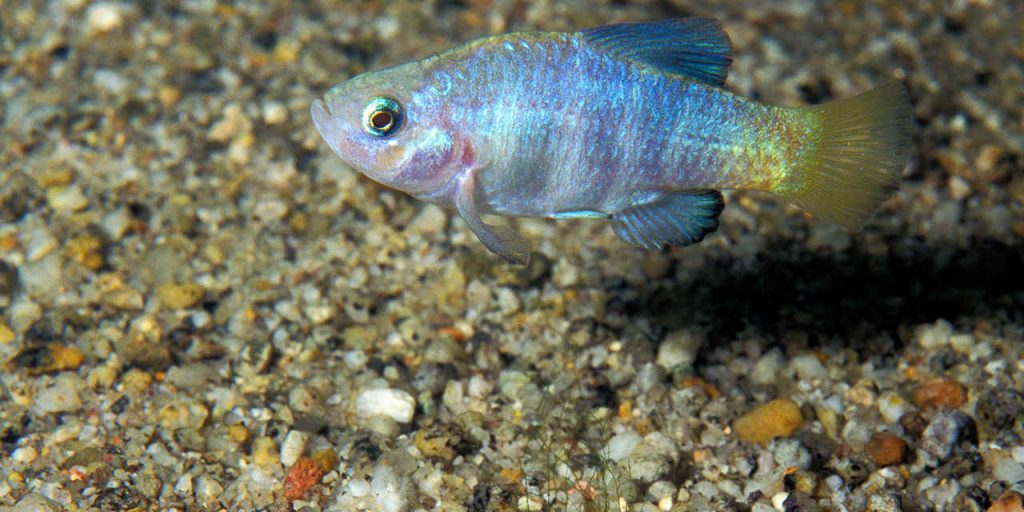
The desert pupfish are representative of the extremophile class of animals. Desert pupfish are considered to be living fossils, offering evidence of a historic interconnection among lakes and survival through natural selection to adapt to shrinking and heating bodies of water, including desert pools, springs, marshy patches, and streams. The rare Devil’s Hole pupfish lives in an area just over 1 meter (3 ft) wide with a significantly greater depth, while the desert pupfish can survive temperatures of 43 degrees Celsius (110 °F).Devil’s Hole pupfish, recognized and protected legally as an endangered species, may live for only six months to one year.

Greater Roadrunner

Roadrunner

http://listverse.com

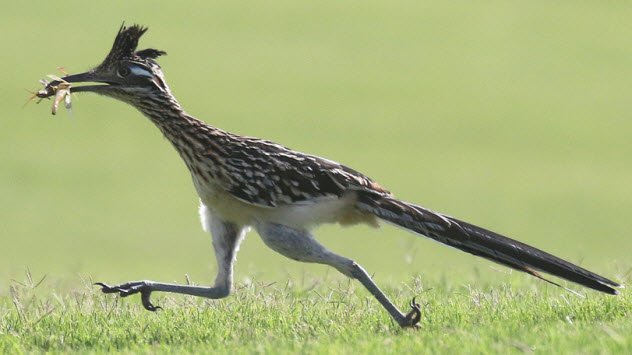
After consuming a meal, the roadrunner’s digestive system retrieves water from the bird’s feces as they sit in the excretory canals. Prior to elimination, the water is withdrawn through this advanced, unappetizing, and peculiar physiological process, and only then the feces are expelled. Roadrunner has two more impressive hydration management adaptations. One is to hunt prey that provides water through tissue and blood after consumption. Another is to secrete excess salt through glands located above the bird’s eyes. Such desalination glands are typically found in seabirds, not in land birds.

Related Content

Fascinating Insect Impostors

Lies about Dogs We All Believe

Dog likes Hugs

Animals That Paid the Price of Tourist Stupidity and Cruelty
0

Tourism has many benefits, such as providing jobs to the community, preserving cultural traditions that are at risk of extinction, fostering a sense of identity and pride among various groups, and providing financial support for the preservation of natural resources and ecosystems. What’s not good, though, are stupid and cruel tourists.
An Endangered Baby Dolphin
Dolphin

https://www.washingtonpost.com

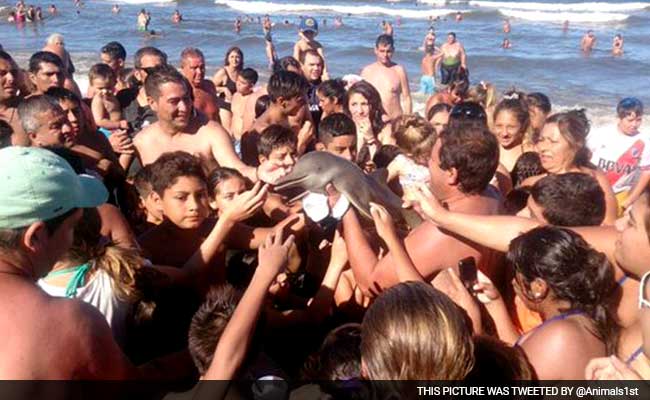
In February 2016, a baby dolphin died after it was taken out of the water and then passed around a mob eager to touch and take selfies with it. The incident happened in the beach resort town of Santa Teresita, Argentina. The baby dolphin belonged to an endangered species known as La Plata or Franciscana. To date, only 30,000 of these dolphins are alive. After having their fun with the animal, the group eventually left it to die in the mud.

A Whale Shark

Whale Shark

https://www.inquisitr.com

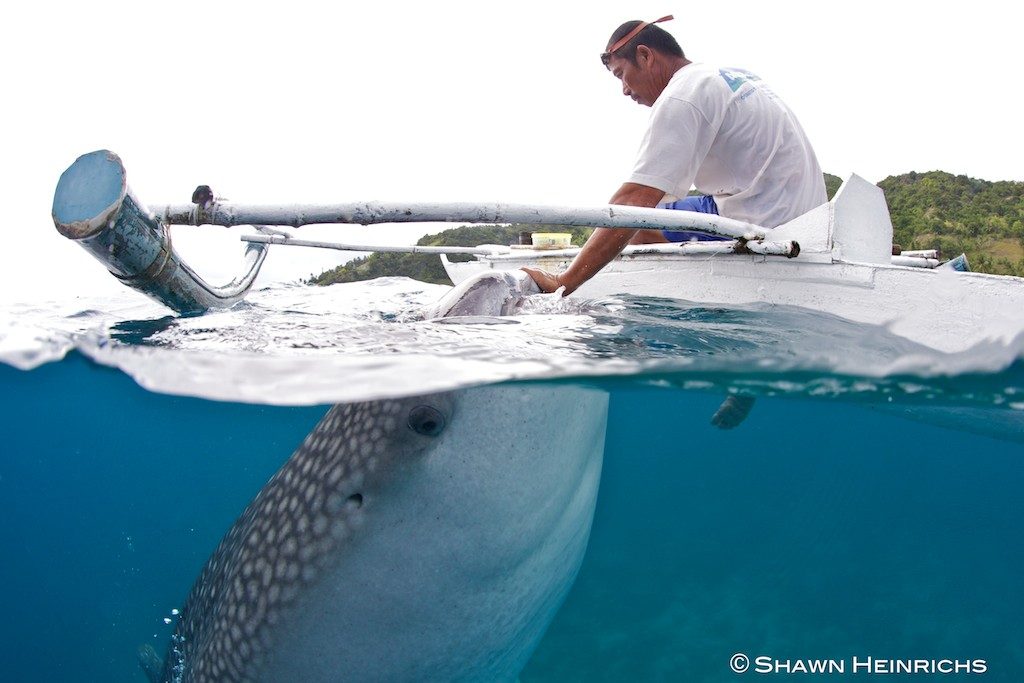
In 2015, a video surfaced on the Internet that showed two tourists abusing a whale shark. In the video, two men can be seen laughing while surfing on the back of a whale shark. They were holding a rope attached to a moving boat while they were enjoying this abusive activity. You can clearly hear the laughter and cheers of these friends as they used the poor whale shark’s back as a surfboard.

A Baby Bison

Baby Bison

https://www.smithsonianmag.com

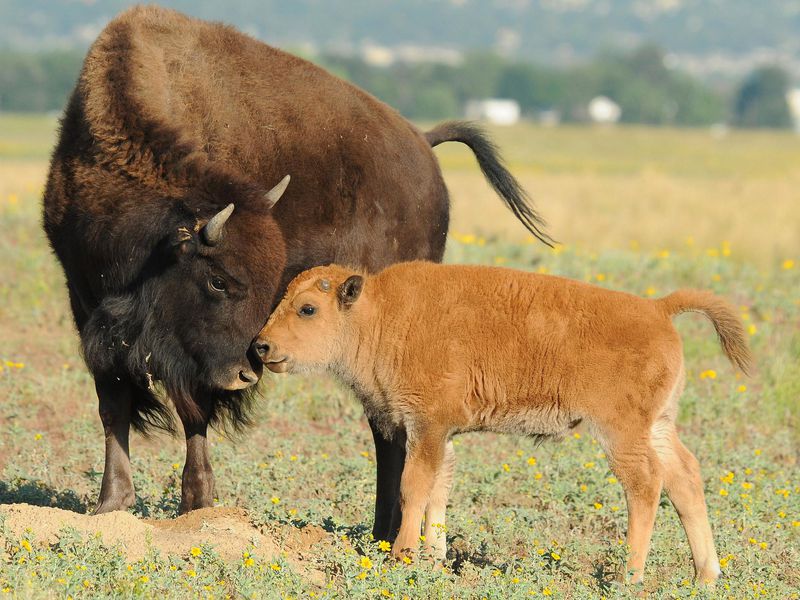
A baby bison had to be put to death because of the stupidity of two tourists. The incident happened at Yellowstone National Park in May 2016. While visiting the park, a father and son spotted a baby bison that “looked like it was cold.” Thinking they were saving the animal’s life, they decided to load it into their Toyota Sequoia. They headed off to a ranger station located in the northeast corner of the park. Unfortunately, this seemingly innocent act of kindness turned out to be harmful for the bison. As a result of human interference, the mother rejected the animal. In the end, the bison had to be euthanized because it started to pose a threat to tourists by approaching them along the roadway.

Two Lions

Two Lions

http://coolfunpedia.blogspot.com

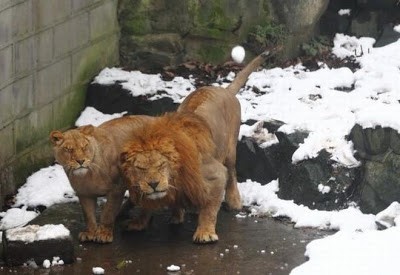
In January 2013, visitors at Hangzhou Zoo abused two lions by throwing snowballs at them. The incident was started by one tourist. With no zoo staff around, other tourists were encouraged to join in. This isn’t the first time that animals from Hangzhou Zoo suffered tourist cruelty. In the past, visitors would throw “anything they could get their hands on at the animals,” such as rocks, water bottles, and even Coke cans.

Another whale shark

shark

http://www.bluespheremedia.com

The abuse happened in Boljoon, a small town located in Cebu, Philippines in 2012.

The poor animal got trapped in the fishing nets of Pablo Trapero, a local fisherman. Trapero decided to drag the nets 100 meters (330 ft) from the shore so that he could set the animal free. After two hours, the fisherman and his neighbors succeeded in untangling the whale shark from the nets. However, by this time, people had already gathered around the poor animal.

It was then that Lestolis got the idea to stand on the back of the whale shark, take a photo, and then upload it to Facebook. After the picture was posted online, she was heavily criticized by Filipino netizens.

As a result of this incident, the local government of Boljoon has established certain measures to prevent this kind of abuse from happening again. Offenders will be fined and jailed.

A swan

swan

http://en.koreaportal.com

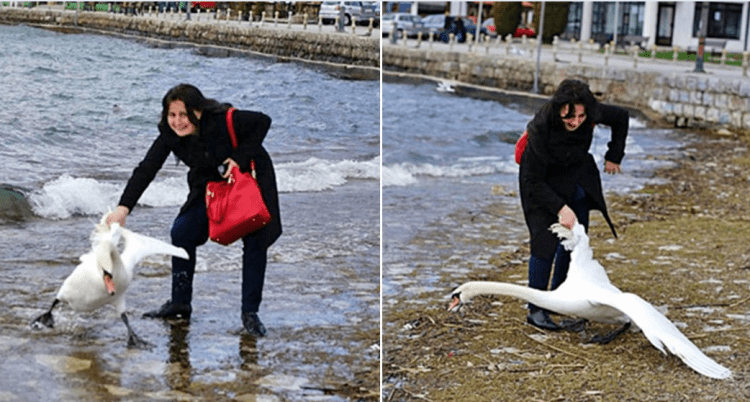
In early 2016, a swan from Macedonia suffered after it was pulled out of the water to be used as a selfie prop. The incident involved a Bulgarian tourist visiting Macedonia’s Lake Ohrid. A local named Nake Batev was at the lake when this unfortunate event happened. According to him, the woman was “roughly handling the bird” and “grabbing for her friends to take the picture.” According to the Macedonian International News Agency, the animal died as a result of the Bulgarian tourist’s rough handling.

Another Dolphin

Dolphin

http://guardianlv.com

In 2013, Chinese citizens were angered when photos of a dying dolphin being mistreated by a group of tourists surfaced on the Internet. The incident happened in Sanya, a city in southern China. The poor dolphin had injuries on its tail, suggesting that it likely collided with a fishing boat.

The dolphin was still alive when a group of tourists saw it on a beach. Instead of helping the dolphin, they abused and took pictures with it.

Rescuers eventually arrived at the scene, but the animal was already dead.

Two Peacocks

Peacocks

https://www.telegraph.co.uk

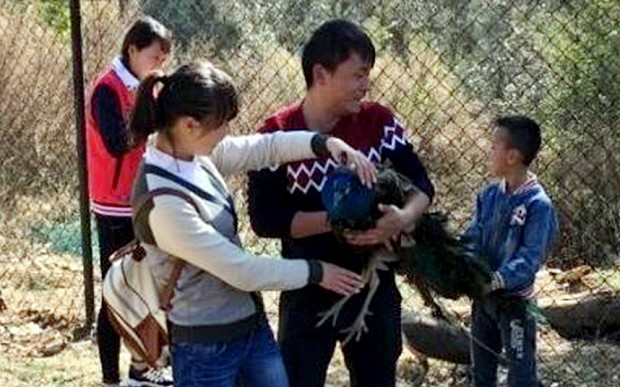
In February 2016, two peacocks died after getting manhandled by a group of Chinese tourists. This unfortunate event happened in the Yunnan Wild Animal Park in the city of Kunming in southwestern China. Zoo officials believe that the peacocks died from shock. A group of tourists wanted to take pictures with the animals. In the process of taking photos, they started to abuse them, roughly handling them and plucking out their feathers.

Sambo the Elephant

Elephant

https://www.independent.co.uk

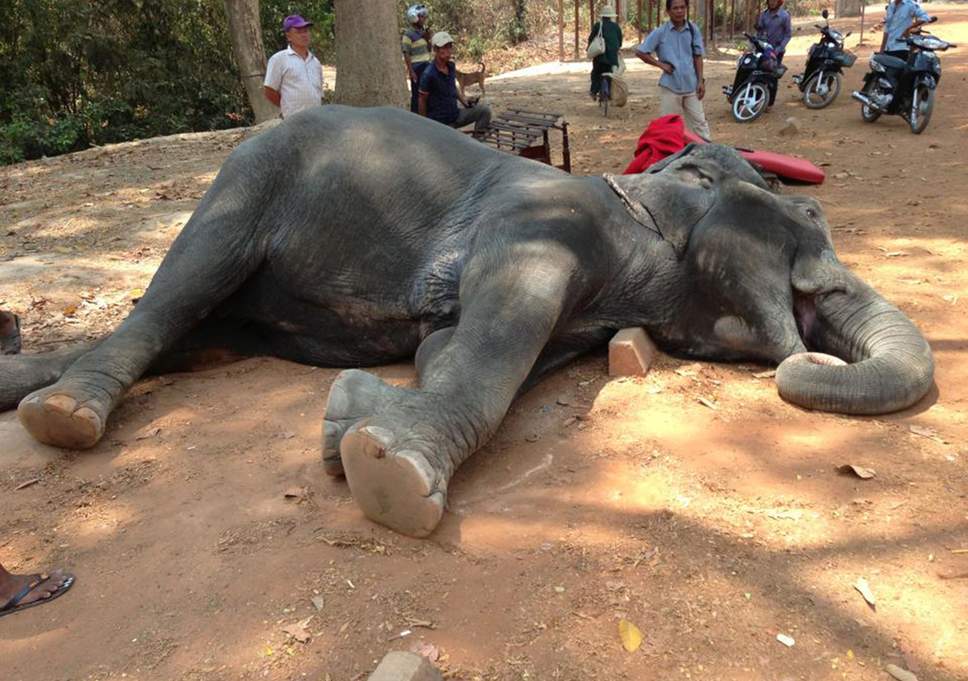
Elephants are common in Cambodia. In fact, a few of them work in the tourism industry. For more than a decade, a female elephant named Sambo carried tourists around Angkor Wat in Siem Reap. Sadly, in 2016, her service ended. She died while carrying tourists around the magnificent city of Angkor. Experts believe that Sambo, who was 40 to 45 years old, died of heat and exhaustion.

Related Content

Fascinating Insect Impostors

Desert Animals with Brilliant Survival Adaptations

Dog likes Hugs


Lies about Dogs We All Believe

0

Understanding the unique and sometimes confusing behaviors and characteristics of dogs plays a large part in our ability to own and care for them correctly. But sometimes, the things we read and hear about dogs are not at all true. In this list, we’ll reveal 10 common lies most of us have always believed to be true about man’s best friend.

They Are Color-Blind

Color-Blind

https://www.thedodo.com

Although a dog’s vision does not enable it to experience colors in the way that we do, they are able to see some colors. Rather than a gray-scale spectrum, dogs tend to see more in yellows, blues, and violets. Nevertheless, dogs have some visual perks that we humans don’t. In the retina of a dog’s eye, there are more rods. This gives dogs superior night vision to humans.

When They Wag Their Tails, It Means They’re Happy

Tails

https://www.cuteness.com

The primary function of a dog’s tail is to communicate. Some gestures are relatively obvious. For example, a tail tucked between the legs shows fear. But what about the wag? If a dog is portraying happiness, its entire back body will generally sway with the tail. A dog whose tail is standing high and wagging slowly is actually indicating caution. If the tail is lowered and wagging frantically, this could suggest that the dog is about to run or fight. Thankfully, this works the other way, too. Sometimes, when your dog’s tail isn’t wagging, he could just be relaxed.

The Larger They Are, The Longer They Live

dogs

http://www.pethealthnetwork.com

Actually, generally speaking, the opposite is true. Although the average life span of small dog breeds such as the Chihuahua and dachshund is around 14–15 years, the average life span of larger breeds such as the Alaskan malamute is 8–10 years. This life span decreases even further for “giant” breeds such as the Saint Bernard, as their average life span is just 5–8 years.

They Can’t See Flat-Screen TVs

Flat-Screen TVs

http://www.scrollguru.com/

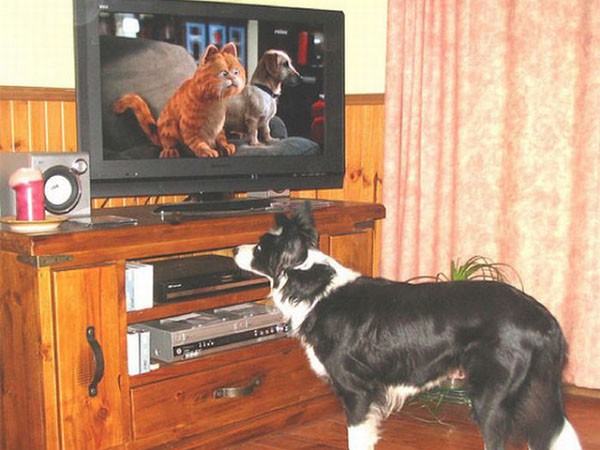
It is often thought that dogs are completely unable to perceive images on a flat-screen TV due to their different experience of vision. However, this isn’t exactly the case. We humans, have a flicker fusion frequency (the number of frames we need to see in one second to perceive a film as continuous without flicker) of around 16–20 frames per second. In dogs, this frequency is much higher, around 40–80 frames per seconds. When they watch a CRT TV, they will just see lots of flickering. The myth that dogs are unable to see images on a flat-screen TV is almost definitely false because the number of frames provided in one second is much higher than the rate produced by old-fashioned TVs. Also, there is definitive proof that dogs react to images on plasma TVs, proving that they are able to see something.

You Should Wake Them Up If They Appear To Be Having A Nightmare

Nightmare

https://www.cuteness.com

Dogs show REM (rapid eye movement) sleep, which is the type of sleep that we have when dreaming. For owners who witness their dogs whining and twitching in their sleep, it can be quite stressful leaving them when they appear to be uncomfortable. Many owners take it upon themselves to break the canine free of its supposed sleepy horrors. However, this could actually be more stressful and harmful to the dog’s health. Dogs tend to nap between 14–16 hours every day, but very little of this is deep sleep. When a dog appears to be dreaming, it is most likely gaining some of that vital deep sleep it requires. Disrupting this sleep could actually be unhealthy for them.

If Their Noses Are Wet, They Are Healthy

Noses Are Wet

https://alphadogpets.com

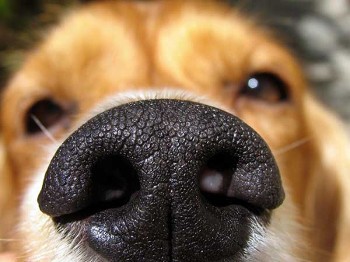
Actually, a dog with a warm, dry nose could be just as healthy as one whose nose is cold and wet. The wetness and temperature of a dog’s nose is not in the slightest a valid or even reliable measurement of its health. A dog with a wet, cold nose could be suffering from a serious illness, just as a dog with a hot, dry nose could be.

Bacon Won’t Harm Them

Bacon

http://listverse.com

For most people, it seems logical that bacon would be a decent treat to gift to your canine companion from time to time. However, bacon can actually be very harmful to dogs and possibly lead to long-term health problems. The rich levels of fat and grease in this pork snack can cause inflammation of the pancreas, which is referred to as pancreatitis. This can lead to your dog digesting food incorrectly and becoming extremely ill.

English Bulldogs Have A Flat Face Due To A Breeding Mistake

Bulldogs

https://www.mirror.co.uk

With its stocky shoulders, jutted-out jaw, and wrinkled skin, the English bulldog is probably one of the most distinguishable of all dog breeds. Despite being such a famous breed, the English bulldog has a shockingly long list of health concerns compared with the average dog. One of the common risks with bulldogs is brachycephalic syndrome. Dogs with this syndrome constantly snort as they struggle to catch their breath.

Ironically, the English bulldog was bred to have this odd facial structure to improve its breathing for its early purpose. The English bulldog was primarily bred for the purpose of bull baiting. This belief encouraged laws to be made in many areas of England stating that bulls had to be baited before being slaughtered. Although the bulldog suffers today due its unique facial shape, the original purpose of this was actually to assist the dog.

They Enjoy Being Hugged

Hugged

https://www.mnn.com

This fact is a little hard-hitting for dog lovers. Between humans, a hug is a loving, comforting gesture. However, dogs don’t quite interpret the act in the same way. To dogs, the positioning of a limb over the body is a showcase of dominance, which makes the dog under the limb feel anxious. However, this isn’t true for all dogs. If a dog has a nervous reaction to the gesture, he will demonstrate this by changing his body language. This is an obvious sign that he is confused by the action, probably wondering what he did wrong.

Dogs Eat Grass When They’re Ill

Dogs

https://moderndogmagazine.com

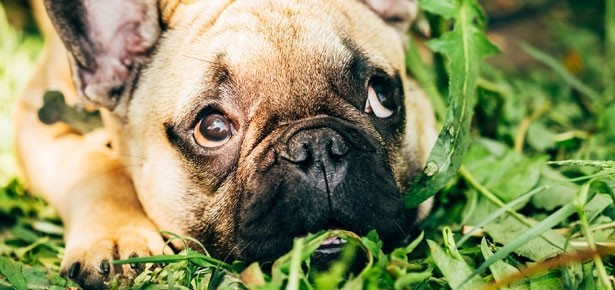
Less than 10 percent of dogs that eat grass appear to be sick. Sometimes, dogs eat grass due to a condition called pica which causes animals to have cravings for anything containing nutrients and minerals they are lacking. Other times, dogs eating grass may be due to territorial factors. Dogs may eat grass to taste who has been on their territory. A more simple explanation for the behavior, however, is just that dogs enjoy the taste of grass.

Related Content

Dog likes Hugs

Animal Species That Are Evolving Right Now

Desert Animals with Brilliant Survival Adaptations


Animal Species That Are Evolving Right Now

0

Usually, evolution is a long, slow process. It can take millions of years before the subtle changes that take place in every living thing become dramatic enough for us to see. However, some species are changing so quickly now that we can actually watch it happen.

Coyotes, Wolves, And Dogs Are Interbreeding

Interbreeding

https://www.smithsonianmag.com

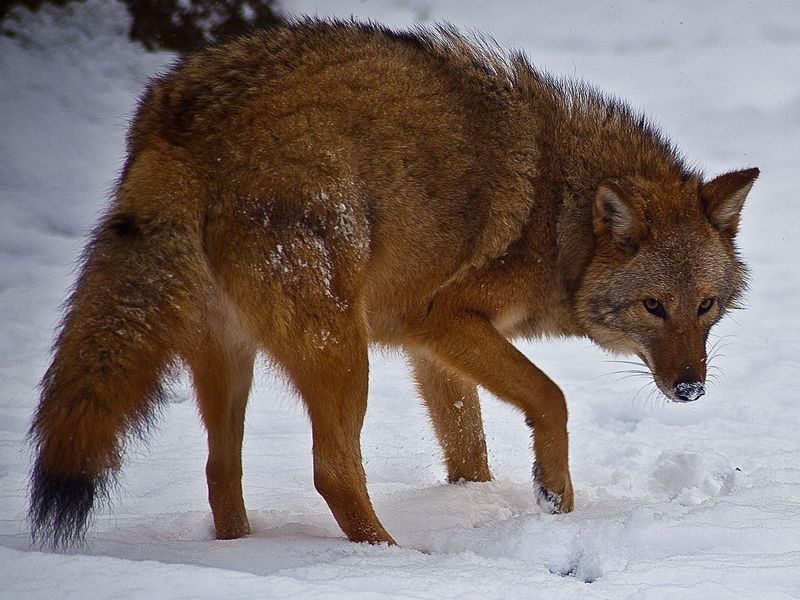
When European settlers made their way through southern Ontario, they killed wolves en masse, decimating their population, to build up farms. Coyotes from the prairies, emboldened by the reduced threat of competing with wolves, moved into their territory. The wolves, which were struggling to find living mates, started to mate with the coyotes and the settlers’ domesticated dogs. Through the three species, the first coywolf was born. It was bigger and stronger t, growing twice as heavy as a coyote. Today, there are millions of coywolves across the eastern coast of North America.

Swallows Are Getting Shorter Wings

Swallows

http://articles.latimes.com

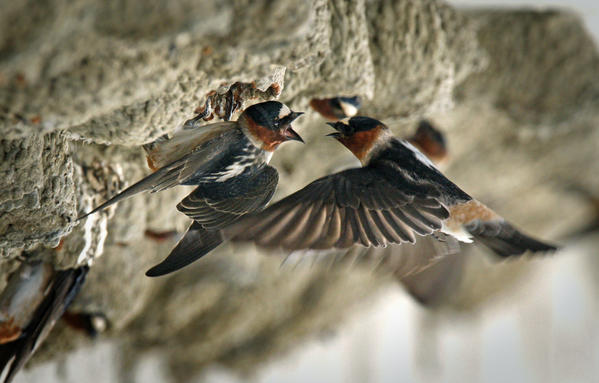
Over the roads of Nebraska, cliff swallows are going through a tiny but significant evolutionary change. Their natural homes, are dangerous places during storms. So the cliff swallows have started to build their homes on highways, bridges, and overpasses that overlook busy roads. The cliff swallows tended to end up as roadkill in their new homes. Then, unexpectedly, the number of dead swallows went down. Researchers found that the birds were starting to evolve shorter wings. It’s a difference of millimeters, but the smaller wings let them shoot up into the air when a car approaches. The swallows have gotten quicker, and because of that, a lot fewer of them are dying.

Lizards Are Evolving To Live Higher In Trees

Lizards

https://www.visionlearning.com

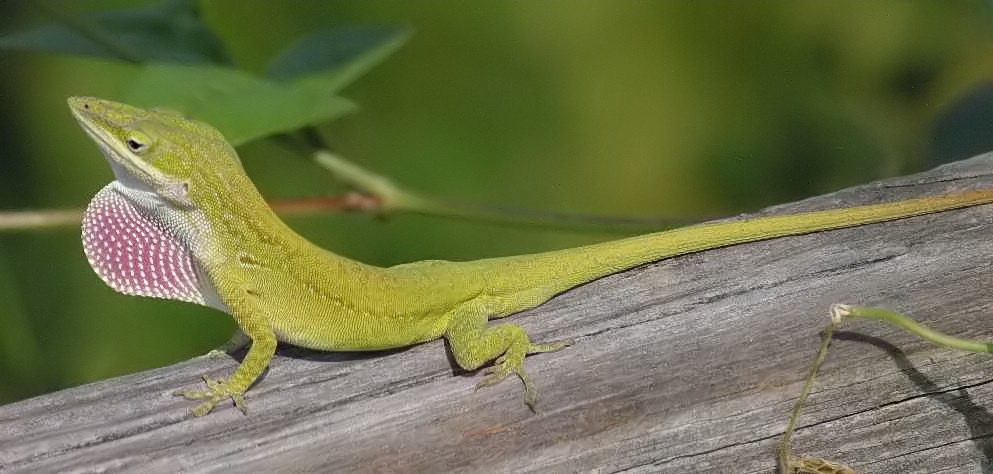
On a group of islands in Florida, a species of lizards called green anoles have gone through a dramatic change in just 15 years.

Their home was invaded by brown anoles from Cuba. The two animals had to compete for food, and the brown anoles had a nasty habit of eating the green anoles’ children. So the green anoles started moving up higher in the trees—and their bodies changed. Over the last 15 years, their toe pads have become bigger and they’ve grown more sticky scales on their feet. These are massive changes for such a short time, and they’ve allowed the green anoles to survive, perched up high in the trees.

Crustaceans In Dark Caves Are Losing Their Vision

Crustaceans

https://blogs.biomedcentral.com

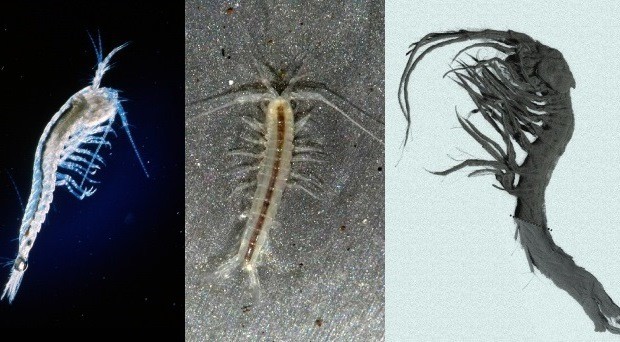
There are crustaceans living in caves that had tiny eyes popping out of the stumpy little stalks in their heads millions of years ago. As they settled into their homes in dark and dank caves, their eyes became useless and faded from their gene pool. The crustaceans can’t see anything, so the eyestalks are slowly starting to disappear. Scientists have also had the chance to track how the crustaceans’ brains are changing. These creatures still have a part of their brains dedicated to vision. But that part of the brain is gradually disappearing because it’s useless.

Owls Are Changing Color

Owls

https://www.sciencenews.org

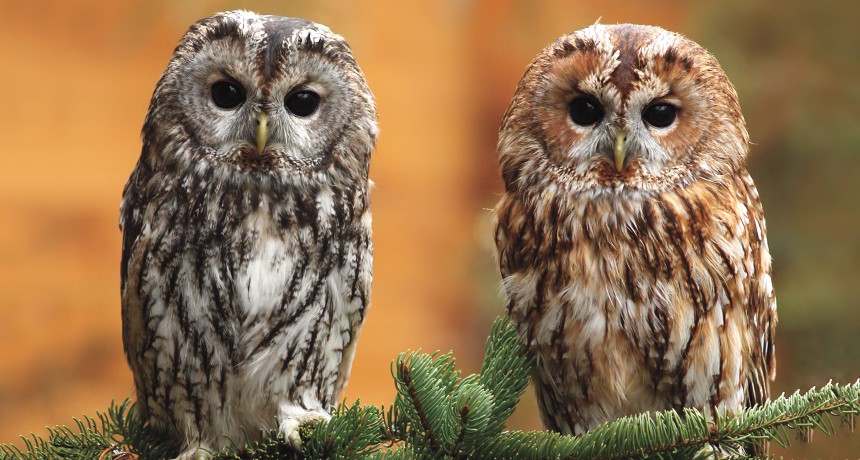
The tawny owls of Finland are changing color—and it might be because of global warming. These owls are born with either brown or gray plumage, and they tend to pass their color down to their kids. Until recently, Finland has been dominated by the gray ones. They’re more resilient during Finland’s harsh winters, so the brown tawny owls tend to die young while the gray ones thrive.

Fish In The Hudson River Are Adapting To Live With Chemicals

Fish

https://news.nationalgeographic.com

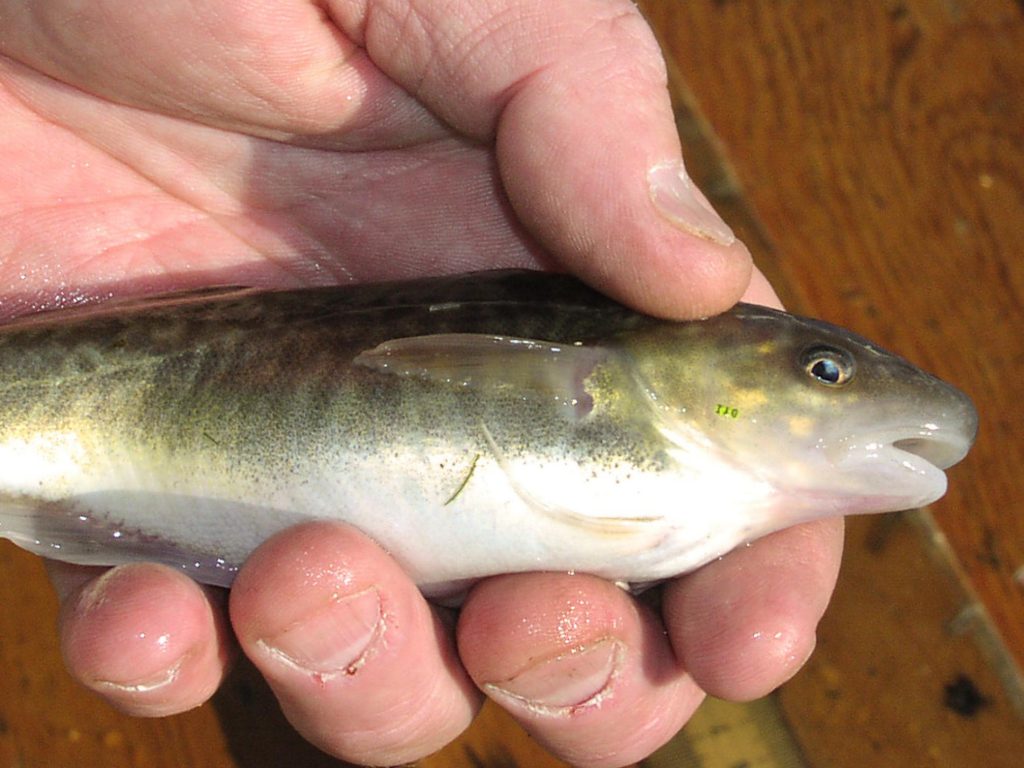
In the Hudson River, there is a tiny species of fish called the Atlantic tomcod that only grows to be 25 centimeters .Along with a whole rich ecosystem, they thrived there for millions of years until industries started dumping chemicals into the river. In particular, chemicals called PCBs eradicated the life in the water. The tomcod, though, adapted, and they’re still thriving in the Hudson. They developed a strange genetic anomaly that keeps them alive—one seen in almost every tomcod in the Hudson. The fish are missing six base pairs of DNA in one of their genes.

Elephants Are Losing Their Tusks

Elephants

https://whyevolutionistrue.wordpress.com

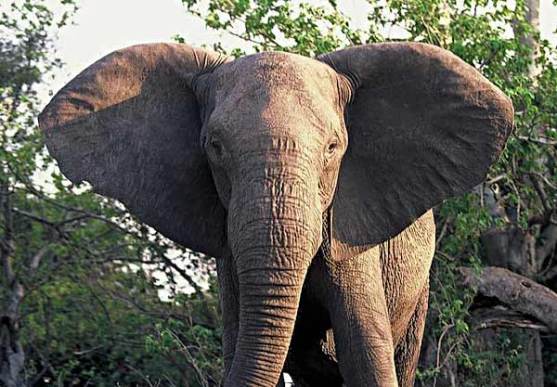
African elephants are changing because of poachers. Normally, having long tusks is an evolutionary advantage for elephants. Poaching, however, tend to target long-tusked elephants, hoping to sell the ivory for a profit. As a result, these elephants tend to die out before they can reproduce. Without the competition, the short-tusked elephants are actually getting the girls, and they’re passing their tiny tusks down to their children. Since the mid-19th century, the average tusk size of an African elephant has halved.

A Flower Grew A Perch For Birds

Perch

http://www.indefenseofplants.com

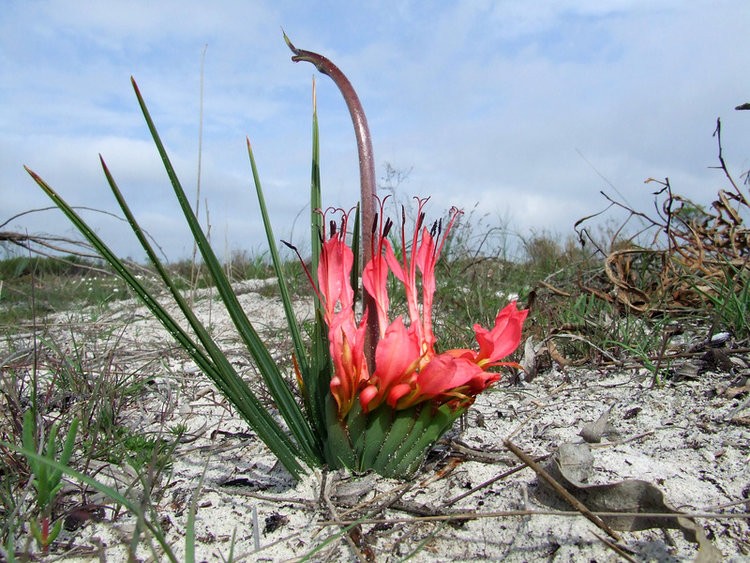
A South African flower called the rat’s tail changes its look based on where it is. It’s a flower surrounded by predators that love to kill birds. As a result, those birds tend to stay away. In some places, though, the rat’s tail has evolved a little perch to invite birds in. These perches are particularly attractive to sunbirds. The perches are exactly the right size for the birds to land on and drink the nectar from the flowers. So every time we see that perch, it’s a little piece of evolution in action.

Mice Are Becoming Immune To Poison

Mice

https://www.bbc.com

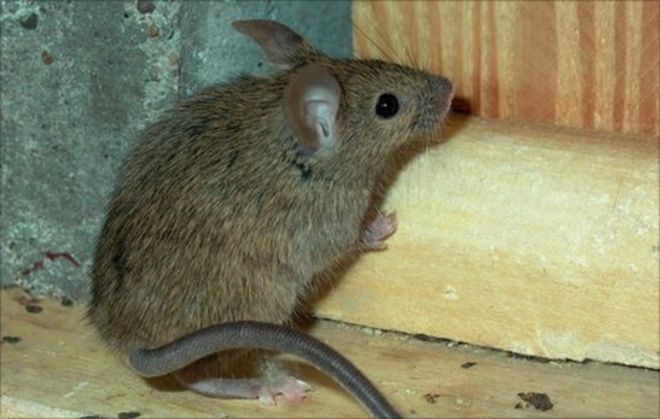
In Germany, some bakers like to take care of mice infestations by setting up traps full of a deadly poison called warfarin. Any mouse that takes a nibble of the poison tends to have a short life afterward.

The mice in Algeria, however, are immune to this poison. So the German mice have started to mate with the Algerian mice, which is causing the German mice to evolve into a new hybrid that carries the immunity of the Algerian mice.

The hybrid mice can nibble away at warfarin without a reaction—and they’re thriving through evolution.

Human Pelvises Are Getting Smaller

Human Pelvises Human Pelvises

https://www.fearlessmother.co.uk

Even humans are changing in small and subtle ways. For one thing, our pelvises are shrinking because of modern medicine. In earlier times, if a woman’s birth canal was too narrow to give birth to a child, she would die during childbirth. However, modern doctors can give those women caesarean sections and help them to live through childbirth. In keeping people alive, though, we’re overcoming a bit of natural selection. These women give birth to children who share their narrow pelvises, and as a result, our pelvises are shrinking.

Related Content

Terrifying Snake Invasions


Harrowing Stories of Man Against Animal

0

On the edges of the wilderness, though, we’re not always so safe. There are times when the predators that prowl our forests turn from their usual prey toward people—and those people have been forced to fight tooth to nail to survive.

The Bridal Party Attacked By Wolves

Wolves

http://afflictor.com

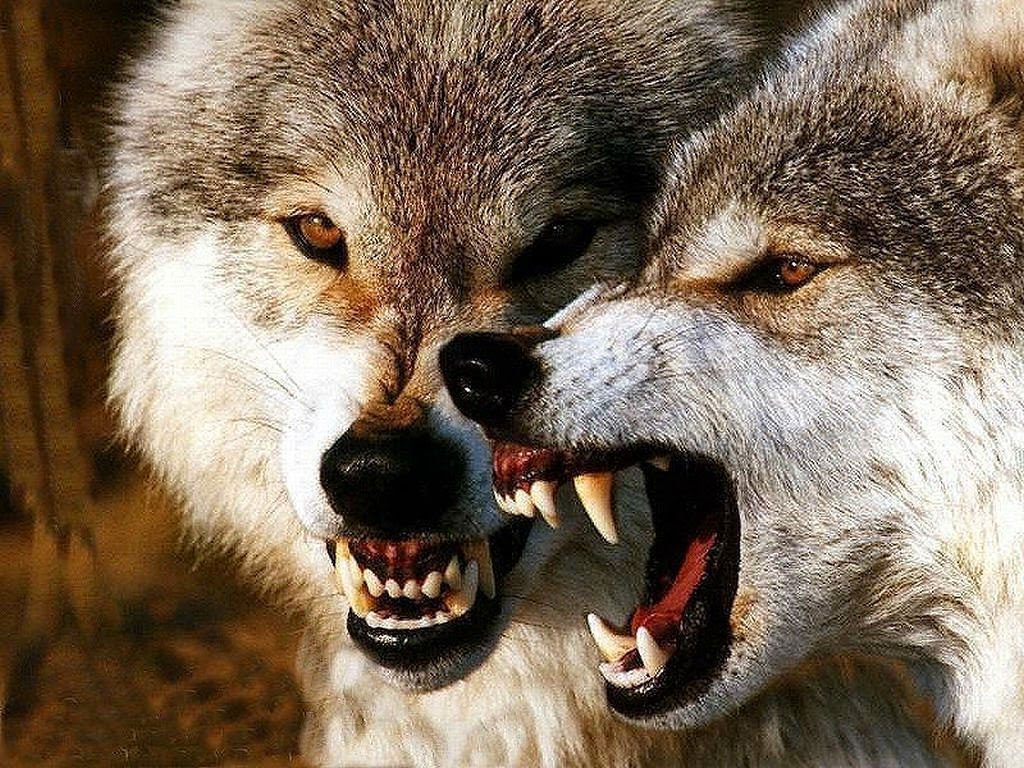
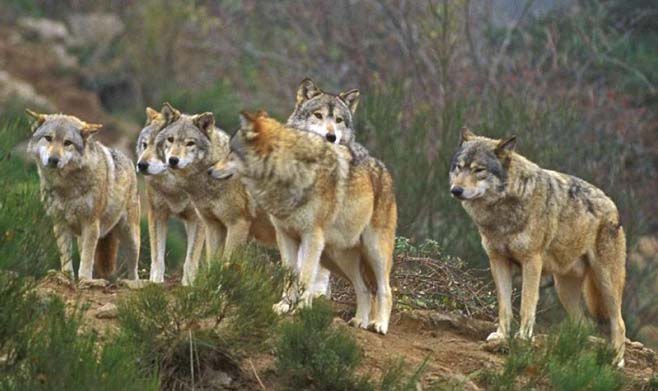
In March 1911, a Russian wedding turned into a massacre. A total of 120 people had gathered in the village of Obstipoff for the ceremony. When the service ended, they prepared for the 32-kilometer (20 mi) trip to Tashkend, where the banquet would be served. The party, had the feeling they were being followed. Then they saw what look liked a black cloud billowing over a hill. As it came closer, they realized what it was: hundreds of frenzied wolves charging straight at them. Every man, woman and child in the sleighs lingering behind were devoured.

Vance Flosenzier Wrestled A Shark

Vance Flosenzier Vance Flosenzier Vance Flosenzier

https://imgur.com

Eight-year-old Jessie Arbogast was playing on the shores of Florida’s Santa Rosa Island in 2001 when a bull shark attacked. His uncle, Vance Flosenzier, rushed into the water. He grabbed the shark and pulled it off his nephew. It let go, but Jessie’s arm came with it, lodged in the shark’s throat. Vance dragged the 91-kilogram (200 lb) shark by the tail onto an embankment. Two park rangers rushed over to help. They shot the shark four times in the head and pried open its mouth. The boy lost most of his blood, and he suffered permanent brain damage from the attack.

Ben Cochrane’s Last Stand

Ben Cochrane

https://imgur.com

In 1922 Ben Cochrane was attacked by a large pack of timber wolves. When searchers arrived at the horrific scene they found the bones of Cochrane’s remains, a rifle with a broken buttstock, and the bones of eleven huge timber wolves. Seven of the wolves had been shot and four had been clubbed to death by Cochrane’s rifle buttstock. Left with no weapon after the stock broke, Cochrane was overwhelmed by the remaining members of the pack.

Tanzania’s Greatest Man-Eater

Tanzania

http://listverse.com

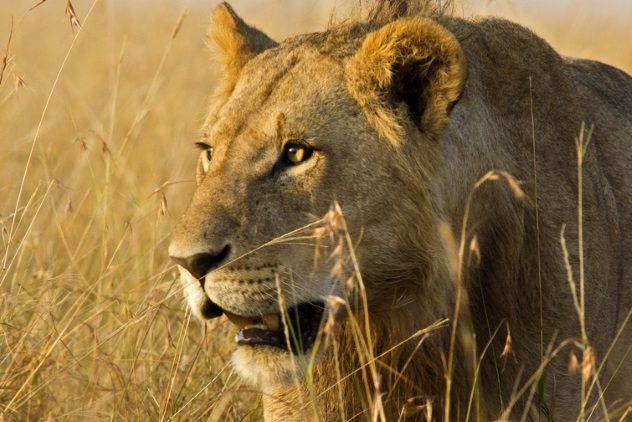
Rufiji River district in Tanzania were ravaged by a man-eating lion. They dubbed him Osama, named for the infamous terrorist. The lion ended at least 35 lives. It was believed that he had been taught to do so by his mother, who had preyed on the townsfolk before him. In 2004, game scouts hunted the lion and killed him. it was determined that Osama had a cracked molar with a large abscess behind it. The toothache may have motivated him to choose tender-bodied humans as prey.

The 62-Year-Old Man Who Fought A Cougar In His Home

Cougar

https://naturalunseenhazards.wordpress.com

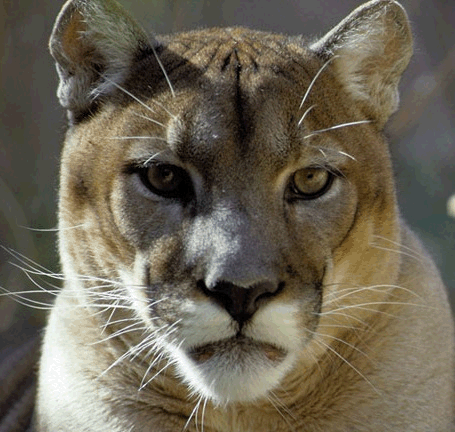
In 1951, Ed McLean was 62 years old and lived alone in a cabin 10 kilometers (6 mi) away from the nearest human life. One day, he saw a cougar watching him. That night, the cougar attacked. McLean managed to kill it by dragging it to kitchen and shoving knife in its body multiple times. He passed out on the floor. He lay there for eight hours, unconscious and dying. Then, at last, someone found him, and Ed McLean survived.

Paul Templar Survived Being Swallowed by A Hippo

Paul Templar

https://www.thesun.co.uk

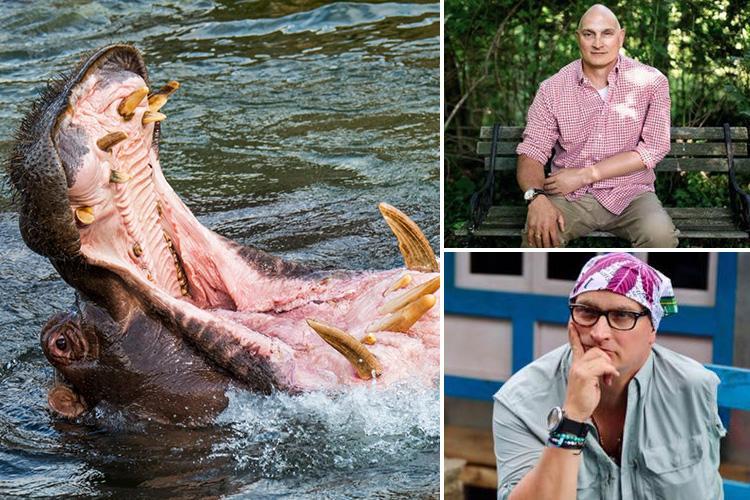
Paul Templar was working as a river guide, taking tourists down the Zambezi River near Victoria Falls, when the hippo attacked. It emerged under another guide’s boat, flinging the man, named Evans, into the water. He managed to grab hold of his friend’s hand—and he then felt a sudden darkness and slime all around him. He was trapped in the hippo’s mouth. The hippo crushed him with its teeth. Then it dragged him down to the bottom of the river to drown him. At last, the hippo lurched up and spat him out. By then, though, there were 40 puncture wounds on his body, and his left arm was crushed to a pulp. It was only by luck that a medical team was close enough to save his life. Evans didn’t make it. His body was found two days later, drifted down the river.

The Town Attacked By Wolves

Wolves Town Attacked By Wolves

http://www.dailymail.co.uk

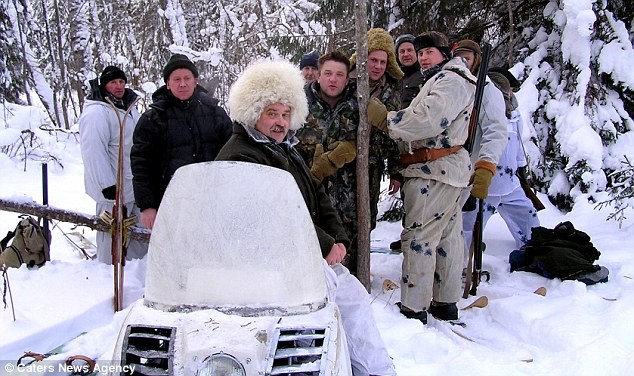
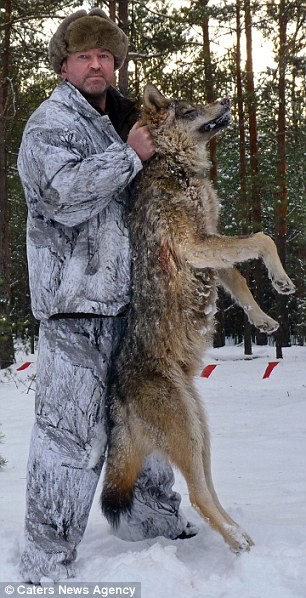
Verkhoyansk is a Siberian town on the Arctic Circle. There are only 1,311 people there in all; they’re outnumbered by the 3,000 wolves in the wilderness around them. When a pack of 400 wolves surrounded the town, they were in trouble. Verkhoyansk fought back. The governor set a bounty of £210 for every wolf pelt claimed and promised a six-figure reward for whoever slaughtered the most of them. By the end, the wolves had killed 313 horses, but the hunters had taken out 700 wolves.

The Wolves Of Paris

Wolves Of Paris

https://johnknifton.com

In winter 1450, the wolves near Paris were starving. The wolves struggled to find food outside. So, instead, they moved their hunts inside the city walls. The walls were still damaged from the Hundred Years’ War, and the wolves were able to slip through. At first, they raided livestock, but they soon became bolder. A pack led by a red wolf with a bobbed tail went into the city and attacked. They devoured 40 people, targeting women and children. A mob chased them until they were at the front of the Cathedral of Notre Dame. There, the people gathered up stones and threw them, stoning the animals to death.

The Grandmother Who Took On A Bear

Grandmother

https://uproxx.com

Sue Aikens was alone at the Kavik River Camp in Alaska, 800 kilomters (500 mi) from the nearest city and 130 kilometers (80 mi) from the closest road. One winter morning in 2007, she went to the river to gather water, was hiding in the river, and when approached, it leaped out and snatched her. The bear rolled her onto her back and bit into her head. Aikens went still and submissive. “Any movement is a sign of encouragement,” she later explained. “When the bear let her go, she went into the camp and patched herself up. Aikens, though, didn’t let it go. She went back out with a gun and shot the bear dead.

The USS Indianapolis Shark Attack

USS Indianapolis USS Indianapolis

https://www.smithsonianmag.com

On July 28, 1945, the USS Indianapolis delivered a cargo that would change the world: the components for the first atomic bomb to be dropped on Japan. On the way, the Indianapolis was attacked by a Japanese submarine. The survivors in the water weren’t safe yet. The blood of the dead drew in sharks. At first, they preyed upon the dead, but in time, they turned to the living. For days, the men waited on the lifeboats. Some died from heat or thirst and fell into the water, where the sharks were waiting. It took four days of being slowly picked off by sharks before a plane spotted the men. Of the 1,196 who were on the ship, only 317 remained.

Related Content

Cute and Funny Baby Animals

Fantastic Little-Known Felines

Islands with Interesting Animal Populations

Terrifying Snake Invasions

0

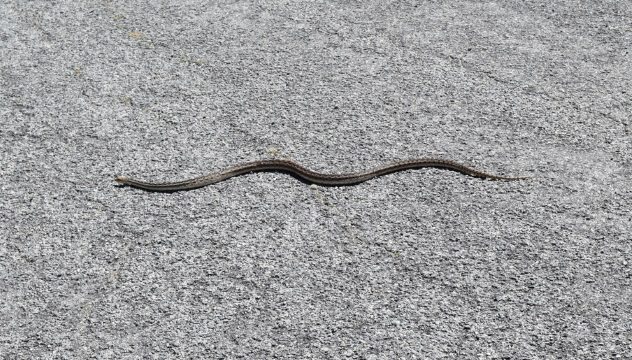
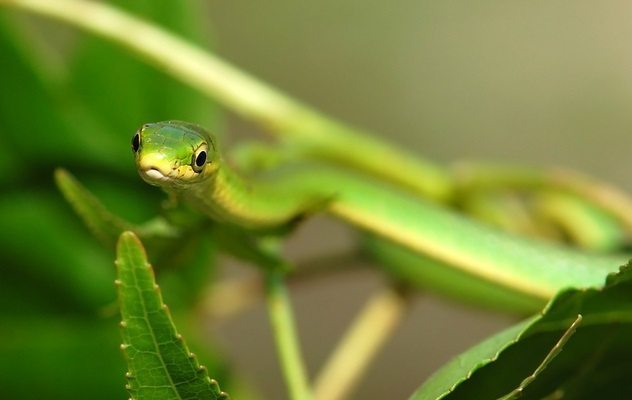
Imagine encountering a snake at home, in your workplace, or another familiar environment that you’ve always regarded as safe. Just such a situation has occurred repeatedly. Recent snake invasions have alarmed citizens and officials alike, led to lawsuits, and prompted eradication efforts by officials. These following bizarre snake invasions happened to others, but they could just as easily happen to you as well.

Dream House Snake Invasions

Snake

https://news.nationalgeographic.com

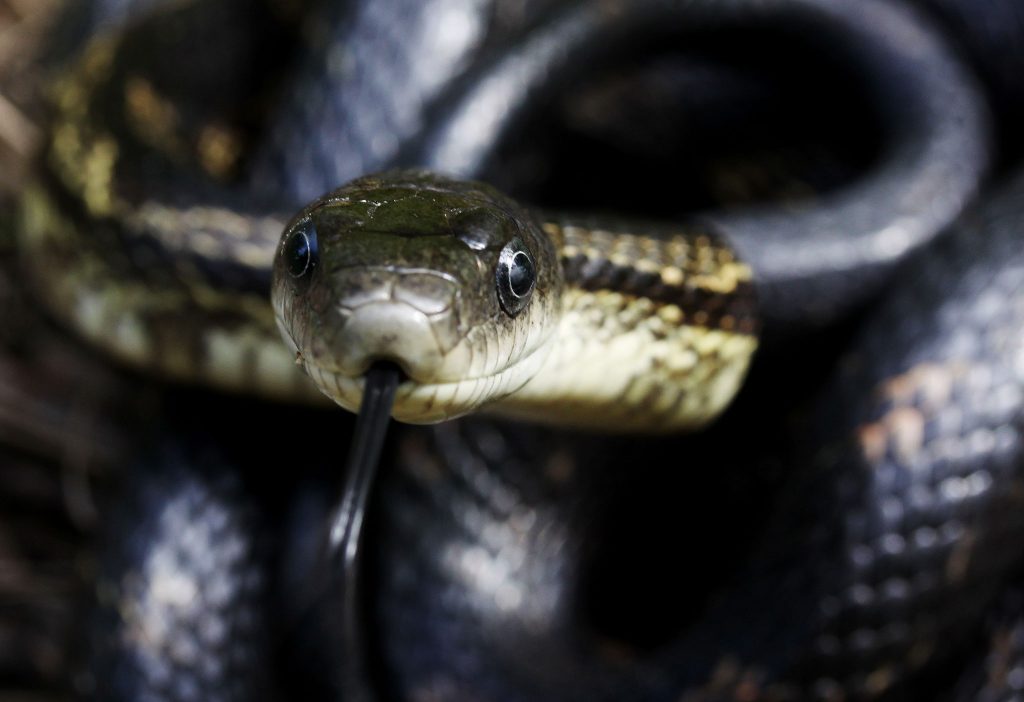
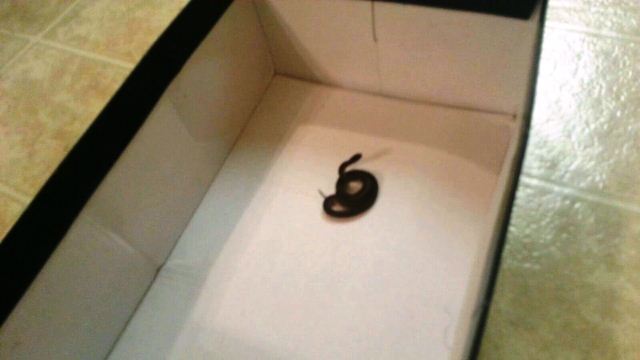
Jeff and Jody Brooks thought they’d found their dream house when they moved into their new residence in Annapolis, Maryland, in December 2015. Instead, they’d occupied a house of horrors. A dozen black rat snakes had invaded their domicile. Months after the family moved into their new home, the couple’s four-year-old son encountered the first of the snakes. Since then, they have found many other snakes, nests, and snake skins. The family deserted the house after they found the third reptile. The snakes range from 1.8 to 2.1 meters (6–7 ft) long. The couple ended up spending $60,000 on pest control. Finally, they sued the previous homeowner, Joan Broseker, and her agent and daughter, Barbara Van Horn, who sold them the house, asking for $2 million, which includes the $410,000 they paid for the house and $1 million in punitive damages.

Apartment Complex

Apartment Complex

https://www.wsbtv.com

Paul Roberston and his wife, Shawn Davis, sued the manager of Bradford Gwinnett, a Norcross, Georgia, apartment complex, where they and other residents live alongside venomous snakes. The manager, they said, has been negligent in controlling snakes that invaded the property sometime in 2013. They’ve encountered half a dozen of the reptiles, including a rat snake and a 1.8-meter-long (6 ft) copperhead. Another resident’s six-year-old son was bitten by one of the snakes. The couple protested the snake invasions by withholding their rent, an action which led to their eviction.

Seniors’ Complex

Seniors’ Complex

http://www.nairaland.com

In 2009, residents of a Manitoba housing complex for seniors, located in Inwood, about 75 kilometers (47 mi) from Winnipeg, began seeing snakes in hallways, on a kitchen counter, in bed, inside a baseboard heater, and on an external wall. One resident, Jim Monkman, said he was exiting his apartment when a snake fell on his shoulder.

Housing Minister Gord Mackintosh vowed to examine the situation immediately. Ralph Eichler, conservative member of the Legislative Assembly for Lakeside, said that Manitoba Housing has known about the problem for years but has taken no action.

Universities

Universities

http://toptenfacts.net

Abuja University of Technology, Abaji, in the Banaskantha district of Gujarat, India, hadn’t even opened before snakes began to take over the campus, living in weeds growing in the area. As a result, the school had to postpone its planned September 2013 opening. In a similar incident, snake invasions have occurred at the South China Normal University and other institutions of higher education in Guangzhou. A student posted a message about her sighting of a 50-centimeter (20 in) green snake she saw on her way to the school’s library.

School

School

http://www.wrdw.com

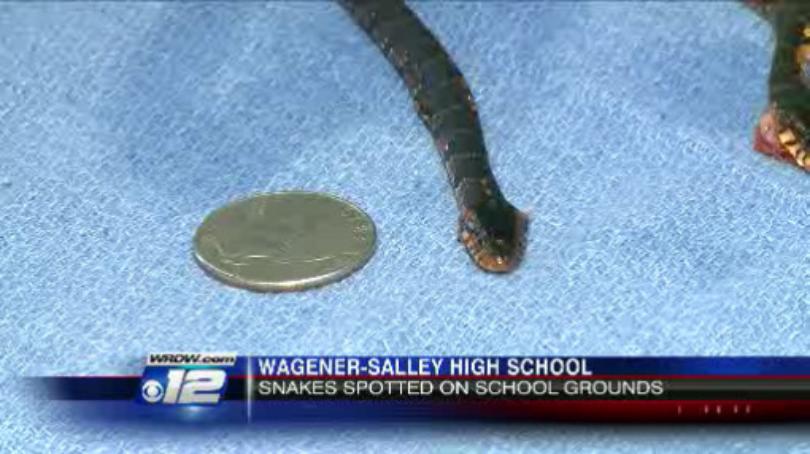
In 2013, 15-centimeter (6 in) snakes invaded Wagener-Salley High School in Wagener, South Carolina. Assistant Principal James Arnold said that ten or so of the snakes were found in buildings and on the school grounds. He believed they were frightened from their hiding places when students returned to school after the summer break.

Down the street from the school,a black rat snake, caused panic at the Wagener Medical Center, and a grass snake was caught at nearby Aiken’s Silver Bluff High School.

Courthouse

Courthouse

https://www.inquisitr.com

Brown DeKay’s snakes, also known as earth snakes, invaded the Hinds County, Mississippi, circuit clerk’s basement office, taking up residence there for several months in the spring of 2013. According to Deputy Clerk Kelly Phillips, the largest of the nonvenomous snakes was the thickness of her finger and several inches long. Although the snakes were harmless, they frightened Phillips and several of her colleagues.

Telecommunications Services Of Trinidad and Tobago

Tobago

http://toptenfacts.net

Employees of the Telecommunications Services of Trinidad and Tobago (TSTT) in San Fernando were not happy about the snakes that invaded their workplace in July 2013.they shut the place down, refusing to work alongside the invaders. Communication Workers Union (CWU) Representative Dylan Charles expressed workers’ concern about unsafe working conditions and said that the company had not adequately addressed the situation. TSTT hired a pest control company to spray the compound, and some of the snakes were killed.

Hospital

Hospital

http://www.nairaland.com

In September 2005, more than 200 snakes were removed from Dike Hospital near Cinderford, Gloucestershire, England. Most were in the hospital’s boiler room, perhaps attracted by the heat. Eric Pritchard, the forest ranger who removed the snakes, said that the boiler room represented a perfect place for a pregnant snake to lay her eggs.

Related Content

Dogs and Babies


Times When Animal Rights Activists Caused Animals To Suffer

Little-Known Facts about Reindeer