Home Blog Page 63

Animals That People Eat Alive

0

I was always raised to avoid eating lobster, because they’re cooked alive. If they’re dead before cooked, they can be quite dangerous, as the bacteria in them spreads much faster than normal. While some people argue that the way they’re cooked means they feel no pain, it’s really a matter of how much trust you put in your chef. But when the animal you’re about to eat is still alive when you bite into it, that’s a pretty different story altogether. Below are few examples of animals that are prepared and consumed alive. Be warned—some of the entries can be quite graphic

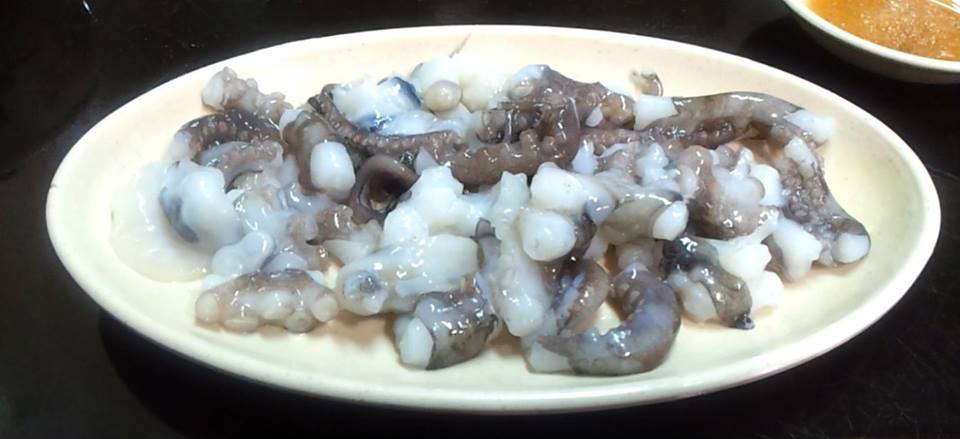
Sannakji
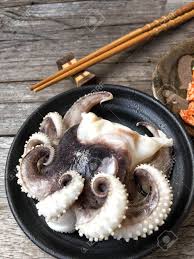
Sannakji Sannakji dish

https://commons.wikimedia.org

Sannakji is a dish served in Korea. Usually seasoned with sesame seeds and sesame oil, the main component of sannakji is nakji, which is a small octopus. The tentacles are usually cut from the live octopus and brought straight out to the customer, although sometimes it is served whole. The main “appeal” of this dish is that when chewed, the tentacles are still wriggling. But because of this, the suction cups on the tentacles are still active also, and so they can become stuck in the throat of whoever’s eating it.

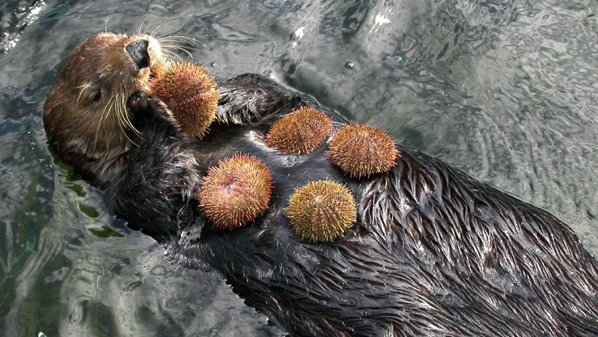
Sea Urchins
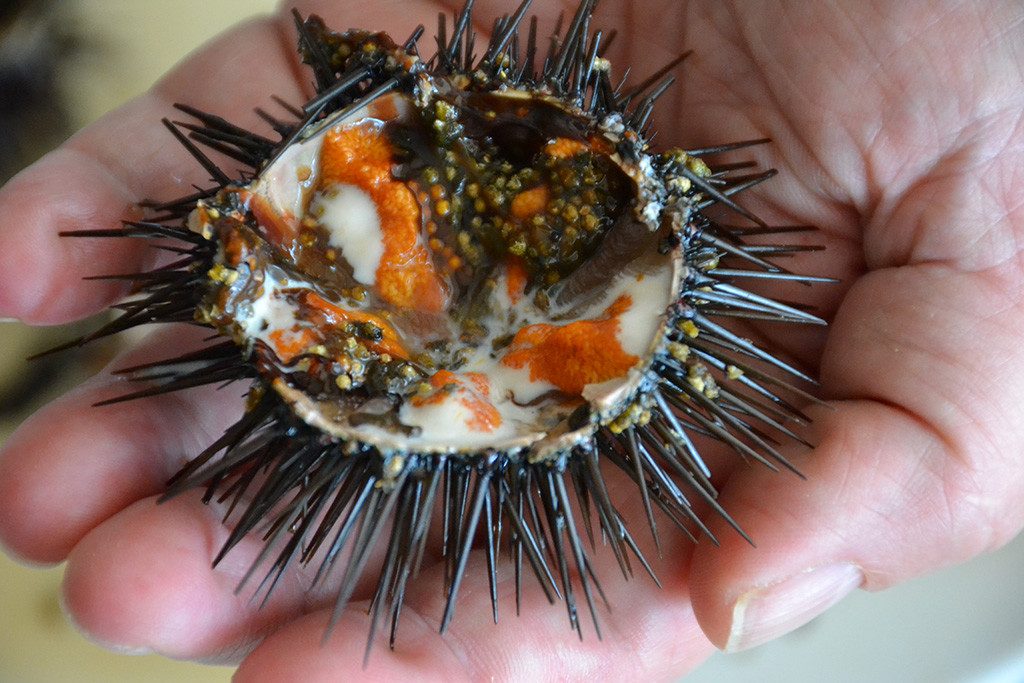
Sea Urchins Sea Urchins

http://katerinaskouzina.com

In Italy, Sea urchins are called Ricci di Mare. Since the edible part—the roe—is on the inside of the sea urchin, there is a special tool to open them up—though it can also be done with a scissors.

They can be eaten with a spoon, although many people prefer to lick them out with their tongues. But given the extremely spiky nature of sea urchins, you’d want to be careful when ingesting them.

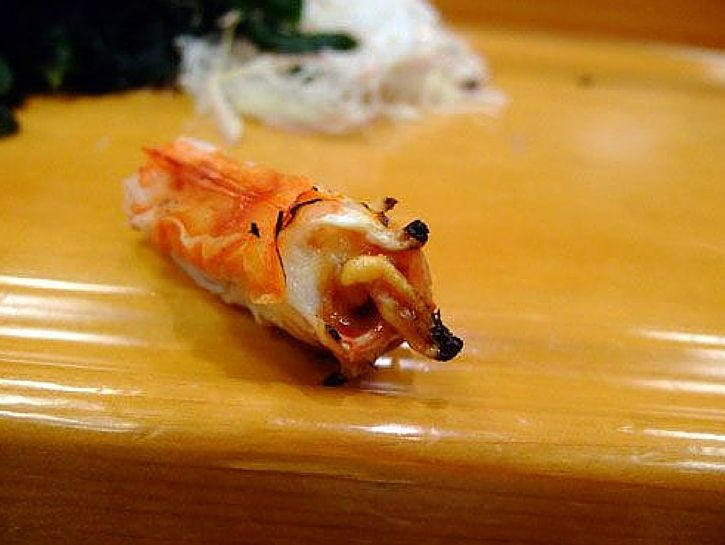
Odori Ebi
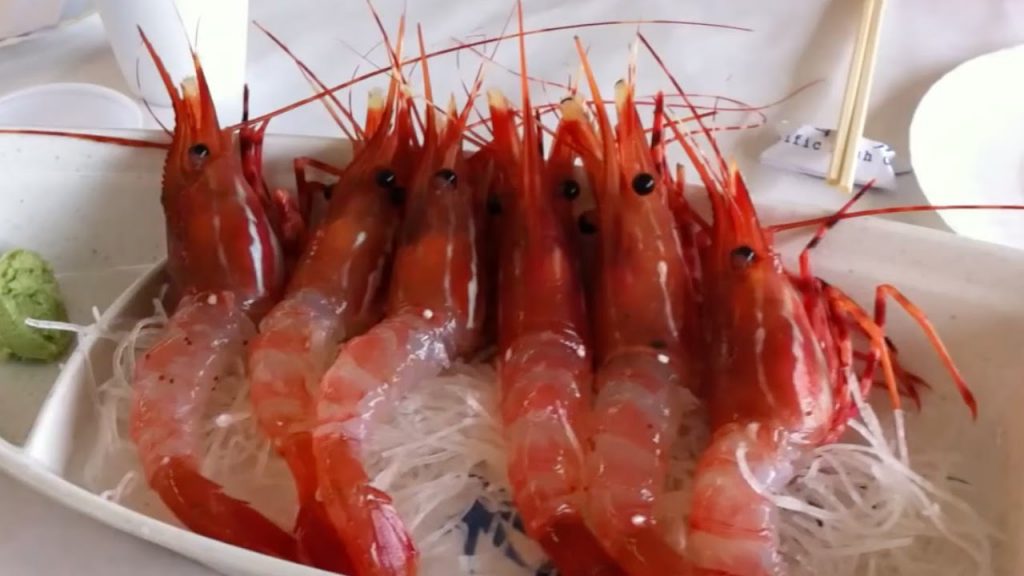
Odori Ebi Odori Ebi

https://www.pinterest.com.au

Odori Ebi is a type of sashimi that contains a baby shrimp. The shrimp has its shell removed, and sometimes its head as well. These can be deep fried and served alongside the rest of the shrimp, which is still moving its legs and antennae while being eaten. The shrimp can be dipped in the alcoholic drink sake to intoxicate it and make it easier to eat. It only dies, finally, when being chewed. Odori Ebi is quite expensive to order in a restaurant, because to serve the shrimp alive, it must be prepared quickly and skillfully.

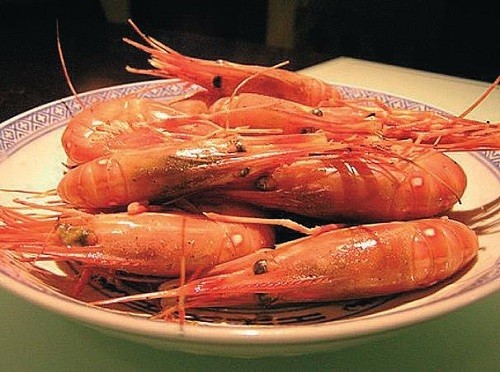
Drunken Shrimp
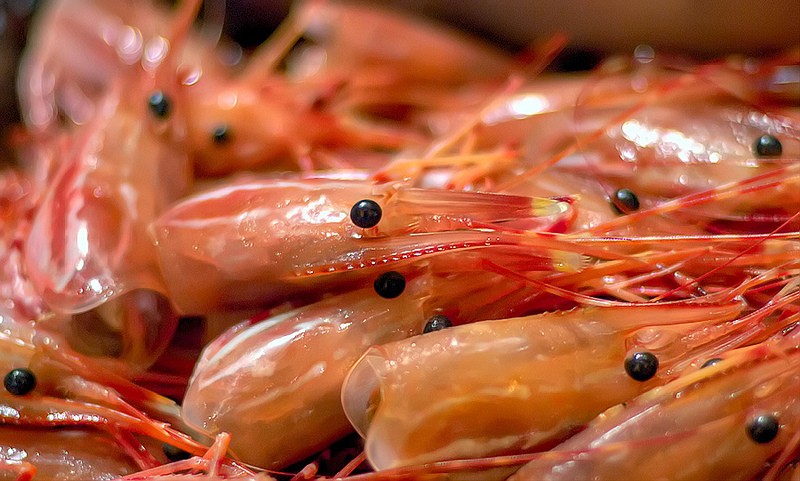
Drunken Shrimp Drunken Shrimp dish

https://safimex.com

Drunken Shrimp comes from China, not Japan, and is not always served live. But when it is, it is always served in a bowl of Baijiu, a drink with about forty to sixty percent alcohol content.

Another main difference is the size of the portions: this recipe involves full grown shrimp, rather than infants.

The shrimps are far more active. They jump around, trying to escape, and the consumer has to catch it and stuff it in his mouth before it gets away. They can even carry on moving after being swallowed—provided you haven’t chewed them to death.

Noma Ant  Salad

Noma Ant  Salad Noma Ant  Salad

http://www.9kudos.com

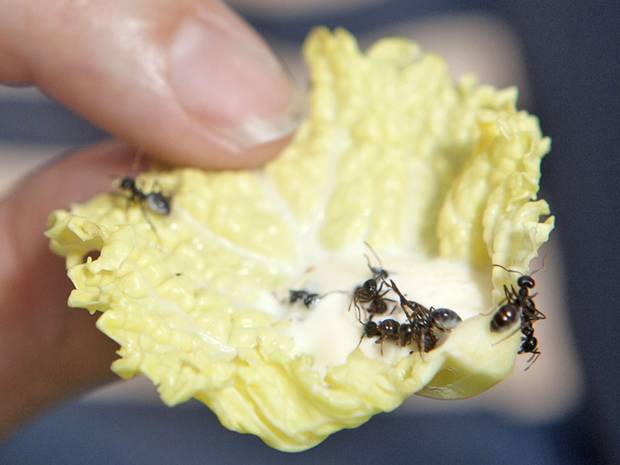
Noma, based primarily in Copenhagen has ranked as the best restaurant in the world for three years now, so it’s not all that surprising to find that they have some innovative ideas. One of these ideas is their salad—their ant salad. They serve a salad crawling with ants, which are chilled so that they move slower, and which are supposed to taste like lemongrass. Plenty of cultures consume insects, true—but not many of these cultures charge over $300 for an insect salad.

Casu Marzu
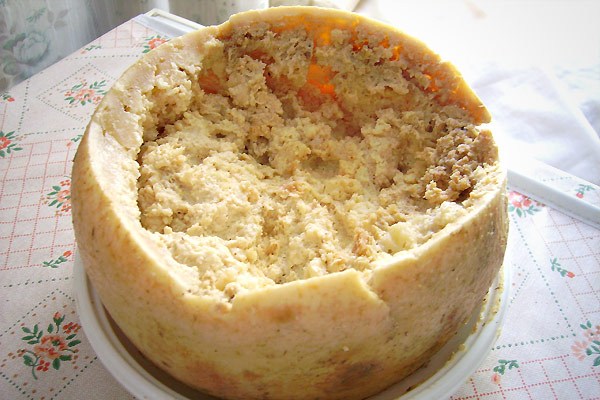
Casu Marzu Casu Marzu

https://alwaysfoodie.com

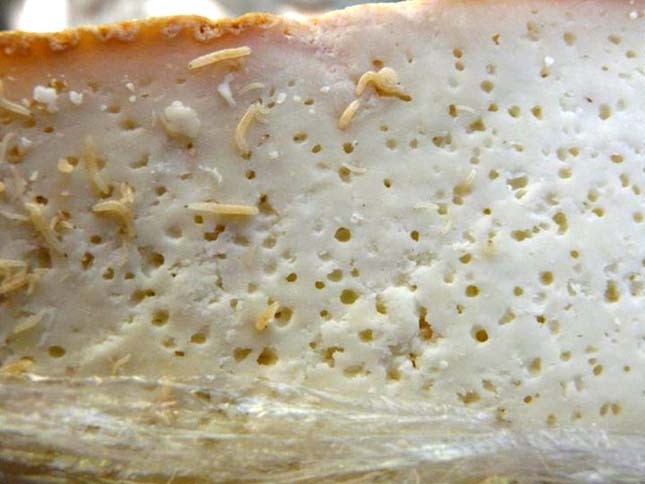
Casu Marzu is a traditional Sardinian cheese made from sheep’s milk. Now obviously milk isn’t an animal, so you must be wondering what this is eaten with. Well the answer is, in my opinion, the most disgusting one so far: maggots. The cheese is brought to a stage that some consider to be decomposition. Larvae of the cheese fly (Piophila casei) are brought to the cheese to help break down its fat. They eat through the cheese, making it soften, and seep a liquid known as lagrima (teardrop). While some people remove the maggots before consumption, many people consume the cheese maggots and all.

Frog Sashimi
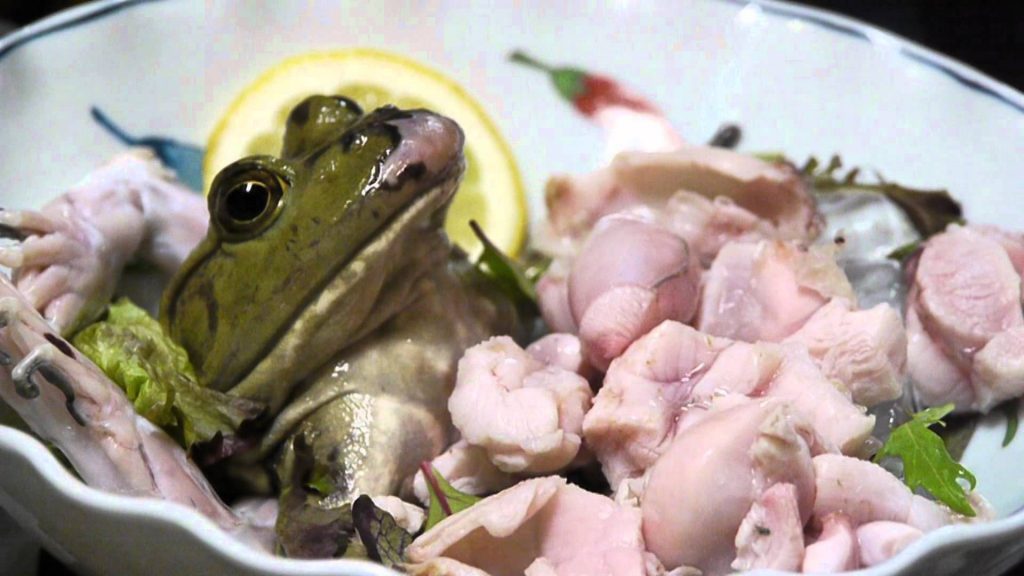
Frog Sashimi

http://www.indianlink.com.au

For this dish, a frog is kept in the kitchen until somebody orders the frog sashimi, at which point it is taken out and sliced open on a cold platter. The sashimi bits are taken off, and then the rest of the frog is simmered to make a soup.

Presumably, if you’re ordering this dish you have no qualms about watching a frog be disemboweled alive in front of you and then cooked for your culinary pleasure

Dish contains, of all things, the still-beating heart of the frog.

Ikizukuri
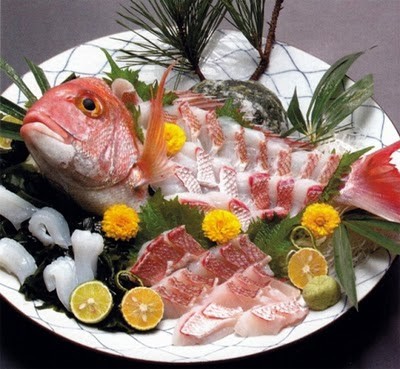
Ikizukuri

http://uminchuproject.tumblr.com

Also a type of sashimi, ikizukuri means “prepared alive”, and is a fish dish. When the fish is selected, the chef will gut it and serve it almost immediately. What sets it apart from other entries in this list is that the point of ikizukuri is for the chef to slice off a few pieces of fish, but leave the whole thing largely intact. Not only that, but the bits that are cut off are to be done in such a way that the person eating it can see the fish’s heart beating and mouth moving while they eat it.

Oysters
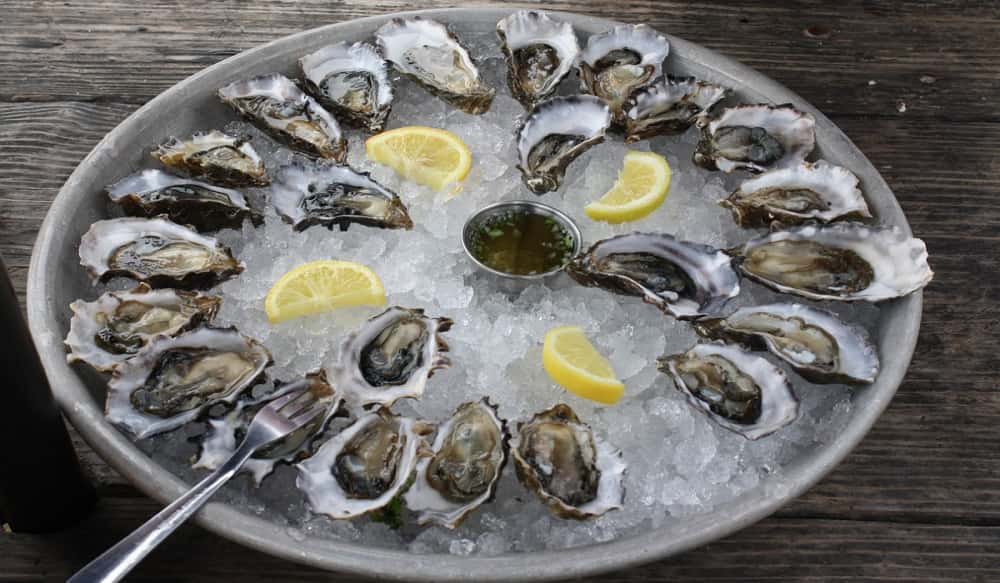
Oysters Oysters

https://www.outdoorhub.com

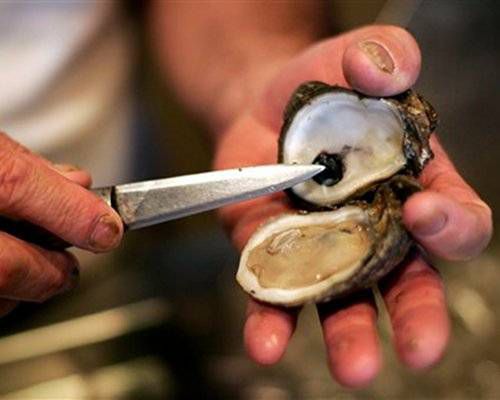
Most people who eat oysters don’t even realize that they’re alive at the time Oysters are generally served live because they deteriorate much faster than most other animals when dead. When their shells are cracked open, they can survive for a significant amount of time. This is why oysters are almost always sucked directly out of their shells.

Related Content

Funny Cats and DogsAnimals Specifically Bred For Blood SportsIncredible Animal Facts

Animals Specifically Bred For Blood Sports

0

Pitting animals against other animals remains a hot topic today. Blood sports, as they are called, are illegal in many countries, although they remain legal in some. A few centuries back, they were perfectly legal and were a pastime. Humans even bred some animals specifically for blood sports. Here are some animals humans specifically bred for blood sports.

Cordoba: Bred for Fighting Dog

Fighting Dog

http://www.dogwallpapers.net

The Cordoba Fighting Dog is an extinct breed of dog specifically bred for dog fighting. It was bred in Cordoba, Argentina, which is where it got its name. It is believed to have been created by crossbreeding Spanish fighting mastiffs and bulldogs with Bull Terriers. The Cordoba Fighting Dog was beloved among dog fighters for its agility and aggressiveness. It readily took on other dogs and even bigger wild animals like pumas. Aggressive Males would even attack and kill females while mating. Humans were not spared, either, since the dog was equally aggressive toward people. The dog finally went extinct when dog fighting was outlawed.

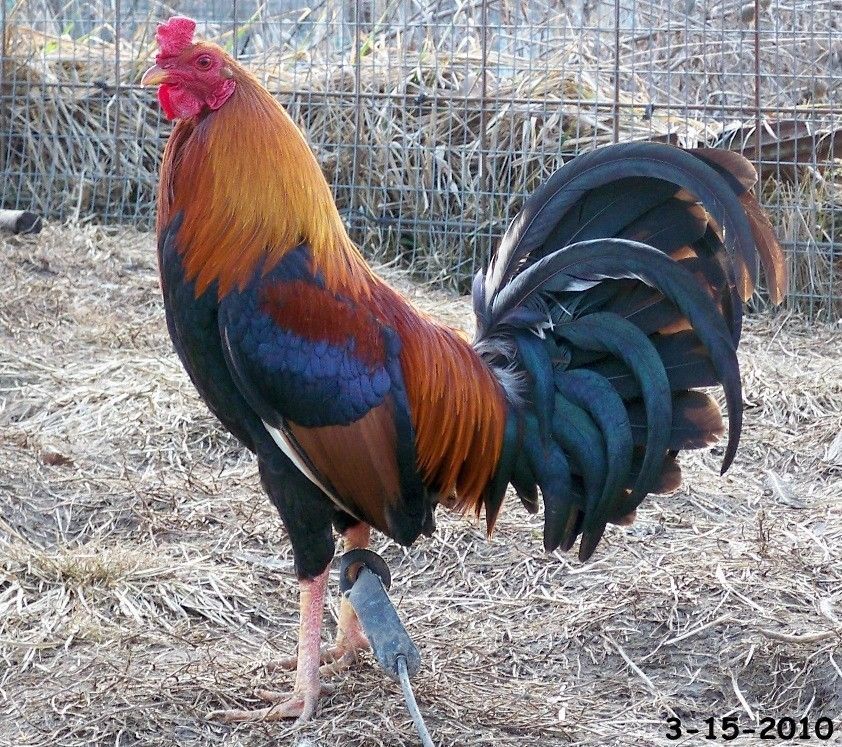
Asil: Bred For: Cockfighting

Cockfighting

https://www.pinterest.com

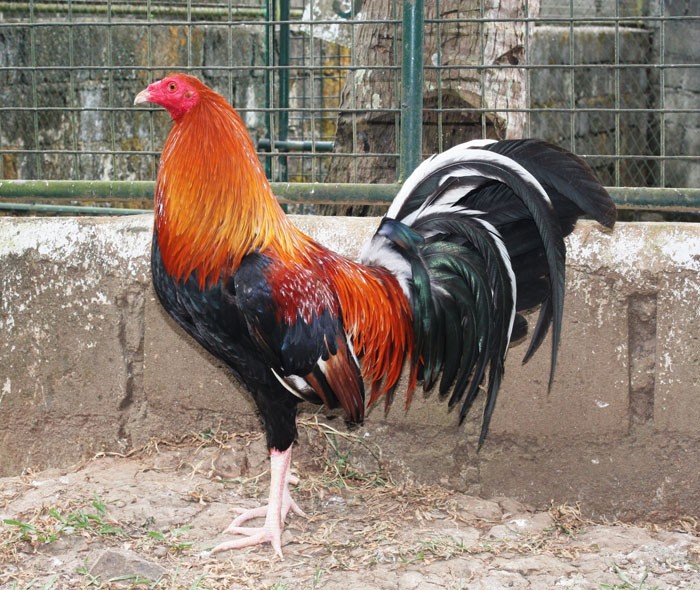
The Asil (sometimes called Aseel) chicken is the oldest chicken breed used for cockfighting. It was first bred for cockfighting in India over 2,000 years ago and has been improved over the centuries. The Asil is a hard fighter. Unlike other cocks, they do not wear artificial spurs during fights.  They use their natural spurs covered in tape. They are also very aggressive and will remain in a fight for days. Defeat is never an option. Young Asil birds will naturally start training and holding mock fights when they are a few weeks old.

Lusitano: Bred For: Bullfighting

Bullfighting

http://www.enjoythealgarve.com

One little-known fact about Spanish bullfights is that during the fight, a matador, called a picador, atop a horse uses his pike to wound the animal’s neck and weaken it. The Lusitano horse is one of the few breeds of horses used by the picador. Sometimes, they are blindfolded and don’t see the bull, while other times, they aren’t blindfolded and are left to skillfully dodge the bull’s horns as the picador tries to stab it. Lusitano horses are favored because of their bravery, calmness, and swiftness. They do not run away like other horses and will even move toward the bull. Cagancho is one famous Lusitano horse. In a career spanning over 11 years, he fought more than 1,000 bulls in over 300 bullfights in Spain, Portugal, Mexico, and France.

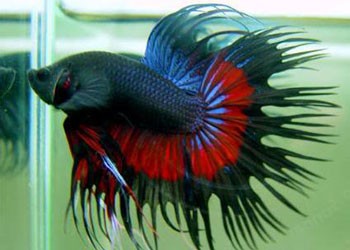
Betta: Bred For Fish Fighting

Fish Fighting

https://www.petworlddirect.ie

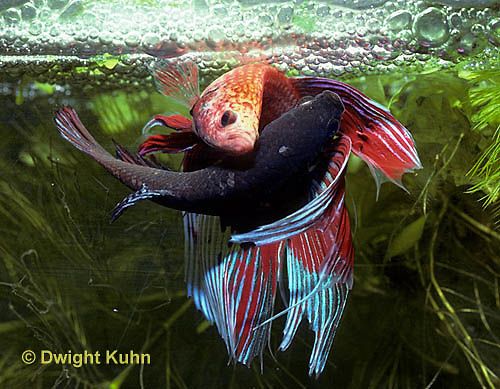
The Betta fish is also known as the Siamese fighting fish because it was bred for fighting in Siam (today’s Thailand). Even their name was derived from the name of a warrior tribe called the Bettah. Bettas have been used for fish fighting since the 1800s, when the people of Siam realized that the fish would fight when put together. The fights usually lasted for few minutes until one retreated, but people soon started breeding them for fighting.

Bull And Terrier: Bred For Dog Fighting

Dog Dog Fighting

http://dogtime.com

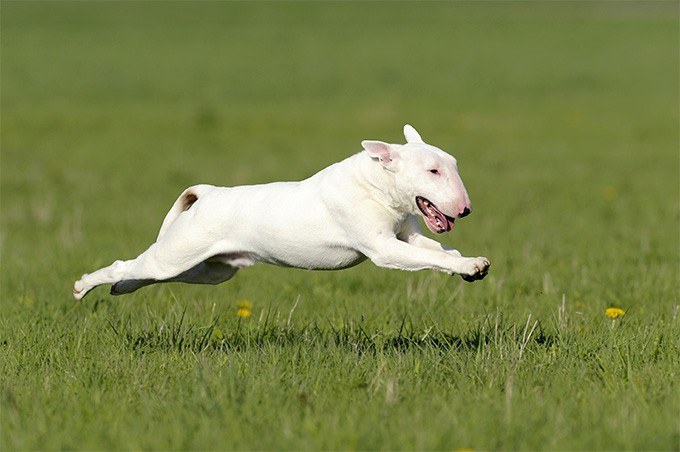
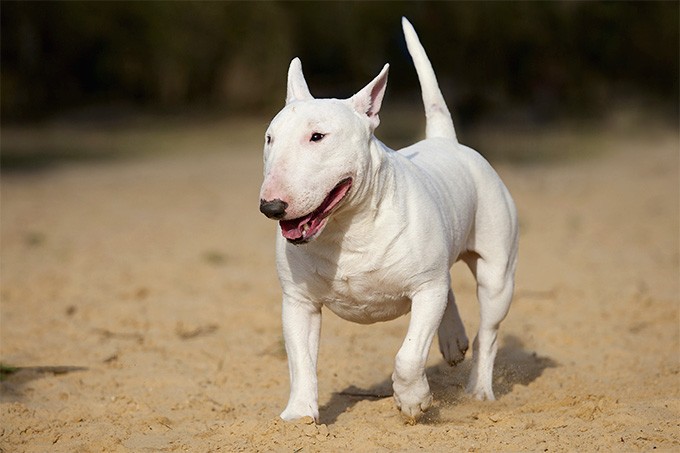
The Bull and Terrier (not to be confused with the Bull Terrier) was a fighting dog bred by crossing a bulldog with a terrier. It is the predecessor of the modern Bull Terrier, among other breeds. Dog fighting became the go-to sport when bullbaiting was made illegal in England in 1835. Fighters needed the dogs to be so small that it could be more easily hidden if the police ever arrived at the fighting scene. This made them cross the Olde Type Bulldog with different terriers. The result was a dog that was as fast and alert as the terrier but with the power and high pain threshold of the bulldog. It fought to death.

Samurai Spiders: Bred For Spider Battles

Spider Battles

http://www.ecologydomain.com

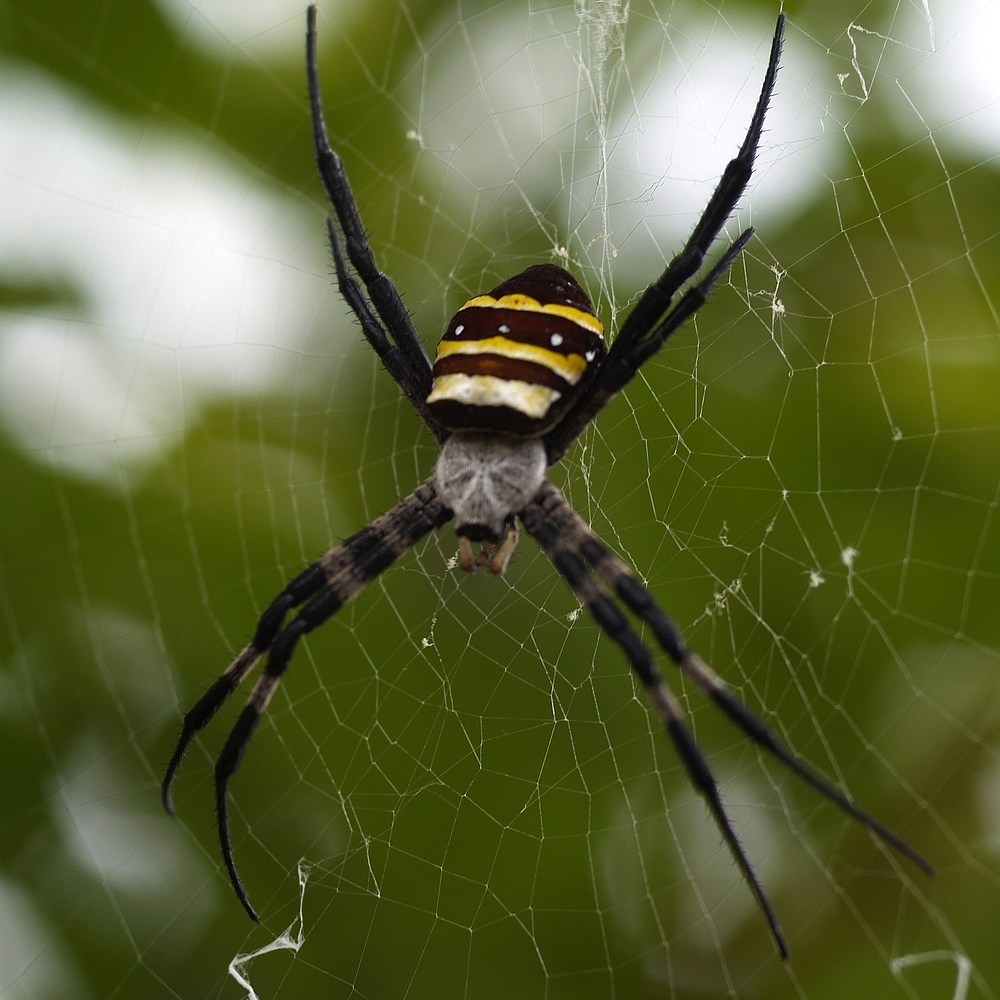
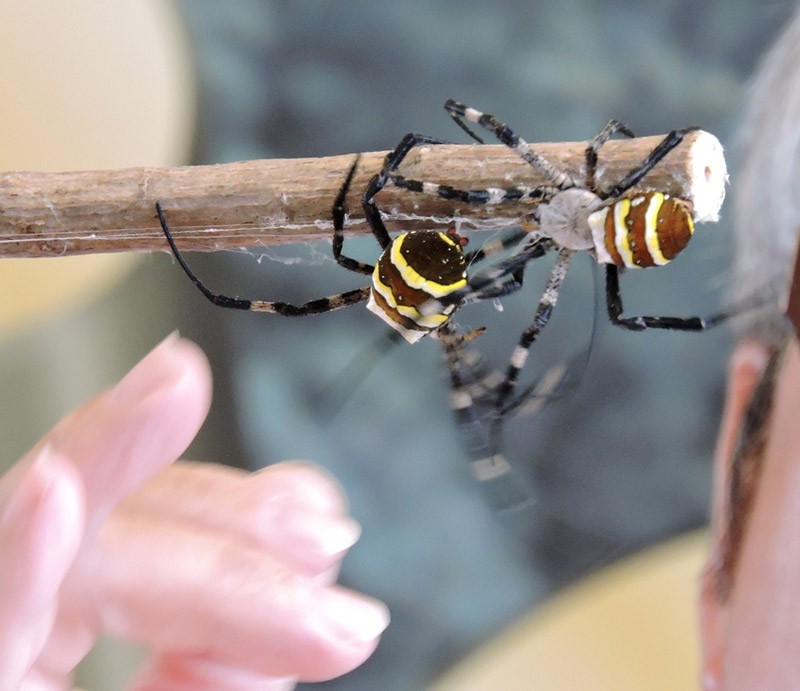
In June every year, residents of the city of Kajiki, Kagoshima, Japan, hold spider battles, which are called kumo gassen. The fights, which have been held for over 400 years, involve pitting two female Argiope amoena spiders, which are also called samurai spiders, against each other. The spiders do not fight to death, and there is always a human referee to separate them whenever a fight becomes messy. Spiders can win a fight in one of three ways: when they bite first, when they capture their opponent with their web, or when they destroy their opponent’s web.

Miura: Bred For Bullfighting

Bullfighting

https://thelastarena.wordpress.com

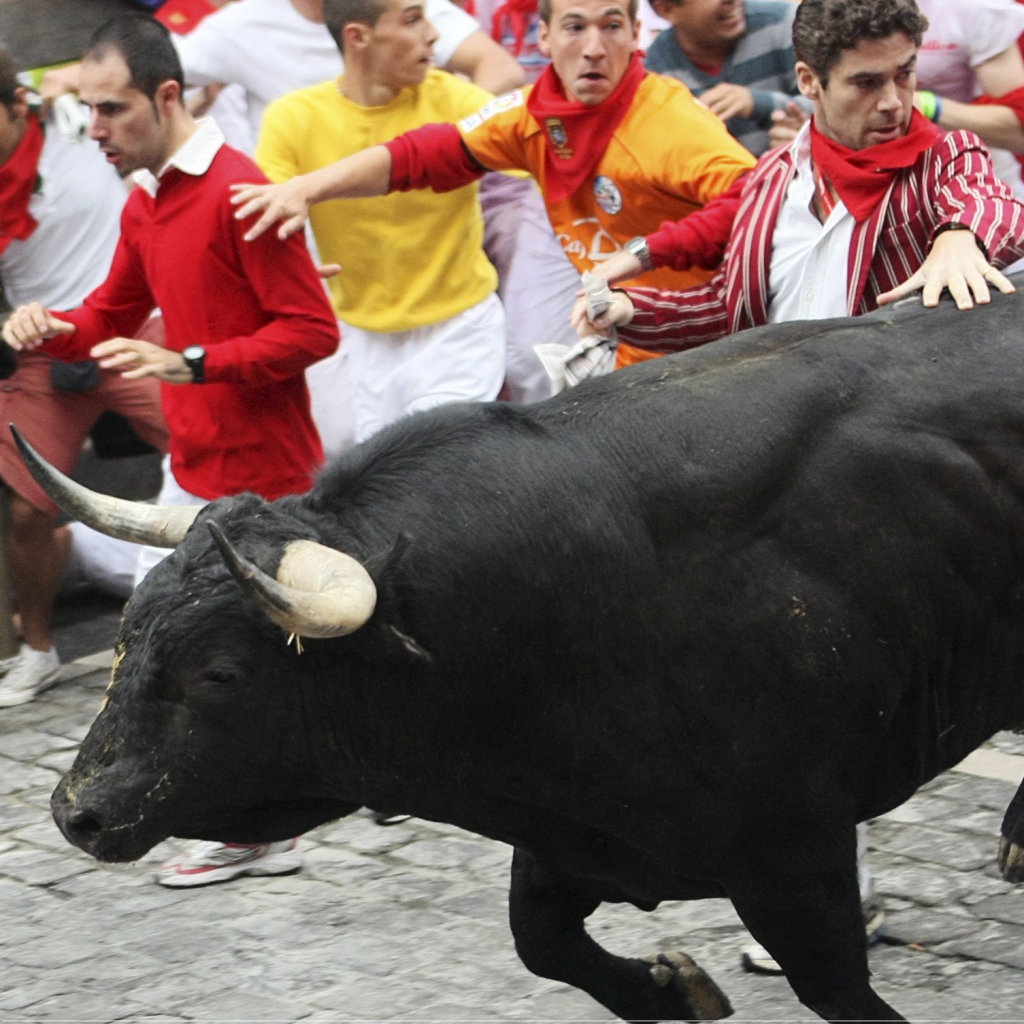
Miura bulls are one of the most hardened of all Spanish fighting bulls. They are bred on a cattle ranch in Seville, Spain, which was originally owned by Don Eduardo Miura Fernandez. The first Miura bull graced the bullring on April 30, 1849. Miura bulls are known for being big and aggressive. One Miura bull named Murcielago, survived 24 stabbings from a picador in 1879. The bull was later spared.

Kelso: Bred For Cockfighting

Cockfighting

http://www.firebirdgamefarm.com

Kelso cocks are a breed of cockfighting chickens originally bred by Walter Kelso. Kelso created the gene pool by buying winning cocks after fights and crossbreeding them with other hens. These days, the Kelso cock has its own subbreeds. In the Philippines, there is the Firebird Kelso breed, which is bred by Sir Biboy Enriquez, who is regarded as “the Kelso Man of the Philippines.”

Related Content

Strange Things People Used To Believe About AnimalsAnimals That Can Detect What Humans Can’tPet Alligator

Incredible Animal Facts
0

Our understanding of the natural world around us is continually evolving, as new ideas and developments supersede those of the past. There were many unbelievable discoveries made in recent year that scientists are incredibly excited about. Including some, that could lead to significant advances in the fields of medicine and robotics.

Chimps Can Learn to Play Rock, Paper, Scissors

Chimps

https://www.independent.co.uk

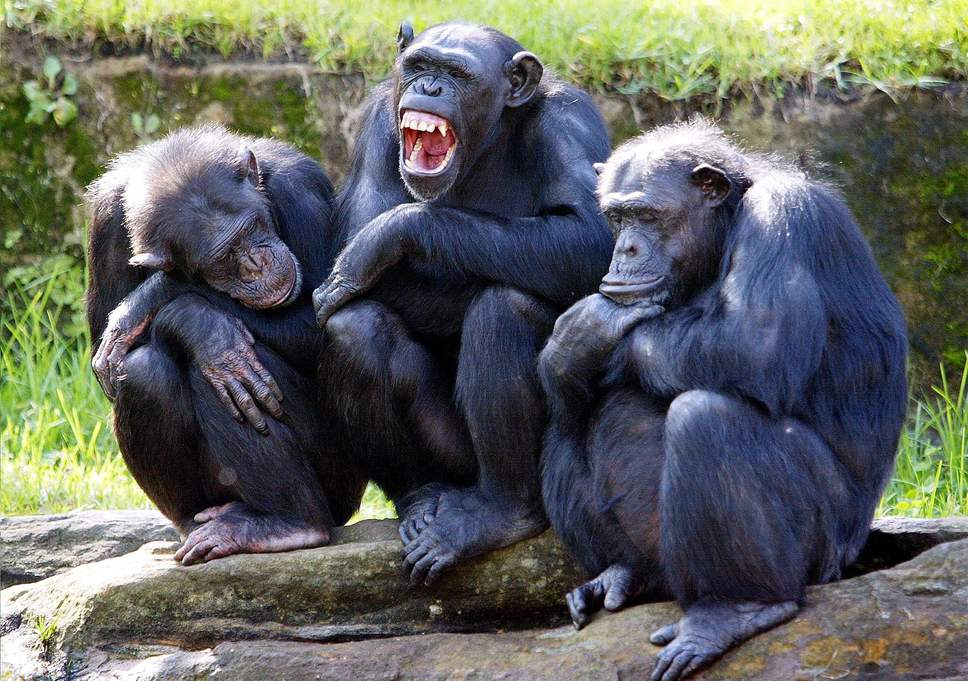
a Japanese study showed that chimpanzees have the ability to learn the rules of rock, paper, scissors and perform similarly to a four-year-old child. During the trials, the chimps took longer to learn the relationships between various combinations than children, who usually corrected their mistakes after one wrong choice. The chimps seemed to struggle particularly hard with the idea that scissors beat paper. The research team’s next goal is to teach chimpanzees how to play against one another.

Scientists Discover the Hidden City of Octlantis

City of Octlantis

http://www.dailymail.co.uk

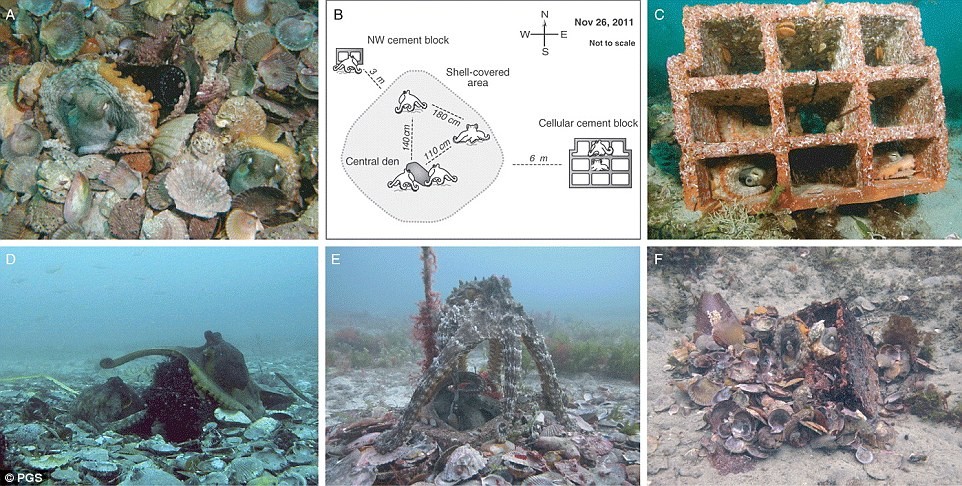
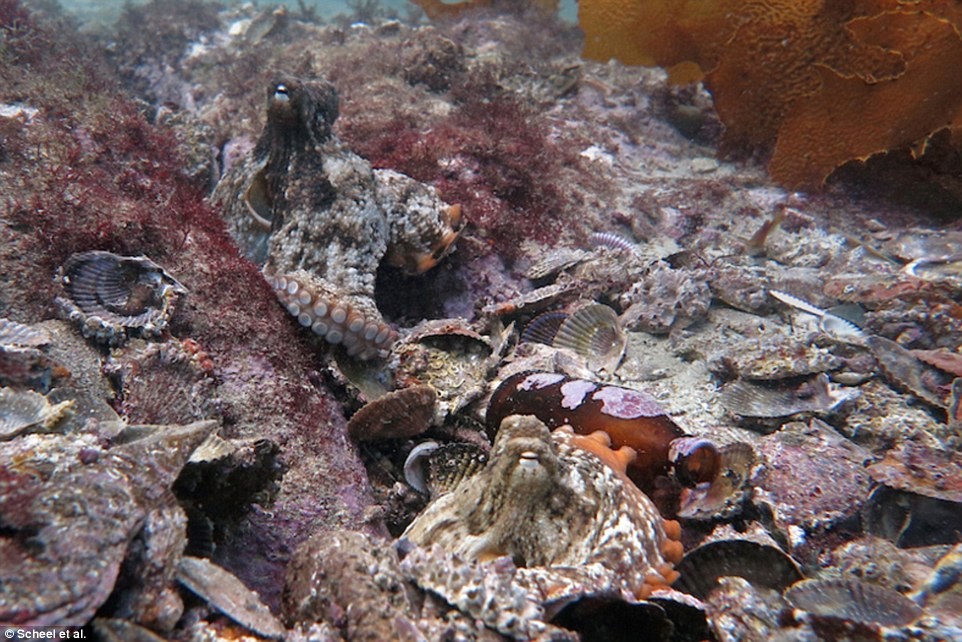
The site, dubbed Octlantis, consists roughly of two dozen dens made out of rocks and shells. The cephalopods have been observed assembling together, communicating, and even fighting with each other when one octopus got too close to another one’s den. it is not exactly surprising to scientists, as octopuses consistently rank among the most intelligent animals in the world.

Marine Biologists Find the Spider-Man Snail

Marine Biologists

https://www.ibtimes.co.uk

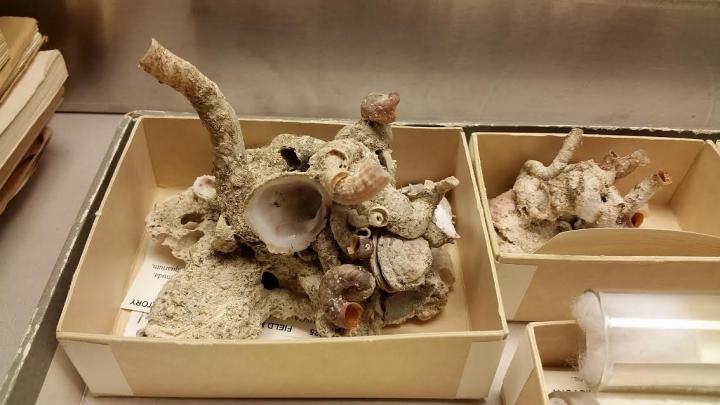
A newly-discovered marine snail is drawing comparisons to Marvel’s fictional superhero Spider-Man for its web-shooting abilities. First reported back in April, the worm-snail was named Thylacodes vandyensis after the location where it was discovered, an artificial reef made out of the USNS General Hoyt S. Vanderberg aka the Vandy.

Spider-Man Snail can shoot ultra-resistant spider webs. Any microorganisms that get stuck on the web are pulled in and strained through a filter-feeding system similar to that of baleen whales. It is possible the net also contains certain chemical agents that act as deterrents to predators.

Naked Mole-Rats Have Plant-Like Ability

Naked Mole-Rats

https://www.npr.org

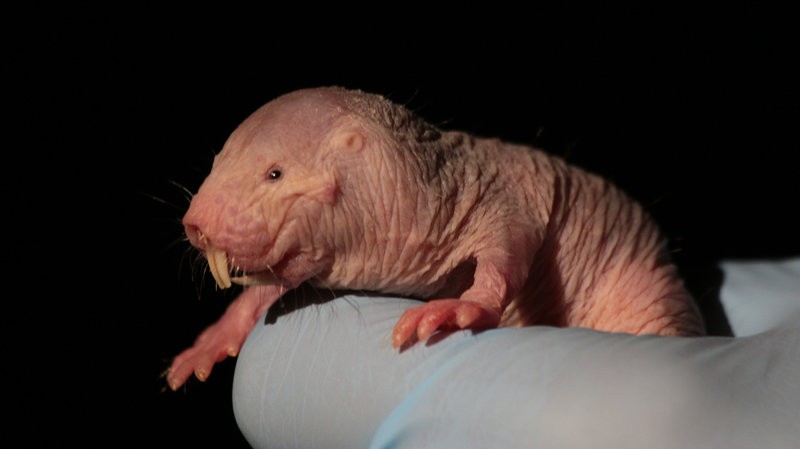
The naked mole-rat is one of the most bizarre-looking mammals on the planet. This animal has a lifespan exceeding 30 years which is up to ten times longer than that of other rodents. The naked mole-rat has a variety of characteristics. As it turns out, the animal borrows a trick from plants.

The naked mole-rat’s body is capable of metabolizing fructose instead of glucose, a process which requires little to no oxygen. The resulting energy is delivered to vital areas such as the heart or the brain. A transporter molecule named GLUT5 is necessary for this process. While most mammals only have it in their liver and kidney, naked mole-rats have it throughout their entire bodies.

Fire Ants Build Their Own Eiffel Tower

Eiffel Tower Ants Eiffel Tower

https://omgfacts.com

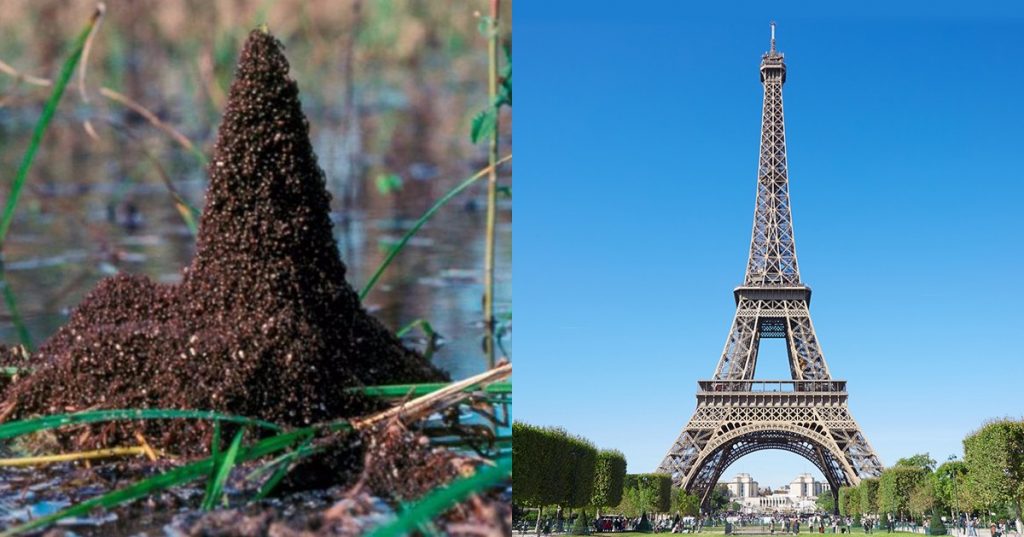
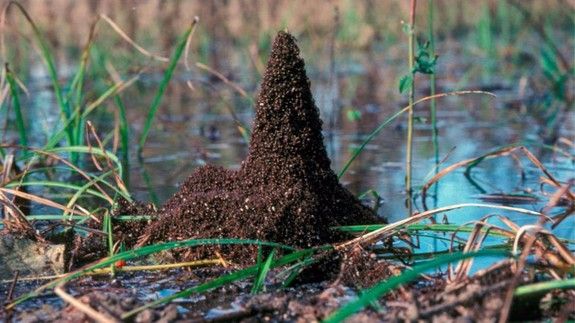
A new study from the Georgia Institute of Technology looks at fire ants and how they are capable of constructing tall structures out of their own bodies in order to navigate tall obstructions blocking their path. These ants can build towers which are several inches tall without a leader or coordinated effort through simple trial-and-error. Several researchers have noticed that the ant structures share multiple characteristics with the iconic Eiffel Tower. This is not the first time that fire ants proved their engineering prowess. Back in 2014, another study showed that they can also form rafts which are waterproof and can stay afloat for months.

Tuna Fish Improve Speed and Maneuverability Using Hydraulics

Hydraulics

https://phys.org

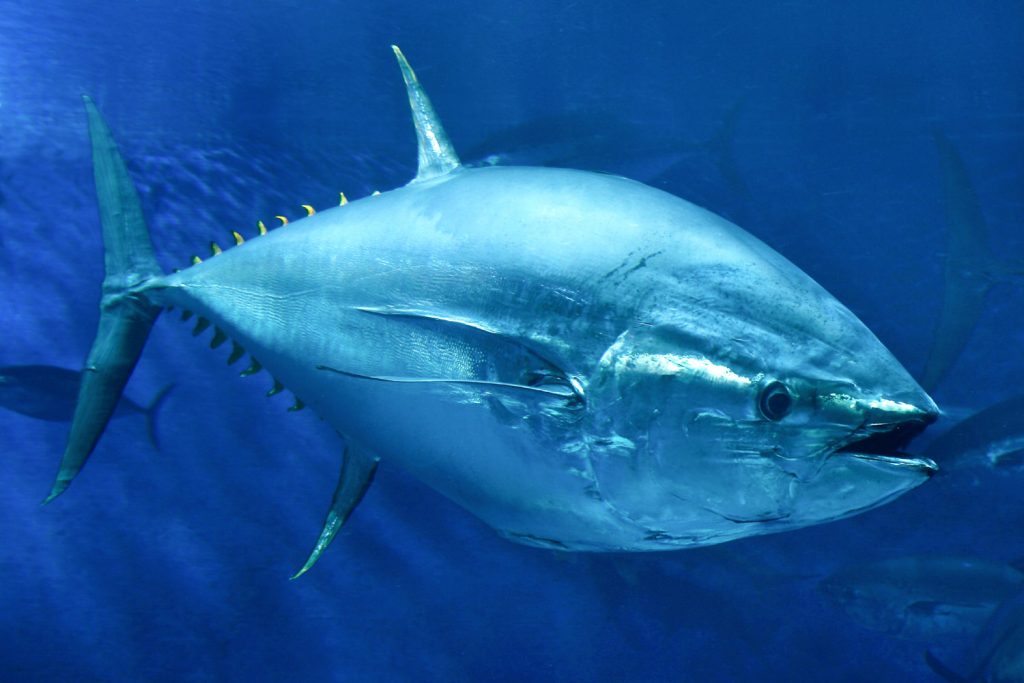
The giant tuna is one of the largest fish in the world, measuring hundreds of kilograms and up to 4.5m (15 ft) in length; it can still reach speeds exceeding 70 km/h (45 mph). The tuna can do this thanks to a newly-discovered locomotion system which is currently believed to be unique among vertebrates. The tuna has a special pair of sickle-shaped fins centered above and below the body powered by a biological hydraulic mechanism controlled by the lymphatic system. The tuna can move the fins at different angles in order to increase its speed or maneuverability through the water, depending on the situation. At high speeds, the fish raises the fins to their full extension by pushing lymph fluid into their channels, thus providing extra stability. At slow speeds, lowering the fins means that the tuna has increased agility and can turn on a dime.

Dragonfly Wings Rip Bacteria Apart

Bacteria Apart

https://www.hexapolis.com

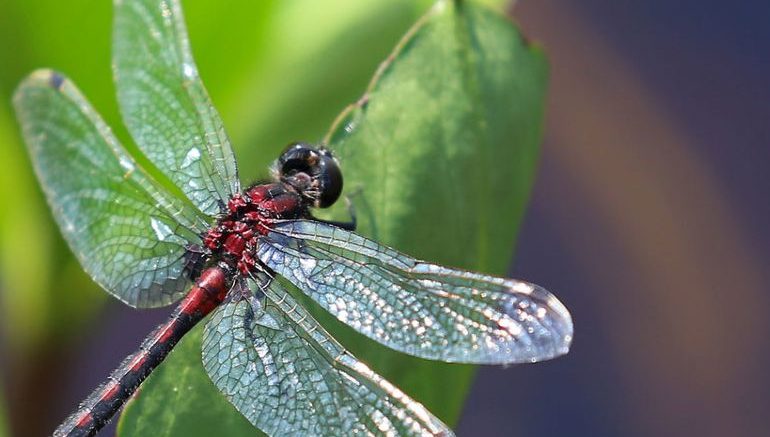
On a molecular level, the surface of dragonfly wings resembles a “bed of nails.” However, although initially we thought that this kind of mechanism kills bacteria by puncturing the cell wall, recent research suggests a different method. The bacterium first attaches itself to the nanopillars using extracellular polymeric substances (EPS), natural polymers secreted by microorganisms. It gets stuck on the “nails” and, when it tries to move, the sheer force pulling on the EPSs is enough to rip the membrane apart.

Paleontologists Found an Amphibian Missing Link

Paleontologists

http://www.sci-news.com

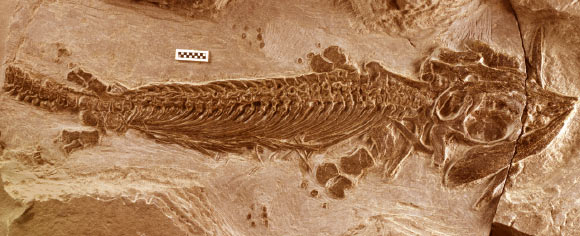
Researchers have determined that two fossils belonging to a prehistoric creature represent the missing link between some of the most bizarre amphibians of the Triassic Period and some of the most bizarre amphibians today.

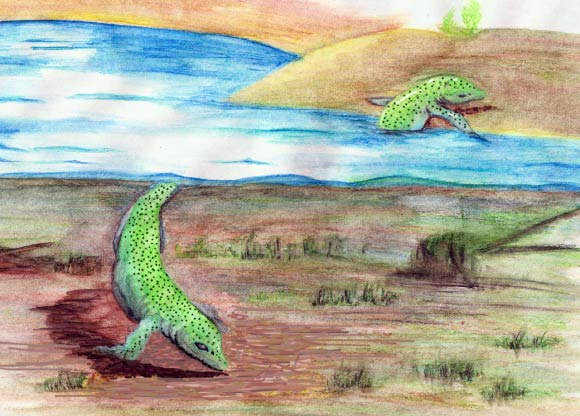
Named Chinlestegophis jenkinsi, the species represents the oldest relative of caecilians, a modern group of limbless amphibians. Found mostly in Africa and South and Central America, caecilians spend most of their time underground, making them very elusive and hard to study.

Monkeys Love Deer

Monkeys

https://listverse.com

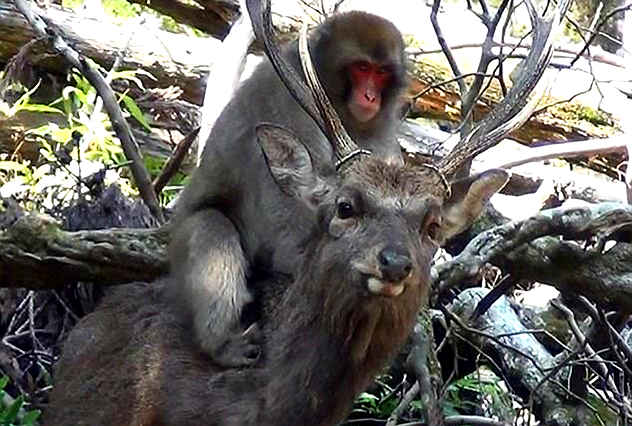
One phenomenon which is exceedingly rare is interspecies sex. However, researchers observed this bizarre occurrence taking place between Japanese macaques and sika deer. The odd behavior was seen on two separate occasions, in two different places, between males and females of both species so it cannot be ruled an isolated incident. First, a male snow monkey was recorded mounting and trying to have sex with two different female deer on Japan’s Yakushima Island.

The second instance occurred in Minoh, Osaka. This time, gender roles were reversed as adolescent female macaques interacted with stags. The monkeys exhibited behavior such as mounting, pelvic thrusting, biting, pulling on the antlers, and throwing tantrums if the deer walked away.

Related Content

Bath timeCases of Animals Saving Humans from Certain DeathAnimal Races From Around the World

Crazy Newly Discovered Living Animal Species

0

Our world is full of life. There are literally millions of unique species on Earth. It wasn’t until the 18th century that Swedish botanist Carl Linnaeus developed the architecture for our modern system of binomial nomenclature, the naming of species using Latin grammar, which places an animal’s genus and then species in its formal name. Today, the field of identifying and organizing species is just as alive as ever. You’d be shocked at the animal life that has existed beside us for years without recognition. Below, we highlight some of the shocking species living on our planet that were just found just within the last several years.

Game of Thrones Ants: Pheidole Viserion and Pheidole Drogon

Game of Thrones Ant Ant

https://www.sciencespacerobots.com

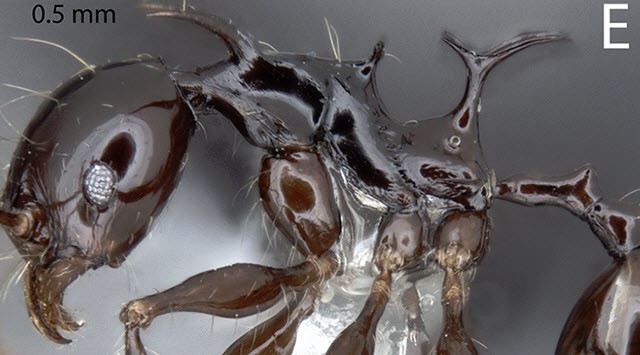
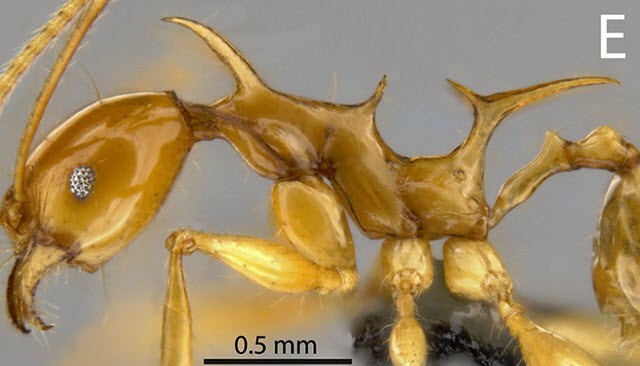
Ants make up an impressive portion of Earth’s biomass, so it’s no surprise that two new species of ants weren’t known to researchers until this year. These new species, Pheidole viserion and Pheidole drogon , are members of the Pheidole genus, a common one that can be found throughout the planet.

These ants are known for their relatively large heads, P. viserion and P. drogon also sport impressive spikes on their backside. Researchers decided these spikes were like those found on dragons from the popular show Game of Thrones. The ants were observed in New Guinea, the second-largest island in the world, a tropical ecosystem of incredible biodiversity.

Pretty In Pink: Eulophophyllum Kirki

Eulophophyllum

https://www.the-scientist.com

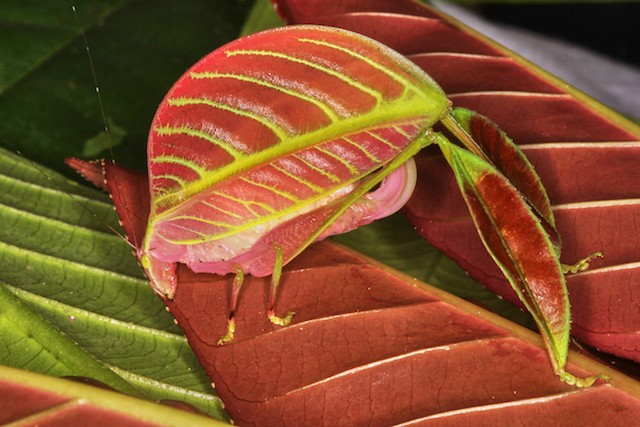
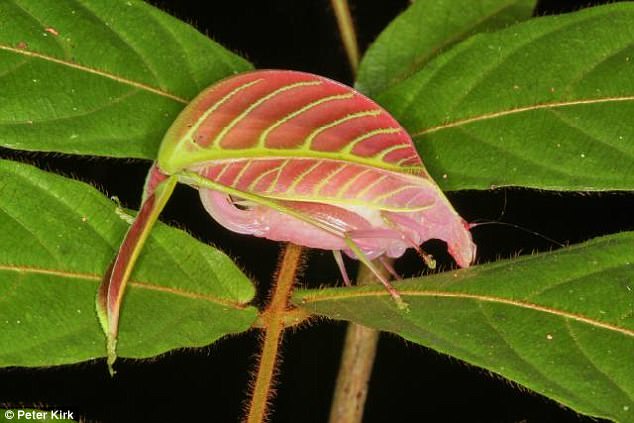
Eulophophyllum kirki was an accidental discovery, found while researchers were on the hunt for snakes and spiders across Borneo. This species of katydid is unique for the pinkish hue of their females. The E. kirki female was spotted in a Malaysian nature reserve, but no specimens were collected for further research, as the scientists could not obtain collecting permits. The katydid’s name is derived from the man who photographed it, Peter Kirk. It measures approximately 4 centimeters (1.6 in) and mimics leaves to blend in seamlessly with its surroundings. For the female, this means its extraordinary pink backside is lined with “veins” resembling those from nearby trees.

The ‘Sorting Hat’ Spider: Eriovixia Gryffindori

‘Sorting Hat’ Spider

https://www.theverge.com

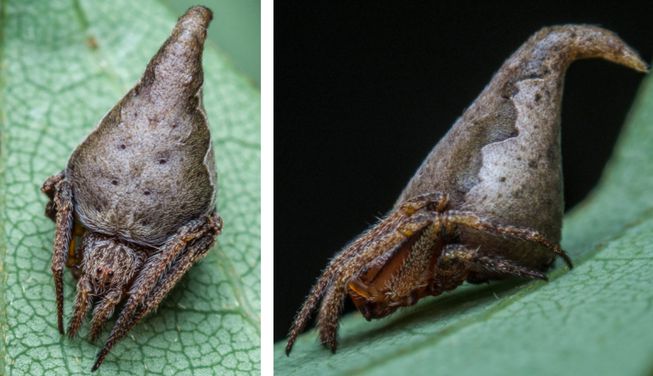
It’s common for scientists to give pop culture a nod when naming species. This is the case with the newly discovered Eriovixia gryffindori, a spider found in India’s southwestern state of Karnataka. The spider’s shape, from its brownish hue to its curvature at the top, resembles the sorting hat from the Harry Potter movies. The spider is part of the Eriovixia genus, part of the Araneidae family, which consists of orb-weaver spiders, known for spinning webs with circular weavesE. gryffindori measures in at just 7 millimeters, which helps explain how it eluded discovery for so long. The spider is nocturnal, and like the pink katydids, it is a master of mimicry, blending in with dead foliage to avoid predators.

The Casanova Millipede: Illacme Tobini

Illacme Tobini

https://listverse.com

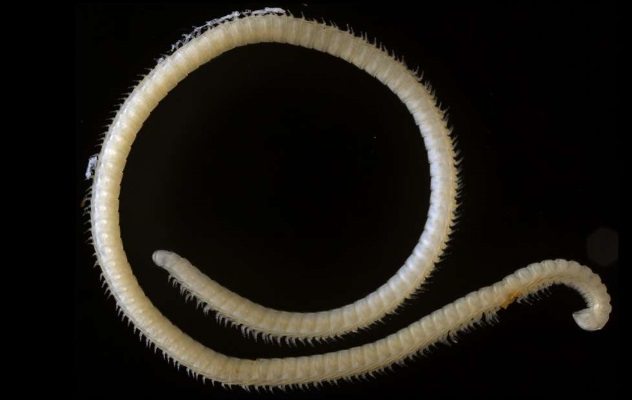
For Illacme tobini, we’re going stateside, as it was discovered in California’s Sequoia National Park.

I. tobini has several features that will make you squirm, but we’ll start with the one responsible for the “casanova millipede” description. This creature has four penises, which double as legs to help it move about underground. I. tobini has 414 legs, much higher than the average for a millipede.

I. tobini has 200 poison glands, excreting a novel substance. The one thing this creature doesn’t have an abnormally high number of is eyes; it’s completely blind. This quirky package is wrapped up in thin hairs that secrete a silky residue, unique from its poison, making it decisively one of the strangest entries on this list.

The Polka-Dot Stingray: Potamotrygon Rex

Potamotrygon Rex

https://steemit.com

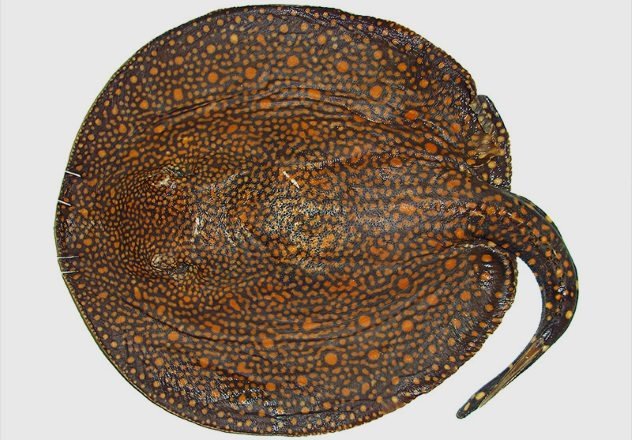
Freshwater stingrays can be found in a number of tropical regions around the world. They don’t seek out humans to attack, though there are cases where people have had lethal run-ins. Steve Irwin, the “Crocodile Hunter,” was killed by an ocean stingray’s barb going through his chest in September 2006. Potamotrygon rex was discovered in Brazil’s Tocantins River. P. rex is an impressive 1.1 meters (3.6 ft) long and can weigh upwards of 20 kilograms (44 lb).The stingray is colored with blackish-brown hues, spotted by striking circles of yellow and orange. These features led to its eventual naming of rex, Latin for “king.”

The Furry Forager: Gracilimus Radix

Gracilimus Radix

http://www.twoeggz.com

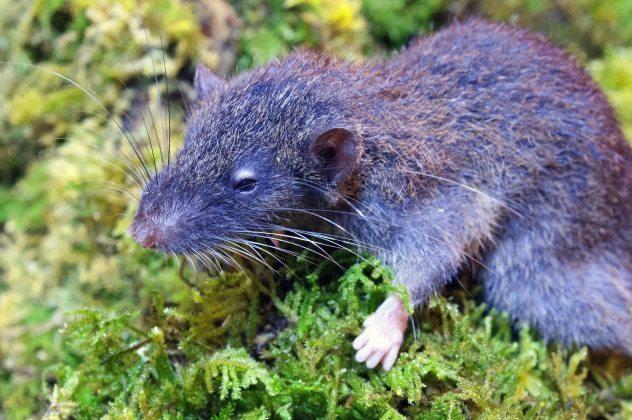
Our next entry brings us back to the South Pacific, this time to the island of Sulawesi, slightly east of Borneo. This includes Gracilimus radix, a new species of rat found on the island. G. radix, aka the “slender root rat,” is a mammal. G. radix is an omnivore, unlike its closer carnivore relatives. The rat measures 30 centimeters (12 in) with a weight of approximately 40 grams, showing off an elaborate array of whiskers that most likely help it scour the forest floor.

The River Rider: Inia Araguaiaensis

Inia Araguaiaensis

https://news.nationalgeographic.com

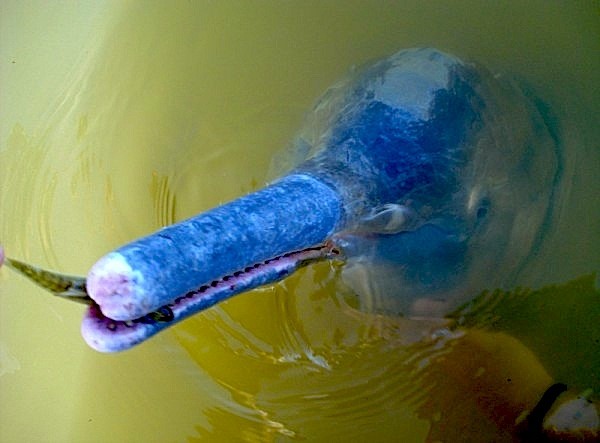
River dolphins are rare, which makes the discovery of Inia araguaiaensis even more astonishing. It marks the first new documentation of a river dolphin species in a century. Three of the world’s four species of river dolphin are listed as threatened, further highlighting the need to protect. River dolphins, often called botos, exist throughout the Amazon Basin, yet this new species was sufficiently separated from other botos by a sequence of rapids and canals. I. araguaiaensis was found in Brazil’s Araguaia River Basin

Jack Of All Trades: Centipede Edition; Scolopendra Cataracta

Scolopendra Cataracta

https://imgur.com

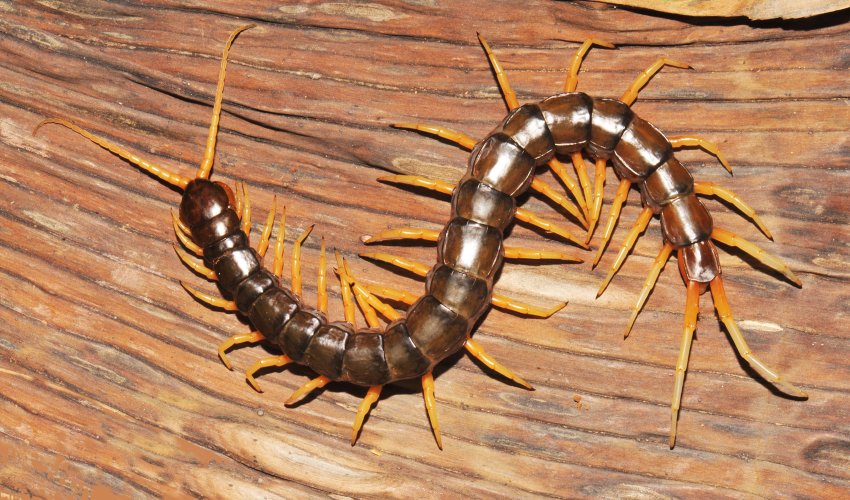
If you thought you were safe from creepy-crawly critters after the listing of a 414-leg millipede, you were mistaken. Our next entrant, Scolopendra cataracta, was found in Southeast Asia Entomologists could categorize the new species based on only four collected specimens: two in Laos, one in Thailand, and a misidentified centipede found in Vietnam in 1928 that sat idle in the Natural History Museum in London. This new species is the first centipede ever discovered to be amphibious, hunting in both land and water. That’s right; S. cataracta is a carnivore and can potentially reach almost 20 centimeters (8 in) in length. Scientists believe S. cataracta stretches its legs, and its appetite, at night, hunting beneath the water, something to keep an eye out for if you find yourself swimming in the far corners of the world.

Related Content

Most Terrifying Insects in the WorldImpala rescue, Must watchOutrageous Stories of Cats’ Lives Saved In Strange Ways

Surprising Shape-Shifting Organisms

0

Shape-shifting is a power usually restricted to the pages of a science fiction book or a big-screen horror monster. While most of us will never meet an organism that can radically alter its shape in real life, evolution has provided some organisms with just such ability. Here are few of the surprising shape-shifting organisms.
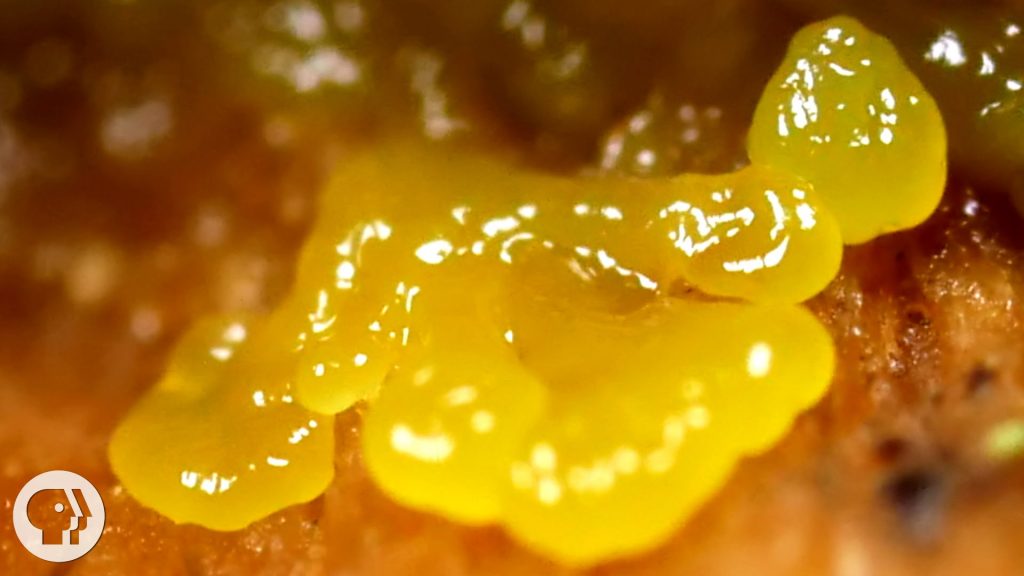
Slime Mold

Slime Mold

https://www.youtube.com

A yellow mass of gel pulsing toward you is the stuff of nightmares. This blob is hungry and searching for food. Bright light scares it and sends it undulating away to find darkness in which to hide. It hunts food by inching across a surface and continually changing shape until it finds something to eat. It’s not a monster. It’s a slime mold. They can exist as single-celled organisms living separately. But when the conditions are right, these individuals can join together to form one enormous cell (called a plasmodium) with many nuclei. Physarum polycephalum, the most studied slime mold, can find the most efficient way through mazes.

Cuttlefish

Cuttlefish

https://blueocean.net

Cuttlefish are amazing creatures. To communicate, cuttlefish will flash complex patterns across their skin using special colored cells that they can contract or expand at will. This ability allows them to blend into their background or even mimic other animals. Other cuttlefish have been seen changing their shapes and colors to become globs of algae, branches of coral, floating seaweed, and other sea creatures.

Puffer Fish

Puffer Fish

https://www.tripadvisor.com

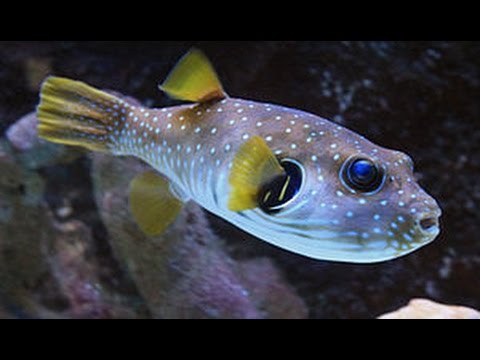
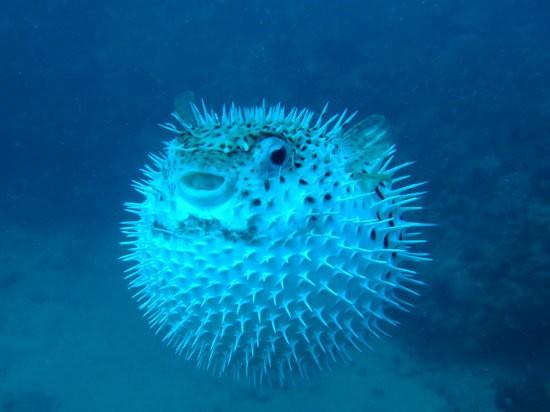
The puffer fish (aka blowfish) are among the cutest inhabitants of the ocean. In their relaxed form, they appear somewhat ungainly and seem to peer out at the world with expressions of complete unconcern. When attacked, the puffer fish swallows many times its own weight in water and blows up into a huge and unwieldy sphere, often covered in sharp spikes. Its skin is particularly flexible so that it does not tear as it is stretched. The skin contains strong proteins that give it rigidity when taut, making it harder for attackers to puncture.

If a predator does manage to catch and eat a puffer fish, then they are in for a nasty surprise. Many puffer fish have internal organs packed with potent toxins.

Octopus vulgaris

Octopus vulgaris

https://www.flickr.com

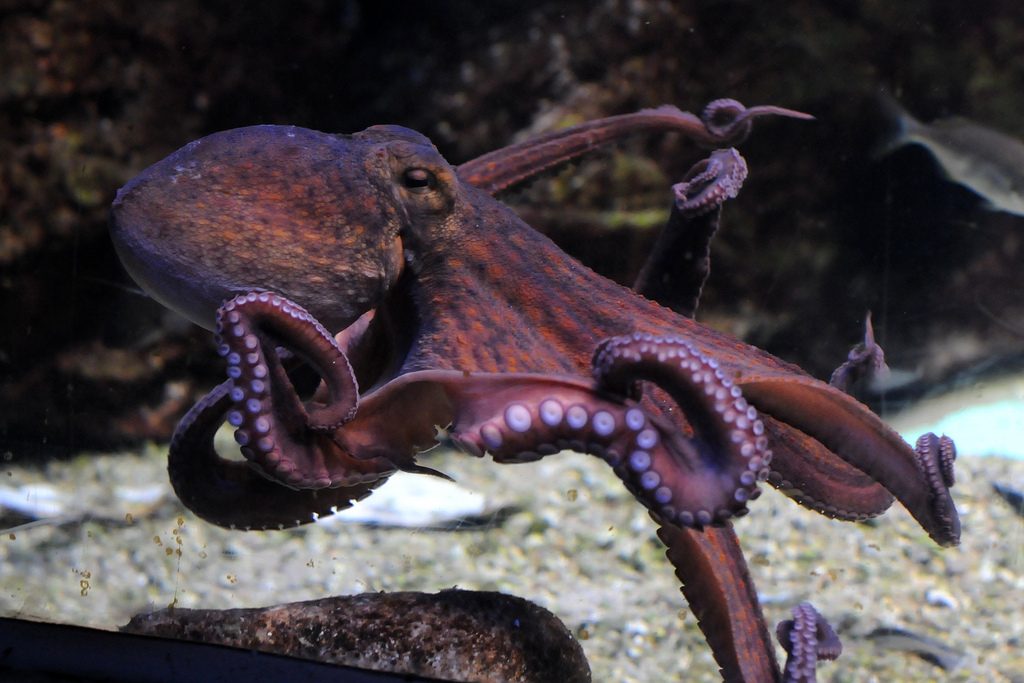
Octopus vulgaris (aka the common octopus) has some very uncommon abilities. When it comes to camouflage on the seabed, these creatures make it difficult for prey or predators to spot them. These octopuses can hide themselves almost completely in plain sight by pulling in their long tentacles, changing the shape and texture of their bodies, and using their ability to change color. Should a predator discover the octopus despite its disguise, the octopus can change its shape in other ways to escape.

Deepstaria enigmatica

Deepstaria enigmatica

https://nerdist.com

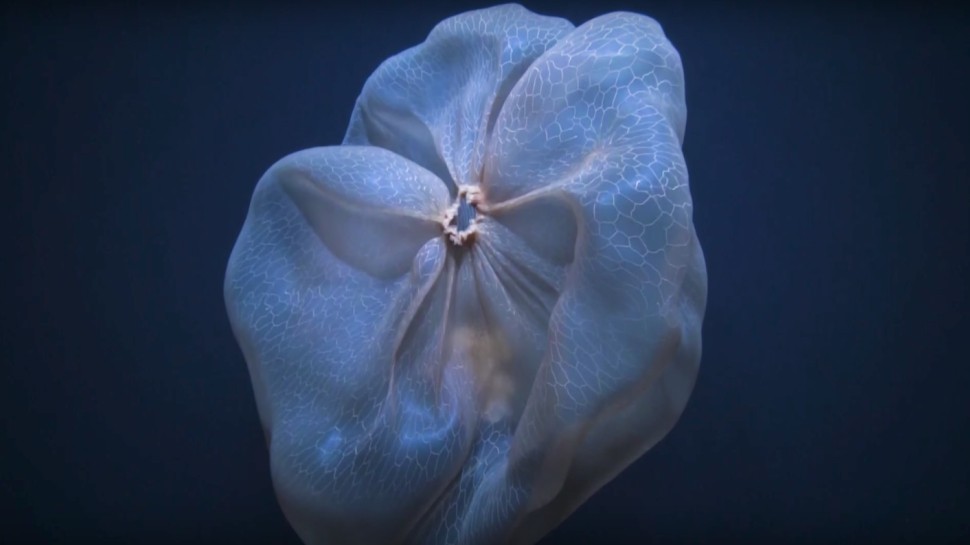
Deepstaria enigmatica is a type of jellyfish that does not have the tightly contained bell shape of many jellyfish. The walls of its bell are very thin and slowly ripple as it moves.

At one moment, it might be tightly contained within itself. The next, the creature is using its huge surface area to drift toward you. The shape of the jellyfish is controlled by a mesh of muscles embedded in the walls.

The jellyfish captures its prey when they blunder inside the parachute of its body. Once inside, the walls contract and expose the unfortunate captive to stinging cells that paralyze it, allowing the jellyfish to begin digesting its victim.

Sea Cucumbers

Sea Cucumbers

https://phys.org

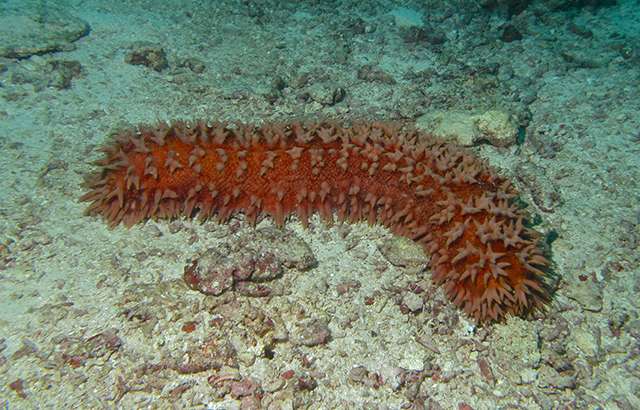
Like many invertebrates without exoskeletons, sea cucumbers move by suitably changing their shape. Some sea cucumbers can spread a large array of slender tentacles to grab passing particles of food or even larger creatures. Perhaps the most shocking way that a sea cucumber can change shape is found at the opposite end from its mouth. When threatened, they can expel their guts from their anus. The filaments of the guts are toxic and can kill the attacker. These creatures can rapidly move from a rock-hard structure to a jellylike flexibility. Their tissues are full of stiff protein collagen.

Tentacled Caterpillar

Tentacled Caterpillar

https://nerdist.com

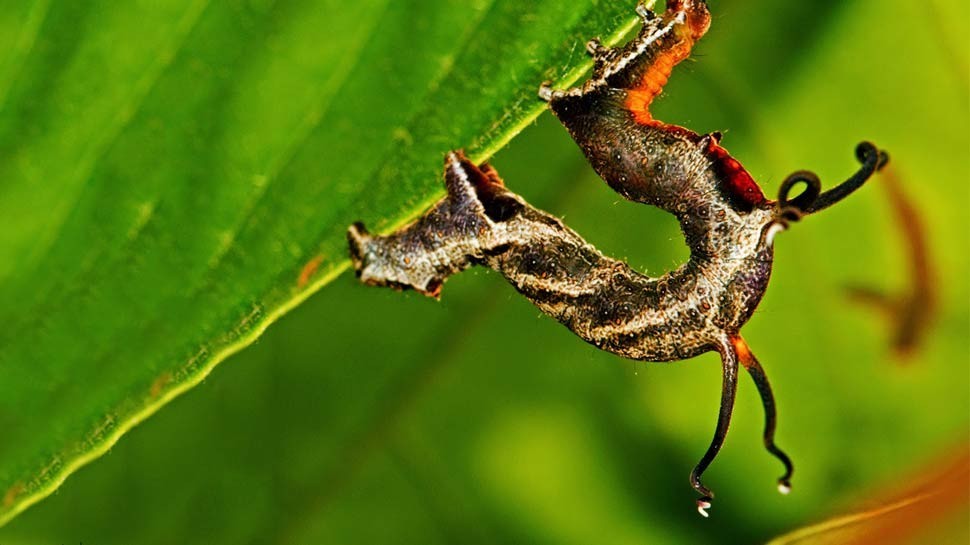
When entomologist Aaron Pomerantz was examining the top of the tree canopy in the Peruvian jungles, he noticed something strange. While shouting down to his colleagues, he saw something moving on a leaf nearby.

The jungles of the world teem with creepy-crawlies, so that is not so unusual. What was strange was that this particular bug was clearly reacting to the noise of his voice. Every time that he yelled, the small caterpillar would shoot out four tentacles. By pumping liquid into the appendages on their backs, these creatures can double their length

Also called horned-spanworms or filament bearers, these caterpillars have strange shape-shifting abilities that are not yet explained by science.

Mutable Rainfrog

Mutable Rainfrog

http://www.cbc.ca

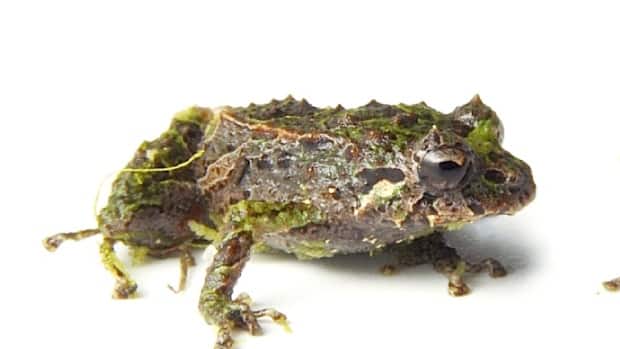
Although we’ve seen invertebrates change the texture of their skin, the first vertebrate to do so was discovered in Ecuador in 2006. The mutable rainfrog can rapidly go from a smooth-skinned frog to one with spines. Creature is able to respond to threats by becoming spiky. Due to its spiky appearance, the mutable rainfrog has been unofficially dubbed the “punk rocker frog” by the team that discovered it.

Northern White-Faced Owl

Northern White-Faced Owl

https://www.ua-magazine.com

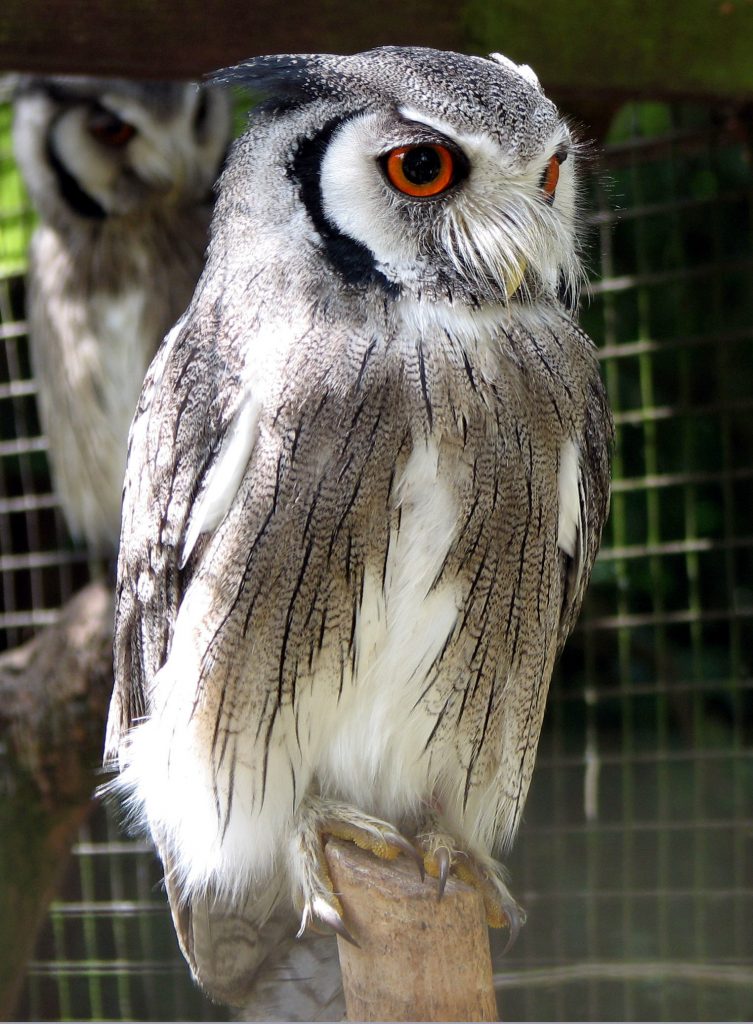
Puffing yourself up to deter predators is a common tactic in the animal kingdom. The northern white-faced owl can go both ways. Depending on the threat, the owl will either make itself larger or smaller. If the predator is close to its own size, the owl spreads its wings and flattens the feathers around its face to make it appear much larger than its relatively small body size.

Related Content

Duck and its ducklingsThe World’s Most Romantic AnimalsExamples of Gift Giving In the Animal Kingdom

Strange Things People Used To Believe About Animals

0

Zoology wasn’t always a precise science. Thousands of year ago, people like Aristotle and Pliny the Elder did their best to compile everything anyone knew about animals into massive, encyclopedic tomes. But they didn’t always get the details right. Sometimes, they wrote those crazy answers down—and for nearly 2,000 years, people around Europe just accepted these things as true.

Elephants Constantly Fight Dragons

Elephants

http://conspiracyfiles.uk

The Greeks and the Romans were fascinated by elephants And so Roman people were ready to believe anything they read or heard about elephants. “When an elephant happens to meet a man in the desert,” one Roman encyclopedia said, “[and realizes the man is lost, then] the elephant. . . points out the way.”

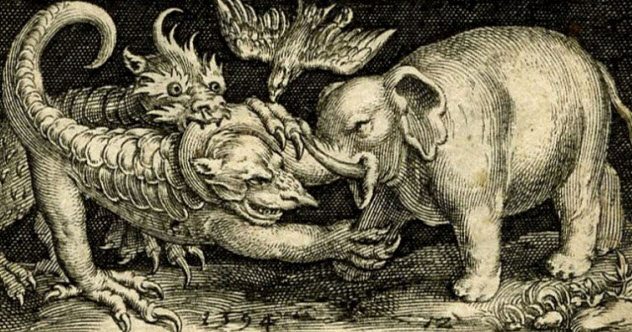
The same Roman encyclopedia claimed that dragons were “perpetually at war with the elephant.” In India, dragons were constantly swooping down on elephants and trying to crush them, hungering to eat their cold blood. A particularly alert elephant, however, could knock a dragon down and crush it underfoot.

Aurochs Have Projectile, Toxic Poop

Aurochs

http://conspiracyfiles.uk

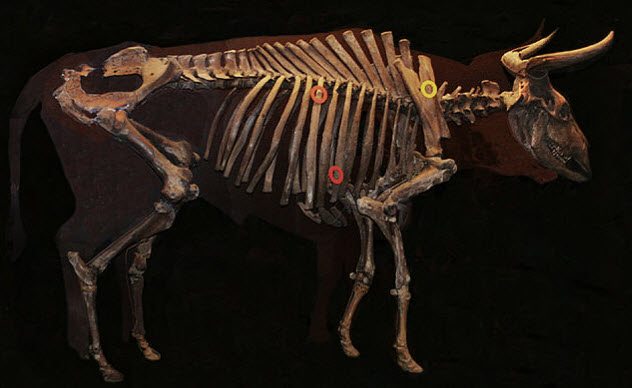
Milk cows and every kind of domestic cattle are descended from one animal: the aurochs. The last aurochs died out about 400 years ago. According to the Roman naturalist Pliny the Elder, aurochs had horns that were bent inward. When a predator attacked them, their horns were totally useless. So they had to rely on the one defense God gave them: running away and pooping.“While in the act of flying,” Pliny claimed, “it sends forth its excrements.” They could shoot it out far, too—about 1.2 meters (4 ft), according to Pliny. Their projectile poop did more than just gross out their predators. It burned them like fire.

Salamanders Can Put Out Fires

Salamanders

https://myth-wiki-ology.wikispaces.com

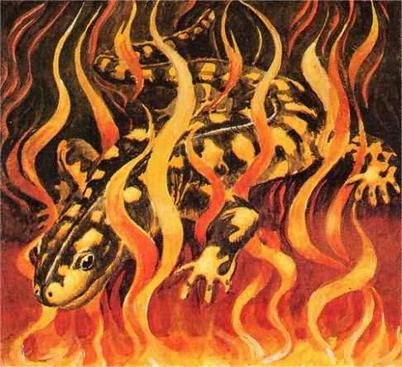
For a good 1,000 years or so, humans as a species were fairly sure that salamanders were magic. They were so cold, Romans believed, that they could extinguish a fire just by touching it. That claim also came from Pliny the Elder. After telling all of Rome that salamanders had magical fire-extinguishing powers, he threw a salamander into a fire himself. To his disappointment, the animal wasn’t magic. It was just dead. About 1,000 years later, the Jewish rabbi Rashi was still writing about salamanders’ amazing magical powers, even telling people that they could become fireproof by covering themselves with salamander blood.

Eels Grow Out Of Mud

Eels

http://listverse.com

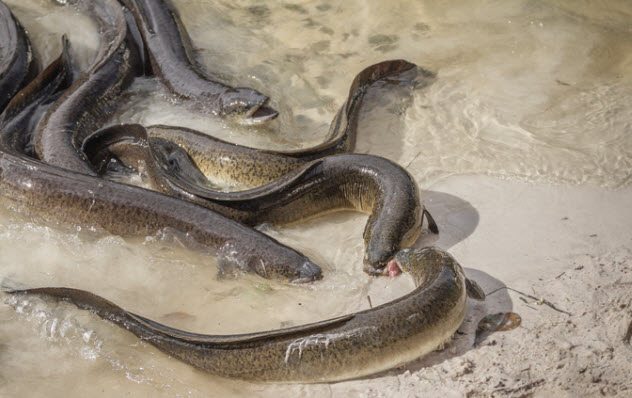
Aristotle was convinced that a lot of animals spontaneously burst into existence. He tried to persuade the world about a few different cases of what he called “spontaneous generation.” But the one that really stuck was his idea that eels magically grow out of mud. For more than 2,000 years, nobody even questioned Aristotle’s “eels just magically appear” theory. Pliny said they made babies by rubbing against rocks, while the 17th-century English writer Izaak Walton insisted that they grew out of particular dew falling in the months of May and June.”But everyone agreed on the main detail: Eels are a gift from God.

Whales Have Antennae

Whales

https://diydilettante.wordpress.com

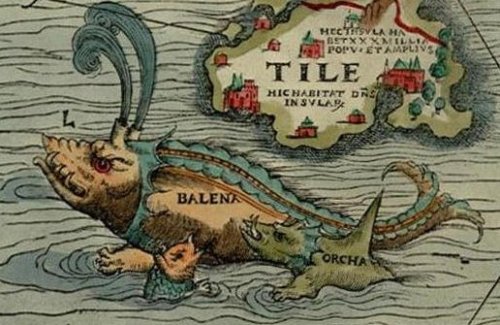
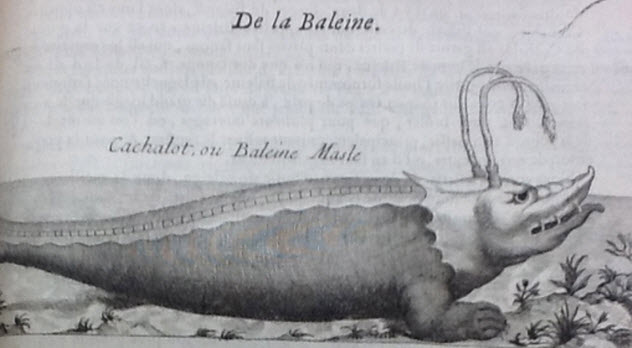
In the 17th century, a Frenchman named Pierre Pomet released a book on the natural world that was filled with illustrations of the strange animals that inhabit our Earth. Each picture was full of beautiful, vivid details of what these strange creatures looked like. Pomet’s whales, in particular, looked a bit strange. He insisted that one could tell a male whale from a female whale by their heads. According to Pomet, the males had hands with fingers, a long sheet of metal on their backs, and massive, armored heads like the kind you’d see on a Chinese dragon. And on top were two long antennae, each with a fluffy little pom-pom on the end. His female whales were a bit closer to real life, but they still had antennae.

Crocodiles Are Basically Just Monkeys

Crocodiles

https://www.toptene.com

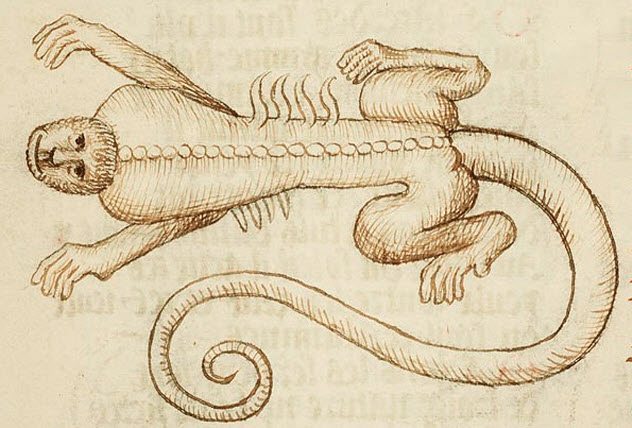
According to the medieval book titled, “Book of Flowers”, in the Book of Flowers, an 11th-century encyclopedia, Crocodiles Are Basically Just Monkeys, because they’re pretty much just monkeys.

According to the Book, crocodiles have long, curly tails, hands, and hairy faces. It’s a strange description, and it would be easy to think that they just got the names mixed up. But their vision of crocodiles isn’t purely monkeys. The bodies of these creatures are long, hard, and scaly like a real crocodile’s. They just happen to have monkey heads on top.

Later medieval artists started getting the tails right but kept the monkey faces. Others gave these animals massive, horselike legs or made them look like dogs with scales. European artists kept drawing crocodiles that way until about the 17th century.

Rhinoceroses Hate Elephants

Rhinoceroses

https://www.toptene.com

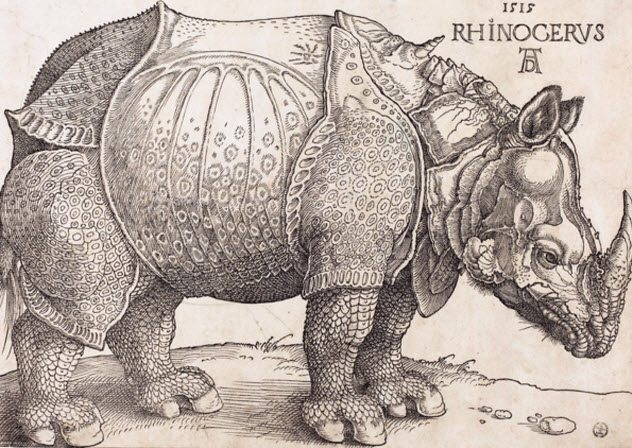
According to Pliny the Elder, rhinoceroses and elephants absolutely hated each other. The second they saw each other, Pliny the Elder claimed, they would start brawling, duking it out in an incredible battle of the titans.

A German woodworker named Albrecht Durer became so enthralled by the stories that he sat down and drew a picture based on what he’d heard. His rhinoceros had scaly legs and hard, armor-like plates on its back. Durer left notes saying that the rhinoceros is “the color of a speckled tortoise [and is] covered with thick scales.”

Bees Can Be Killed by a Menstruating Woman’s Stare

Bees

http://listverse.com

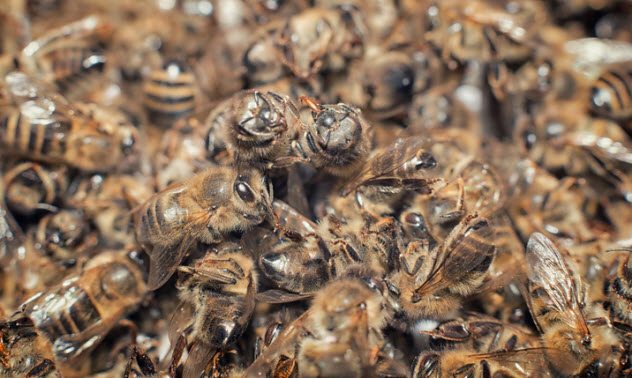
Pliny the Elder wasn’t just confused about animals. He had strange ideas about women, too. He especially couldn’t understand menstruation, except that it was something that ought to be feared. The stare of a menstruating woman, he insisted, could kill. “A swarm of bees, if looked upon by her,” he warned, “will die immediately.”

Related Content

Animal Races From Around the WorldOutrageous Stories of Cats’ Lives Saved In Strange WaysMost Terrifying Insects in the World
Animals That Can Detect What Humans Can’t

0

Animals have always been superior to human beings when it comes to basic senses like hearing, sight, and smell. That is why we have spent centuries trying to learn from their abilities and put them to good use. Scientists hope to gather more insight by monitoring the behavior of such animals. But for now, earthquakes are still one of the natural disasters that are hardest to detect ahead of time, at least for human beings.
Birds

Birds

http://www.amazingwallpaperz.com

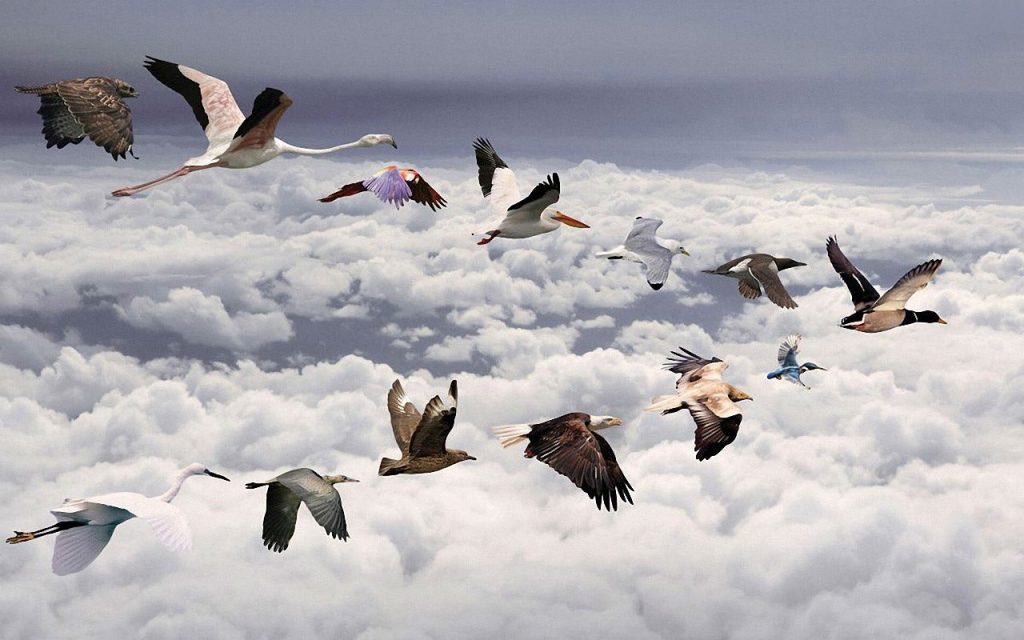
Many bird species, especially in the northern hemisphere, migrate when winter rolls around and food becomes scarce. Some even manage to fly thousands of miles away from their breeding grounds but return when the climate becomes warmer. Birds accomplish this incredible feat by detecting magnetic fields and using them for navigation.

Scientists figured out that birds can sense the strength and direction of magnetic fields. Evidence suggested that cells capable of picking up this information were located in the bird’s inner ear.

Dolphins

Dolphins

http://www.wallpapers13.com

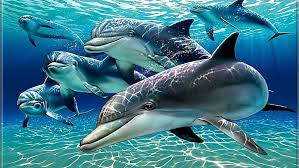
These aquatic mammals are known for their ability to emit sound waves and detect information by interpreting the returning echo. These waves of sound are emitted by an organ in their heads, which works like radar. The main purpose of this ability is to inform dolphins about surrounding threats and prey, but it can even be used to detect pregnancies. According to experts, echolocation may allow dolphins to detect a pregnant woman’s developing fetus.

Rats

Rats

https://gizmodo.com

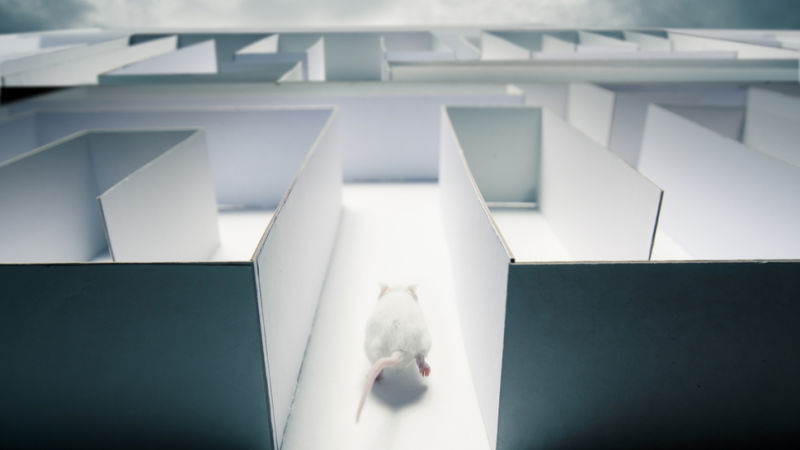
Rats have been trained to detect actual landmines since 1997. Specifically, the African giant pouched rats. These large rodents have poor vision, which is redeemed by an incredible sense of smell. After nine months of training, the rats are capable of covering far more ground than humans, searching over 185 square meters (2,000 ft2) in 20 minutes. The same task takes people up to four days since they risk life and limb.

Honeybees

Honeybees

https://www.pinterest.com

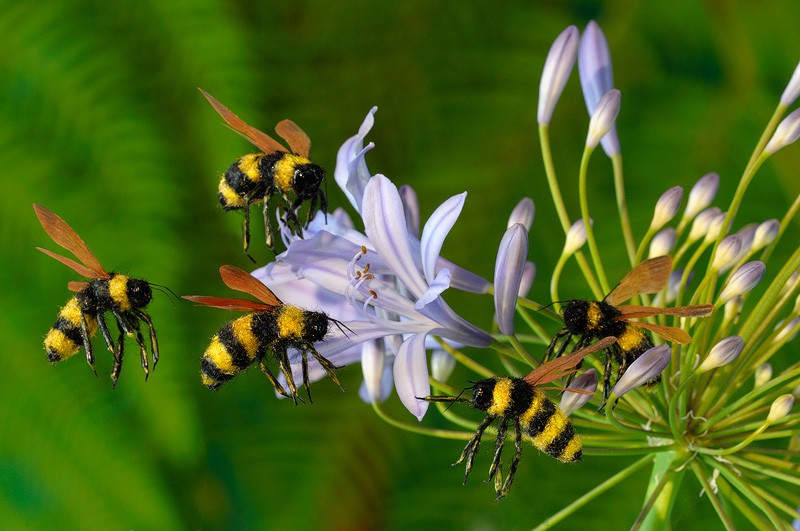
Honeybees can be trained to find land mines by associating the smell of sugar with explosives. These bees can detect the scent of TNT from 4.5 kilometers (2.8 mi) away. Thermal cameras are used to track their movements. The advantage of using honeybees for this purpose is a lower cost than rats and dogs. Honeybees also recruit and teach other bees to do the same naturally by themselves. Honeybees even hold the Guinness World Record for the smallest animal used in detecting landmines.

Cats

Cats

http://listverse.com

Cat owners have been reporting that their pets have healing powers for ages. While cats do not have the ability to cure sickness, they are definitely capable of detecting it.

Diseases cause chemical changes in the body, and cats use their acute sense of smell to identify whether someone is sick or not. Our feline friends gather more information by sensing changes in our mood and behavior. They can also detect illness in other animals.

One cat has even “predicted” 25 deaths in a nursing home.

Snakes

Snakes

http://listverse.com

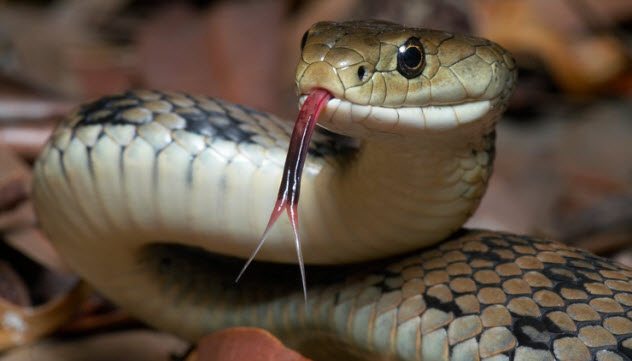
Snakes have holes in their heads called pit organs. These pits allow them to detect infrared radiation emitted from warm bodies up to 1 meter (3.3 ft) away. The somatosensory system, of which the pit organ is a part, does not use eyes to receive signals. Snakes detect heat rather than see light photons. The same system is responsible for detecting pain, touch, and temperature. Pit membrane tissue is heated up by infrared radiation. When the tissue reaches a threshold temperature, an electrical signal is triggered by ions flowing into the snake’s nerve cells.

Pigs

Pigs

http://www.pig-world.co.uk

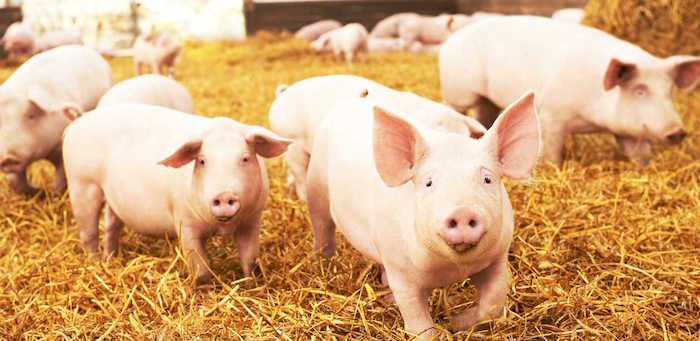
Pigs are commonly used to find one of the most expensive foods—truffles. Researchers have figured out why pigs are so good at finding this fungus. Truffles contain large amounts of a substance that is also synthesized in boar testicles.

The substance is secreted in the saliva of boars looking to breed. Females are attracted to the musky scent emanating from their saliva foam.

Fish

Fish

https://www.howtocatchanyfish.com

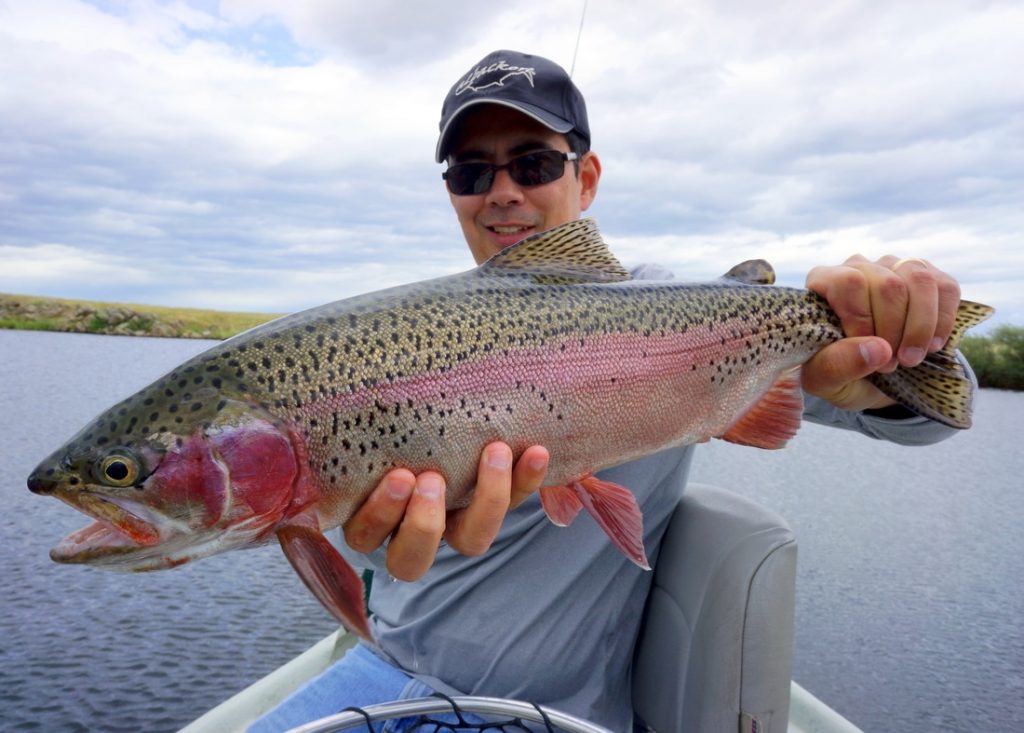
Flow sensors were identified on the surfaces of nearly all species of fish. The sensor network helps in gathering information about the flow of water. Researchers put their efforts into studying the sensory organ system of fish. This system detects vibrations and movement in surrounding water. Another point of focus was canals, which open via several pores. Location of canal system was found on top of the head and in other areas where strong pressure variation occurs.

Elephants

Elephants

https://whitleyaward.org

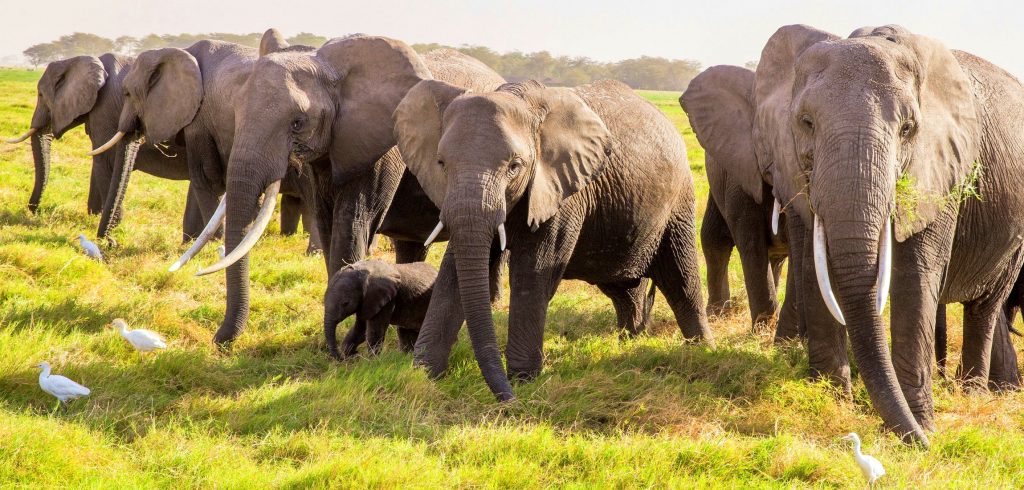
With a set of ears that large, elephants obviously have an incredible sense of hearing. Studies have revealed that elephants are capable of detecting a rainstorm approaching from roughly 241 kilometers (150 miles) away. After seven years of tracking the movements of nine elephants from different herds with GPS, researchers found evidence that suggested changes in the elephants’ course during the region’s rainy season. Researchers observed their movement toward thunderstorms hundreds of miles off, days before rain occurred.

Dogs

Dogs

http://emergacenter.com

When talking about animal detection powers, you have to bring up dogs. Being loyal and easy to train, dogs are the perfect candidates for any situation that calls for the superior senses of animals. Medical detection dogs use their noses to find illness in people. Detecting odor concentrations as little as one part per trillion allows them to sense the smell created by diseases. This can be compared to detecting a teaspoon of sugar dissolved in two Olympic swimming pools.

Dogs can also find the exact location of a truffle rather than destroy the environment by scraping everywhere around it. Explosives are another item on the list of things frequently detected by canines. Similarly, they are used for drug searches.

Related Content

Pet AlligatorBath timeCases of Animals Saving Humans from Certain Death

Pet Alligator

0

Want to own a pet Alligator ? Not everyone, see the video below and make your own mind.


Cases of Animals Saving Humans from Certain Death

0

Nearly everyone can remember a beloved pet they had for one reason or another. Whatever the origin, animals have been important parts of many people’s lives. Sometimes, that importance can’t be overstated. A number of people are only alive today because of the actions of their furry friends. This is a list of few animals that made themselves memorable for saving their owner’s life.

Babu

Babu

http://www.fanpop.com

During the Tohoku earthquake and tsunami of March 11, 2011, Babu, a Shih Tzu, was living with her owner, 83-year-old Tami Akanuma, in Miyako, Japan. Shortly after the earthquake struck, Babu signaled to Akanuma that she wanted to go on a walk. While it was earlier than the normal time, she obliged and took the dog outside. As they were heading out the door, the town’s tsunami warning system started blaring, and Akanuma felt the need to evacuate. However, Babu began heading for a nearby hill, straining at her leash whenever Akanuma tried to guide her away. When they finally got to the top, which was nearly 1 kilometer (0.6 mi) from her home, Akanuma looked back and saw the devastation which had engulfed her town. Almost everything was destroyed, including Akanuma’s house, where she would have been had it not been for Babu.

Cluck Cluck

Cluck Cluck

https://www.mediaite.com

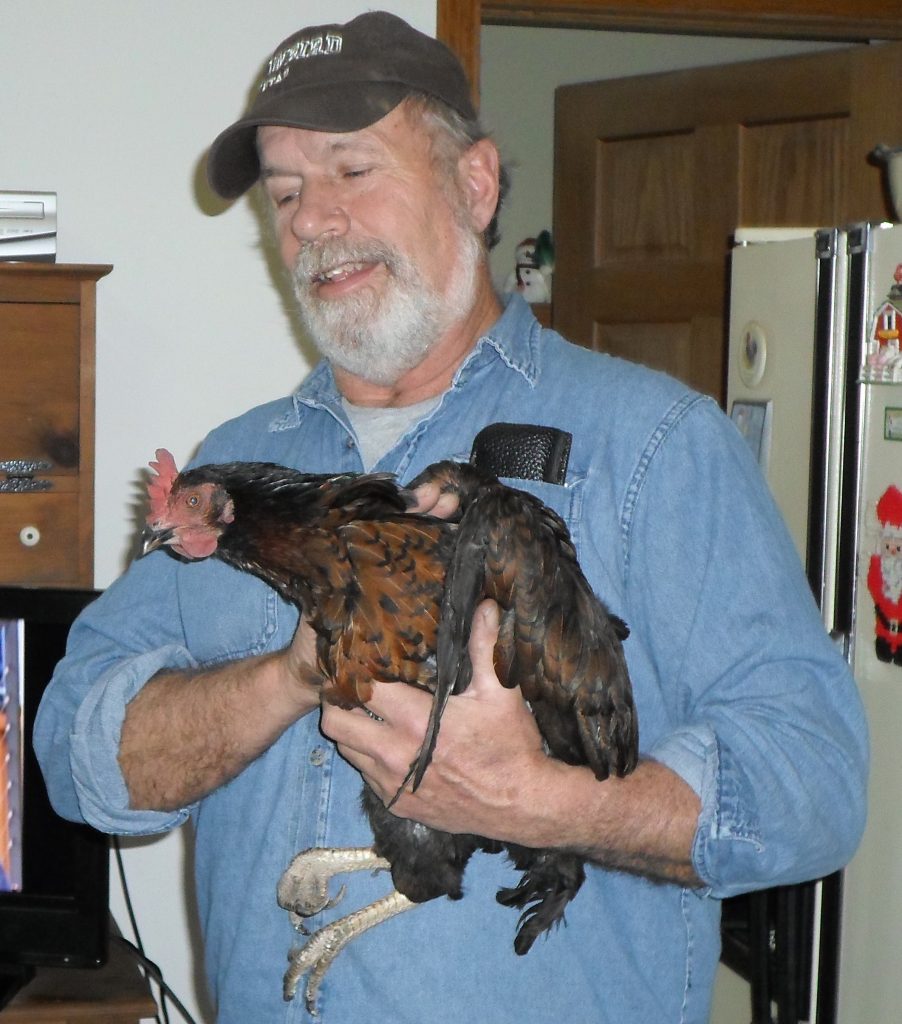
Cluck Cluck, a pet chicken of a family in Alma Center, Wisconsin, became a heroine on the morning of December 27, 2012.Dennis Murawska and his wife Susan Cotey were sleeping when Cluck Cluck, who slept in the basement, woke them up at 6:15 AM. Dennis got up to see what was bothering her. That’s when he discovered his garage was on fire, and it was spreading to the rest of his house. Unfortunately, the smoke detectors in the garage had failed to work properly and didn’t alert anyone of the blaze. Dennis immediately woke his wife up, and they fled the house, narrowly escaping with their lives. Cluck Cluck was left behind, but firefighters later found her alive. In a twist of fate, Dennis’s neighbor was the original owner of the chicken and was going to kill her because she wasn’t producing any eggs. Dennis felt sorry for the chicken because she also had a mutated foot, and he asked his neighbor to let him keep her.

LuLu

LuLu

https://www.sunnyskyz.com

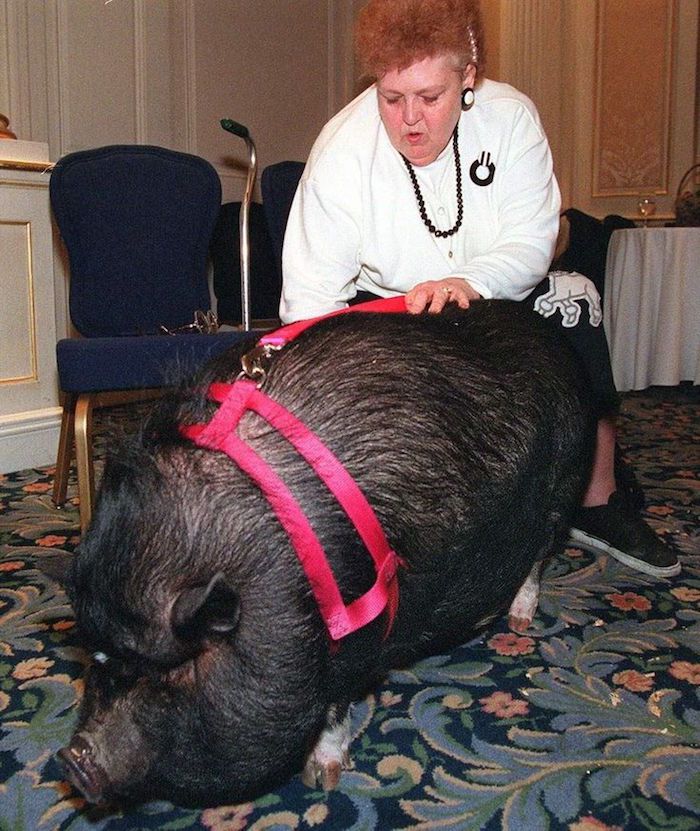
LuLu, a Vietnamese pot-bellied pig, was owned by an elderly couple in Presque Isle, Pennsylvania. On August 4, 1998, Jo Ann Altsman had suffered a heart attack nearly 18 months earlier and was at risk for another one, which she did have on a day when she was home alone. Jo Ann called for help, but she was too far away from the road for anyone to hear. Her dog Bear was no help; he just sat there and barked. LuLu then sprang into action by crawling through the doggy door and wandering into the road, where she lay down. Eventually, someone stopped and followed LuLu back to Jo Ann, who was rushed to the hospital. LuLu’s reward: a great big jelly doughnut.

Mila

Mila

https://www.telegraph.co.uk

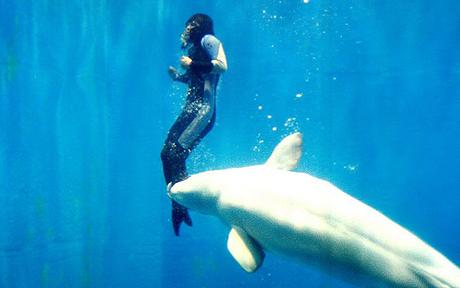
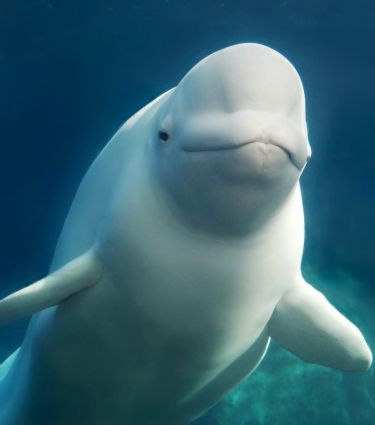
Mila, a captive beluga whale in Harbin, China, became a heroine in July 2009. At Polar Land, a competition was being held where divers would sink to the bottom of the 6-meter (20 ft) beluga whale tank, which was kept at frigid temperatures, and stay there as long as they could. Yang Yun, a 26-year-old woman, was at the bottom of the tank when her legs became crippled due to the intense cold.

She tried to swim but was unable to and began to feel herself running out of breath. Mila, noticing her troubles, grabbed one of Yun’s legs and pushed her to the surface.

Willie

Willie

https://www.vaildaily.com

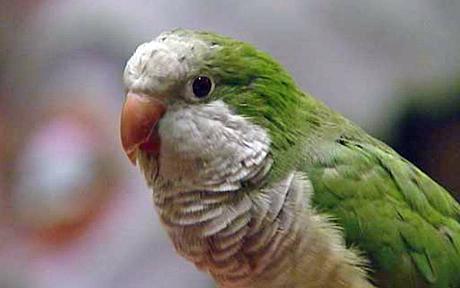
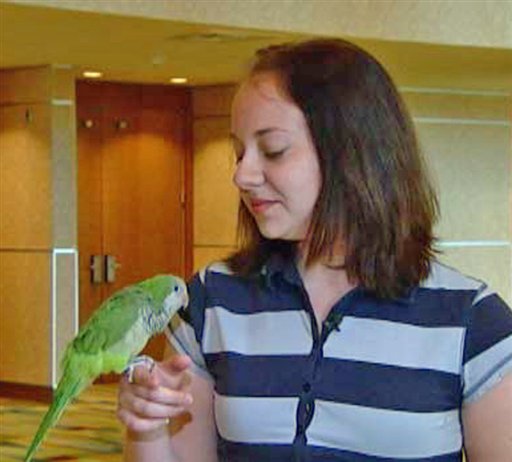
Willie, a Quaker parrot, was owned by a woman named Megan Howard in Denver, Colorado. One day in November 2008, when Howard was babysitting a toddler named Hannah, Willie noticed the child beginning to choke on her food. Howard had just left the room to go to the bathroom. He began flapping his wings, screaming out. When Howard came back to look at the bird, he started calling out “Mama baby” over and over again because the child had begun turning blue. She rushed over to Hannah just in time and dislodged the food from the toddler’s throat, saving her life. Willie was rewarded with the Red Cross’s Animal Lifesaver Award, the first parrot to receive that honor.

Inky

Inky

http://www.carealotpets.com

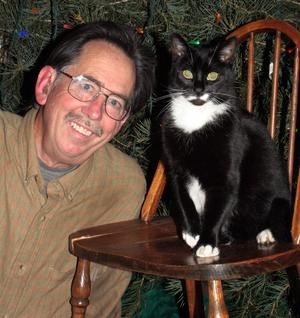
Inky was adopted by the Kruger family after she was left on a local cat lover’s porch, severely malnourished. Glen Kruger instantly fell in love with the three-month-old kitten and dutifully raised her, bringing her back to good health. That paid off on January 23, 2009, when Glen fell down his cellar stairs, breaking his arm and fracturing one of his vertebrae. Everyone else in the house was asleep and couldn’t hear his pleas for help, except for Inky, now seven years old. Glen told her to go get his wife Brenda, and she began scratching at the bedroom door. Brenda woke up, thinking the cat wanted to go outside, and noticed her husband at the foot of the cellar stairs. Glen was permanently disabled from the accident, losing over four inches in height, but he survived thanks to the quick actions of Inky.

Pudding

Pudding

http://petslady.com

Pudding, an eight-year-old cat, given up for adoption was adopted by Amy Jung, a resident of Sturgeon Bay, Wisconsin. On February 8, 2012, Jung brought Pudding home and went to bed around 9:30 that night. However, she was a diabetic and wasn’t aware that her blood sugar was too low. She began to have a diabetic seizure. Pudding sprang into action and woke her up. When she couldn’t move, he ran to her son’s room and woke him up. The eight-year-old phoned his father and, using his dad’s instructions, injected his mother with the lifesaving medication she needed. Jung says Pudding still meows whenever her blood sugar gets too low, pestering her until she takes her medicine.

Angel

Angel

https://www.thespec.com

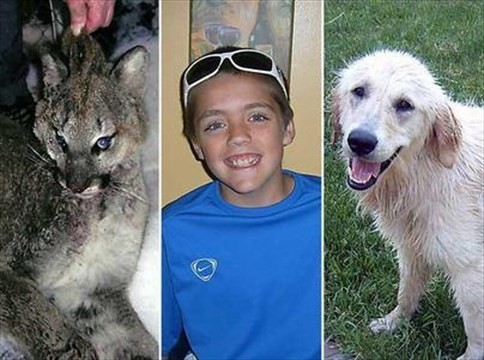
On a dark night in British Columbia on January 2, 2010, Angel, an 18-month-old golden retriever, was walking with her owner, 11-year-old Austin Forman.

Without warning, a cougar leaped out at Austin, and Angel jumped in between them to protect him.

The big cat latched onto the dog’s head, and Austin ran to tell his mother to call the police. When the local constable arrived, he shot at the cougar twice, killing it. Austin’s cousin then had to go in and pull the dead cougar off of the golden retriever, as she was drowning in blood. Angel was rushed to the veterinarian and underwent an hour’s worth of surgery to repair her fractured skull. She recovered fully and was rewarded with a “nice juicy steak.”

Related Content

Outrageous Stories of Cats’ Lives Saved In Strange WaysMost Terrifying Insects in the WorldImpala rescue, Must watch

Animal Races From Around the World

0

Archaeological discoveries have found that horse racing dates way back to the civilizations of ancient times. It was an official event at the Greek Olympic Games which were held in the year 664 B.C. Its basic premise has remained largely unchanged for thousands of years. Here, we are going to take a look at the top few activities from around the world that involve the racing of animals against each other, but most certainly do not involve any horses.

Greyhound Racing:-

Greyhound Racing

https://www.rte.ie

The organized act of greyhound racing has its origins in the coursing (hunting) of deer, hare, and foxes in the UK and Europe. It was Queen Elizabeth I of England who has been credited with inventing this in the 1500s, which is why greyhound coursing has become widely known as “The Sport of Queens.”

The sport developed into its current form thanks to Owen Patrick Smith in 1912. He wanted to see an end to what he saw as the cruelty of the killing of jackrabbits by greyhounds, and so he invented the mechanical hare as an alternative. In 1919, Smith opened the world’s first greyhound racing track along with a grandstand in Emeryville, California.

Snail Racing:-

Snail Racing

http://www.sundayobserver.lk

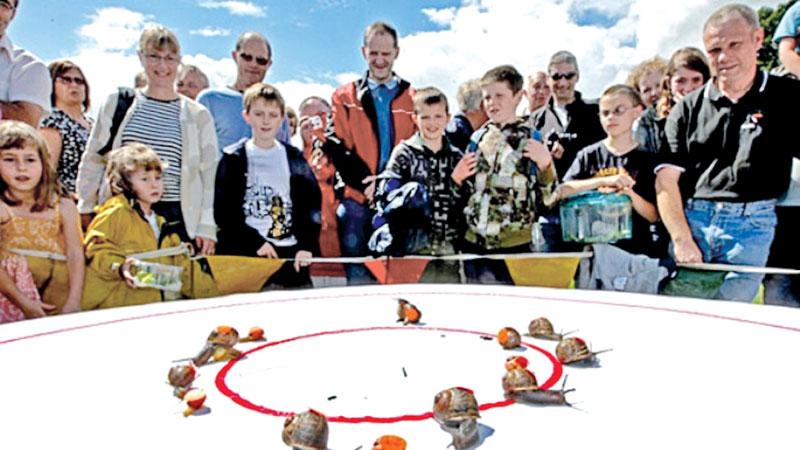
The annual World Snail Racing Championships have taken place on the cricket field at Congham in the UK county of Norfolk every July for more than 25 years, using only the native European common garden snail. It has been declared that giant foreign snails are strictly forbidden.

Camel Racing:-

Camel Racing

http://blog.raynatours.com

Camel racing became a more organized and formal sport with the formulation of governing bodies to establish official racing rules and regulations. Camel racing is now recognized as a serious international sport and has become extremely popular in India, Egypt, Australia, and particularly in the Arab countries of the Middle East. Some of the world’s most popular and best-known camel races, with the highest prize funds, are currently held in Australia, particularly in the state of Queensland. The “Sheikh Zayed International Camel Endurance Race” has a price purse of A$50,000 (US$37,000); also in Queensland, the annual prize purse of “The Boulia Desert Sands” totals A$25,000 (US$18,500).

Turtle Racing:-

Turtle Racing Turtle Racing

https://lostcoastoutpost.com

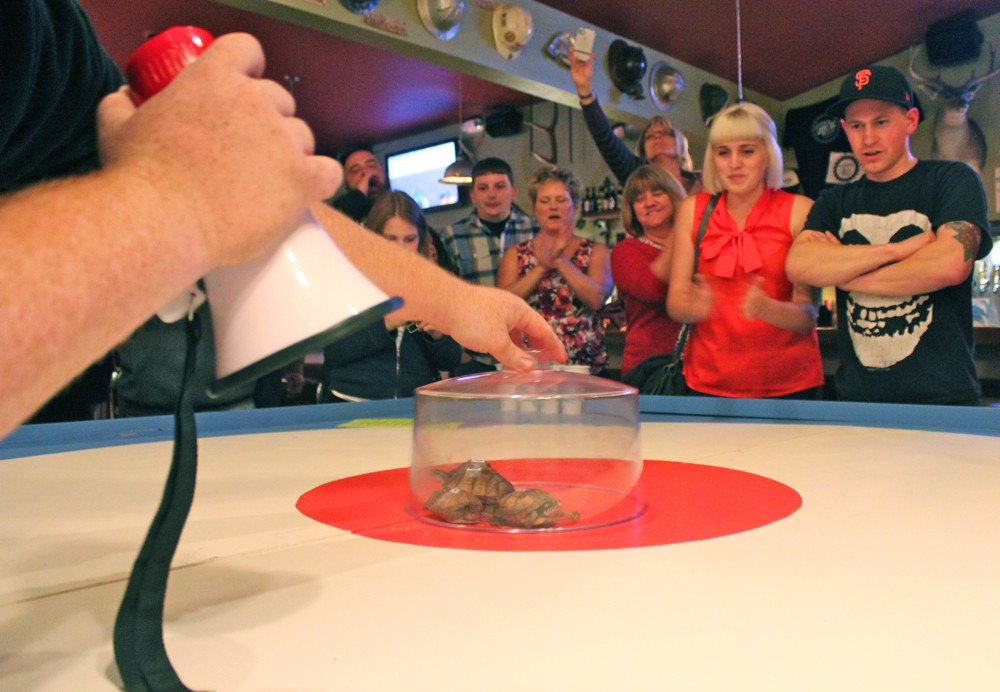
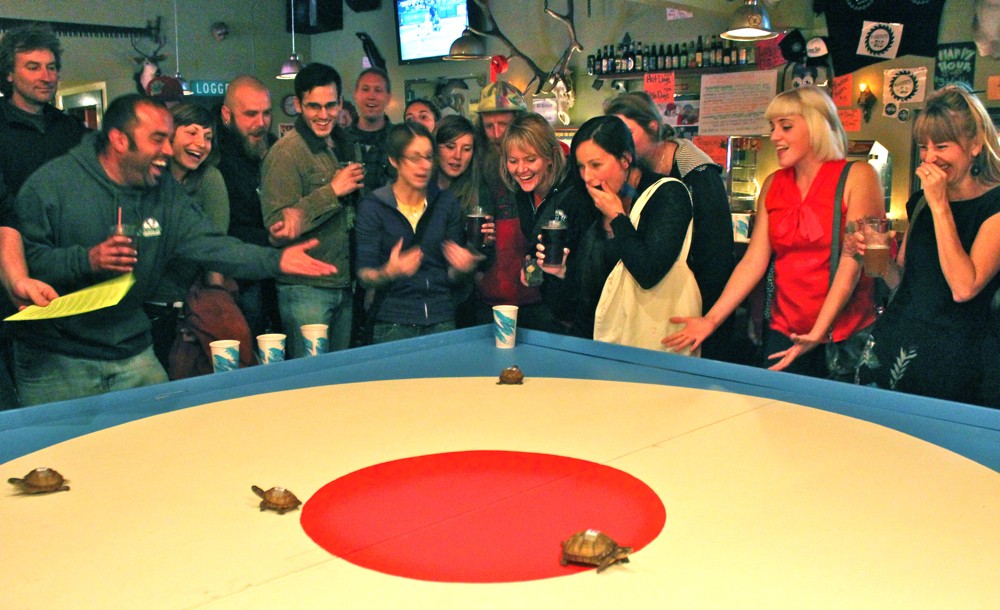
Turtle racing began in the United States in 1902 when seven turtles in Chicago were jockeyed across a garden, being ridden by young children. The Chicago Tribune at the time understandably labeled it as “The strangest race ever run.” The main street at Longville, Minnesota has been the venue for races since the 1950s, leading to the state legislature honoring the town as “the turtle racing capital of the world.” PETA (People for the Ethical Treatment of Animals) has been the most vocal in its condemnation against numerous turtle races held in Canada and has even suggested the racing of rubber ducks as a preferred alternative.

Ostrich Racing:-

Ostrich Racing

http://www.tipsfromtown.com

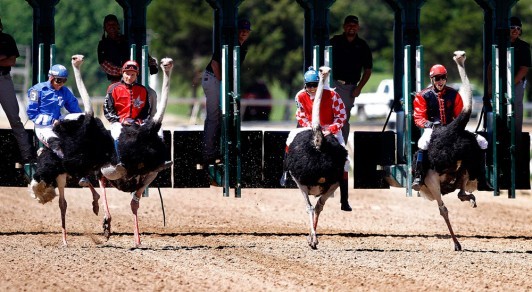
While quite common in parts of South Africa, ostrich races are also held at a number of venues throughout the United States where the birds are ridden like horses, using saddles and reins. The Ostrich Farm in Jacksonville, Florida, has held competitions since it opened as a tourist attraction in 1892, and the annual Ostrich Festival takes place in Chandler, Arizona. Similar events are also regularly held in the states of Iowa, Nevada, and Kentucky.

Goat Racing:-

Goat Racing

http://www.largeup.com

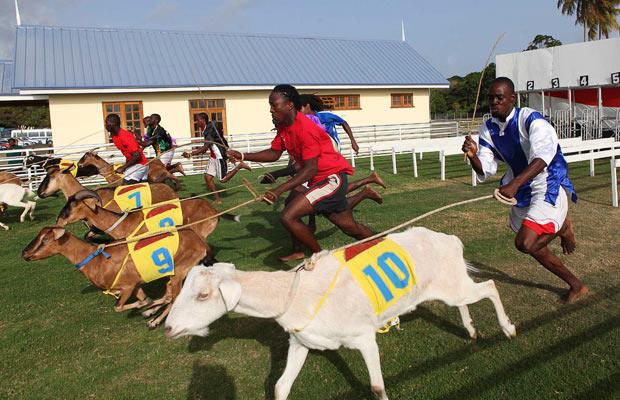
Goat racing originated on the Caribbean island of Tobago in 1925. Drawing thousands of spectators every year, the Buccoo Goat Race Festival is the world’s longest running goat racing event. It is currently sponsored by the Tobago House of Assembly’s Department of Tourism. Originally held on the village streets, it now takes place at the $100 million racing arena and stables, known as the Buccoo Integrated Facility.

Hamster Racing

Hamster Racing

http://listverse.com

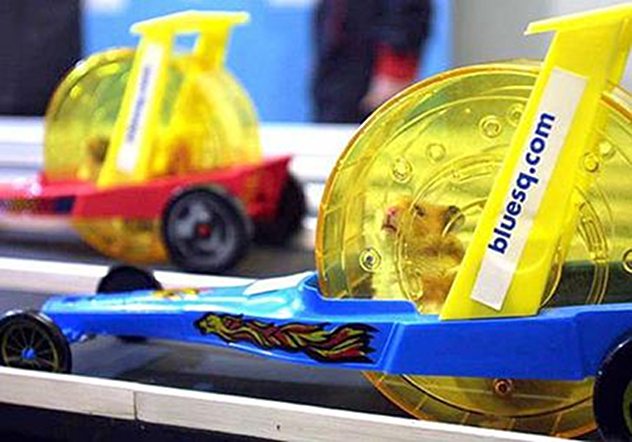
The 2001 outbreak of foot and mouth disease in the rural areas of the UK saw the government having to introduce emergency legislation which severely limited the movement of animals around different parts of the country. As a consequence, many horse racing meetings had to be canceled. Seeing their income from sports gambling beginning to plummet in dramatic fashion, online bookmaking company Blue Square decided to take matters into their own hands. They introduced the first hamster racing series.

Cockroach Racing

Cockroach Racing

http://listverse.com

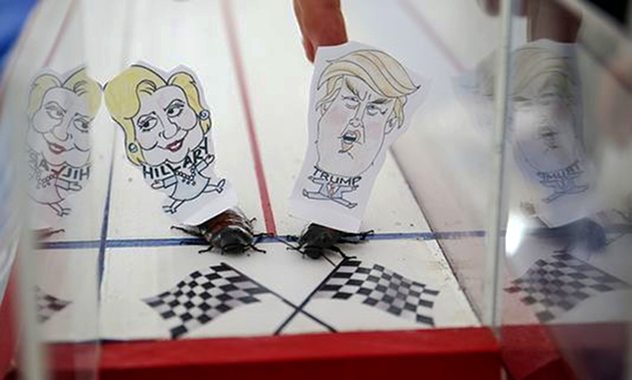
Cockroach racing was born in 1986 at the Story Bridge Hotel in Brisbane, Australia. History was made that day, and cockroach races now take place annually at the same hotel on January 26, known as “The Australia Day Cockroach Races.”In the United States, the Pest Control Association of New Jersey holds a popular cockroach race every fourth year at its annual trade show, prior to the Presidential election. The aim of the race is to predict New Jersey’s Democrat candidate. It is said that the race has a very respectable 84 percent success rate of correctly choosing the winning election candidate.

Related Content

Duck and its ducklingsThe World’s Most Romantic AnimalsImpala rescue, Must watch

Outrageous Stories of Cats’ Lives Saved In Strange Ways

0

There is an old saying that “curiosity killed the cat.” Anyone who has ever had a cat as a pet can attest to the strange places that they like to explore, sleep, and play.

But what happens when these odd hiding places become a cat’s undoing? Luckily for these animals, their nine lives weren’t used up. Here are some stories of cats whose lives were saved in really unusual ways.

Tiger (aka ‘Q199’)

Tiger cute Tiger

http://www.twoeggz.com

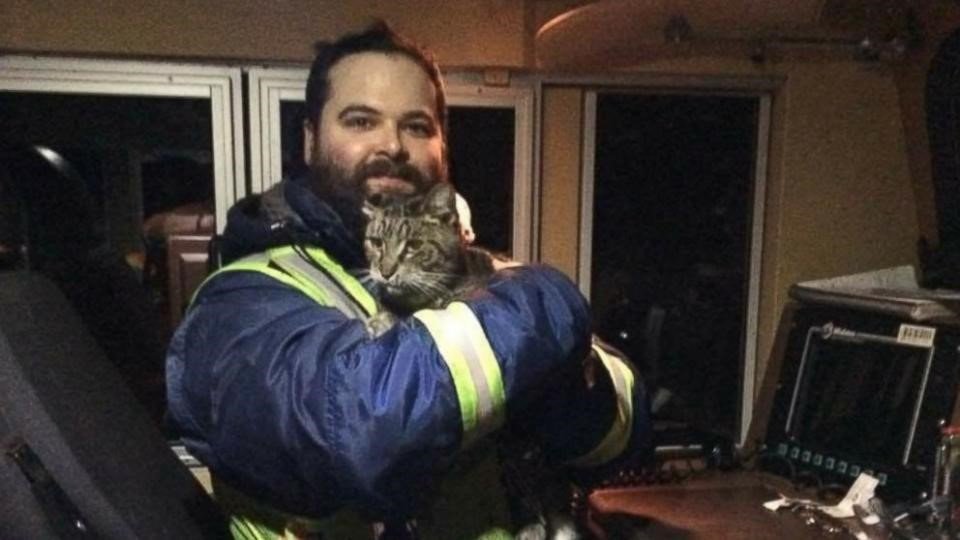
Brad Slater, an employee of the Canadian National Railway, was examining the engine of a train when he heard a cat crying. He looked inside the engine and found a cat that was partially frozen, hiding inside the train engine for warmth. Brad scooped up the freezing cat and peeled ice off the cat and fed him water.

Brad decided to adopt the animal and gave the cat the name “Q199” after the name of the train where he was found.

Coco

Coco

https://www.heraldsun.com.au

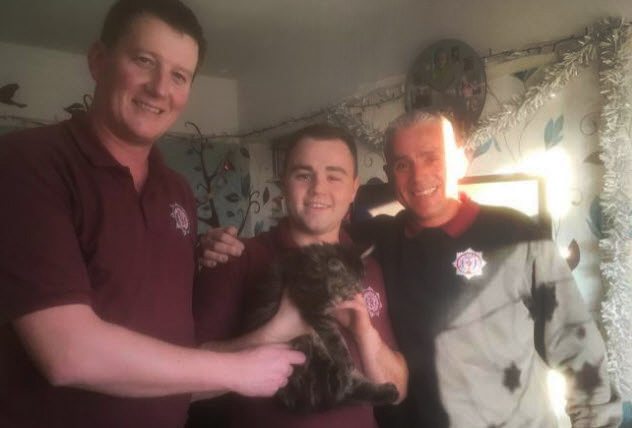
Coco was a curious 12-week-old kitten who was exploring her new North Yorkshire home in the United Kingdom in 2017. She crawled underneath the living room sofa and never emerged. The owners could hear their kitten’s mews coming from inside the couch, and yet they had no way of coaxing her out. Coco’s owners called the North Yorkshire Fire and Rescue team, who used bolt cutters and hacksaws to completely dismantle the couch to free the kitten. It turns out that her head was stuck in between one of the mechanisms on the inside of the couch.

Tiggy

Tiggy

http://www.dailymail.co.uk

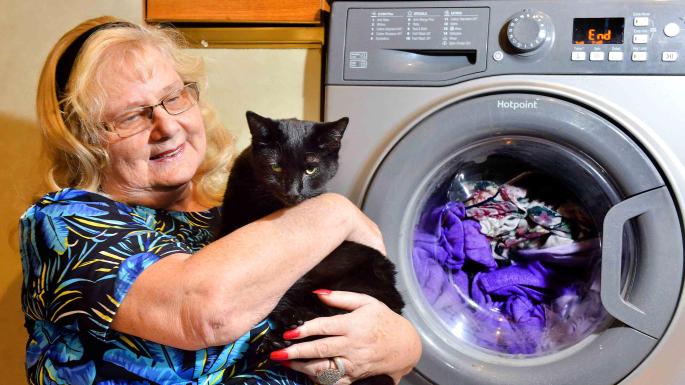
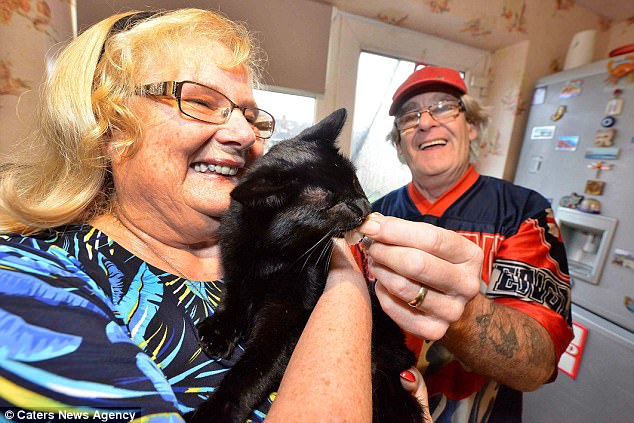
72-year-old Rae Sutton started a load of laundry at her home in the West Midlands, United Kingdom, in late 2017. After 30 minutes, the wash was done. She reached her hand in to retrieve her clothes and pulled out a clump of fur instead. Rae was horrified to see the lifeless body of her nine-month-old cat, Tiggy, in the machine with the damp laundry. In a desperate last-ditch effort, Rae gave Tiggy mouth-to-mouth resuscitation and massaged his stomach. It actually worked. Tiggy began breathing again. She rushed him to the veterinary hospital, where he was in a coma due to head injuries. In just two hours, Tiggy woke up, and Rae brought him home to recover.

Zion

Zion

http://www.holidogtimes.com

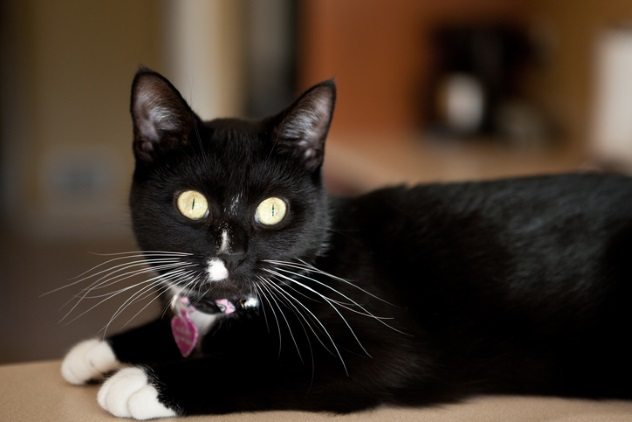
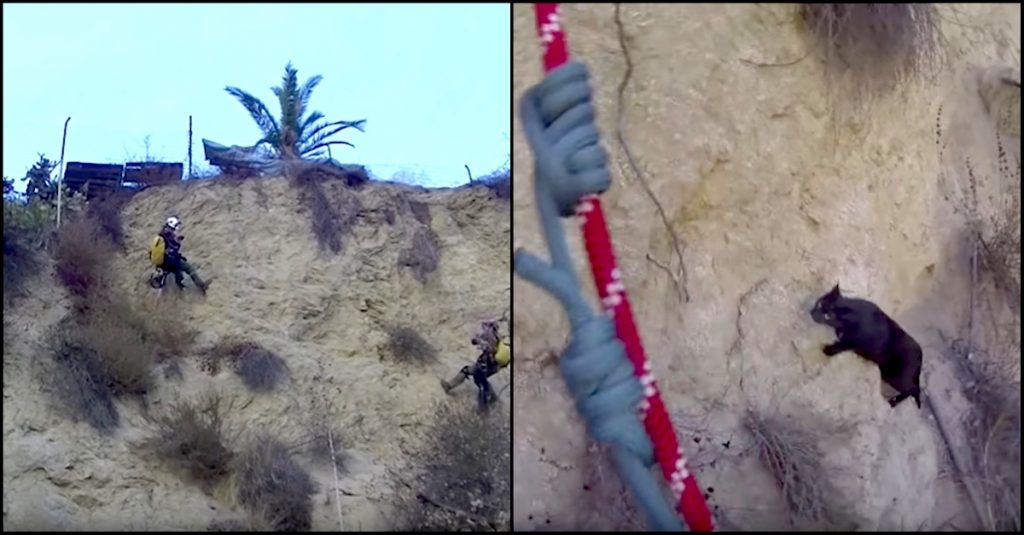
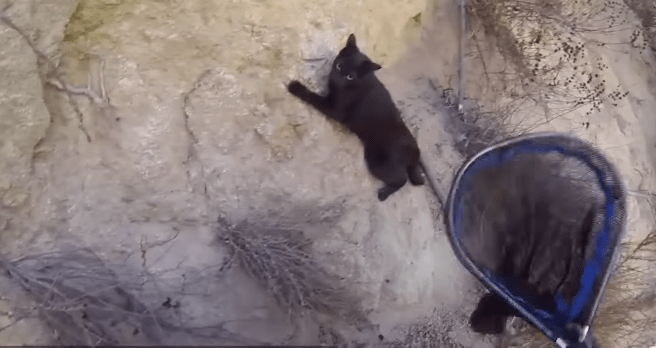
A black house cat in Los Angeles named Zion was accidentally let out of his owner’s home by a guest during a party in late 2017.Zionwas unfamiliar with the surrounding territory and walked off a steep cliff. The owners could hear his meows for help, but they had no way of reaching him. They called 911, who sent in the “SMART” squad, which stands for “Specialized Mobile Animal Rescue Team.”

Zion clutched the edge of the cliff with his claws, suspended over 30 meters (100 ft) off the ground. Members of the SMART team had to rappel down the side of the cliff with mountain climbing gear and nets. Zion wasn’t very happy to be snatched up by strangers and trapped inside a net, but he was returned to his owners safe and sound.

Lazarus

Lazarus

http://www.lovemeow.com

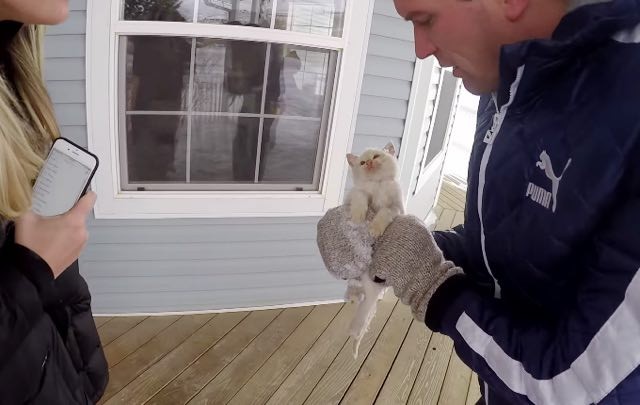
In late November 2015, 0.3 meters (1 ft) of snow fell in Garden City, Utah, on the night before Thanksgiving. The Bingham family woke up to see the winter wonderland, and the children wanted to play outside.

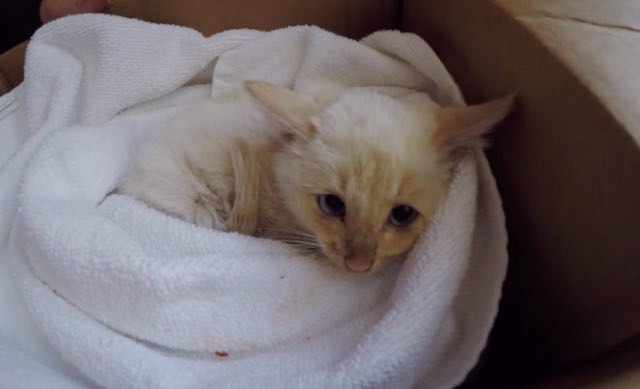
One of the children was horrified to stumble over the body of a tiny, frozen, white kitten. Its blue eyes were wide open and unresponsive. Everyone assumed that the kitten was dead, except that it had a small amount of body heat left and its body wasn’t stiff.

Branden Bingham jumped into action, bringing the kitten inside near the fire to perform CPR. Miraculously, the kitten came back to life. They decided to name him “Lazarus.”

Tipsy

Tipsy

http://www.dailymail.co.uk

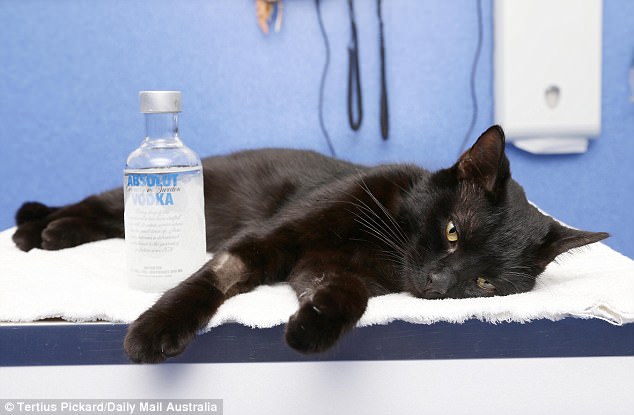
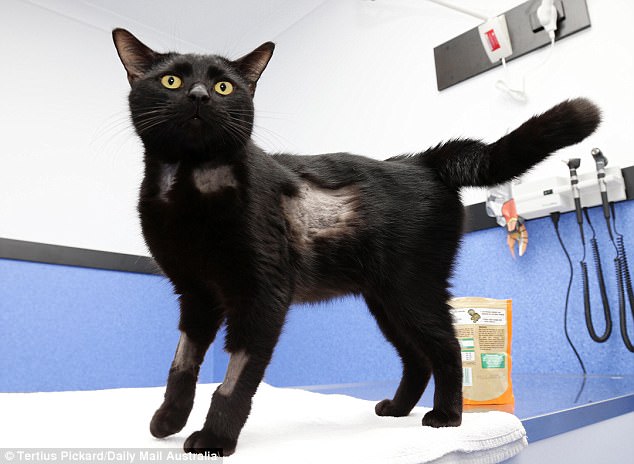
In July 2017, a black cat was discovered at a mechanic’s tire shop in Brisbane, Australia. Convulsing and barely breathing, the poor animal was lying on the ground. The workers at the tire shop rushed the cat to RSPCA animal hospital. Veterinarian Sarah Kanther realized from the cat’s symptoms that he must have accidentally drunk antifreeze. The only cure for antifreeze poisoning for the cat would be an IV drip of alcohol, and there was only a one-hour window to save his life. One of the nurses just happened to have a bottle of Absolut Vodka in her purse. After receiving the 20-milliter (0.68 oz) vodka treatment, Dr. Kanther said that the cat was clearly drunk. So they decided to name him “Tipsy.”

Miracle

Miracle

https://jezebel.com

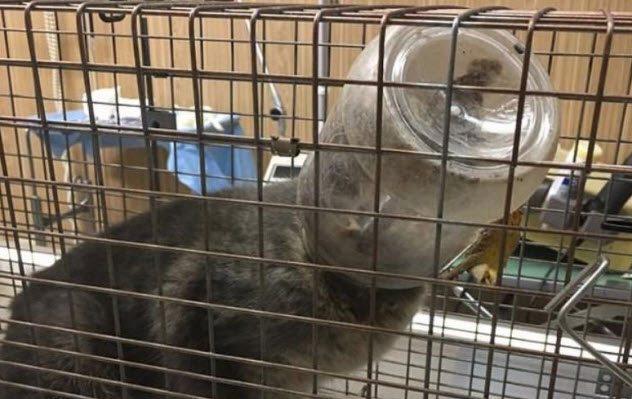
Linda Ruggere from Wilkes-Barre, Pennsylvania, fed the stray cats in her neighborhood on a regular basis. One day in November 2017, she was shocked to see one cat walking around with his head stuck inside a glass mayonnaise jar. Linda tried to catch the cat for a couple days straight, but she didn’t have any luck removing the glass jar from around his neck on her own.

A nonprofit animal rescue group called Whiskers World caught the feral cat and brought him to a local animal hospital, where the veterinarian was able to remove the jar. They decided to name him “Miracle.”

Lexus

Lexus

https://people.com

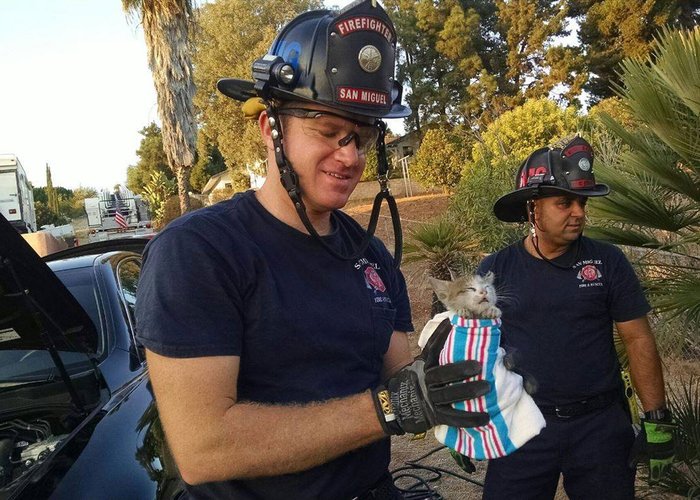
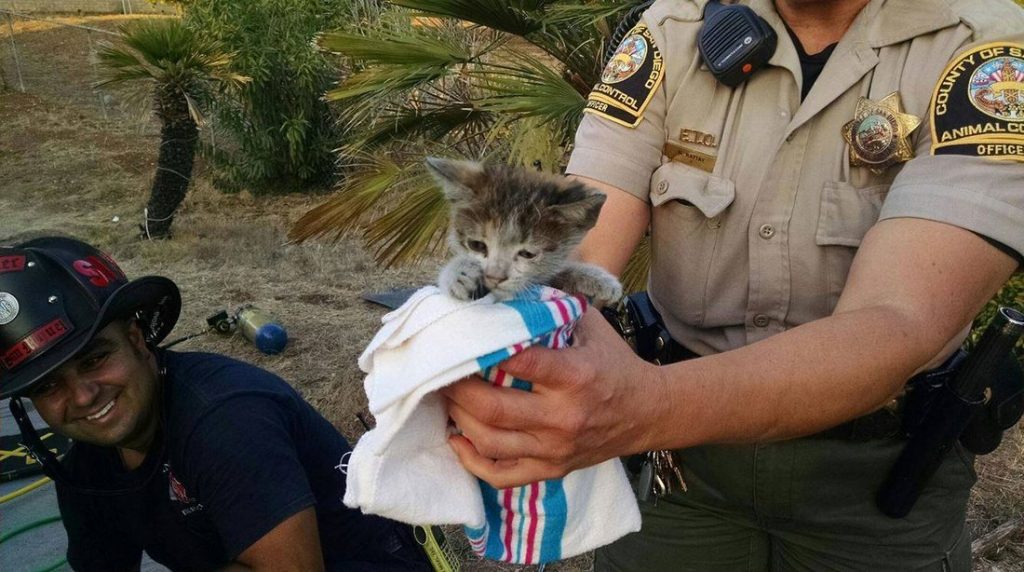
In September 2017, Adrienne Koroly drove his Lexus to his parent’s home in Moreno Valley, California. When he stepped out of the car, he heard a faint meowing. He was shocked to realize that the meowing was coming from his car engine. Over the next few days, Adrienne and his parents tried to coax the kitten out with food and milk, but it wasn’t leaving the engine. They had to call in the local fire department, which used air balloons to lift up the car. A mechanic had to remove parts from the bottom of the vehicle to be able to reach the tiny kitten. After over an hour of work, the hungry kitten was officially rescued. They named it “Lexus” and brought it to the nearest veterinarian. Soon after, one of the Koroly’s neighbors adopted Lexus as their pet.

Piper

Piper

https://spontany.com

The Humane Society in Dayton, Ohio, was called in after a report that a ginger cat had somehow managed to get its head stuck inside a fencing pipe in a cement block. The Humane Society realized that they needed to call the local fire department for help if they wanted to save the cat. The Dayton Humane Society sedated the cat and then carried it with the large cement chunk and pipe to the fire department. Once they arrived, several workers at the department spent more than two hours sawing their way down to the cat before it was set free. They named him “Piper”.

Related Content

Animals that are being driven to extinction by humans on purpose